A front yard should make your home feel welcoming without creating a long list of chores. The best front yard garden ideas keep the entry clear, use simple foundation planting, leave enough open lawn, and add only a small amount of seasonal color.
You do not need a packed flower bed or expensive hardscape to improve curb appeal. A simple plan can make the yard look cleaner while keeping weekly care manageable.
Plan the Entry First
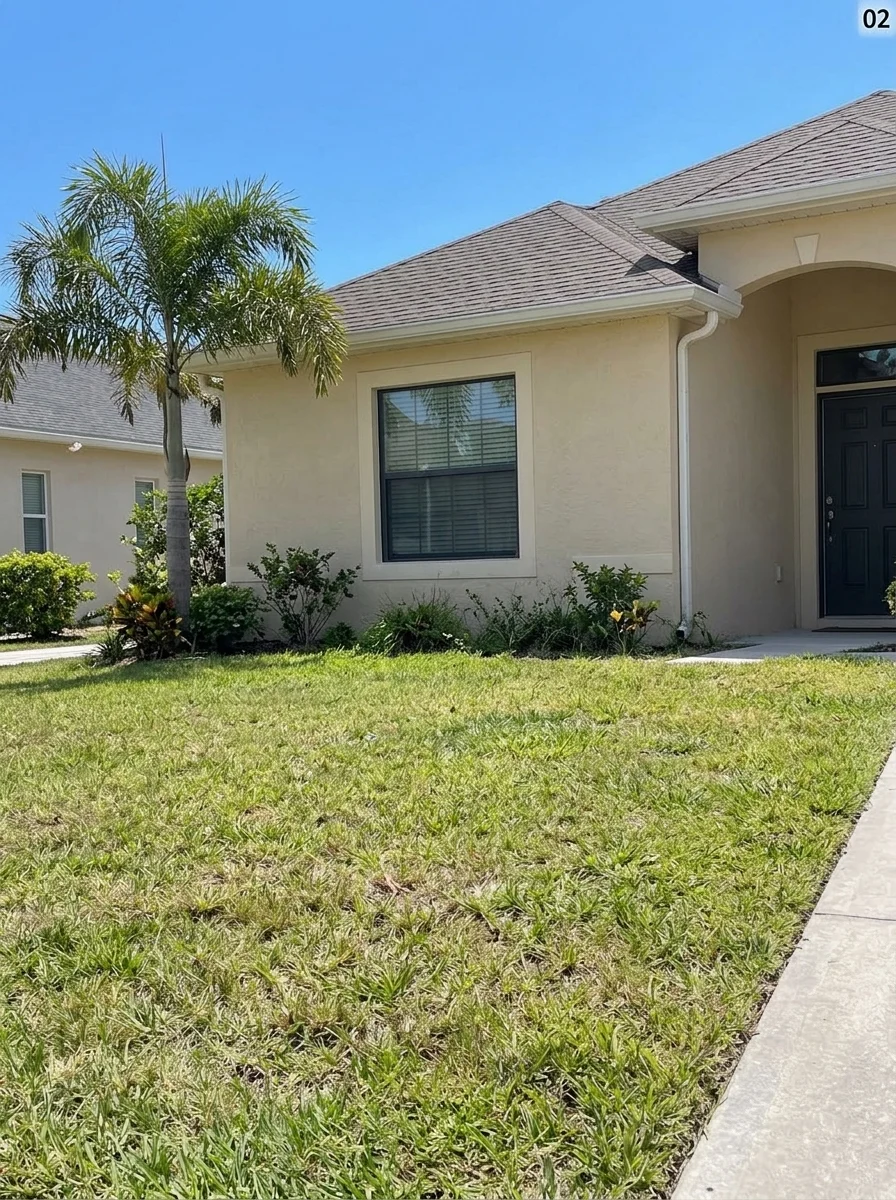
Start by looking at the front yard from the street and driveway. Notice the front door, windows, walkway, lawn, and planting space beside the house. The entry should stay easy to see, and visitors should know where to walk without moving around pots or large shrubs.
Look at the Front Yard From the Street
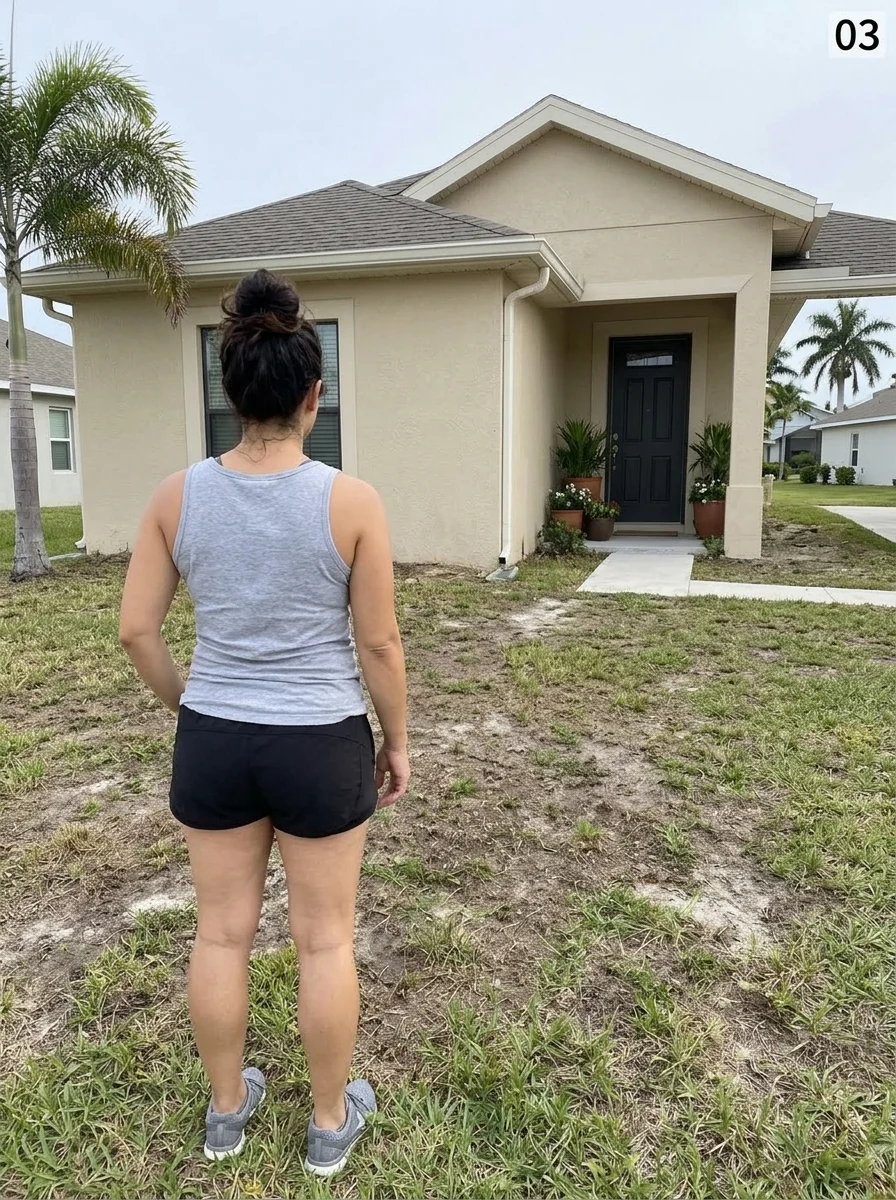
Walk through the yard the same way a visitor would. Look from the sidewalk, driveway, and front path. Keep the main view simple. Open lawn and a clear path can make a small front yard feel larger.
Check Sun and Space
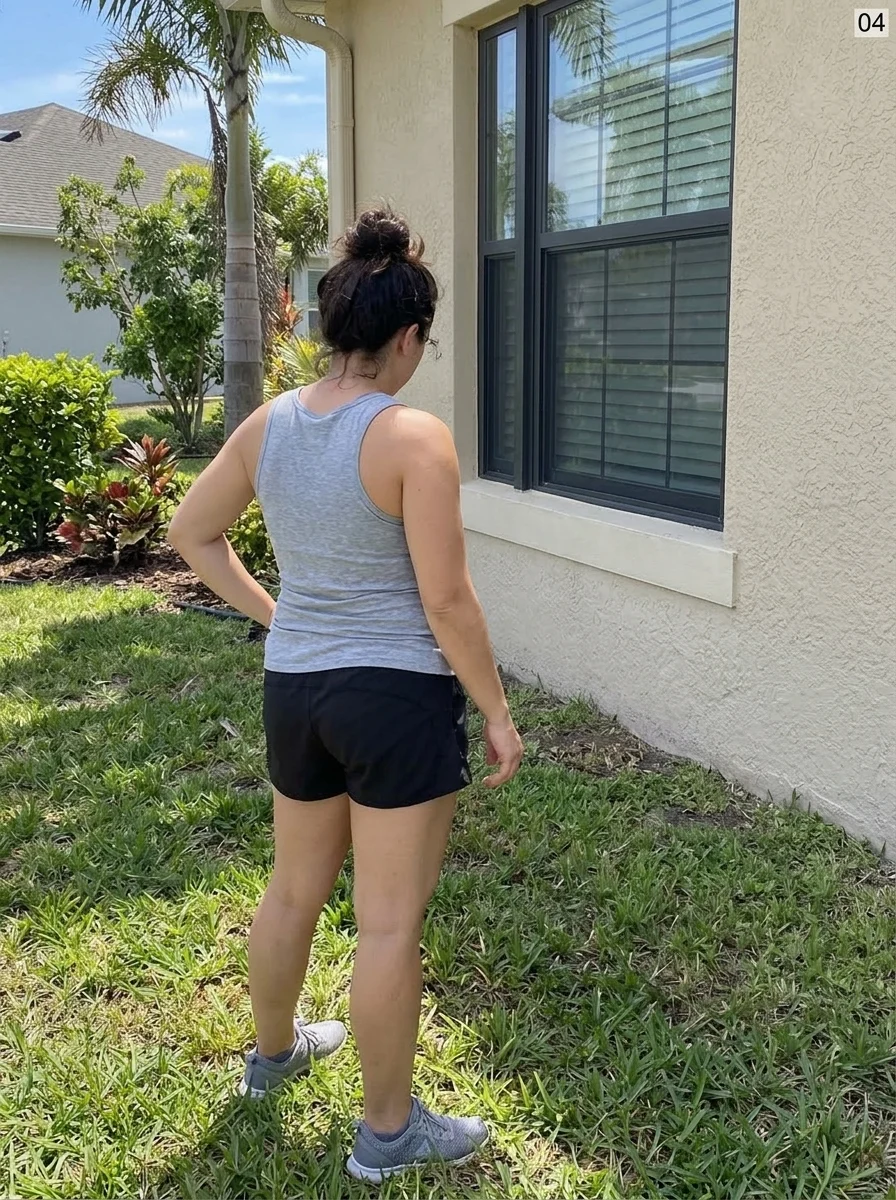
Check sunlight before choosing plants. One side of the house may receive strong sun while another stays shaded for part of the day. Pick plants for the conditions they will actually receive.
Measure the Foundation Area
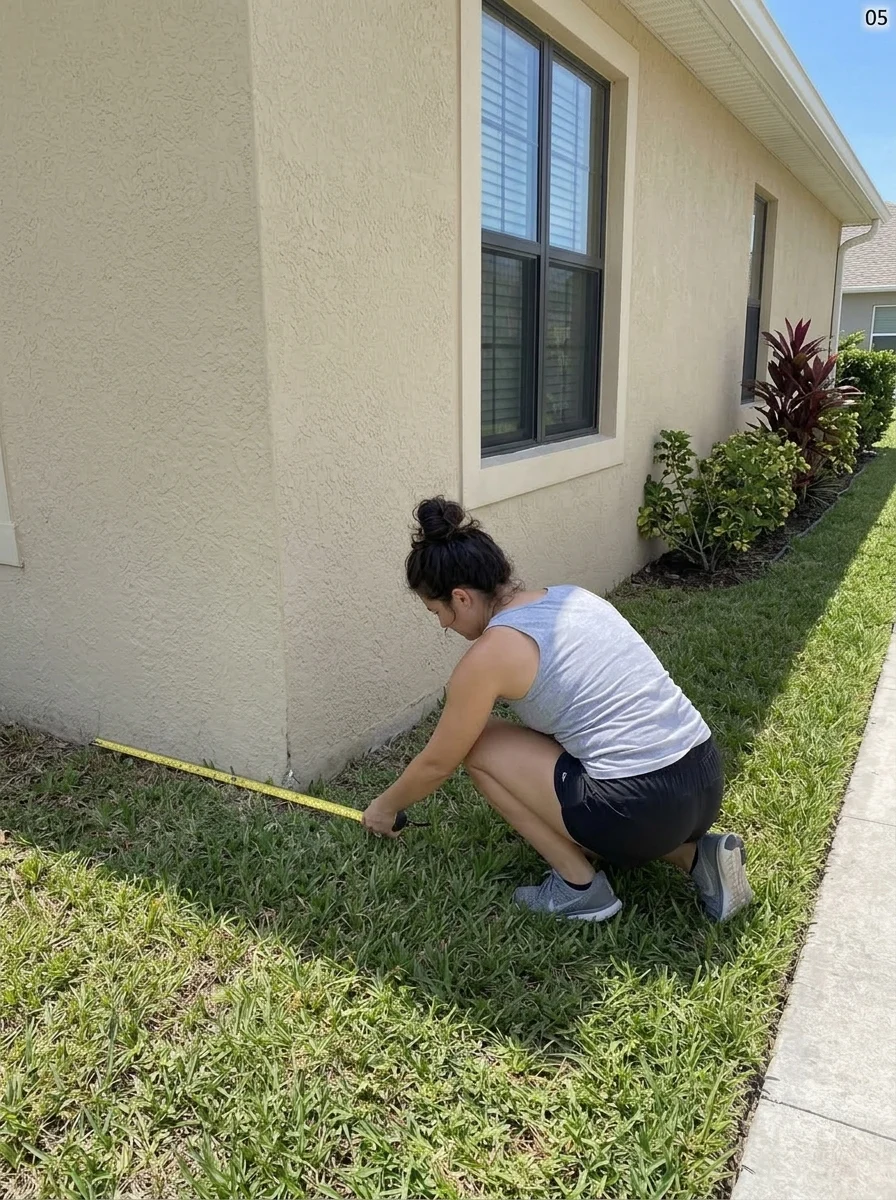
Measure the space along the house before buying plants. Leave room between the planting bed and the walkway. Also consider mature plant size. A shrub that looks small at the nursery may become too wide for the space later.
Mark a Simple Bed Layout
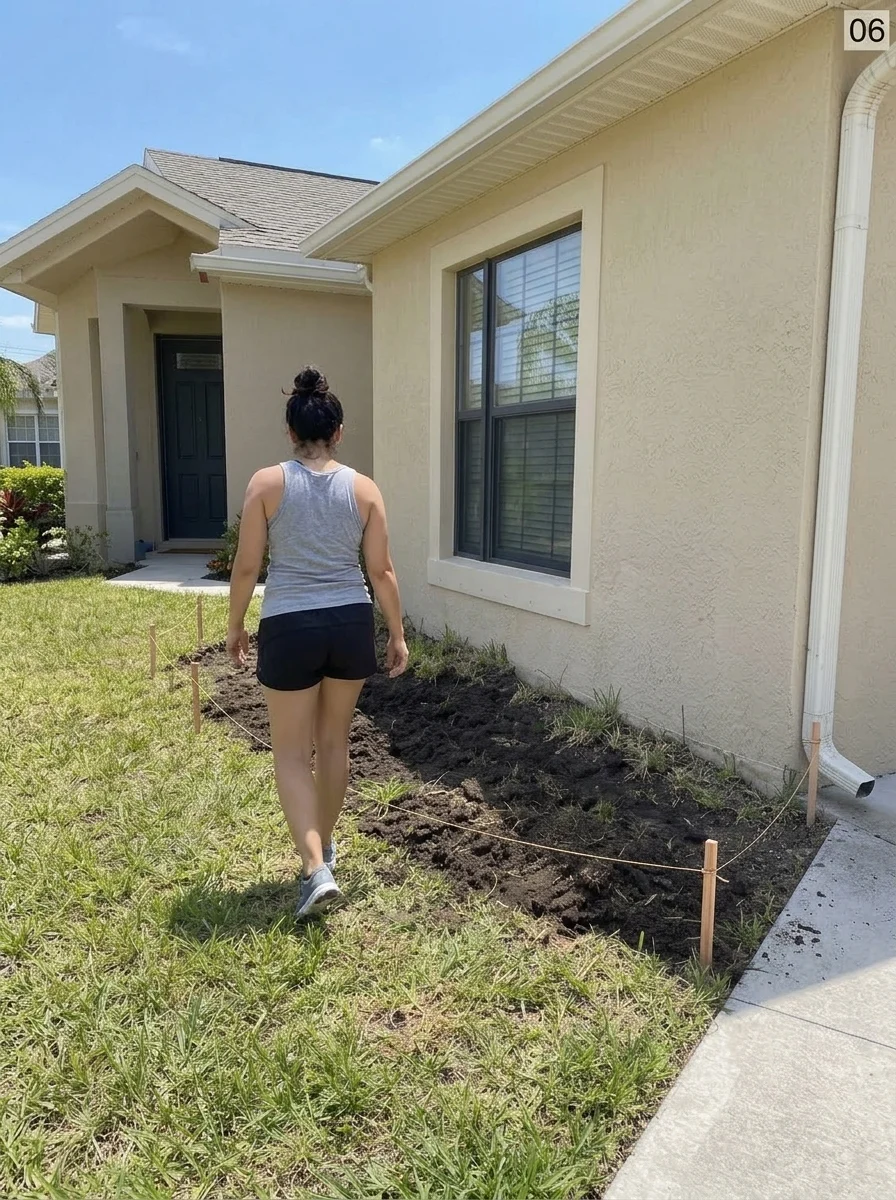
Mark the bed shape before digging. A simple line usually works better than many small curves. Keep the bed wide enough for plants to grow but not so wide that it takes over the lawn.
Prepare the Foundation Bed
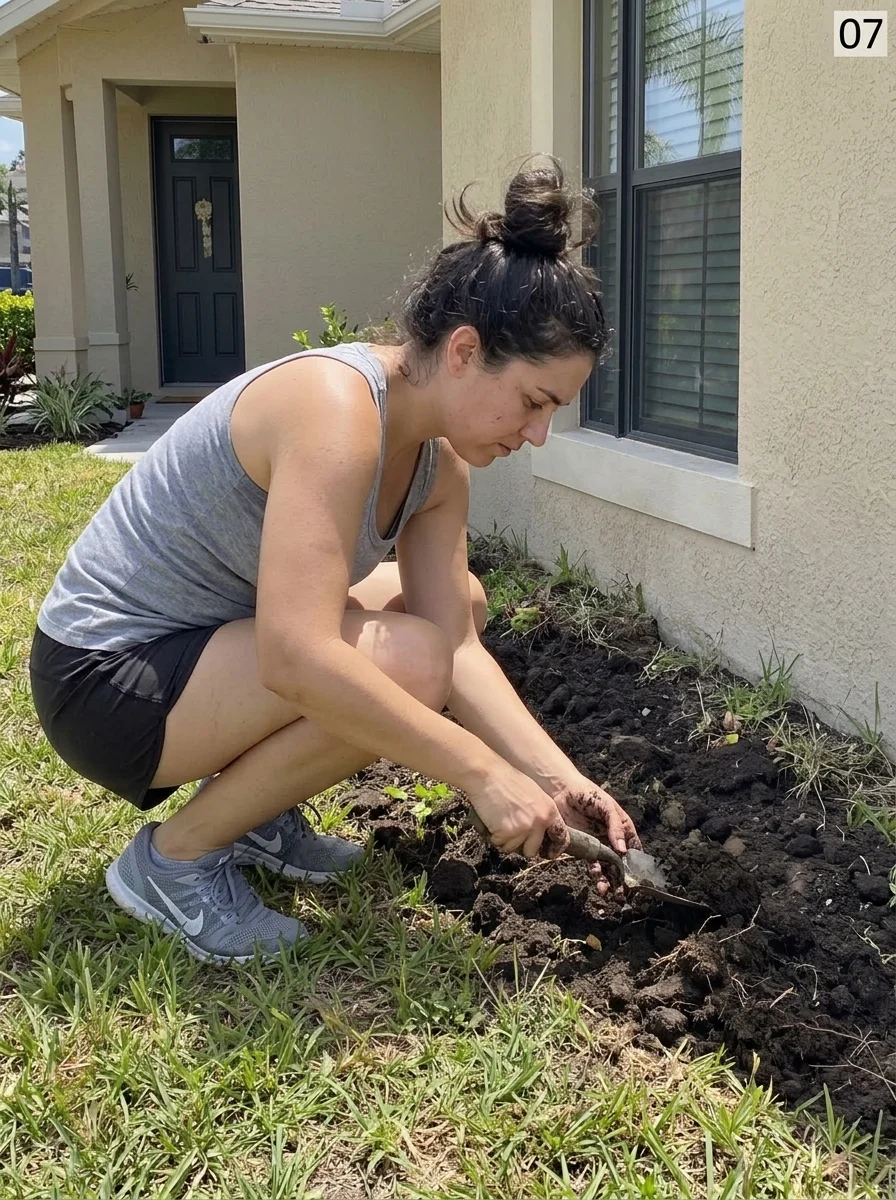
Remove weeds and unwanted grass, then loosen the soil where new plants will go. Keep the lawn edge simple so mowing stays easy. A basic foundation bed does not need heavy construction.
Start With Compact Foundation Plants
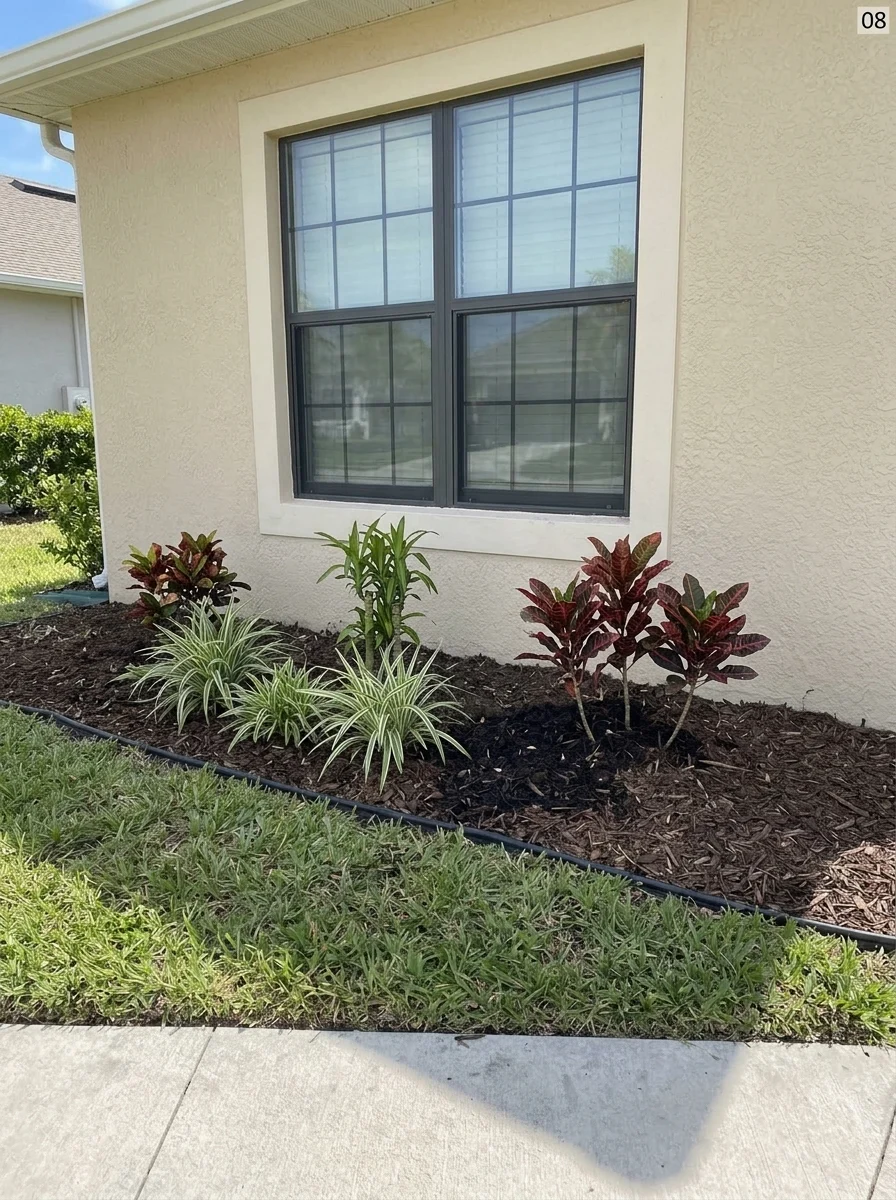
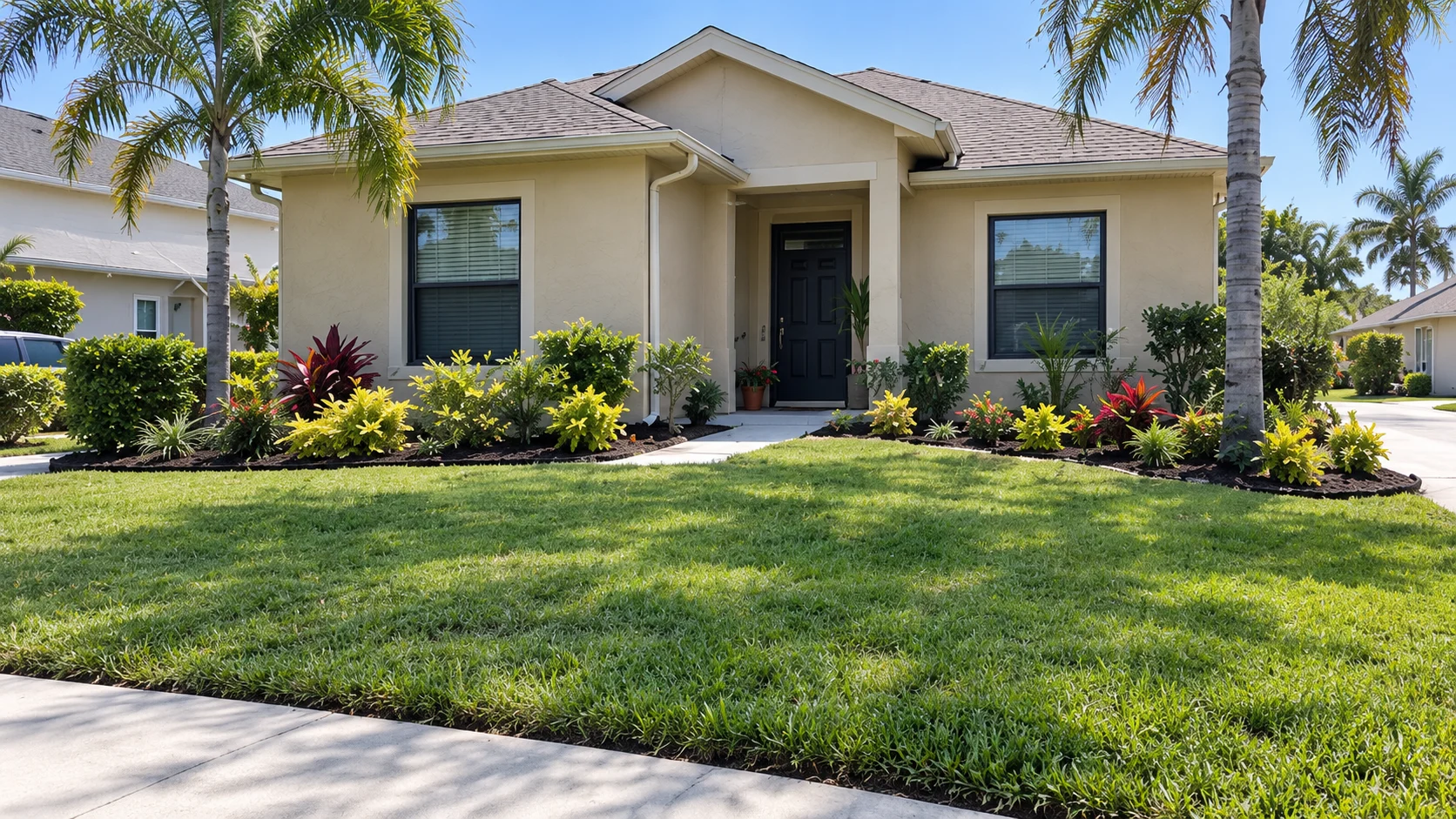
Use plants that fit the width of the bed and stay below the windows. Leave visible space between young plants because they need room to grow. A smaller number of well-placed plants is usually easier to maintain than a crowded bed.
Build a Second Plant Group
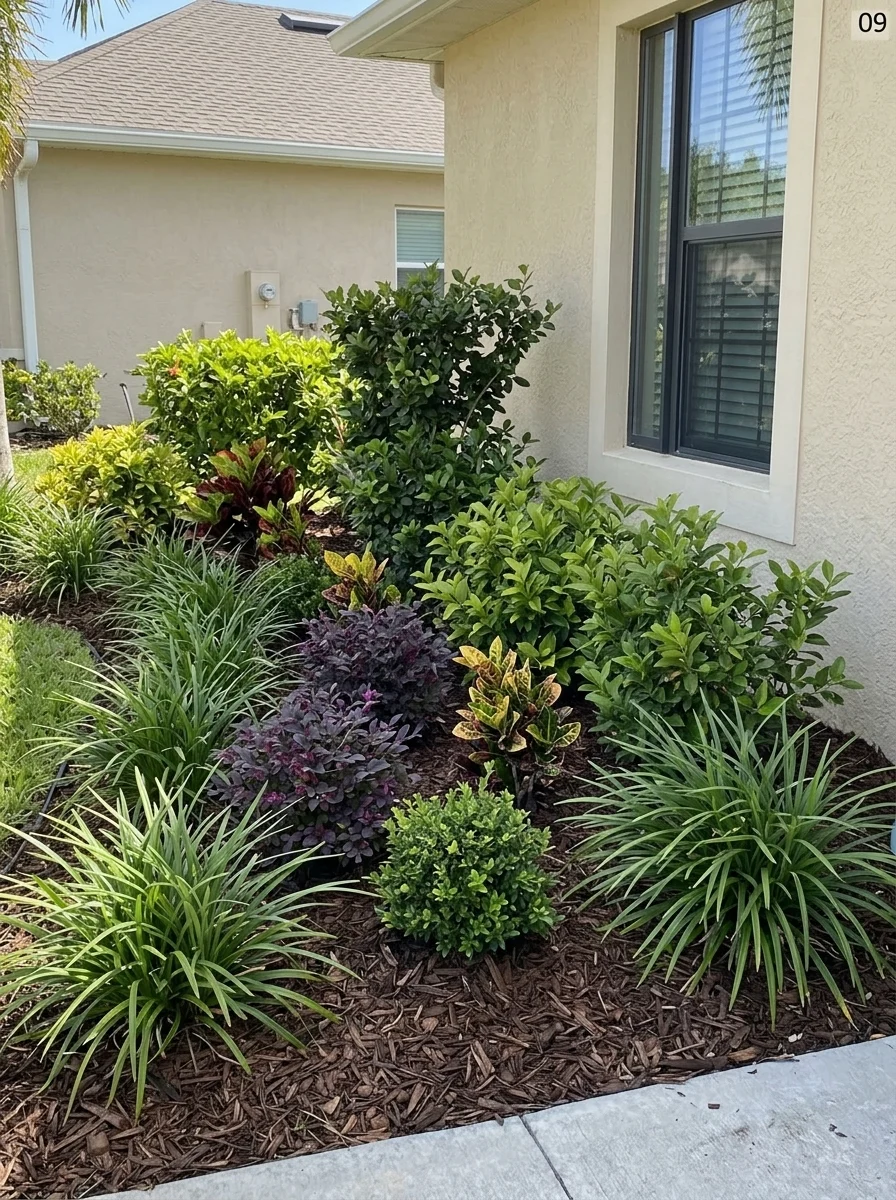
Add a second plant group only where it improves balance. Mix a few heights instead of using one flat row. Taller plants can sit toward the back, while lower plants can soften the front edge.
Keep Entry Planting Simple
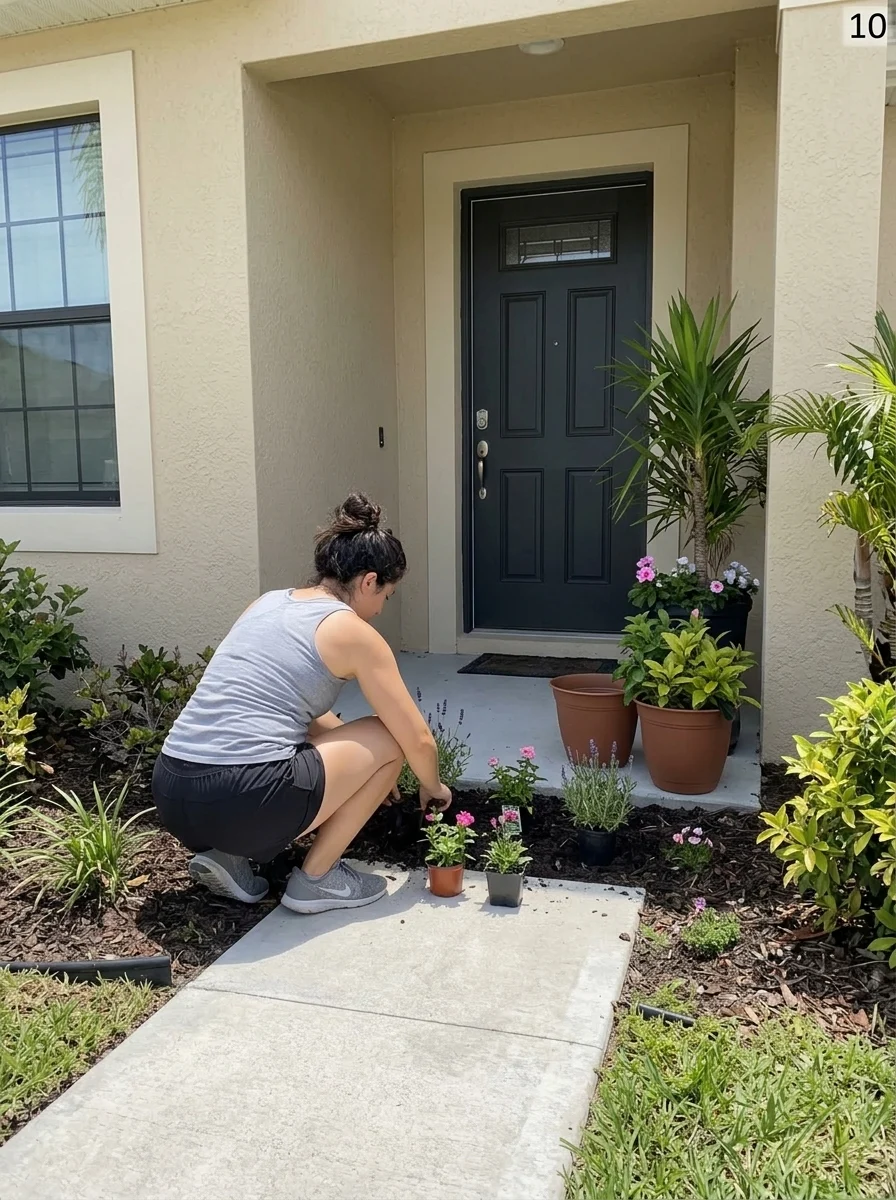
The front entry needs less decoration than many homeowners think. A few healthy plants near the door can be enough. Keep steps and walking space open, and choose plants that do not need constant trimming.
Keep the Walkway Edge Clean
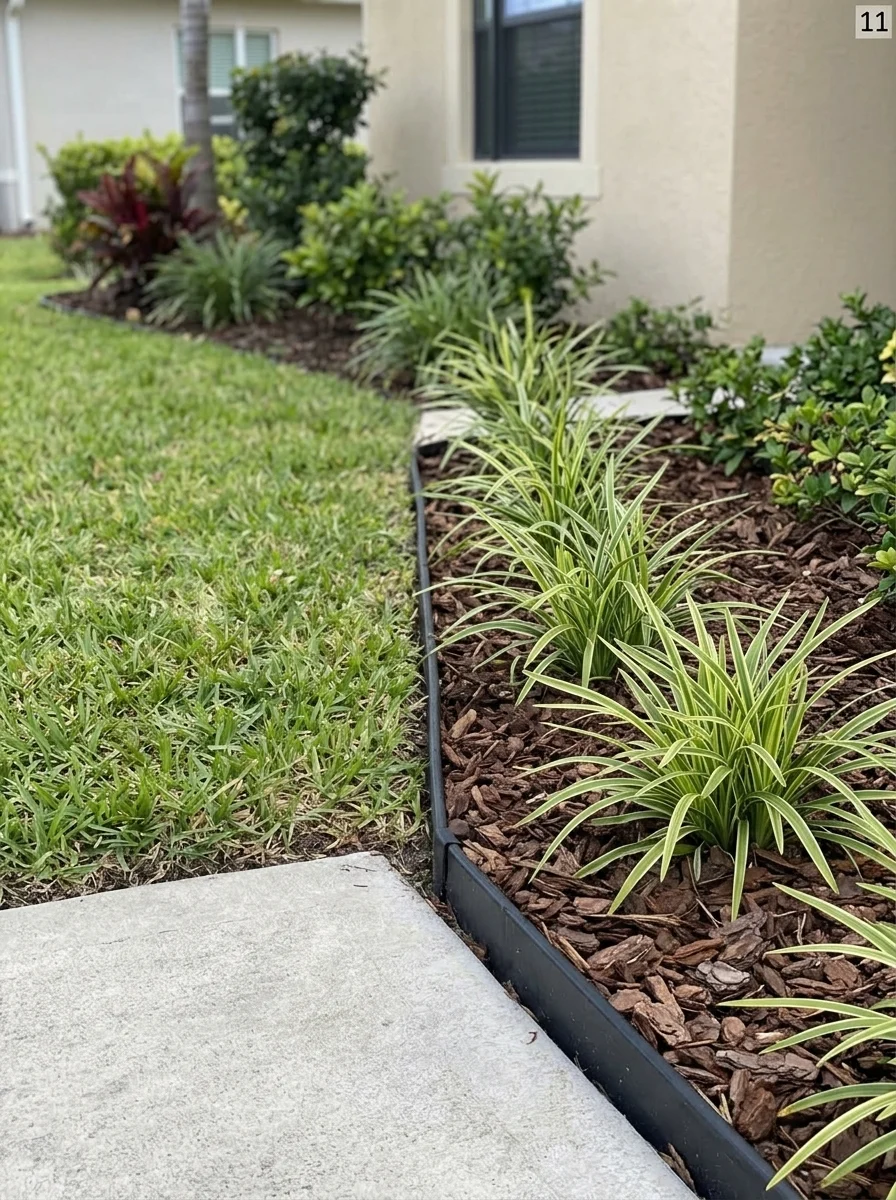
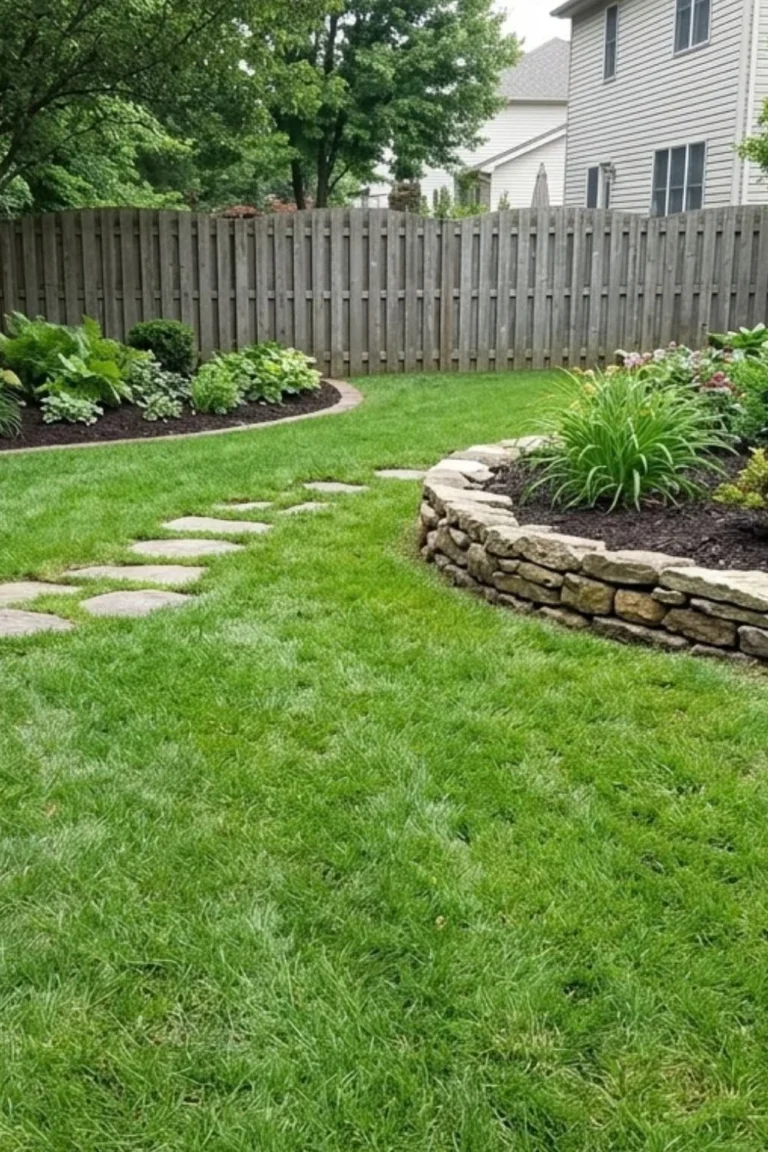
Mulch helps define the bed and reduce exposed soil. A simple low edge can help keep mulch out of the walkway. Avoid tall edging that may become a tripping hazard.
Use a Small Container Group
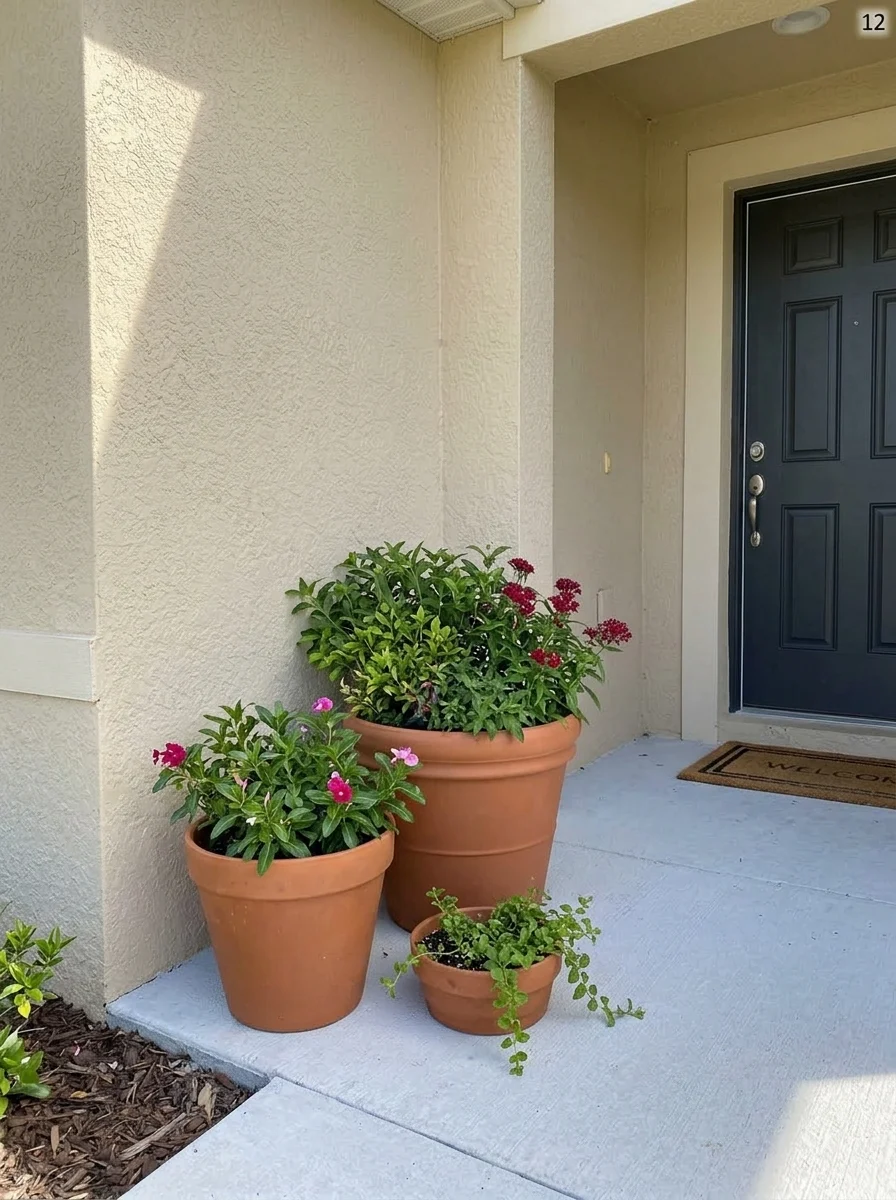
Containers can add interest near the entry without changing the whole landscape. Use two or three pots instead of many small containers. Group them together so watering stays simple and keep the doorway clear.
Add Low-Growing Border Plants
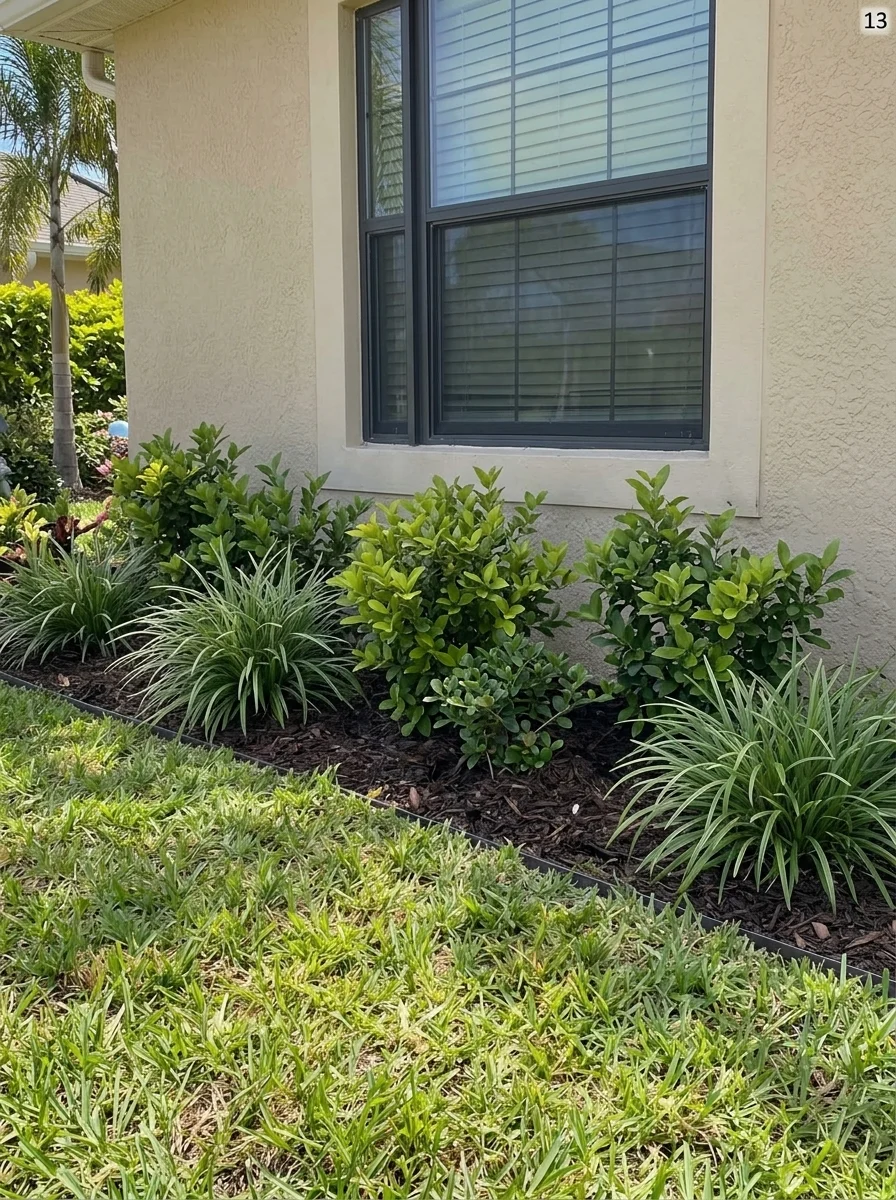
Low-growing plants work well in small front yards because they add texture without hiding the house. Use them near windows, walkway edges, or the front of foundation beds.
Use Seasonal Color as an Accent
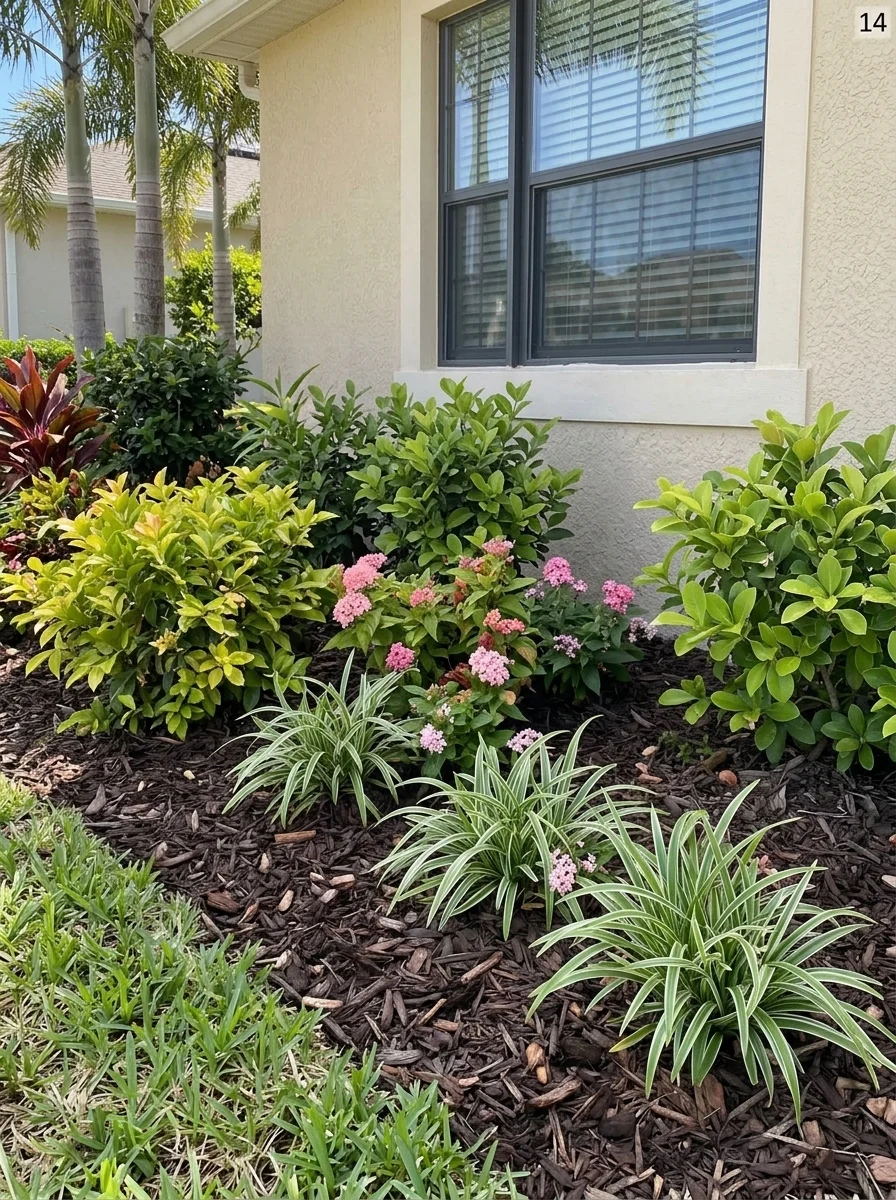
A few flowers can brighten a mostly green bed without creating a high-maintenance display. Repeat one or two colors instead of mixing many unrelated flowers. When the seasonal plants finish, the basic green structure should still look good.
Check Window and Entry Clearance
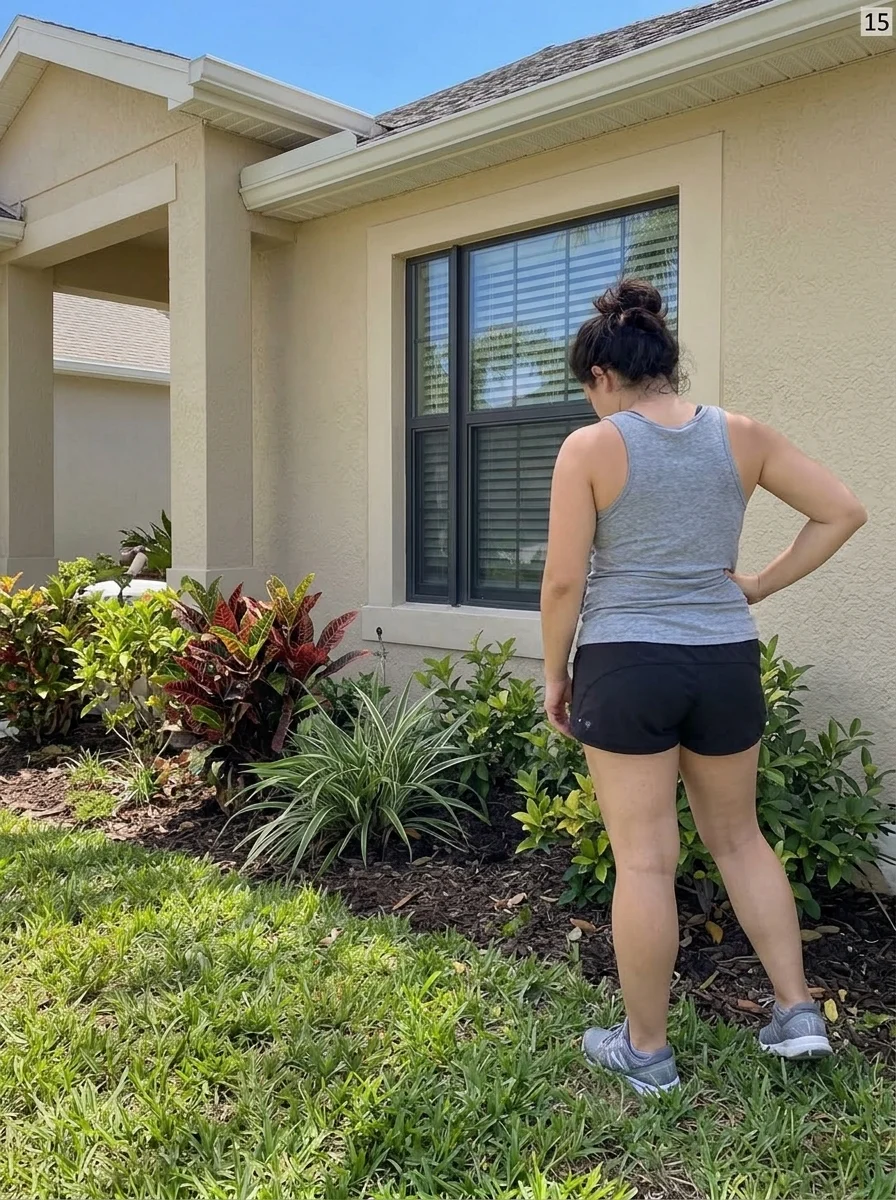
Windows should stay visible, shrubs should not block the front door, and plants should not narrow the entry path. If a plant is already too large for its location, moving it early may be easier than pruning it heavily every month.
Finish With Mulch and a Simple Border
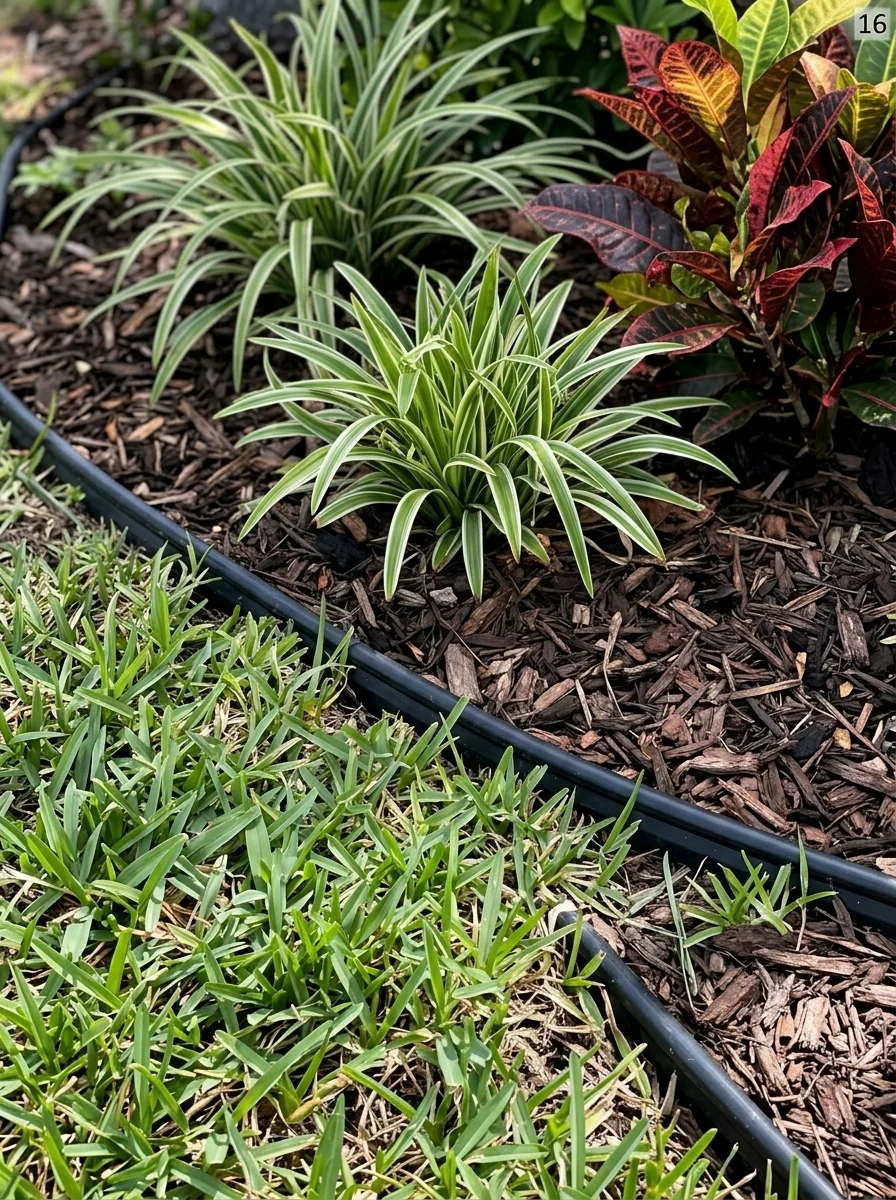
Keep mulch at a useful depth and avoid piling it against plant stems or the house wall. Maintain a clear line between lawn and bed. A simple edge helps the yard look organized even when plants are not perfectly shaped.
Walk the Entry Route
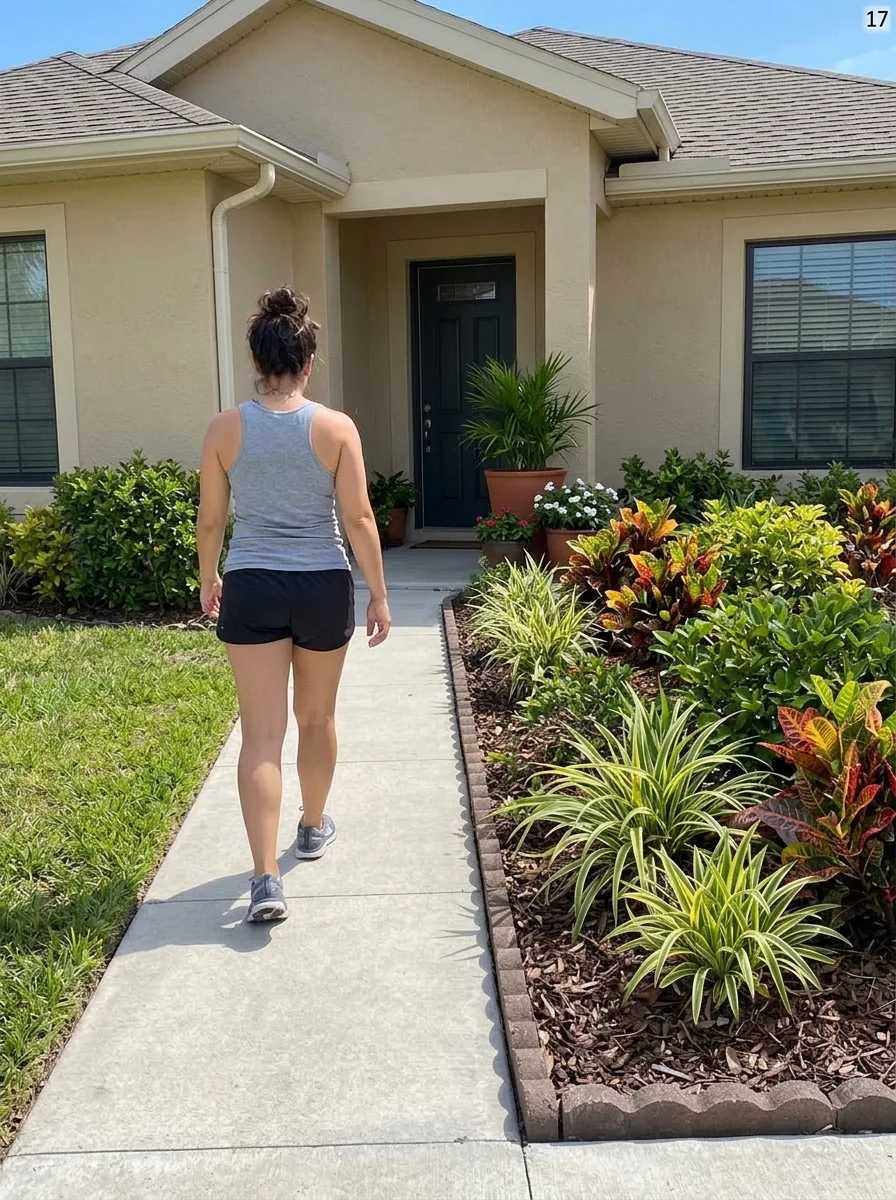
Walk from the driveway or sidewalk to the front door. You should not need to brush against plants or step around containers. If the landscaping makes the route feel tight, remove or move something.
Water New Plants Carefully
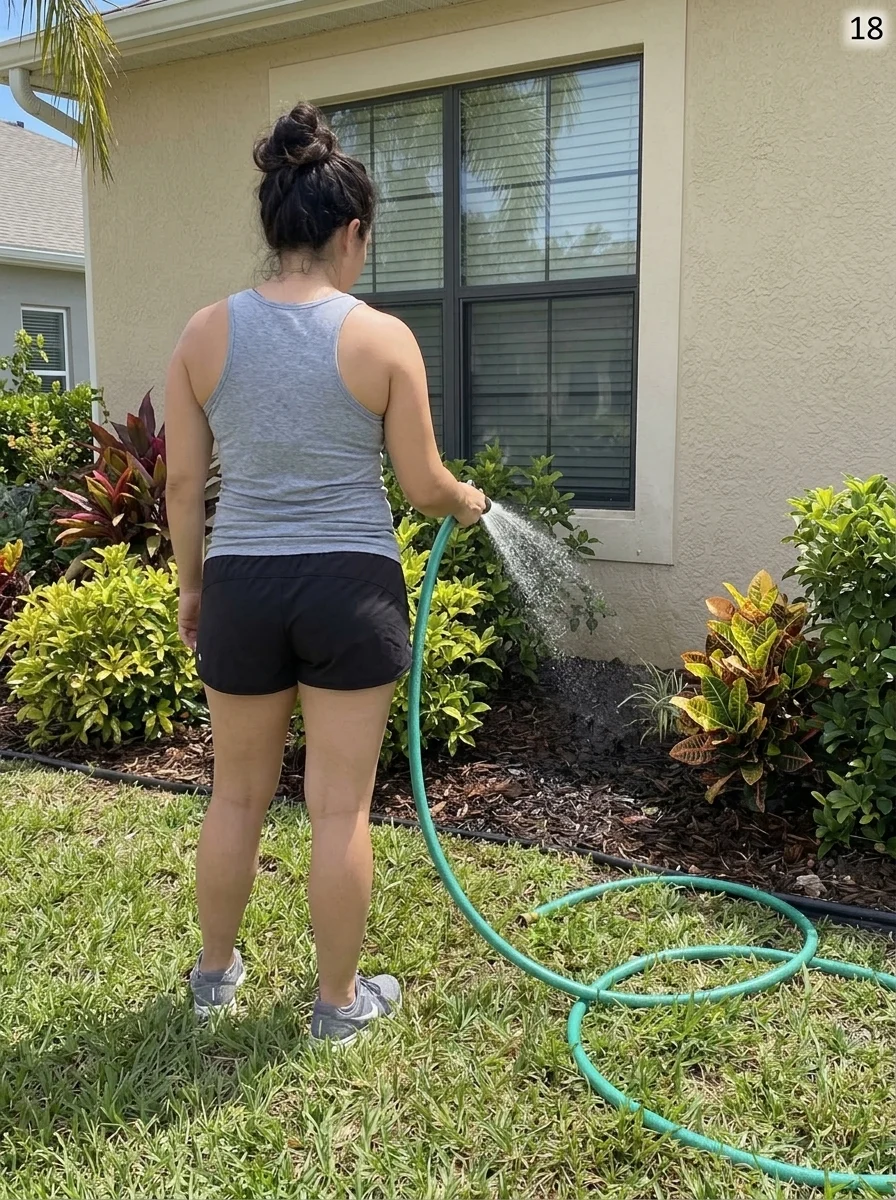
New plants need regular checks while they establish. Water based on the plant, soil, weather, and season. Water near the root area instead of spraying the whole yard.
Keep Maintenance Light
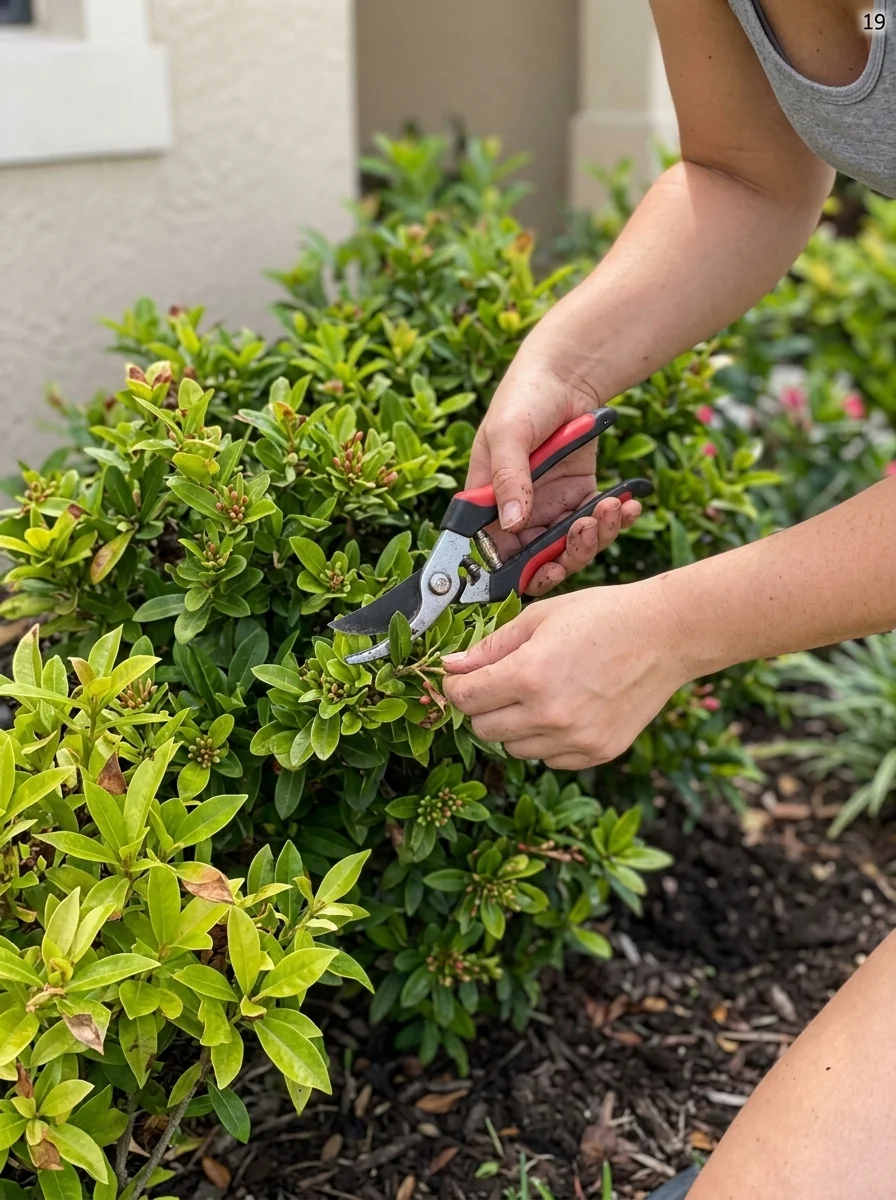
Low maintenance does not mean no maintenance. Expect light pruning, weed removal, mulch touch-ups, lawn edging, watering during dry periods, and occasional seasonal cleanup.
Check Curb Appeal From the Street
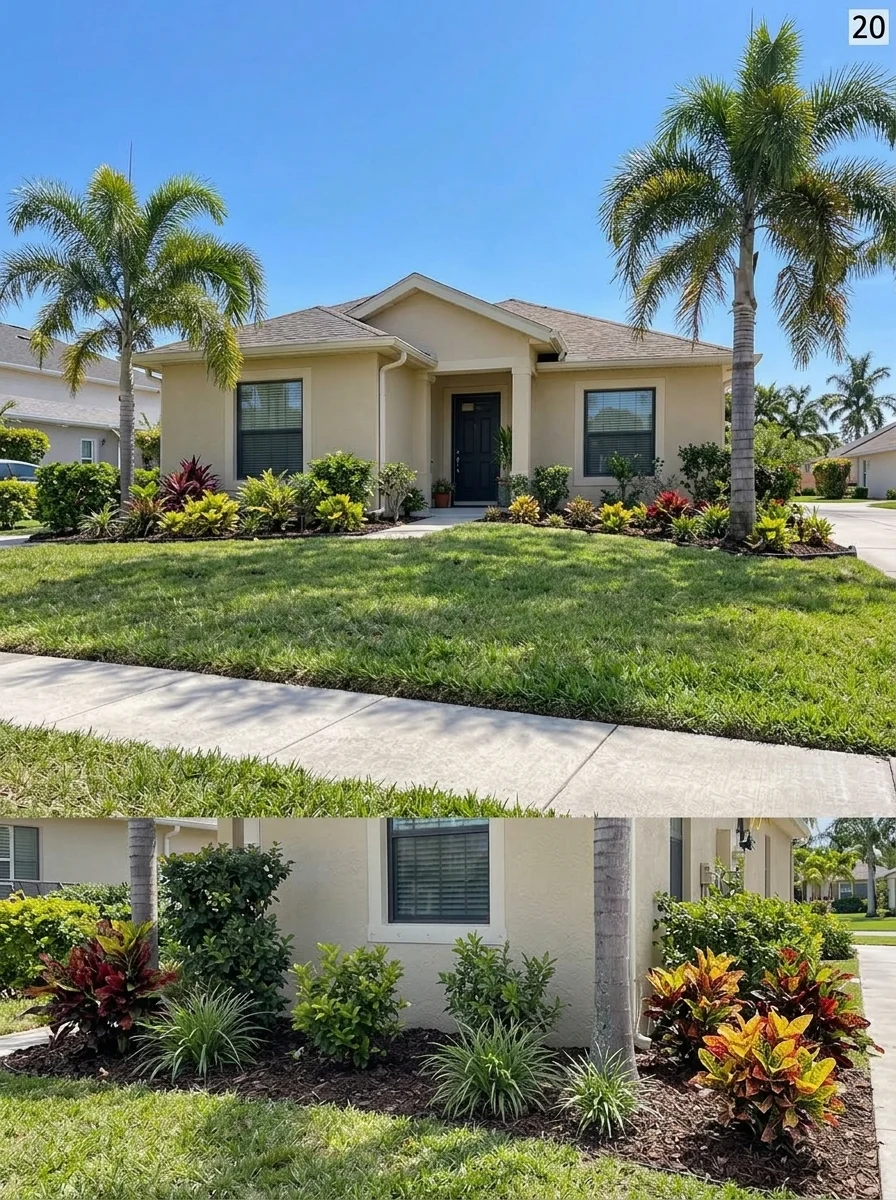
After the main work is complete, look at the yard from the street again. The house should still be the main feature. Check that the front door is visible, windows are not blocked, the lawn has open space, and the walkway is easy to see.
Final Low-Maintenance Front Yard
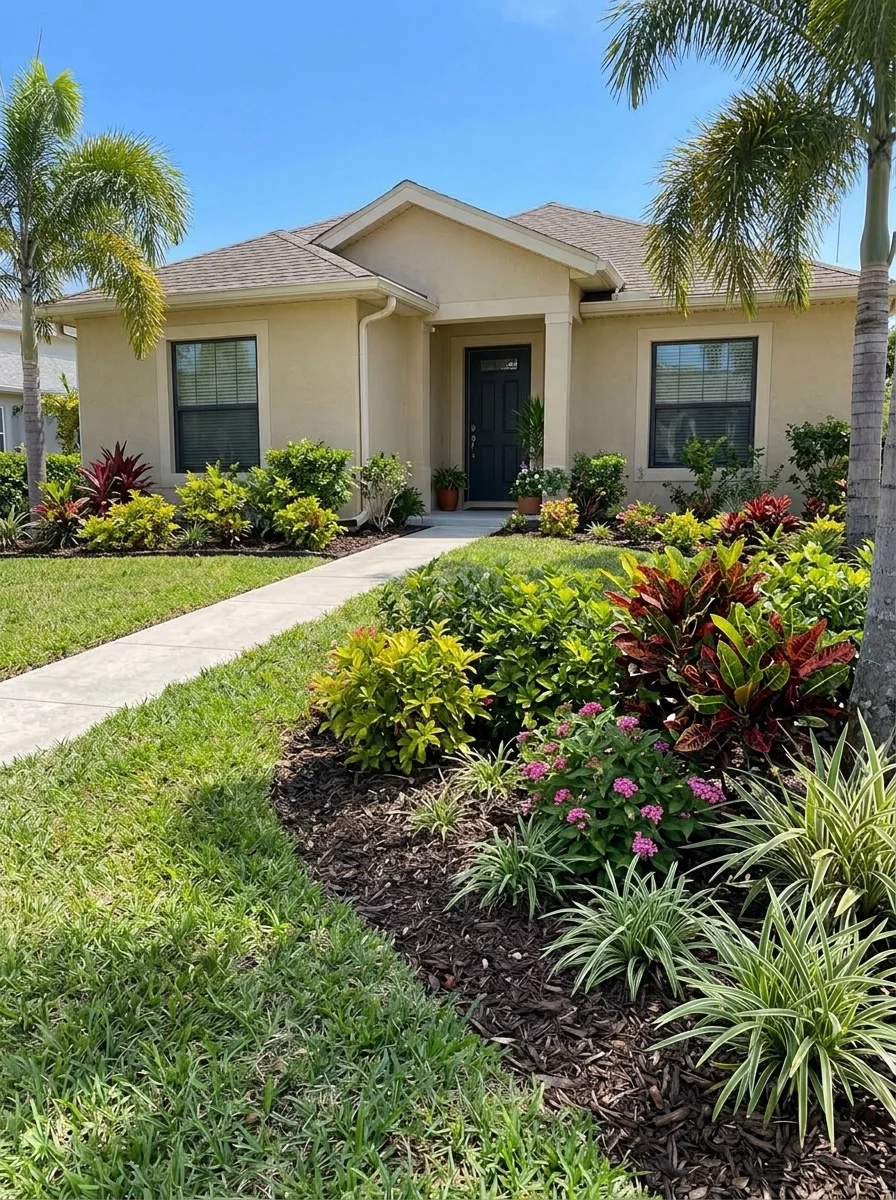
A practical front yard can look welcoming without becoming a full-time project. Use open lawn, compact foundation plants, clean mulch borders, a clear walkway, and a small amount of seasonal color. Choose plants for the space they will have when mature.
Common Front Yard Mistakes
Avoid planting too close to the house, blocking the front door, using too many plant types, choosing plants that become too large, or adding so much seasonal color that the yard becomes high maintenance.
Frequently Asked Questions
How can I make my front yard look better with low maintenance?
Start with a clear entry, compact foundation planting, simple mulch beds, and open lawn. Choose plants that fit the space when mature.
What plants work well near front windows?
Use compact plants that stay below the window line and suit the local sunlight and climate. Avoid shrubs that need constant pruning to remain small.
How do I add color without creating more work?
Use a small number of seasonal flowers in one or two areas. Keep most of the garden structure green and easy to maintain.
Final Thoughts
Front yard landscaping works best when the house, entry, and garden support each other. Start with the route to the front door, keep windows visible, use compact plants that fit the foundation area, and leave open lawn where it helps the yard breathe.