Flower bed border ideas can make a yard look cleaner without adding a lot of maintenance. A good border keeps mulch and soil in place, separates beds from lawn or paths, and gives planting areas a clear shape. The best choice depends on your yard style, budget, drainage, mowing needs, and how permanent you want the edge to be.
You do not need an expensive edging system to get a finished look. Some gardens work best with a simple natural cut edge, while others benefit from stone, metal, brick, gravel, or low plants. Start with the bed shape first, then choose a border that supports the way you actually use the yard.
Choose the Border Style Before the Material
Look at the house, paths, lawn, and existing beds. A straight metal edge can fit a modern yard, while soft curves and low stone can feel more natural. If the border touches a walking route, make sure it does not create a trip edge. If it meets lawn, keep mowing access in mind. Our garden pathway ideas can help you coordinate borders with nearby walkways.
30 Flower Bed Border Ideas
1. Tiered Stone Border
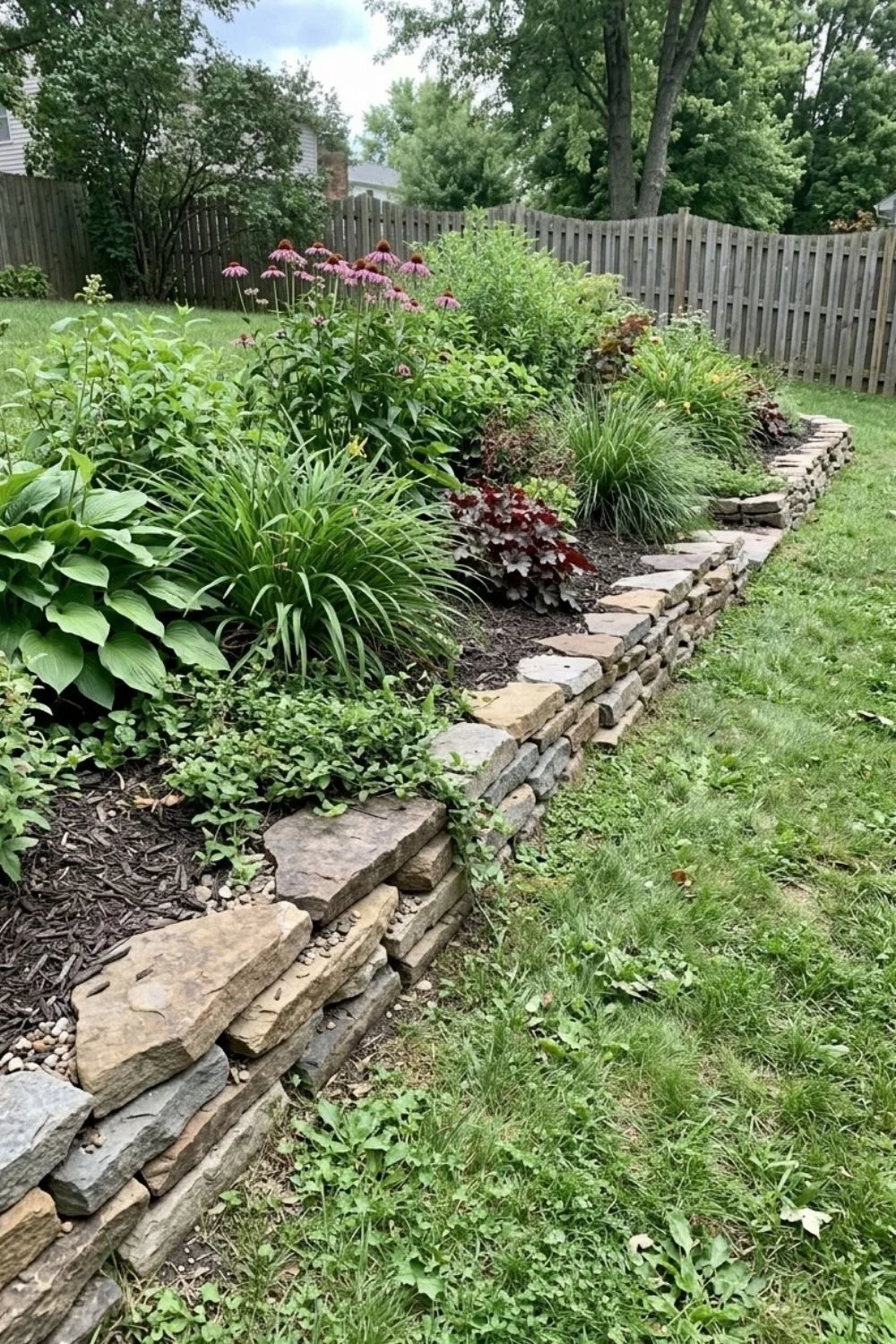
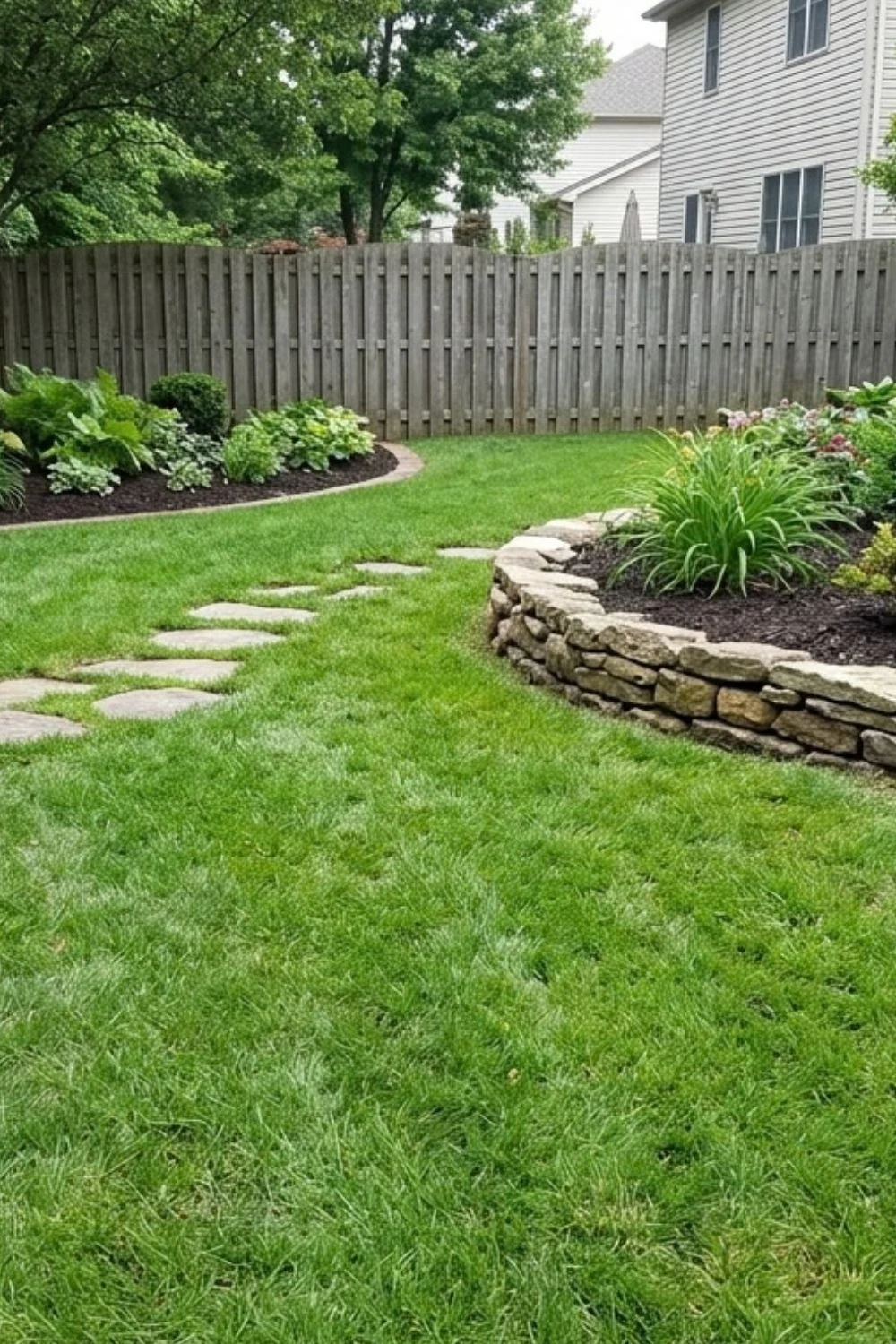
Use low stacked stone to define a flower bed that changes elevation. A tiered edge works especially well where the yard slopes slightly or where you want to separate taller back planting from lower front flowers. Keep each tier low enough that it does not become a retaining-wall project unless it is properly engineered.
2. Rustic Wagon-Wheel Divider
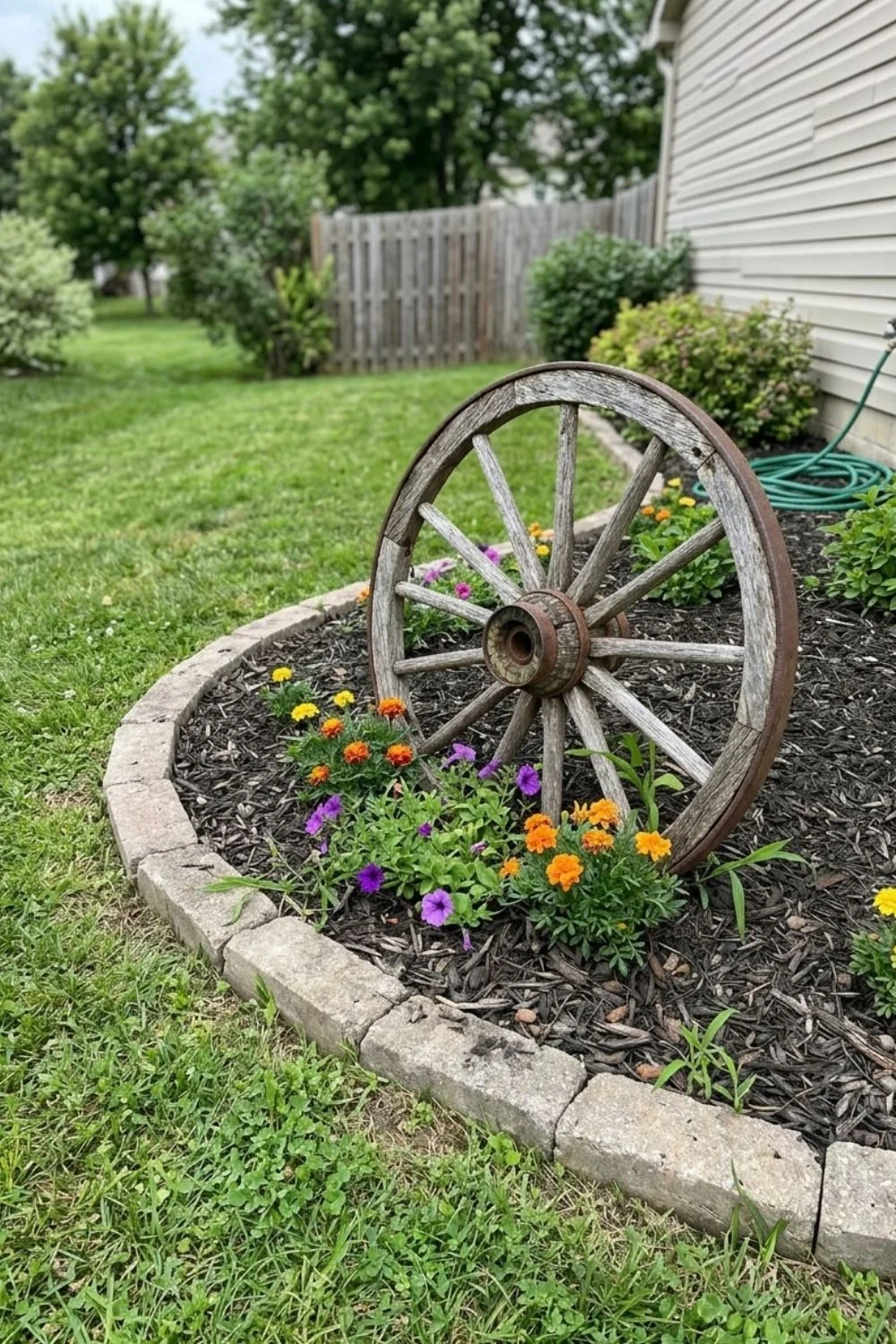
An old wagon wheel can divide a small themed flower bed into sections while also acting as a visual edge. Use it as an accent rather than the entire border. Fill the spaces around it with mulch, low annuals, or herbs so the feature feels integrated instead of dropped into the yard.
3. Modern Concrete or Corten Edge
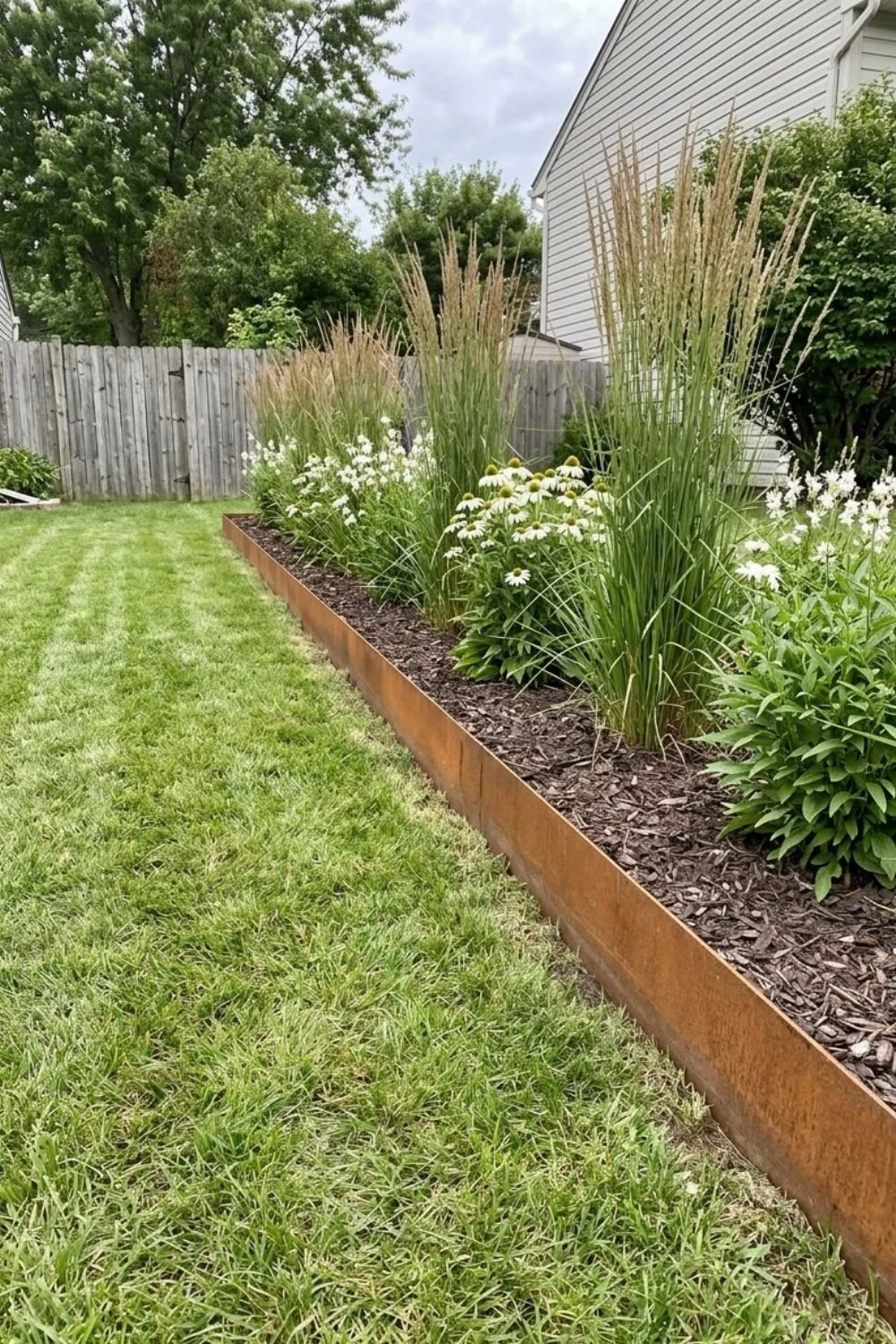
Clean straight lines made from low concrete, steel, or corten edging suit modern homes. Keep the top nearly flush with the surrounding grade where possible. This makes mowing easier and reduces the chance of catching shoes or garden tools on a raised edge.
4. Cottage-Style Soft Plant Edge
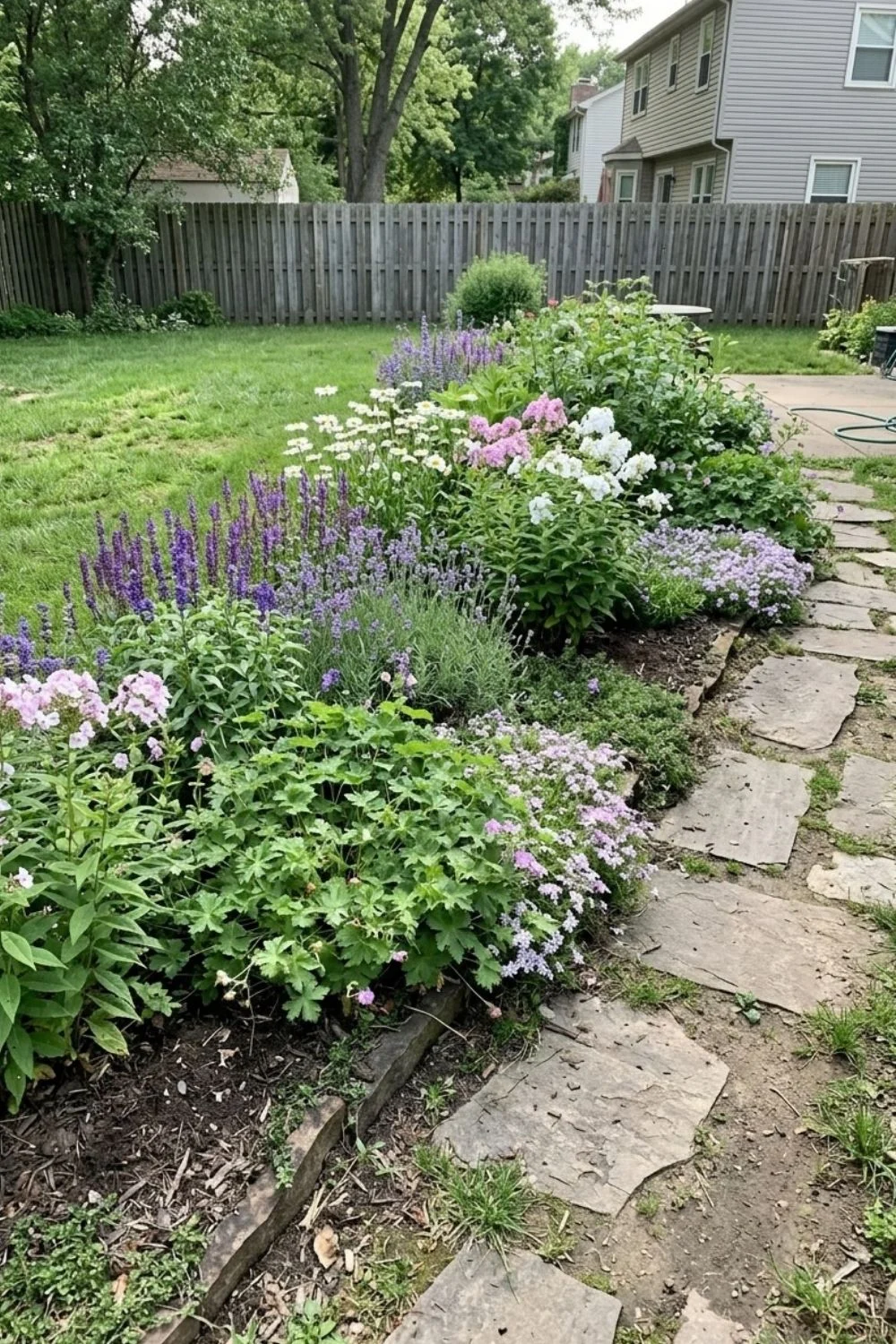
A cottage border can look relaxed without becoming messy. Let low plants such as alyssum, hardy geraniums, or compact herbs soften the front line while a hidden physical edge keeps grass from creeping into the bed. The plants create softness; the hidden edge keeps the structure practical.
5. Circular Brick Border
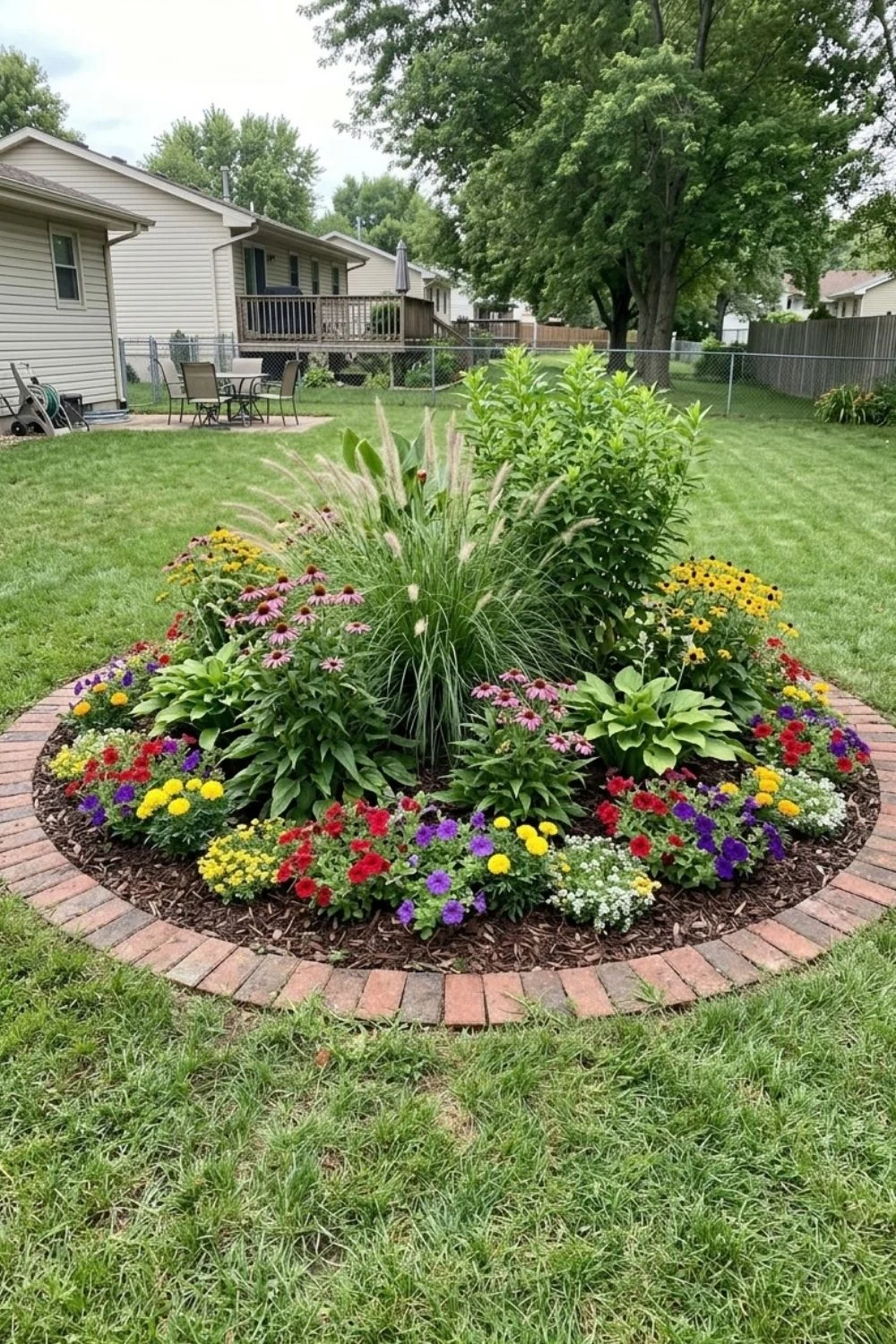
Brick works well around round or oval beds because individual pieces can follow a curve. Set the bricks on a stable base so they do not tip or sink unevenly. A low, nearly flush brick edge can also create a useful mowing strip around an island bed.
6. Raised Wood Bed Border
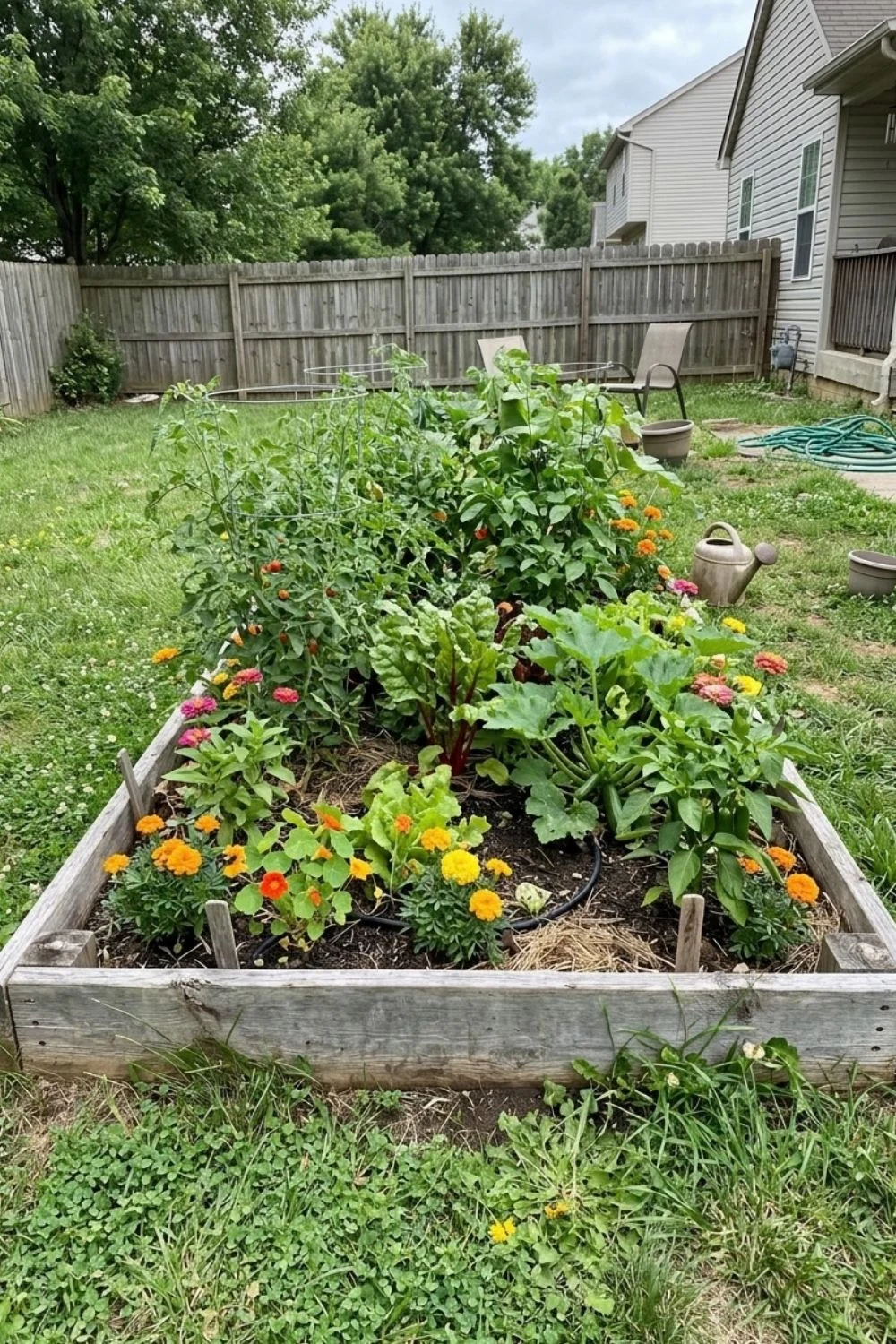
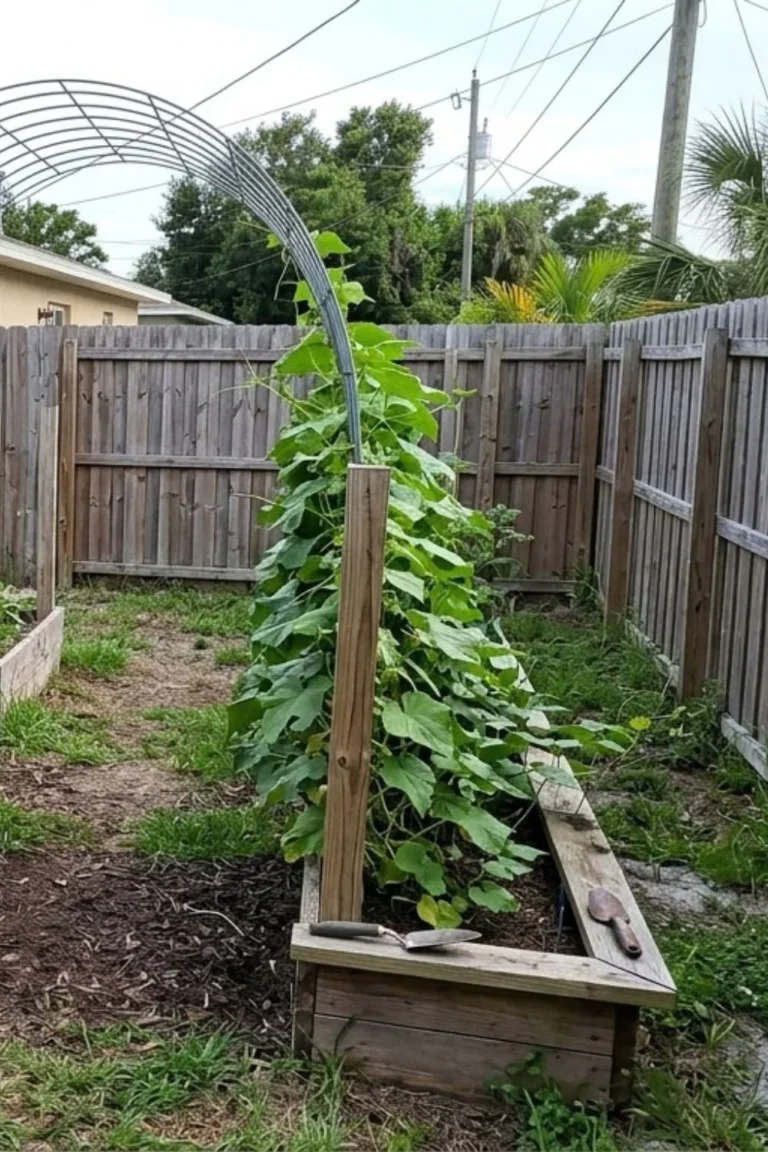
Simple wood boards can create a crisp edge for a mixed vegetable-and-flower bed. Use rot-resistant or properly treated outdoor wood that is appropriate for the location. Keep the height modest unless you need a true raised bed. For layout help, see our raised garden bed ideas.
7. Zen Gravel Border
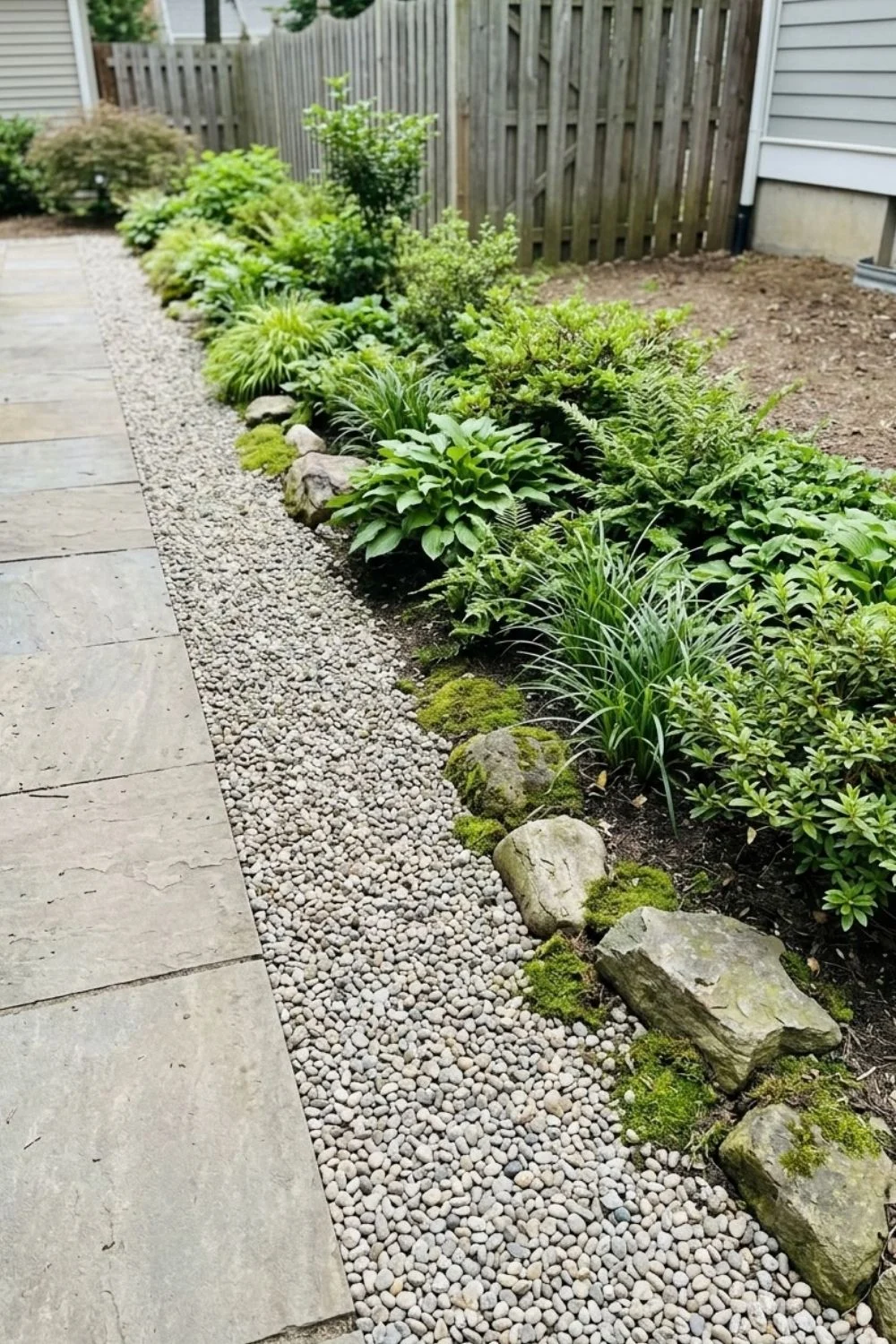
A narrow strip of gravel around a calm, foliage-focused bed can create visual separation and reduce mud splash. Use edging under or beside the gravel so stones do not migrate into lawn. Choose a stone size that is comfortable near paths and easy to rake back into place.
8. Woodland Log and Stone Edge
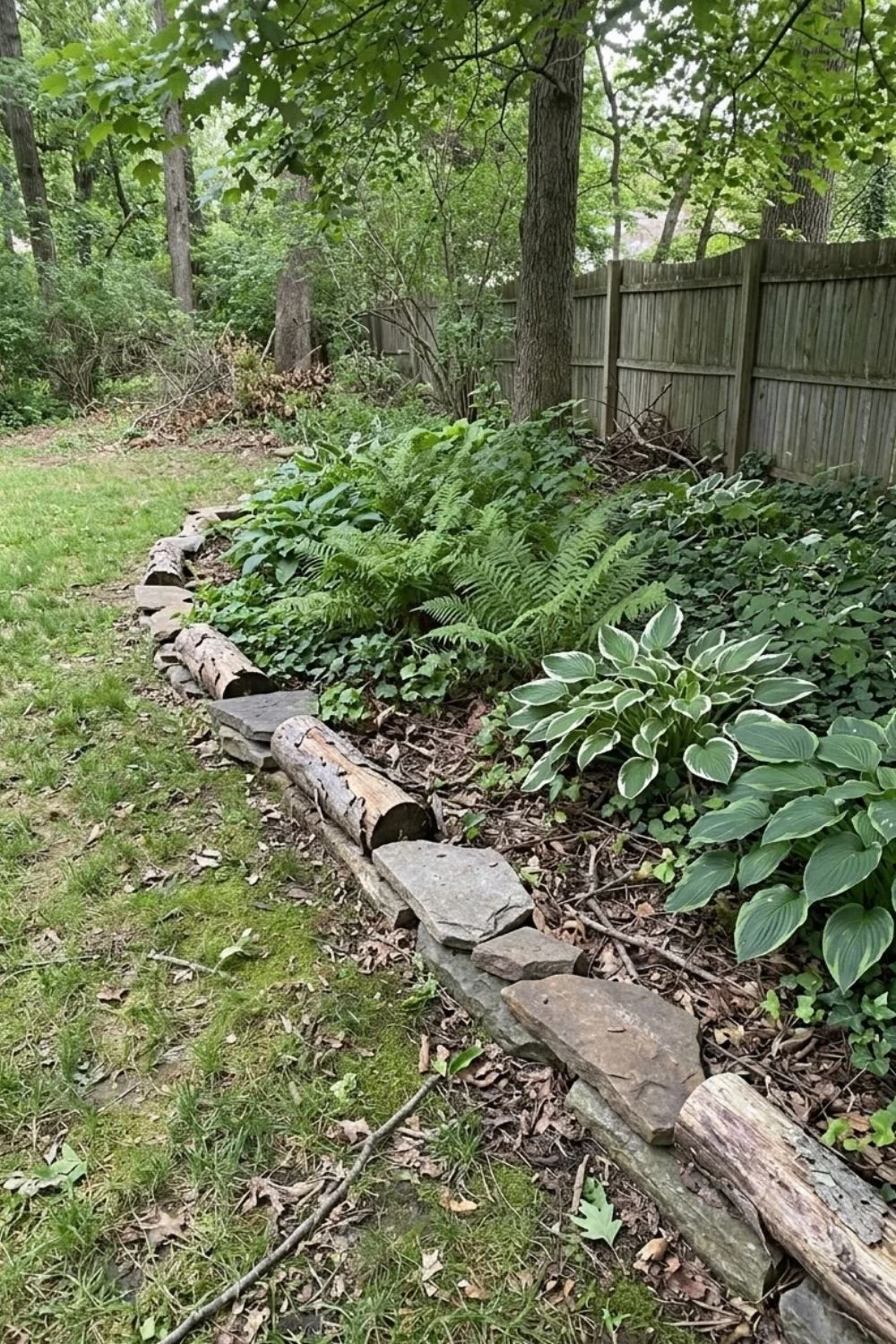
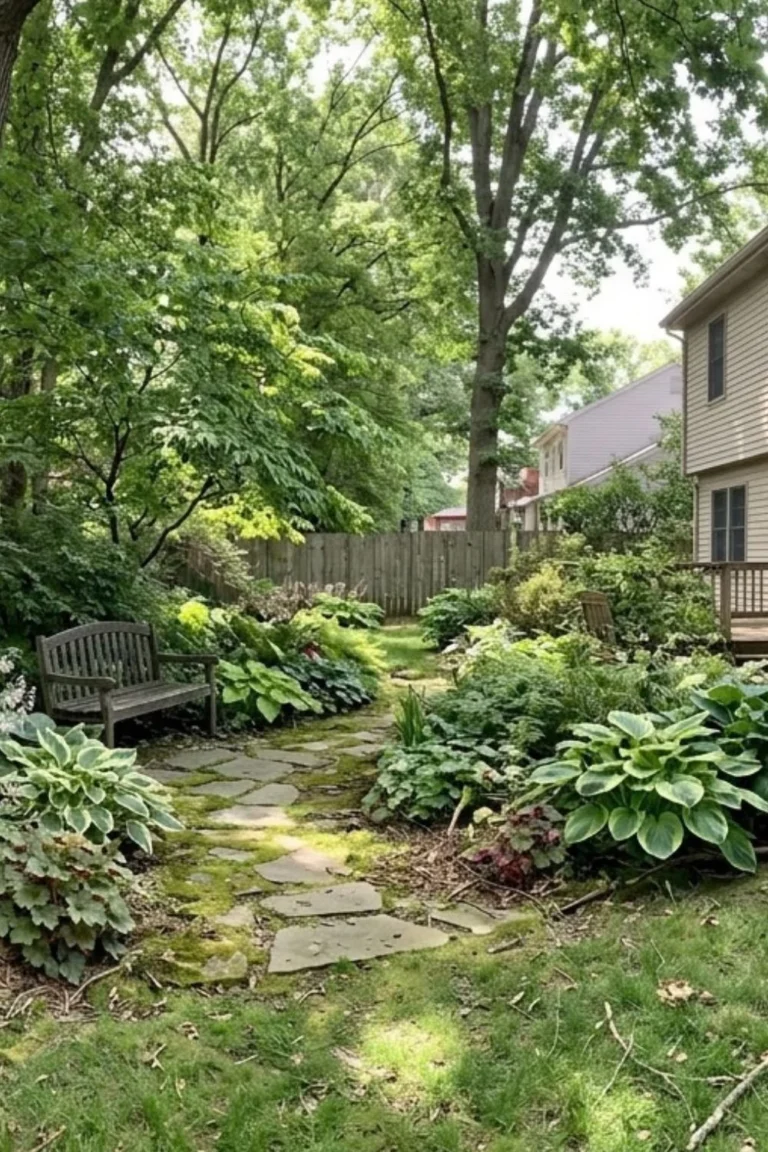
In a shaded or woodland-style garden, short logs, flat stones, or a simple cut edge can look more natural than formal metal edging. Use sound wood that is not crumbling into the path. Keep the line irregular but intentional so the bed still feels maintained.
9. Tropical Bold-Foliage Edge
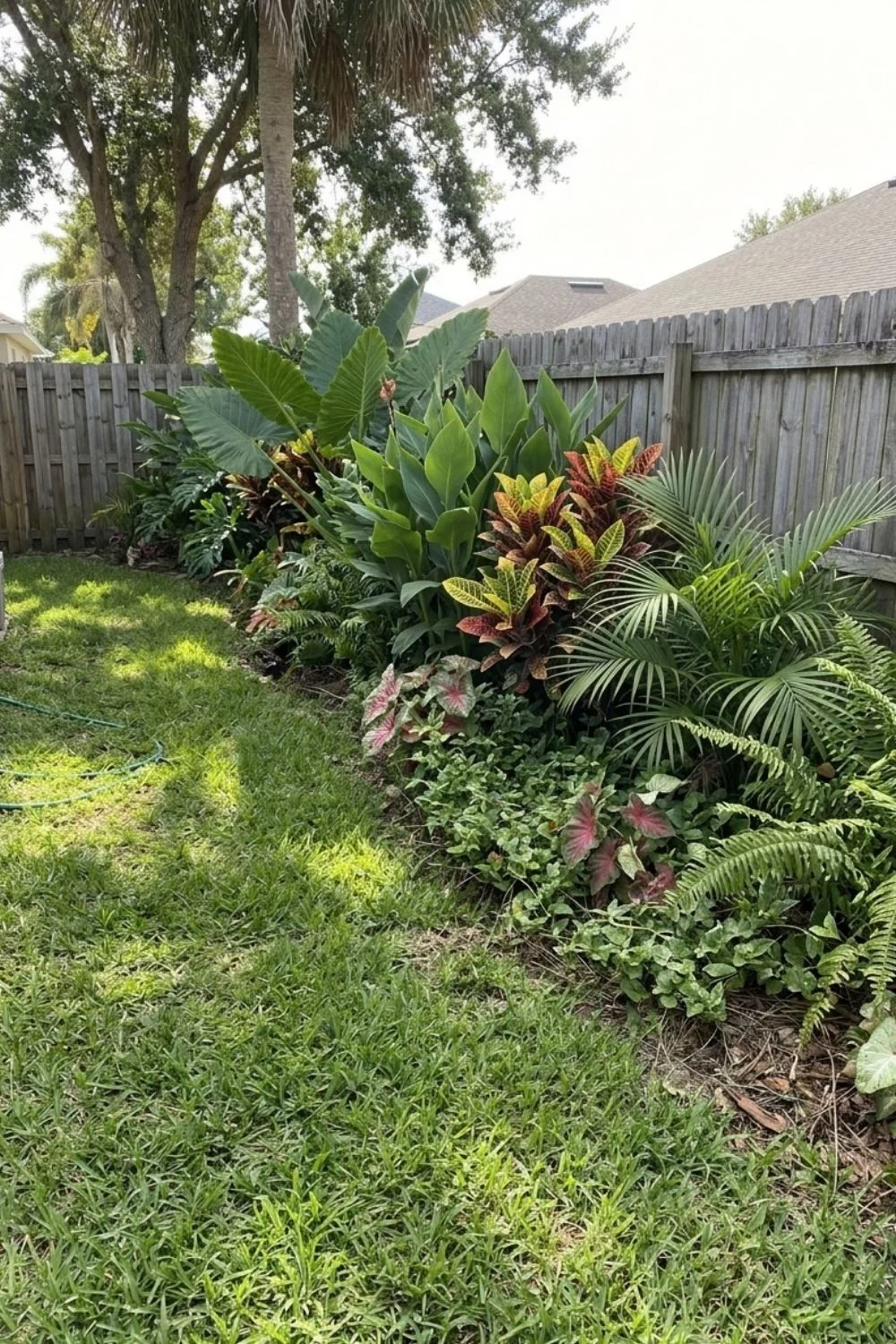
Large-leaf tropical plants can create a living border when planted behind a simple hidden edge. Keep the actual lawn barrier low and let foliage provide the visual impact. Choose plants that fit your climate or plan to treat tender plants as seasonal accents.
10. Mediterranean Gravel and Terracotta Border
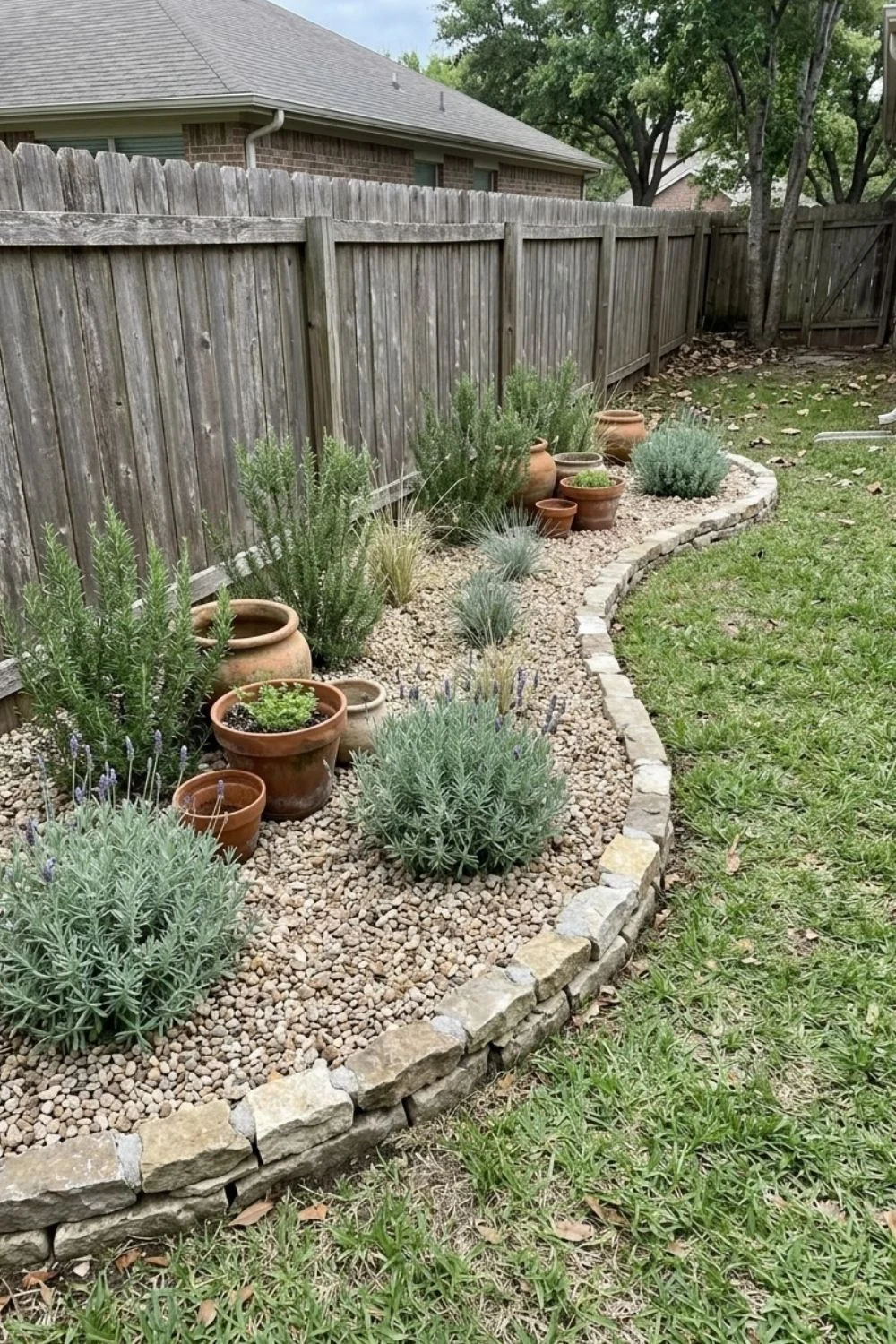
A dry, sunny bed can use pea gravel, small stone, and terracotta pots to create a warm Mediterranean feel. Use a firm edge to contain the gravel and group drought-tolerant plants inside the bed. This style can reduce exposed soil but still needs weed control and occasional gravel cleanup.
Natural Edges and Living Borders
11. Pollinator-Friendly Flower Edge
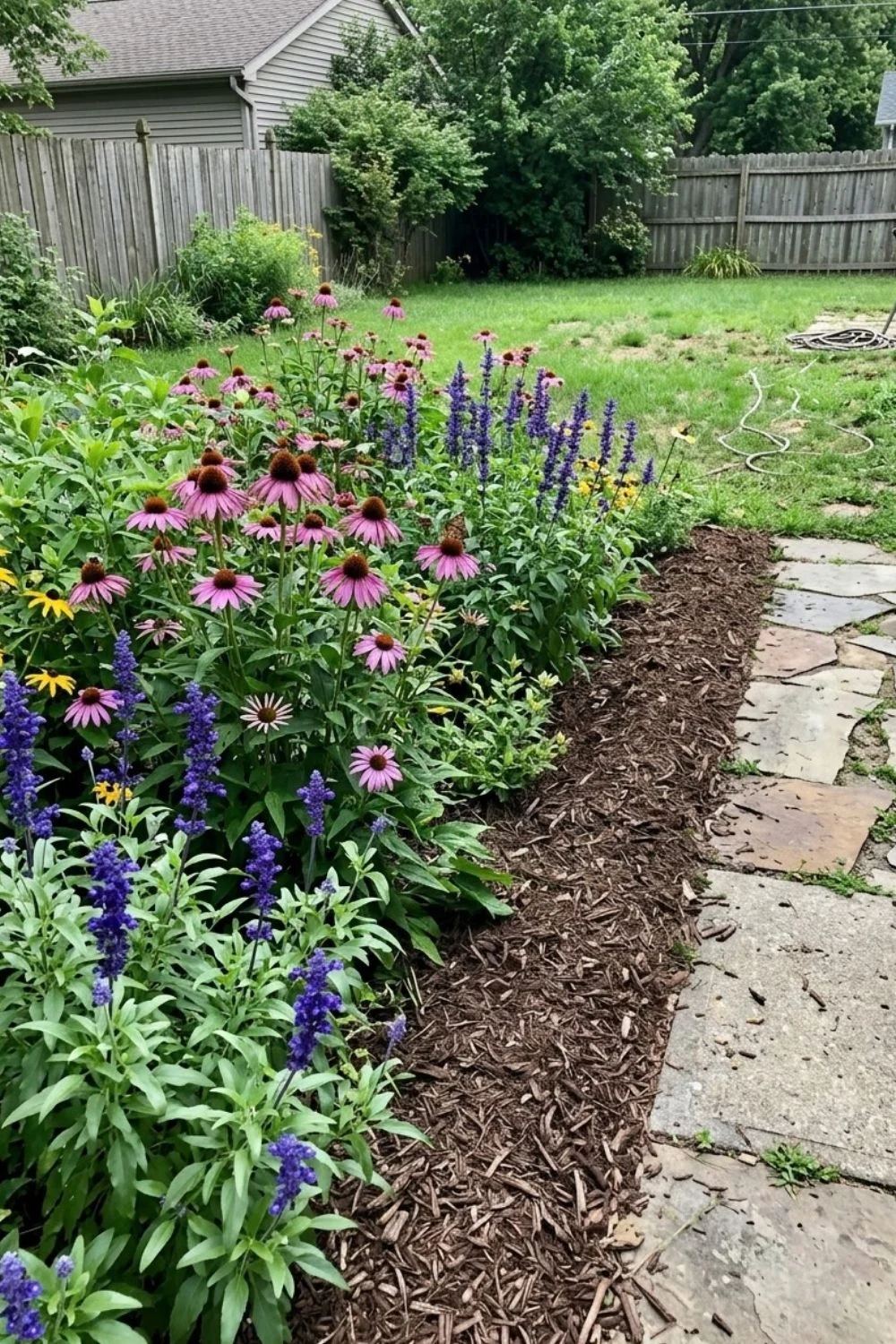
Use low nectar plants at the front of a larger pollinator bed, but keep the edge clear enough that flowers do not flop across a walkway. A narrow mulch strip can provide separation while still allowing a loose, natural planting style.
12. Formal Boxwood Border
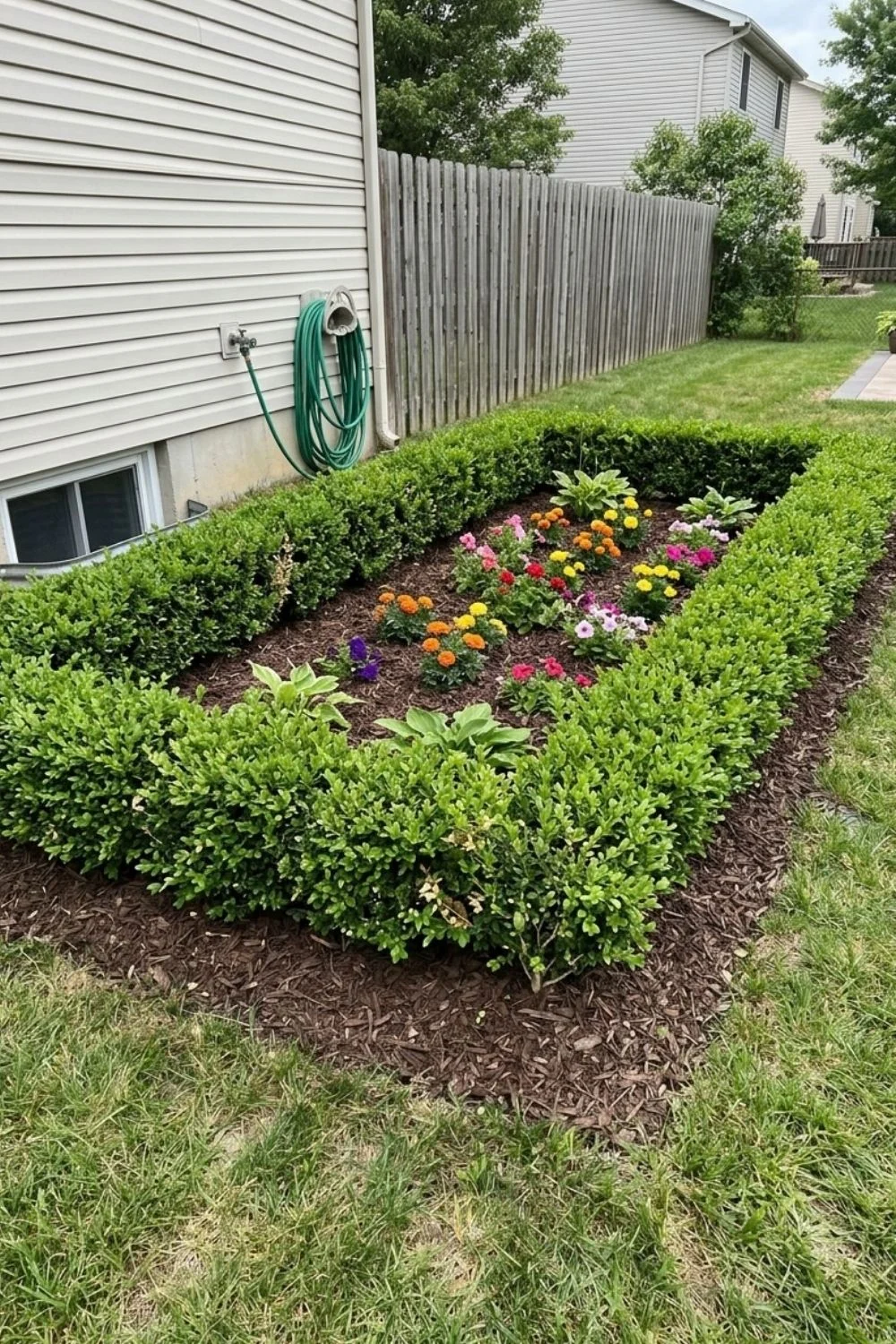
Low clipped shrubs can create a formal living edge, but they require more pruning than hard edging. Use them only where regular maintenance fits your plan. Leave enough width behind the shrubs for flowers to grow without crowding the hedge.
13. Coastal Stone Border
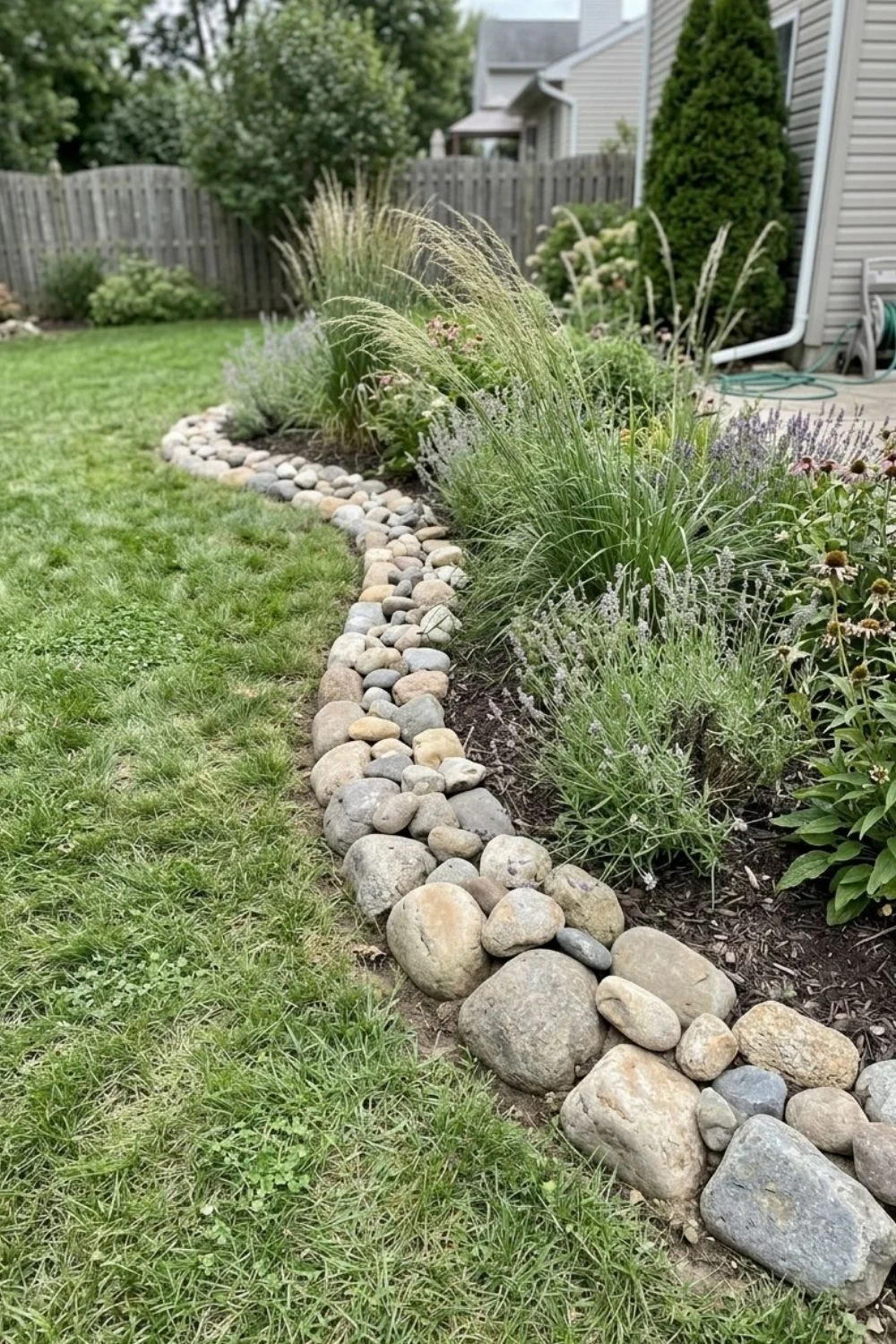
Rounded stone, gravel, and wind-tolerant plants work well in a coastal-style bed. Use larger stones as accents and smaller material as the actual edge. Avoid creating a loose stone strip where wheels, feet, or mower blades can scatter material.
14. Rock Garden Border
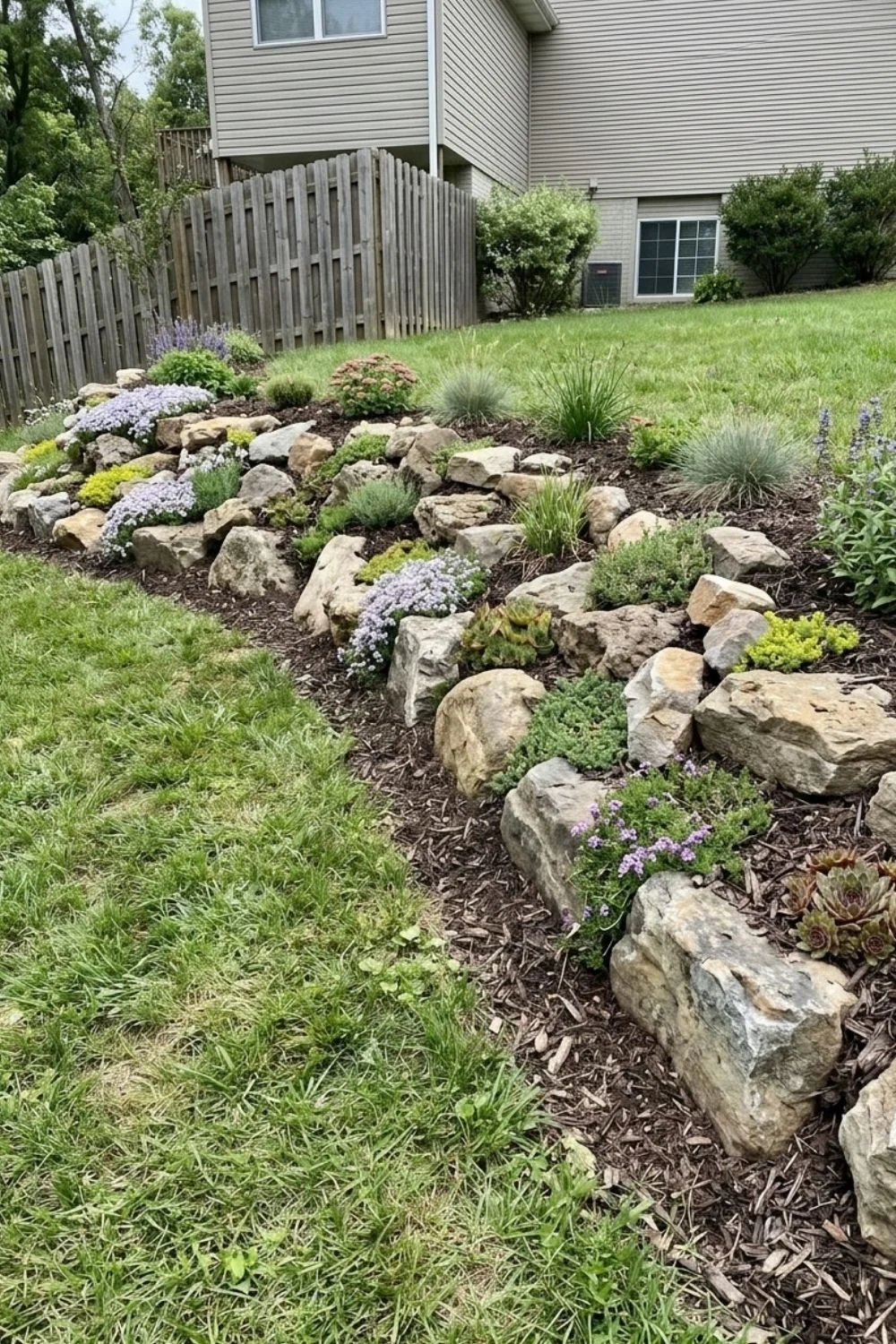
A line of varied rocks can define an alpine or drought-tolerant bed and help stabilize a slight grade. Bury part of each rock so the edge looks settled and natural. Leave drainage gaps where needed instead of building a solid barrier that traps water.
15. Vertical Planter Border
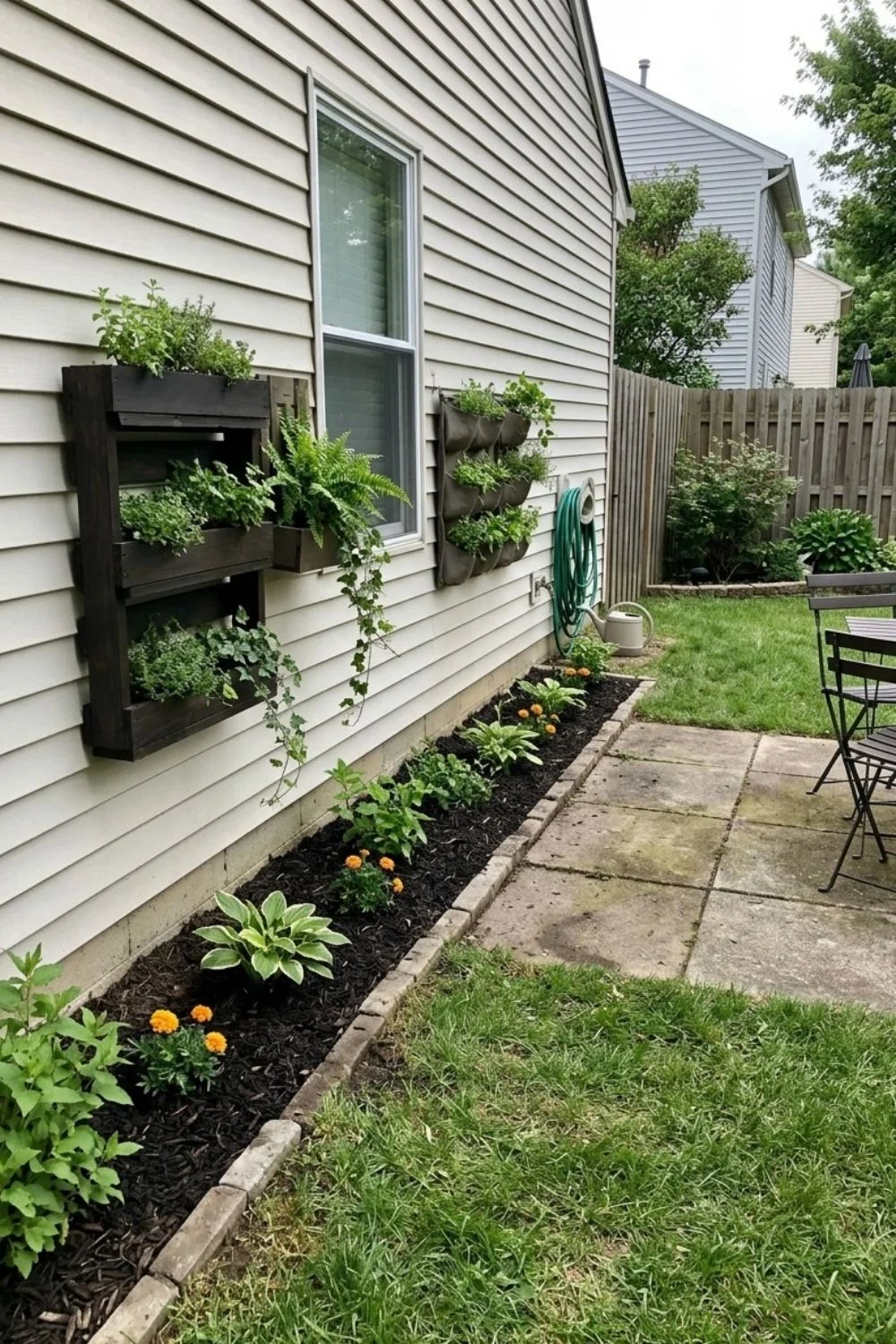
Where ground space is tight, a narrow flower bed can be paired with a wall planter or vertical structure. Keep the ground edge simple and let the vertical planting provide height. This works well beside patios and small side yards where a wide bed would block movement.
16. Succulent Gravel Edge
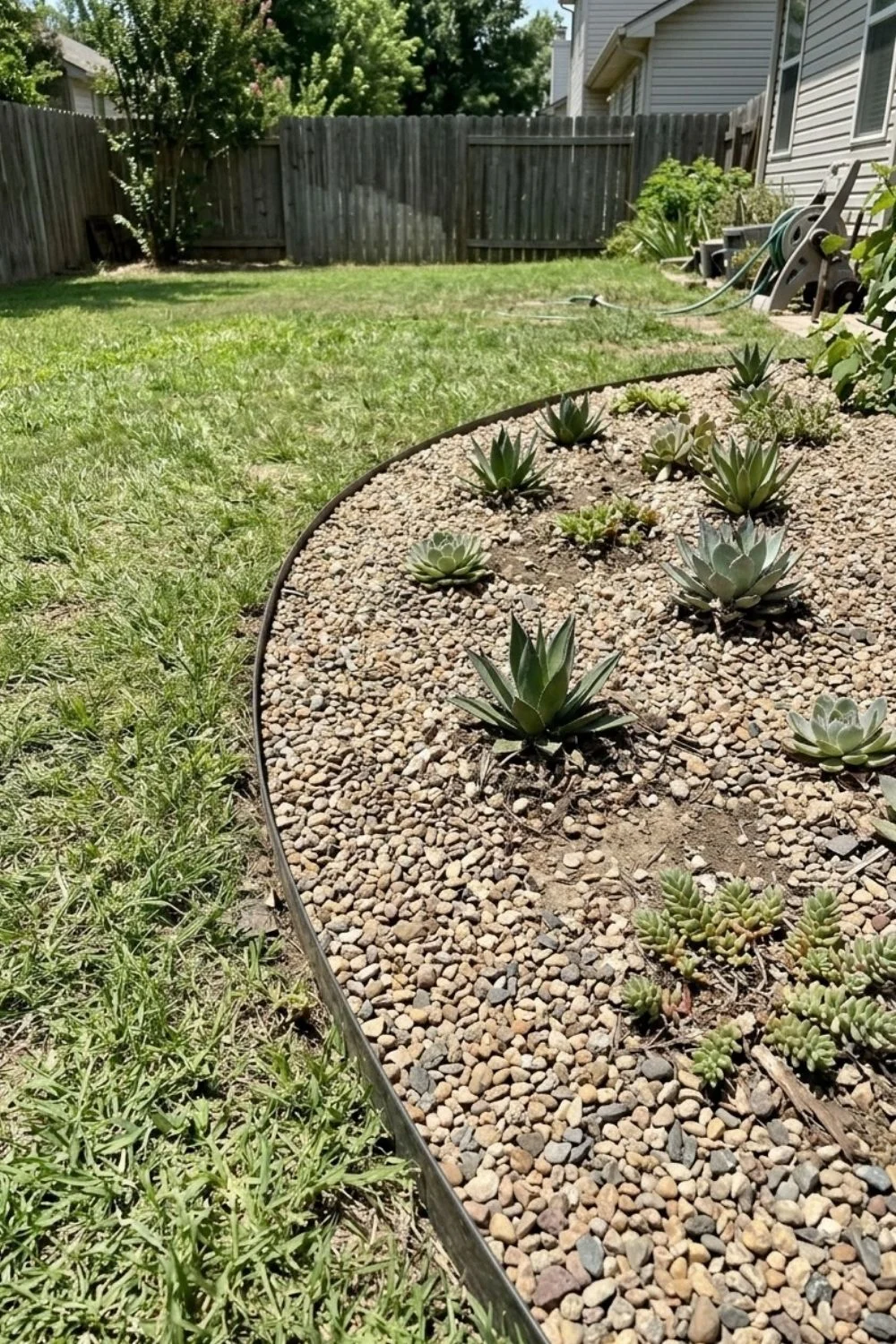
In a hot, dry location, low succulents and decorative gravel can form a crisp, low-water border. Use a hidden metal or plastic edge under the gravel so the stones stay contained. Check local winter conditions before relying on tender succulents outdoors year-round.
17. Wildflower Soft Edge
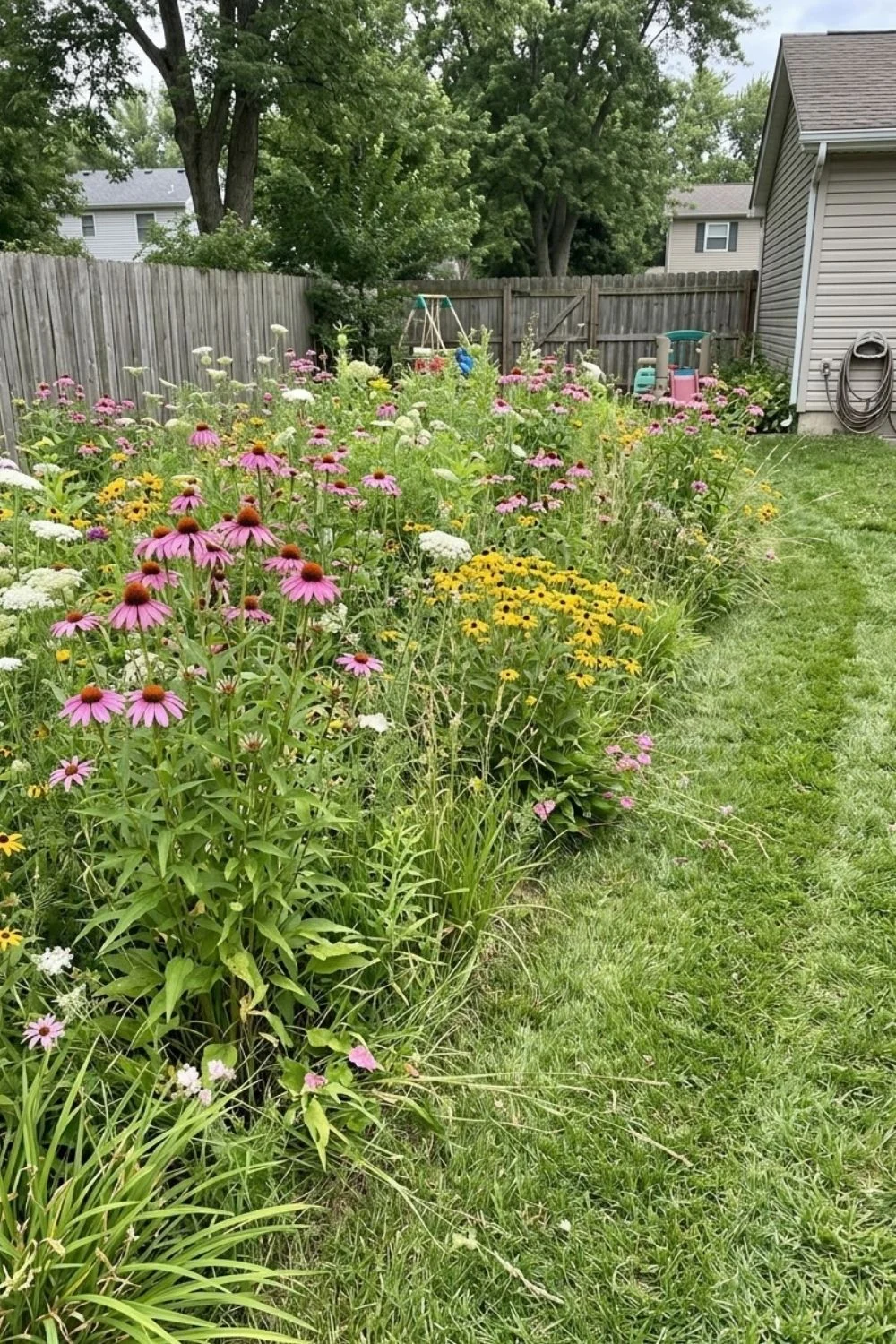
A wildflower bed can still have a controlled boundary. Mow a narrow strip around the bed or install a low hidden edge, then let flowers soften the inside line. This keeps the planting natural while making it clear that the area is intentional.
18. Monochromatic Border Planting
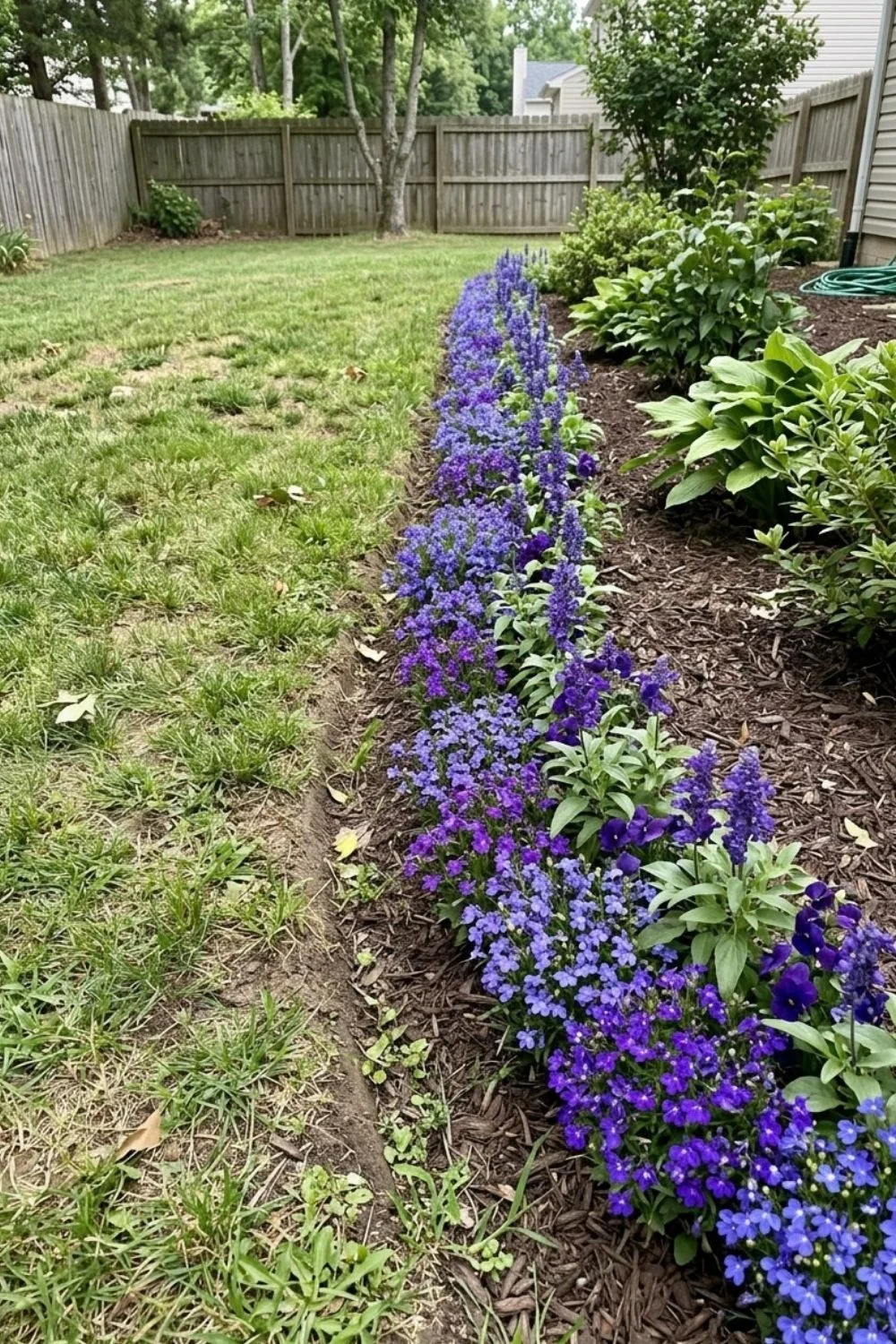
Repeating one flower color along the front edge can make a bed look organized even when the interior planting is mixed. White, blue, or purple borders often read clearly from a distance. Pair the planting with a simple physical edge so the color remains the main visual feature.
19. Symmetrical Entry Border
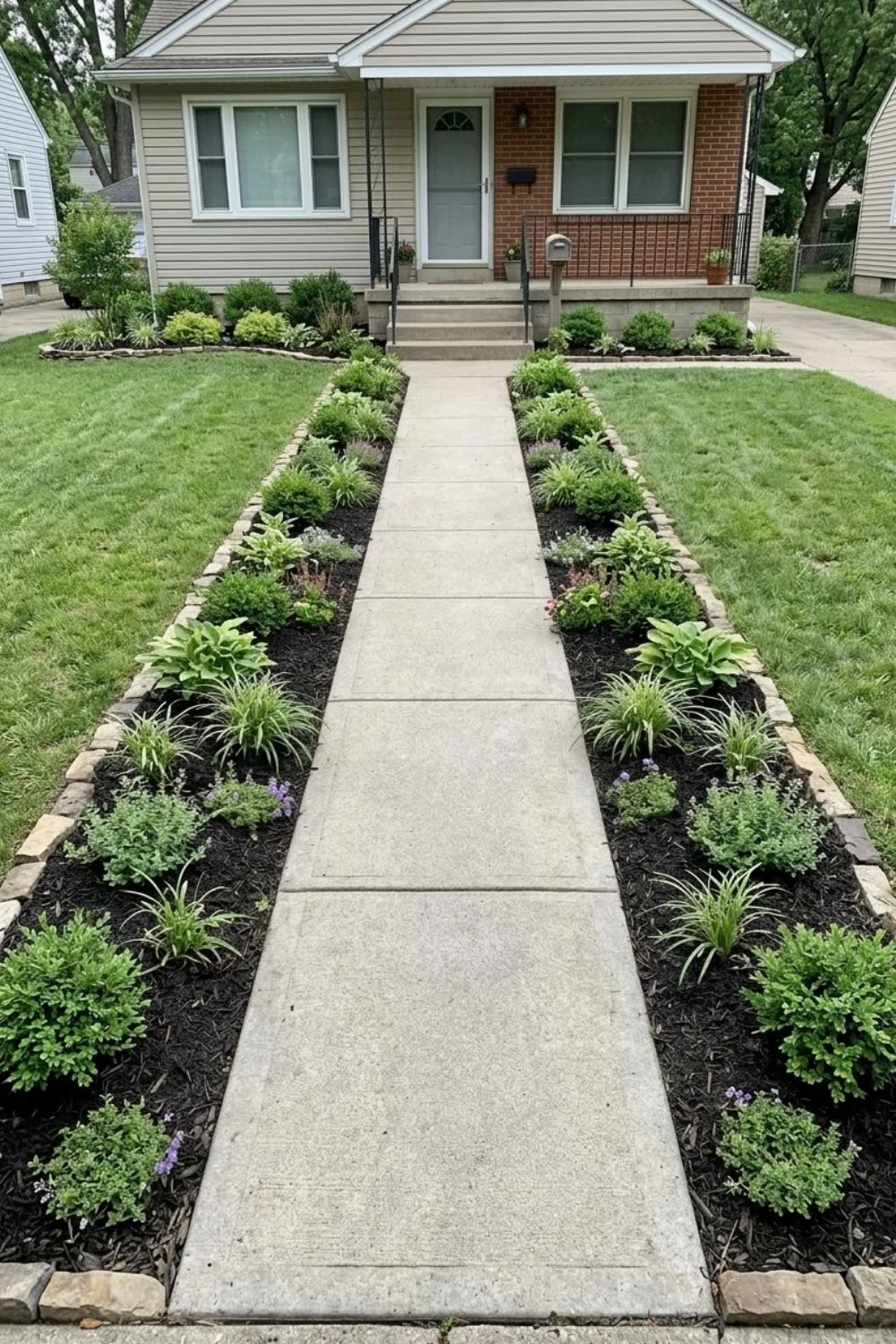
Mirror the bed edge on both sides of an entry walk for a more formal look. Keep the border low near steps and sightlines. If your front yard is the main focus, our front yard garden ideas show how clean bed shapes can support curb appeal without heavy maintenance.
20. Border With Integrated Seating
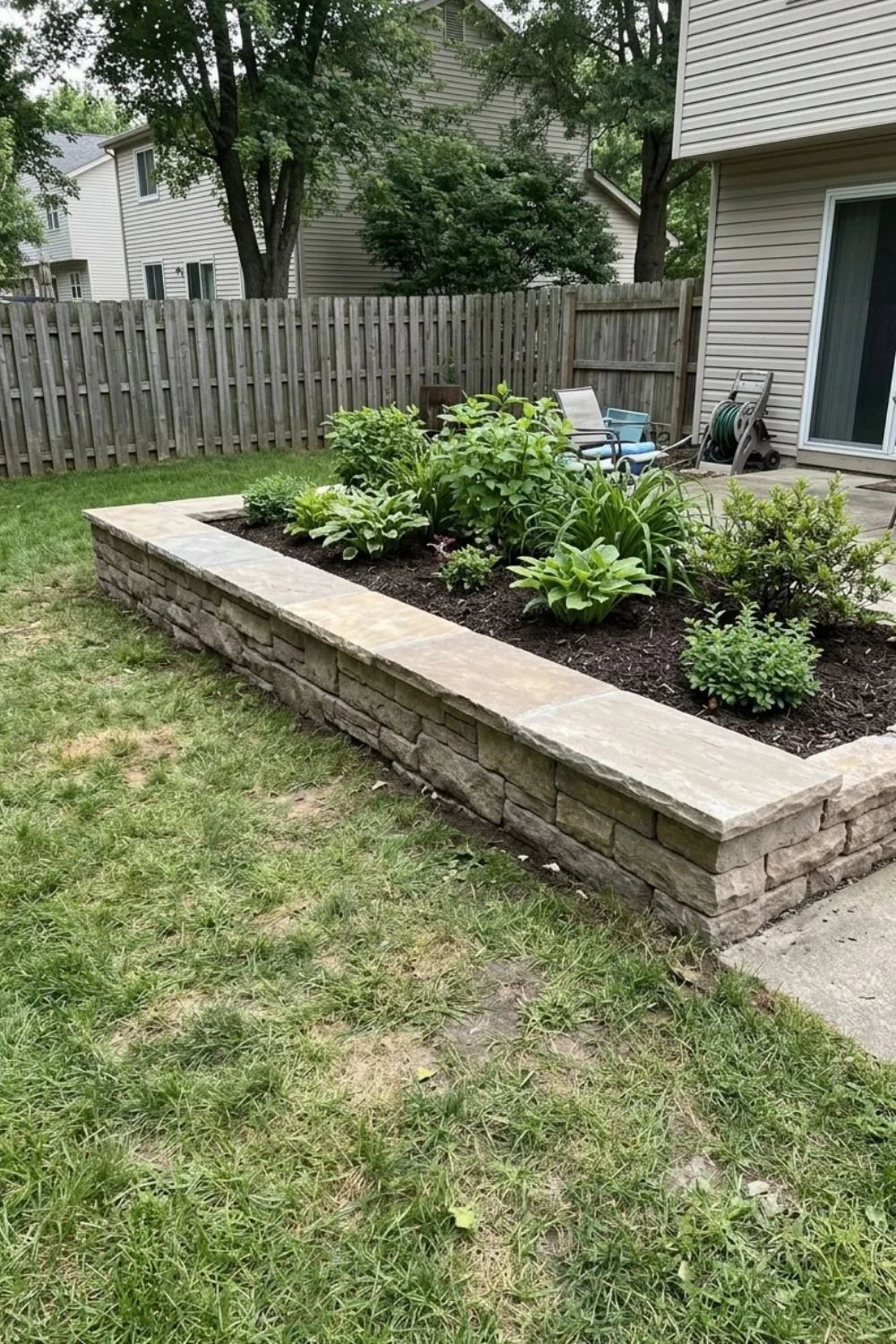
A low seat wall can double as the edge of a raised flower bed. This works best where the wall is properly built and placed away from narrow paths. Keep plants behind the seating surface so stems and thorns do not spill into the sitting area.
Low-Cost and Low-Upkeep Border Ideas
21. Terraced Slope Border
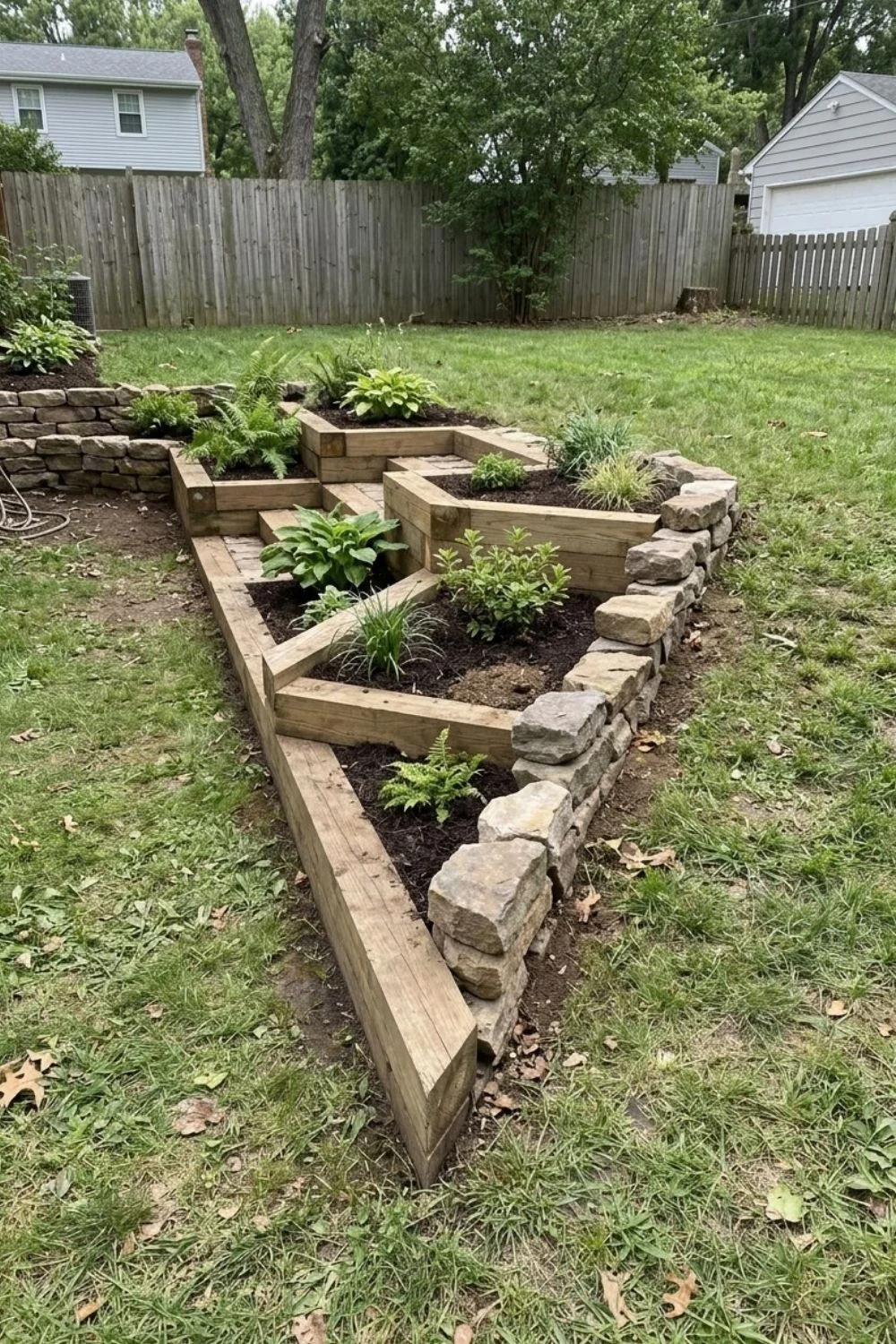
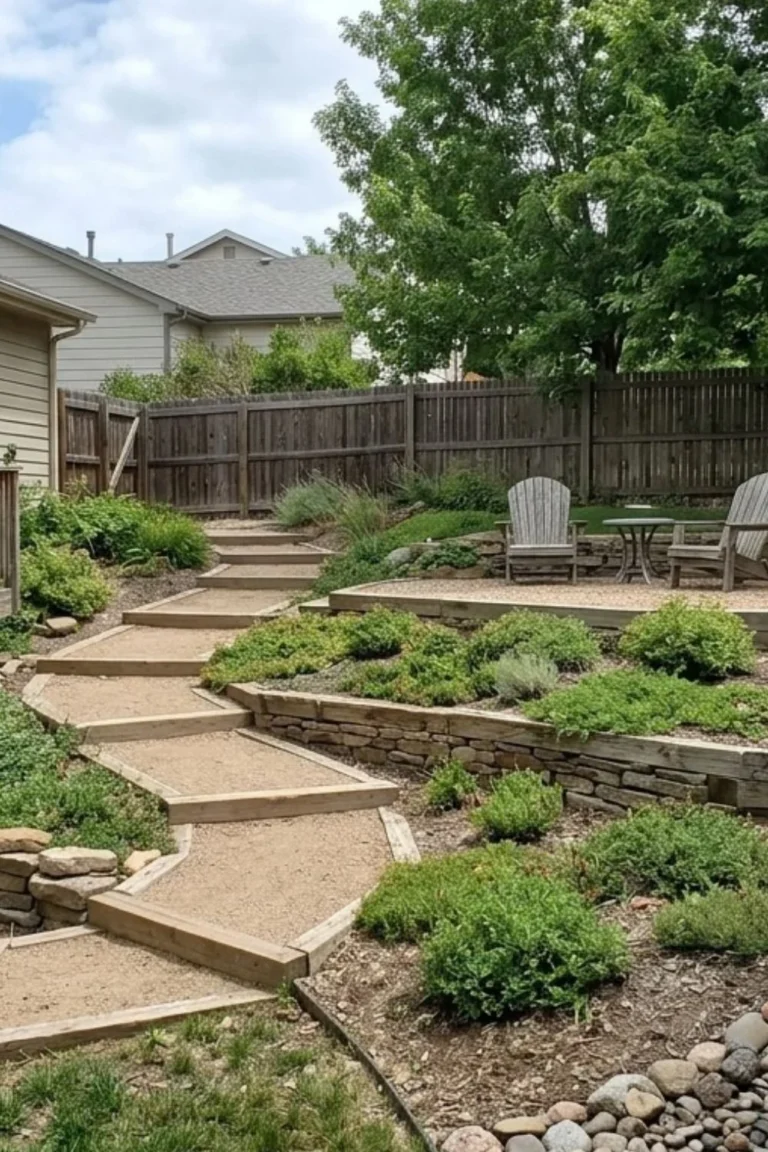
On a slope, low timber or stone edging can create small level planting zones. Do not use decorative edging as a substitute for a real retaining wall where soil pressure is significant. For gentle grades, however, a stepped border can reduce washout and make planting easier.
22. Island Bed Mowing Edge
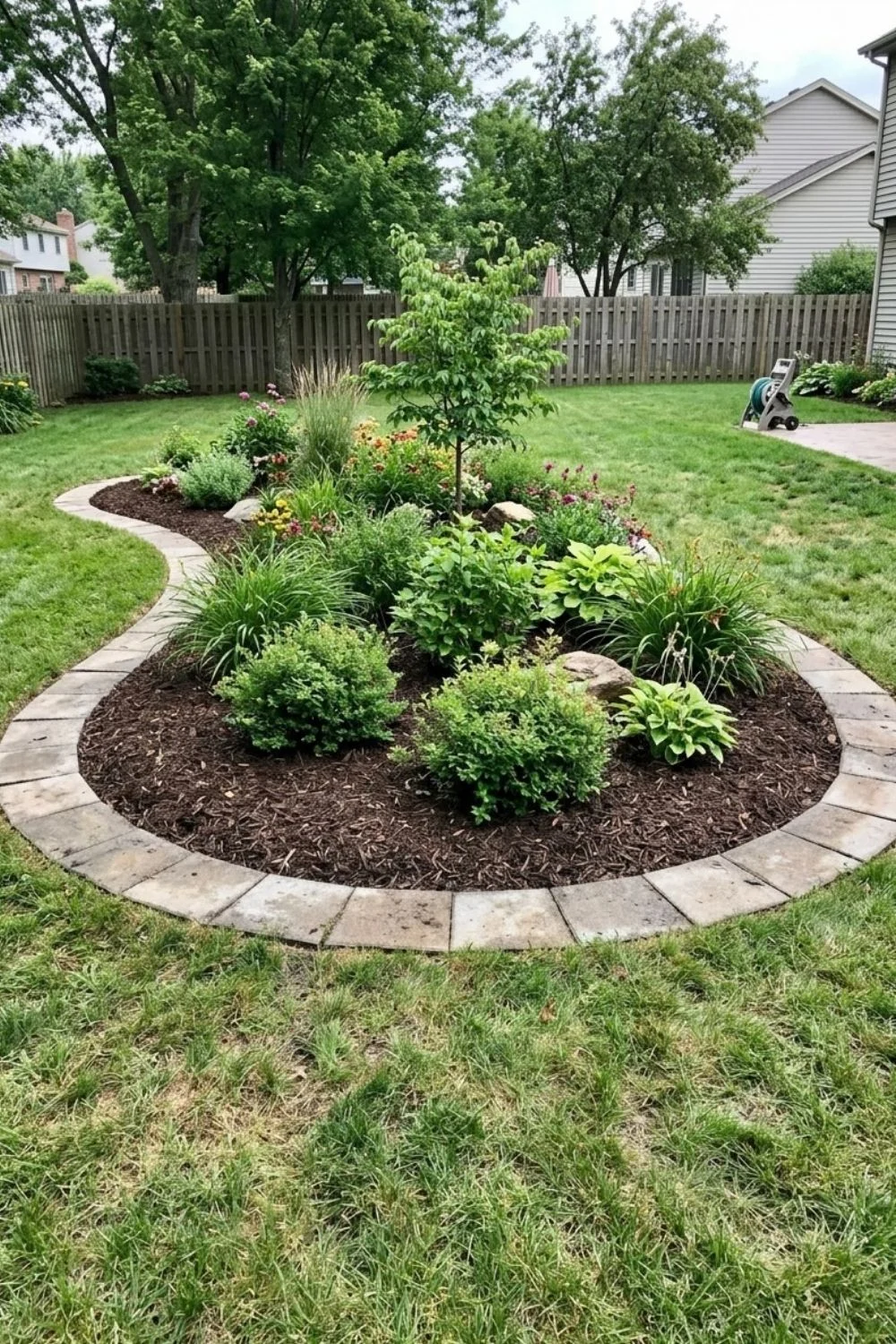
A flush brick, paver, or metal edge around an island bed can make mowing simpler. Keep curves broad enough for the mower to follow without repeated backing up. The easier the edge is to maintain, the more likely the bed will stay neat through the season.
23. Herb Spiral Border
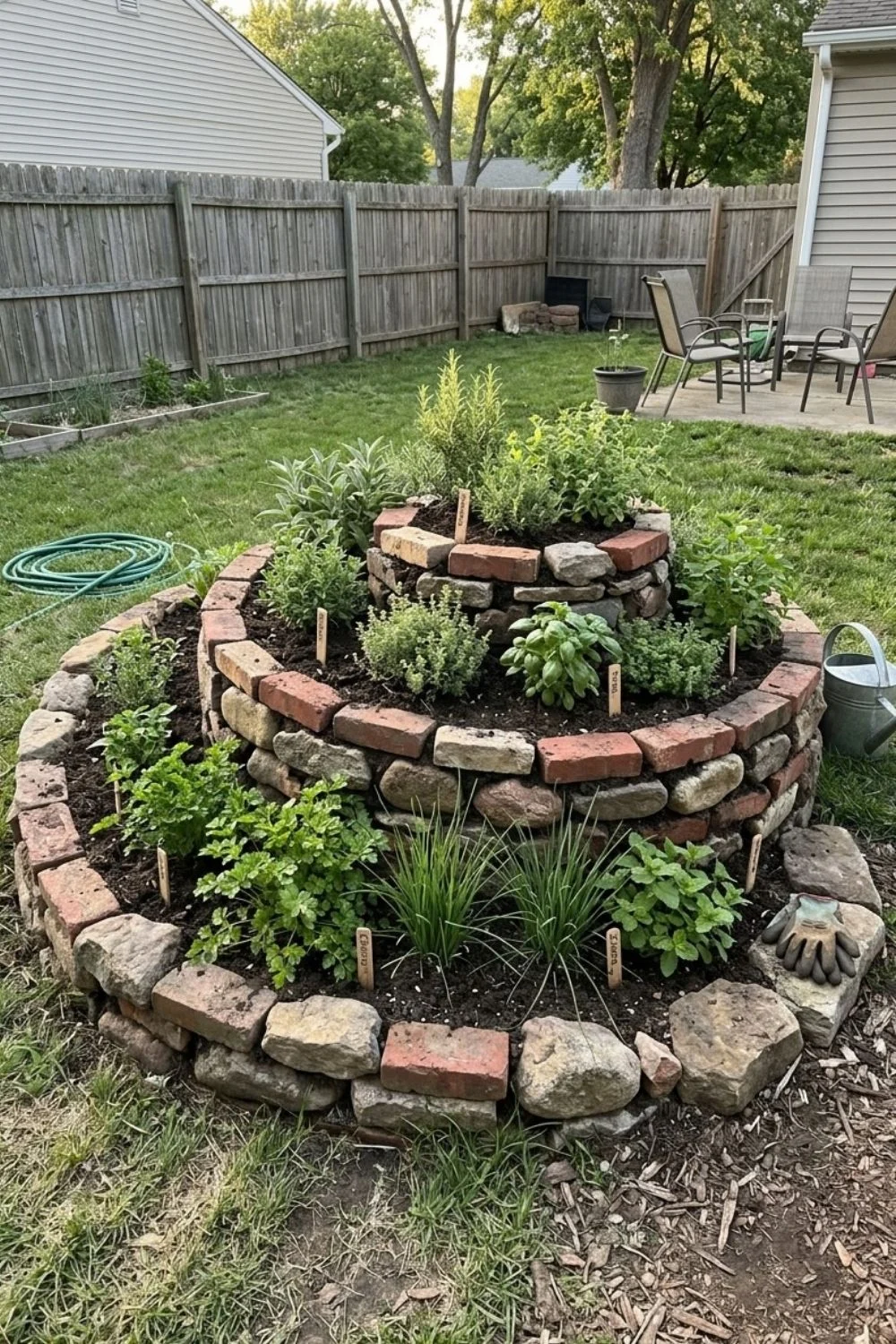
A small herb spiral uses stone or brick to create both structure and border. It is best treated as a compact raised feature rather than a standard bed edge. Place it where you can reach all sides safely and where the curved structure will not block a path.
24. Dark Wrought-Iron Accent Border
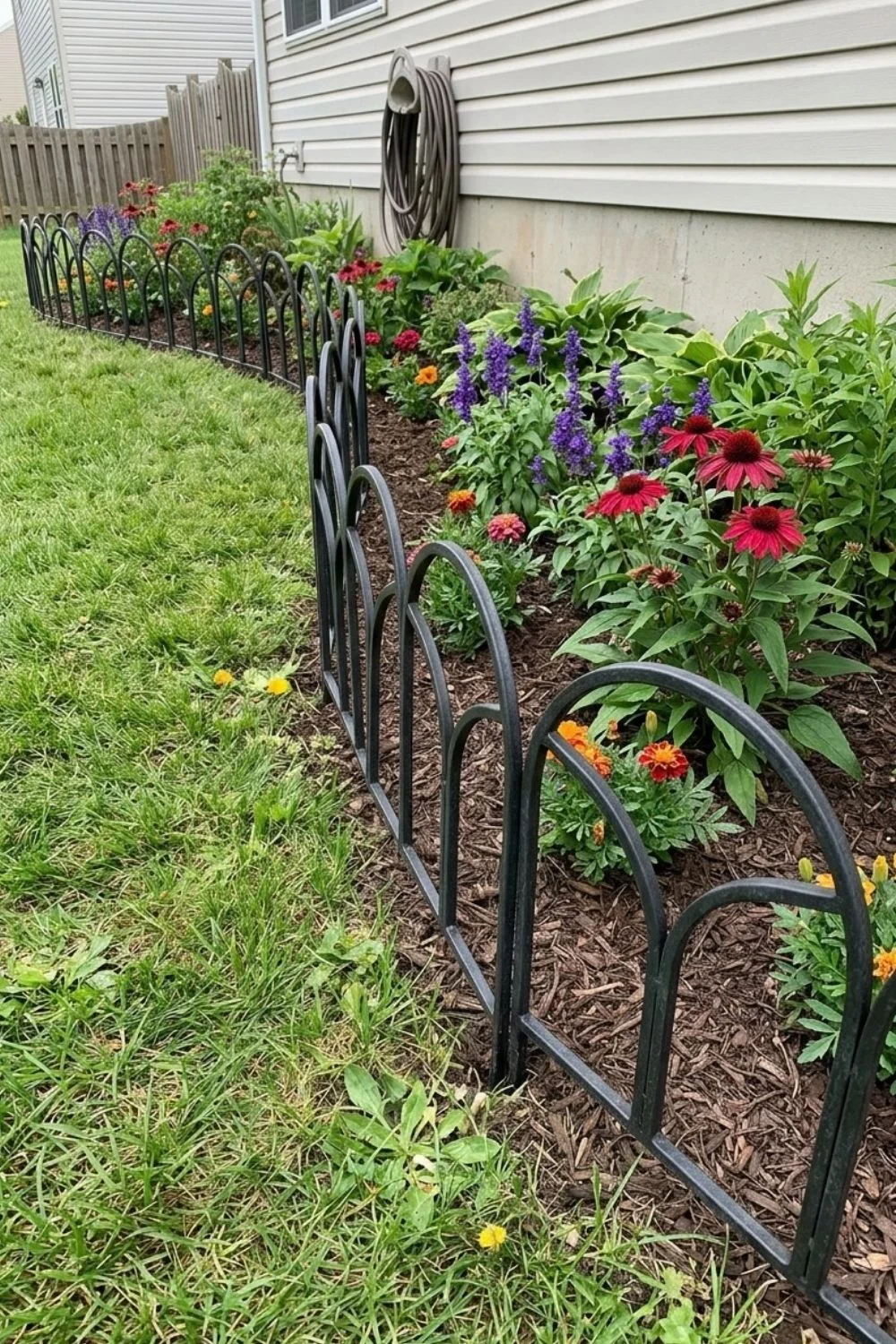
Low decorative iron edging can add structure to a dramatic planting scheme. Choose simple sections with no sharp exposed points and anchor them evenly. Use this as a visual accent, not as the only barrier against aggressive lawn grass.
25. Japanese-Inspired Stone Edge
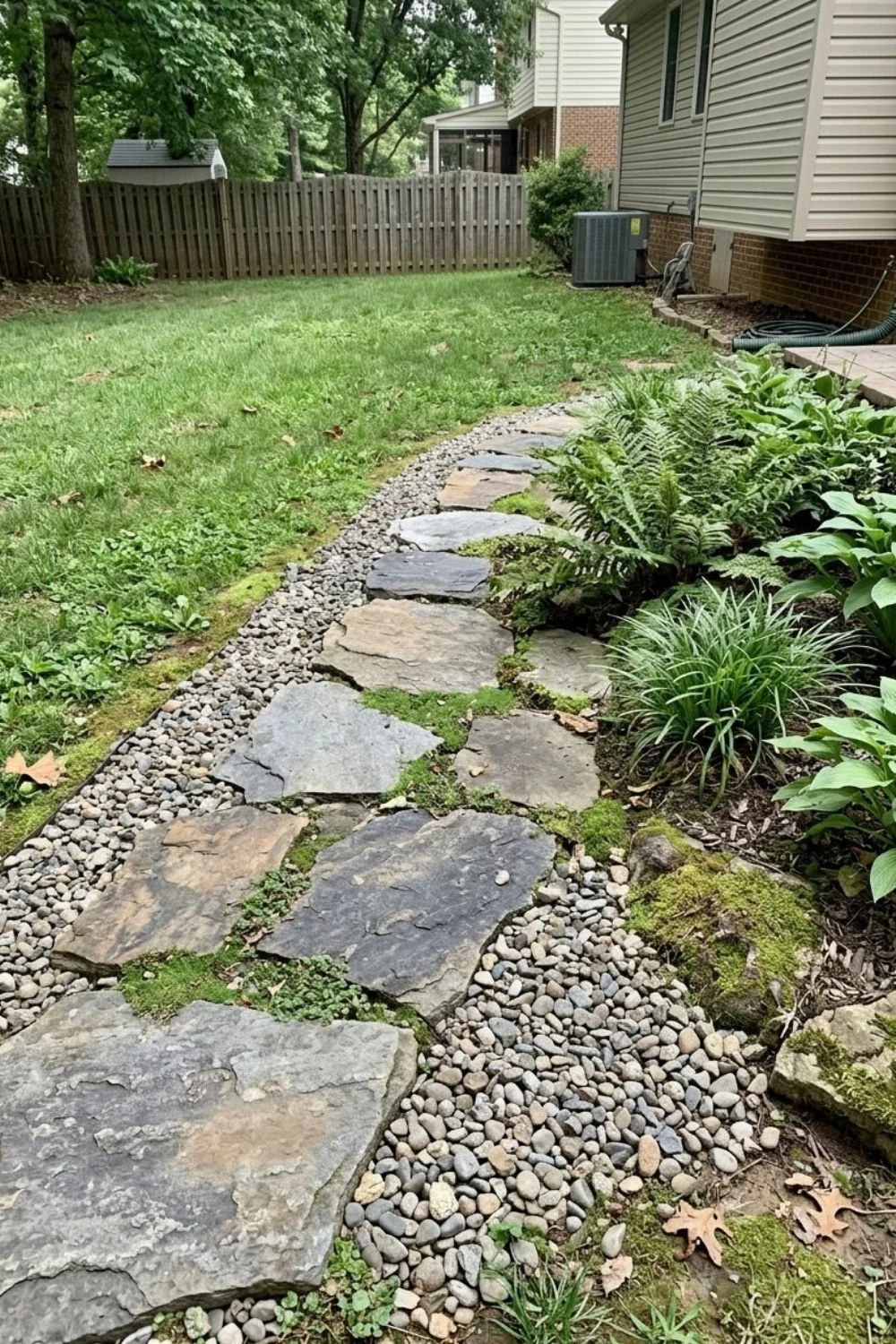
Flat stones, moss, gravel, and clean negative space can create a quiet Japanese-inspired border. Keep the arrangement simple rather than mixing many materials. The goal is a calm transition between planting and path, not a decorative wall.
26. Low-Maintenance Gravel Border
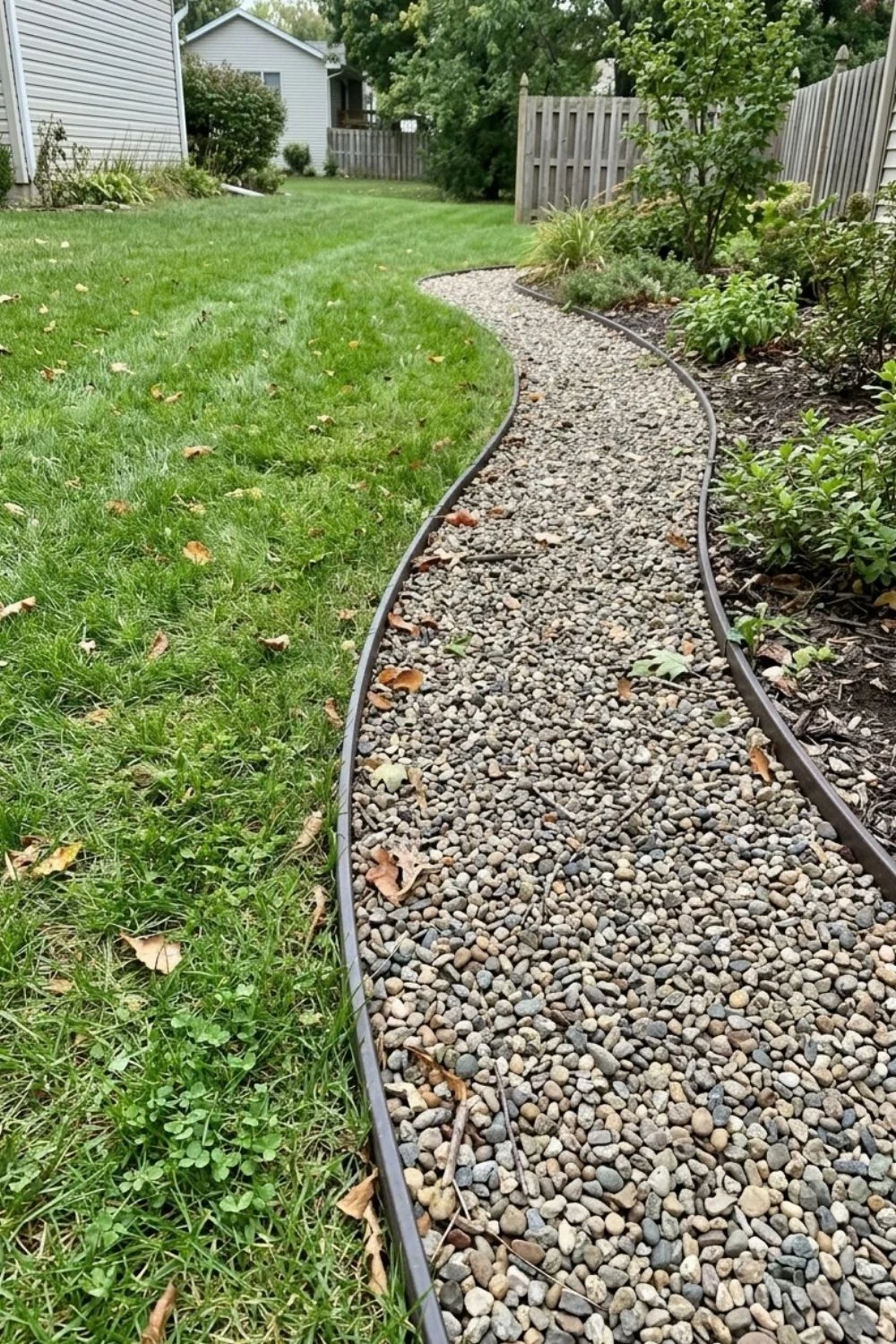
A narrow gravel strip can reduce mud splash and define a bed, but it is not maintenance-free. Leaves, weeds, and soil will still collect over time. Use a solid underlying edge and avoid placing gravel where it will spill into lawn.
27. Patterned Annual Border
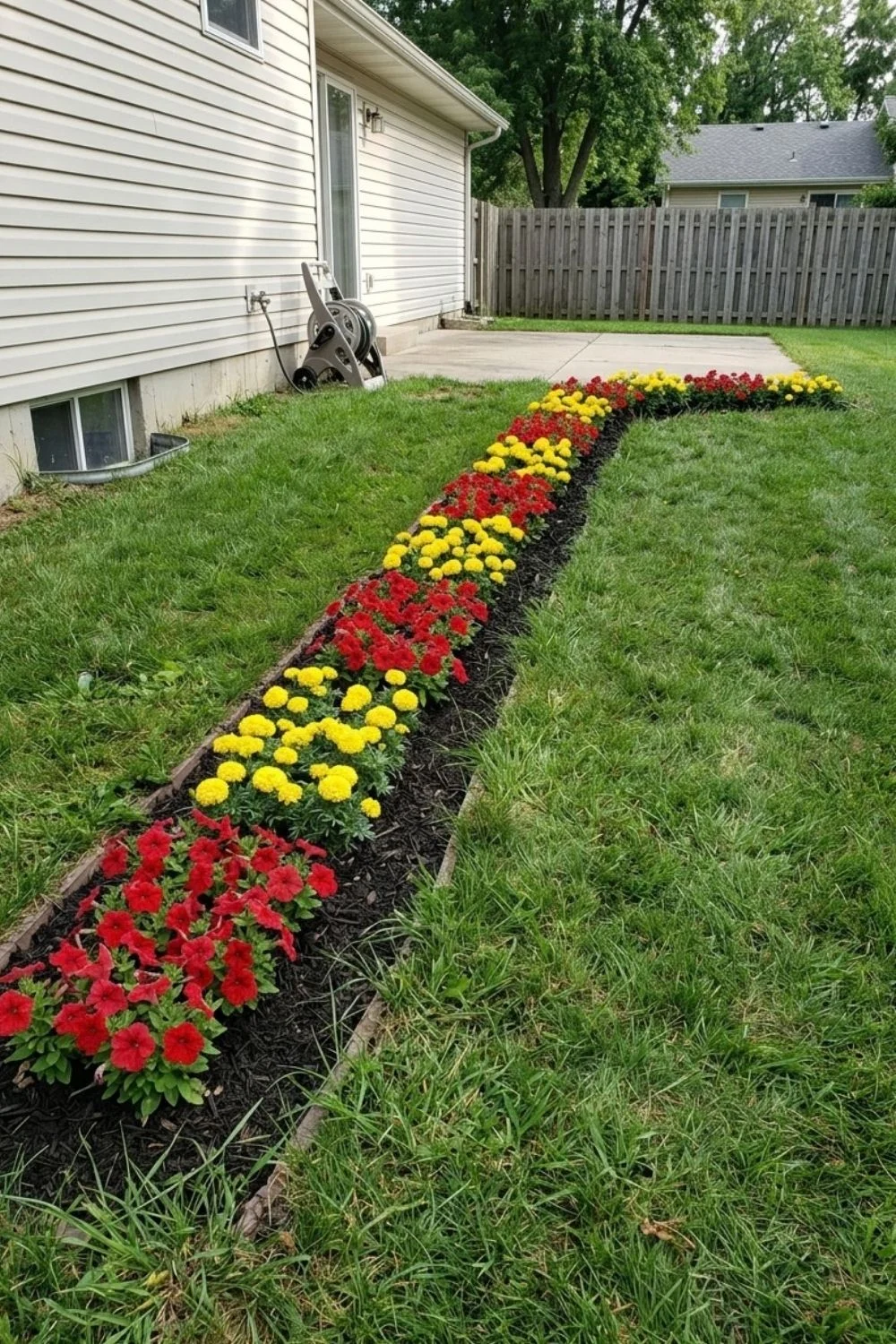
Low annuals can create a colorful patterned edge for a formal bed. Keep the planting width narrow so the border does not become expensive or difficult to replant each season. Use repeated blocks of color instead of many small varieties for a cleaner look.
28. Edible Flower Border
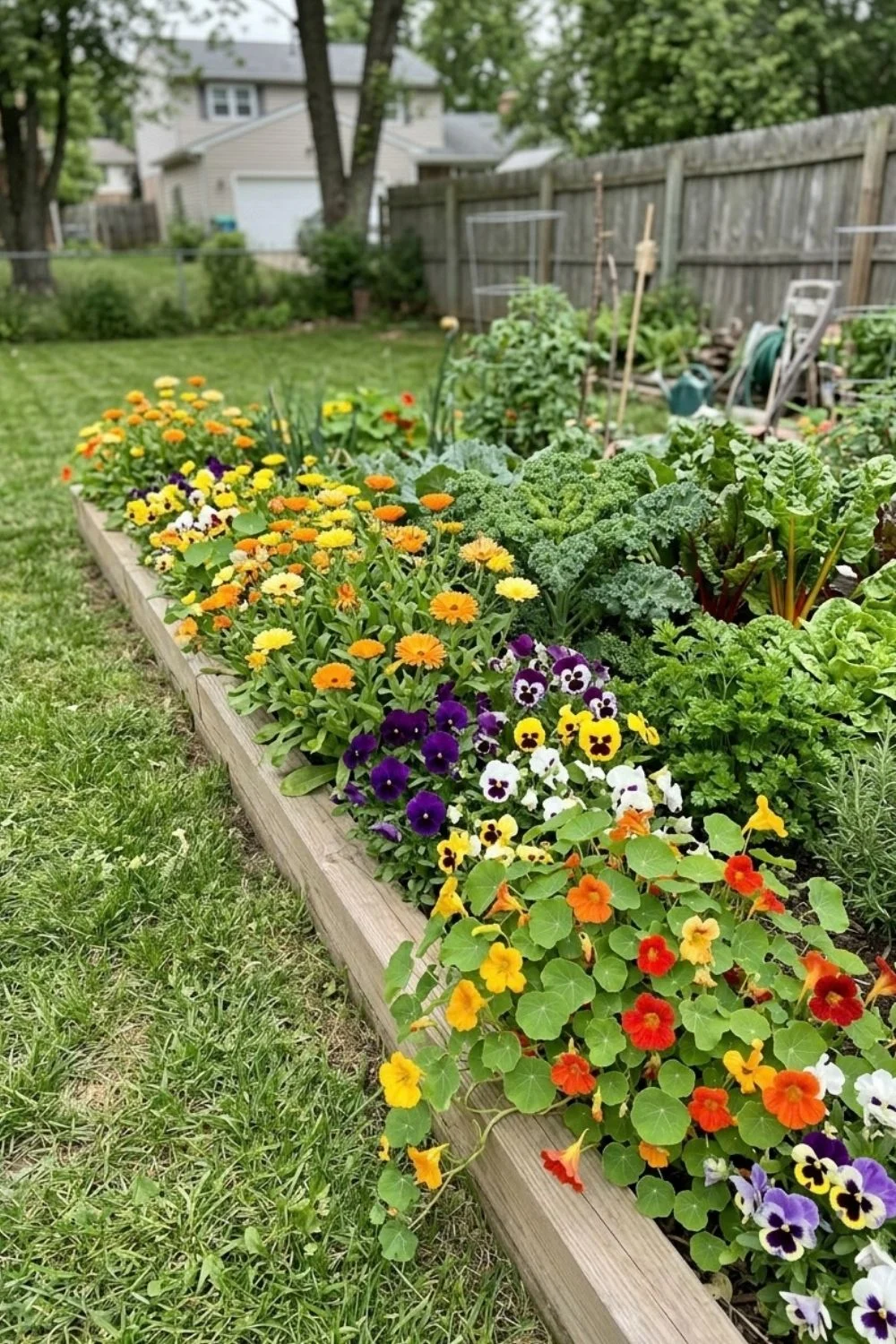
Calendula, nasturtiums, pansies, and other edible flowers can soften the front of a kitchen garden. Only grow edible species you can identify confidently, and avoid chemical treatments not intended for edible crops. A low physical edge behind the flowers can still help control grass.
29. Moonlight White Border
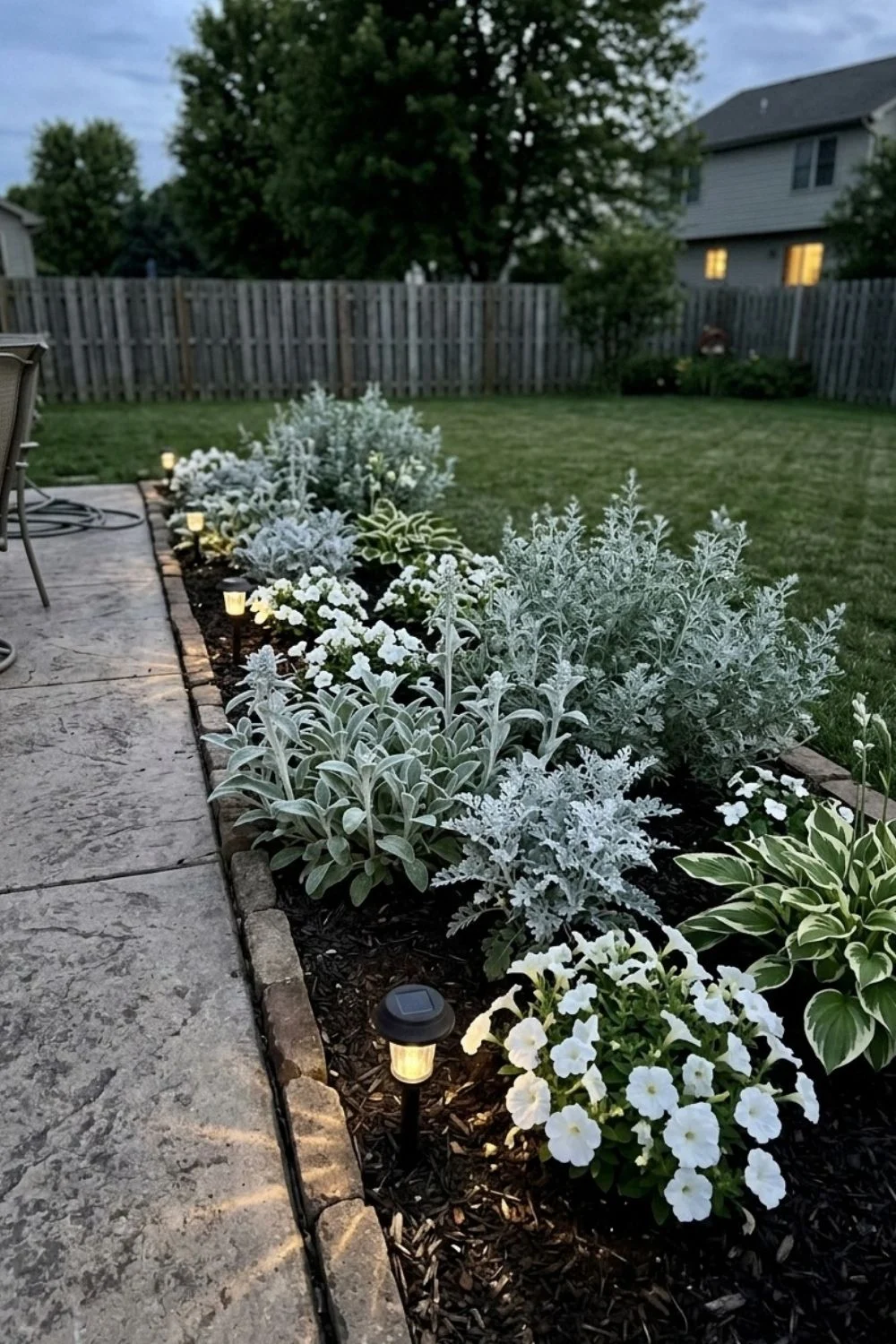
White and silver plants can make the front edge of a bed stand out in evening light. Use them along a patio or walkway where you will actually see them after sunset. Keep path lighting subtle so the pale flowers remain visible instead of being washed out.
30. Four-Season Mixed Border
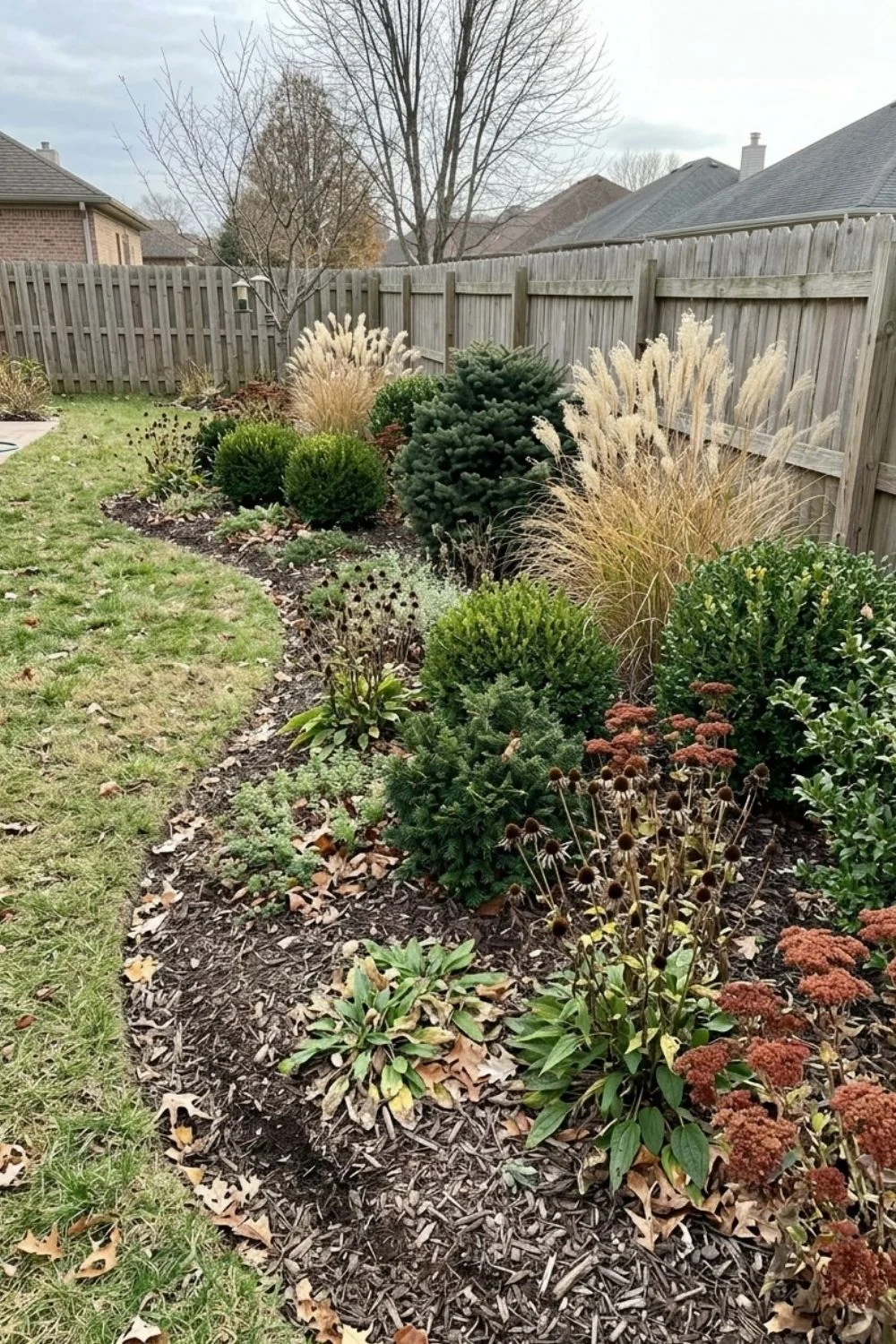
A practical border should still look intentional when flowers are not blooming. Mix low evergreen structure, spring bulbs, summer perennials, fall color, and ornamental grasses with useful winter seed heads. This reduces the need to rebuild the front edge every season.
Border Width, Shape, and Maintenance
Keep the border wide enough to be visible but narrow enough to maintain. Tight curves are harder to mow around than broad curves. Straight lines are usually easiest for modern yards, while gentle curves can soften a traditional landscape. If you want lower weekly upkeep overall, combine a simple edge with the strategies in our low-maintenance backyard landscaping guide.
Common Flower Bed Border Mistakes
Avoid edges that sit too high beside a path, materials that shift every time it rains, and borders that are too tight for mature plants. Do not mix four or five edging materials in one small yard. Repetition usually looks cleaner and is easier to maintain.
Also watch drainage. A solid border can sometimes trap water inside a bed. If the yard already holds water, correct the drainage problem instead of using edging to hide it.
Frequently Asked Questions
What is the easiest flower bed border to maintain?
A simple cut edge, flush metal edging, or a low mowing strip is often easier to maintain than a tall decorative border. The best option depends on your lawn and soil.
Is metal or stone edging better?
Metal gives a thin, clean line and works well for curves. Stone creates a heavier natural look and can help on gentle slopes. Both need proper installation to stay neat.
How do I stop grass from growing into a flower bed?
Use a defined edge deep enough to interrupt grass roots, then inspect the border regularly. No edging is completely maintenance-free, especially with spreading lawn grasses.
Should a flower bed border be straight or curved?
Use the shape that fits the house and yard. Broad curves are easier to maintain than small wavy curves. Straight lines usually suit modern layouts and narrow side yards.
Final Thoughts
The best flower bed border ideas make the bed easier to care for, not harder. Choose one main material, keep the line simple, protect walking and mowing space, and let the plants provide most of the visual interest. A clean edge can make even a modest planting bed look finished.