A private backyard does not have to feel closed in.
You can block the views that bother you while still keeping sunlight, airflow, open lawn, and comfortable walking space.
The most useful backyard privacy ideas often combine plants, trellises, partial screens, and containers instead of relying on one solid wall.
The goal is simple: create privacy only where you need it.
That makes the yard feel more comfortable without turning it into a dark or enclosed space.
Decide Where Privacy Is Needed
Before planting anything, look at the backyard from the places you use most.
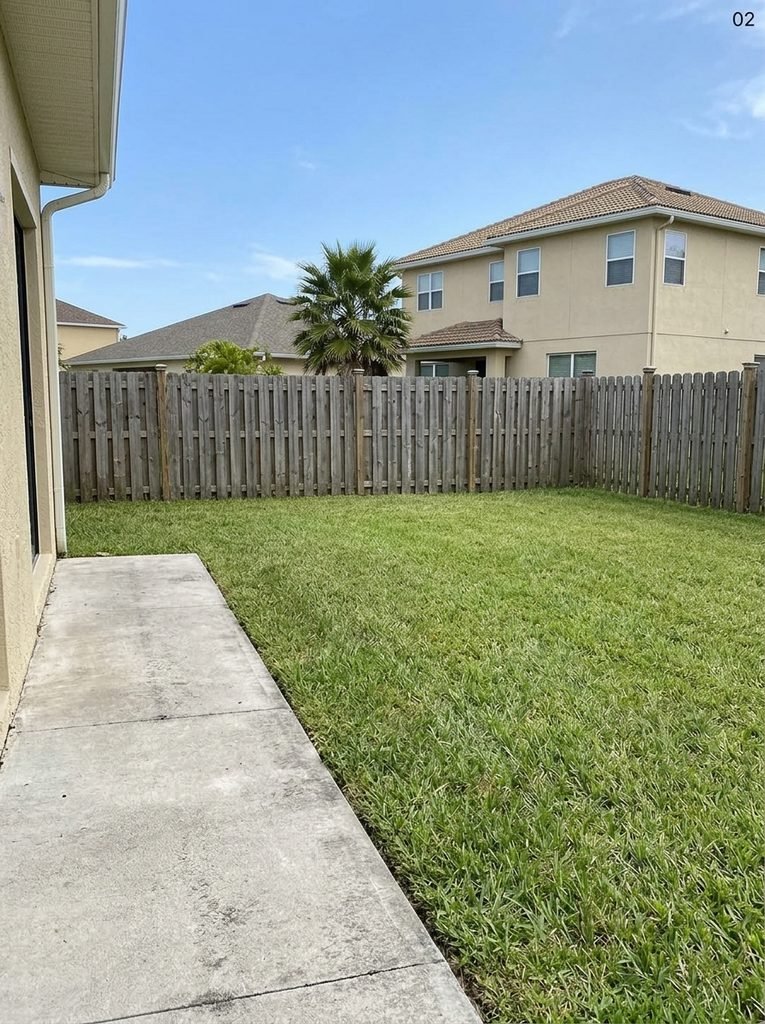
Stand near the patio, sliding door, seating area, and lawn.
Notice where neighboring windows, patios, walkways, or upper floors are most visible.
You may discover that only one or two sections really need screening.
That is much easier to solve than trying to surround the whole yard.
Identify the Exposed View
A privacy problem is often more specific than it first appears.
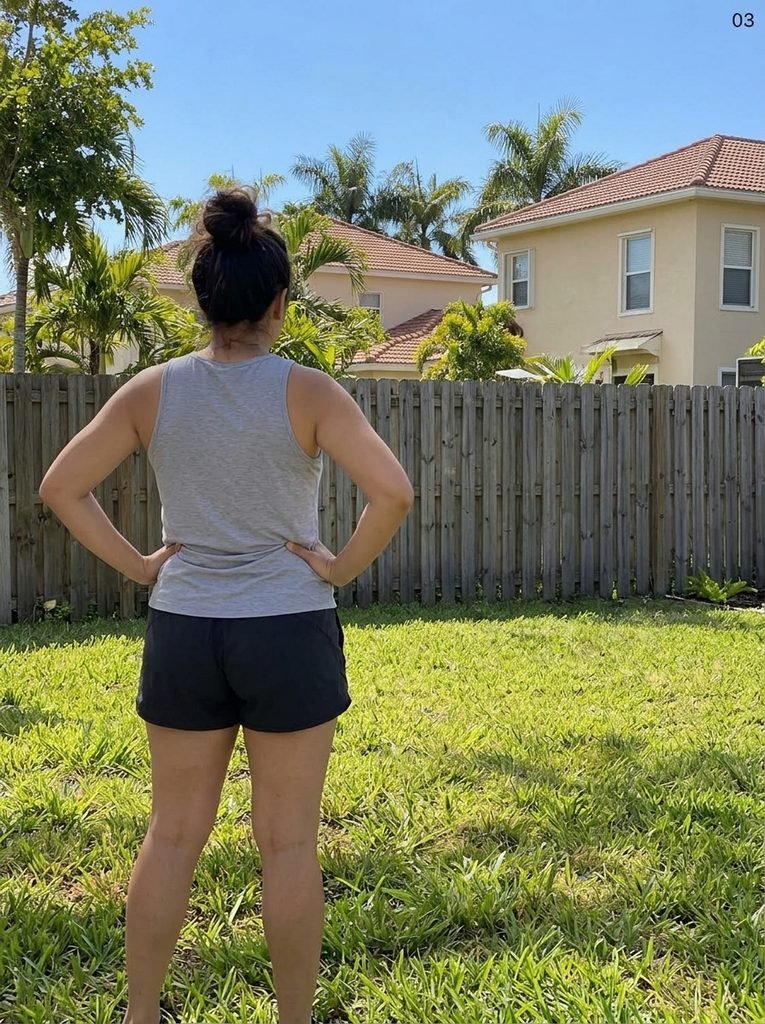
Instead of asking, “How do I make the whole backyard private?” ask:
- Which view feels exposed?
- From what direction can neighbors see in?
- Is privacy needed while sitting, standing, or both?
- Is the issue near the patio, lawn, or garden edge?
Targeting the exact sightline usually creates a better result.
Check the Sightline From Where You Actually Spend Time
Privacy should be planned from normal eye level.
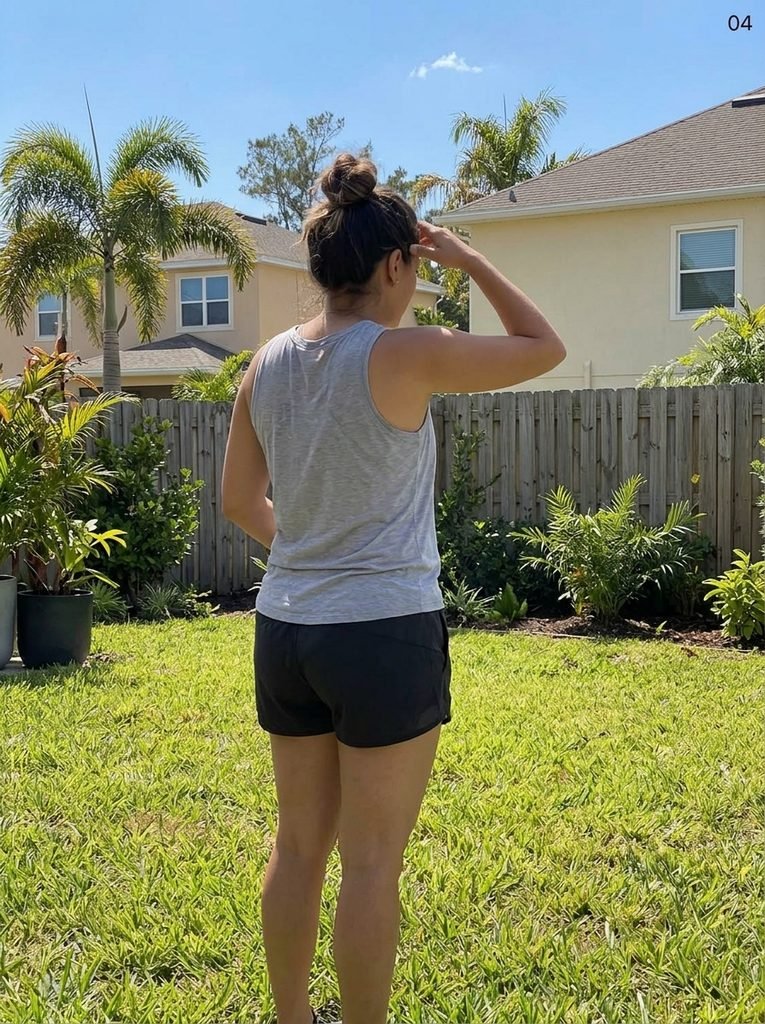
A screen that works while standing may not block the same view when you are sitting.
Likewise, a low planting bed may help near a chair but do very little from the middle of the lawn.
Check the view from the exact places you expect to use.
Measure the Target Area
Once you know where privacy is needed, measure the section.
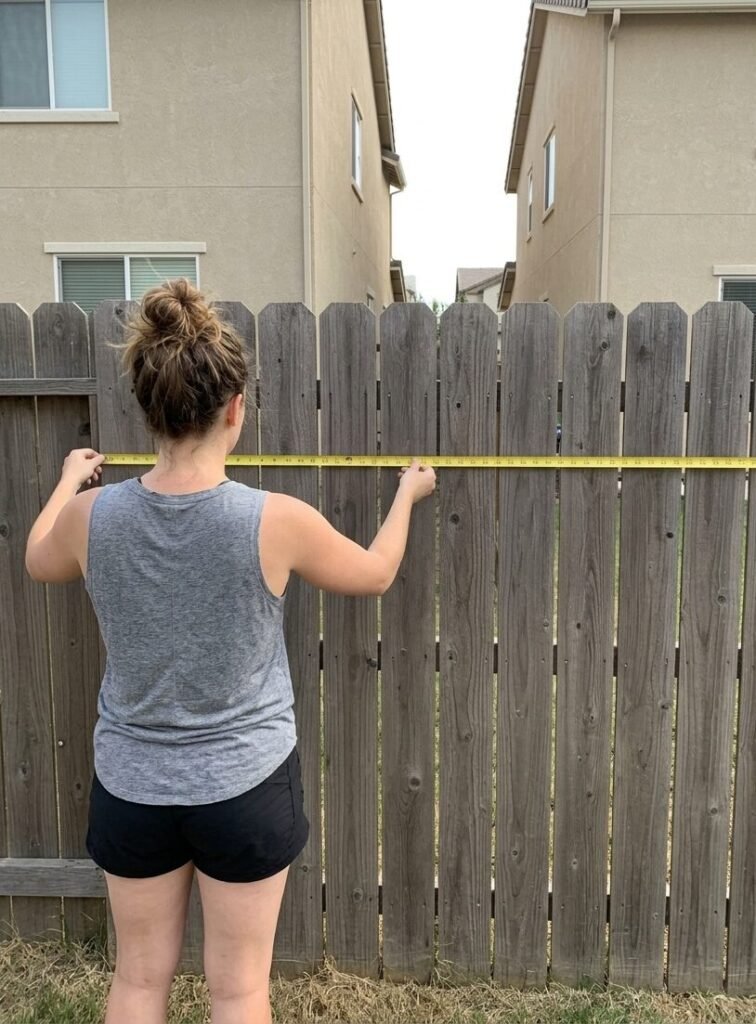
You do not need to cover every foot of fence.
Measure only the exposed area and note:
- available width
- existing fence height
- distance from patio or lawn
- nearby doors and paths
- space for roots or containers
This keeps the project smaller and easier to maintain.
Mark the Privacy Zone
Before planting, mark the section that needs screening.
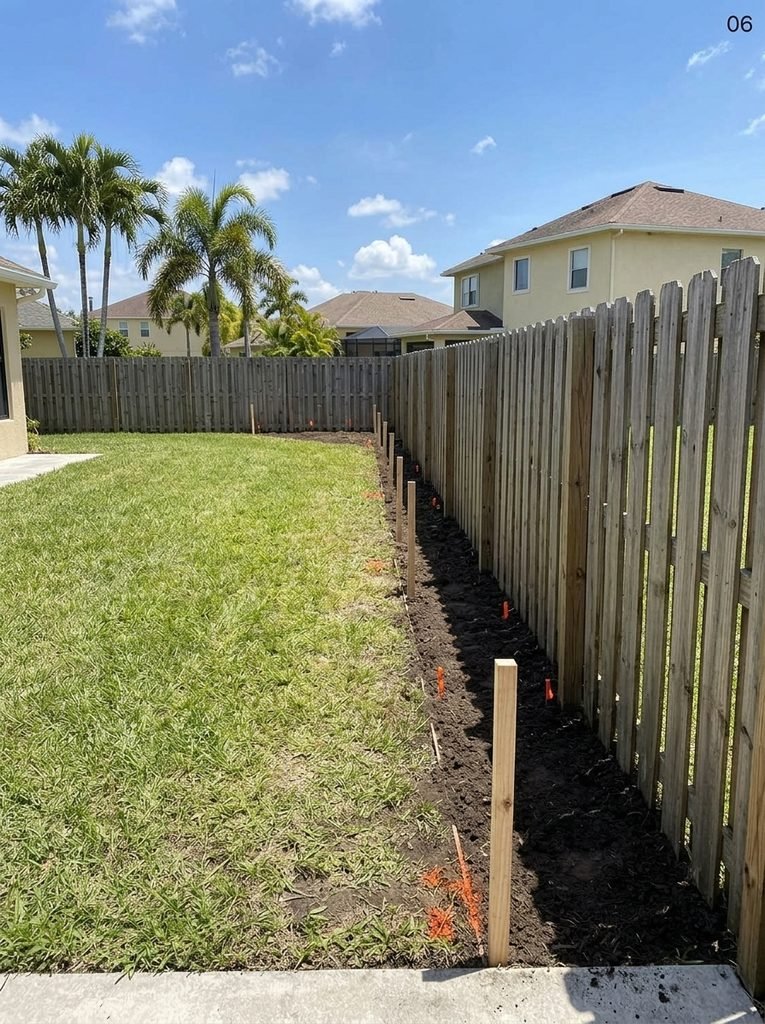
Simple stakes can help show where plants or structures might go.
Step back and check the layout before you commit.
The rest of the yard should stay open.
Use Narrow Upright Plants for Targeted Privacy
Tall plants can create privacy without using much ground space.
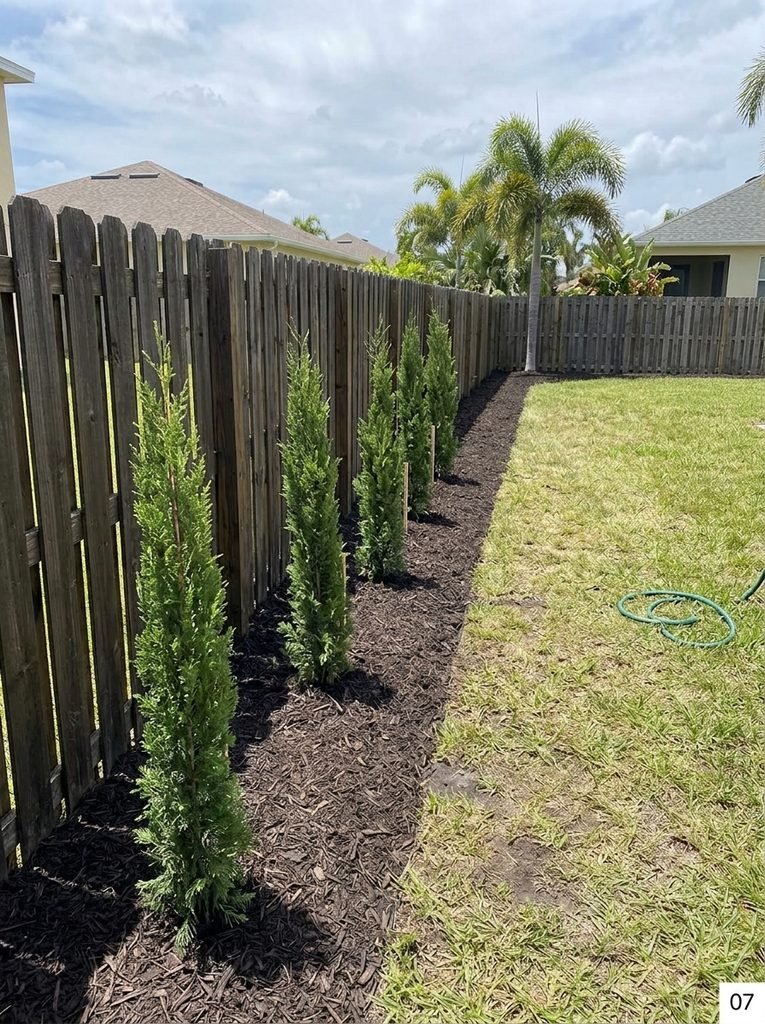
Choose narrow plants when the border is limited.
Look for plants that:
- stay relatively upright
- suit your climate
- fit the available width
- do not require constant hard pruning
- can tolerate the light conditions
Leave realistic gaps between young plants.
Do not plant them so tightly that they become crowded as they mature.
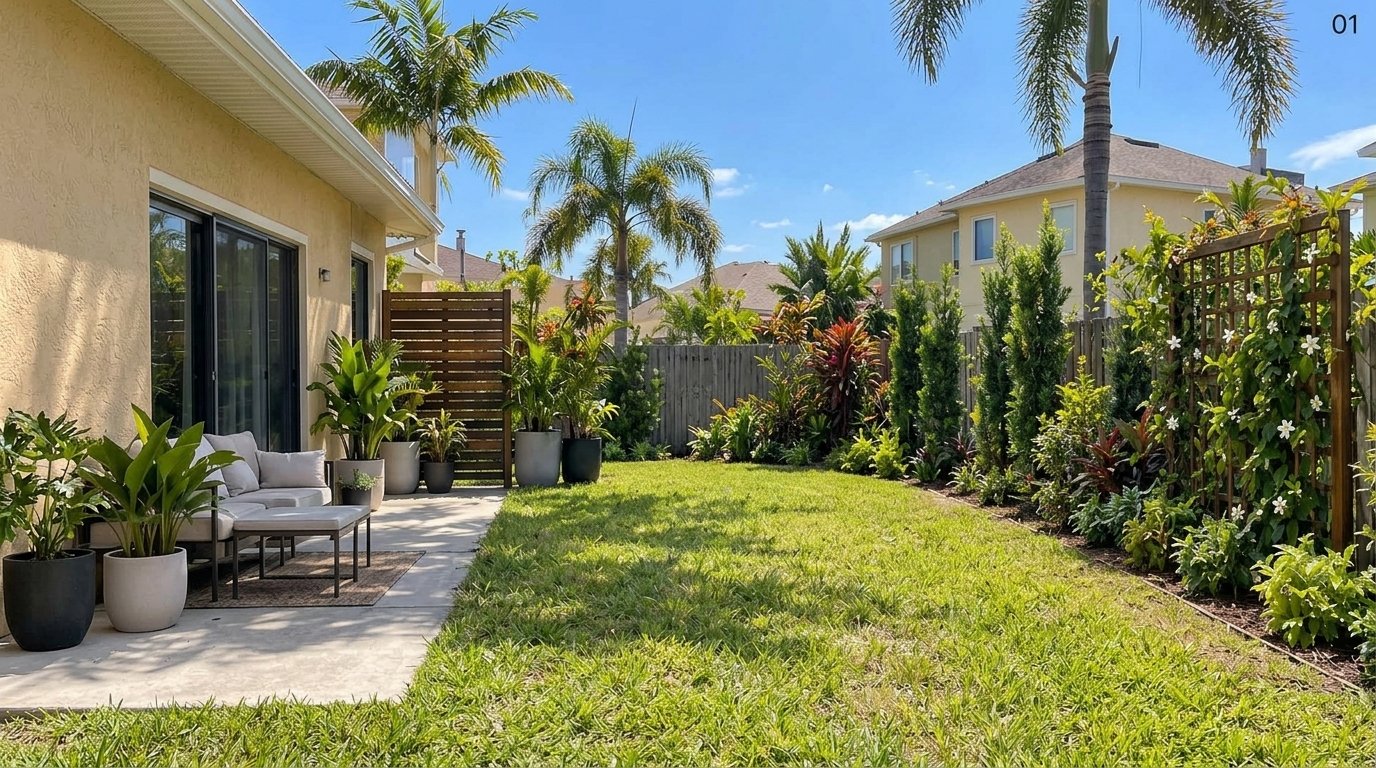
Build Privacy With Layered Planting
A single row of identical plants can look flat and may not block views at every height.
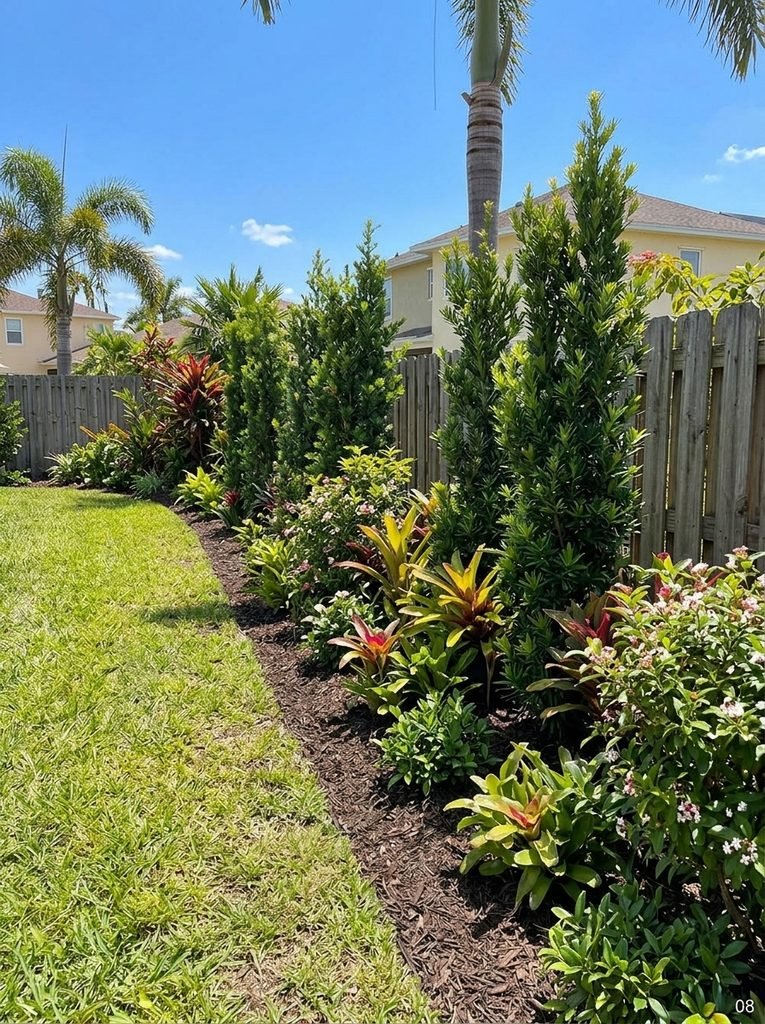
Layering can create a more natural screen.
A simple layout may use:
- taller narrow plants near the fence
- medium shrubs in front
- lower plants near the edge
This creates depth while keeping the privacy area limited to one section of the yard.
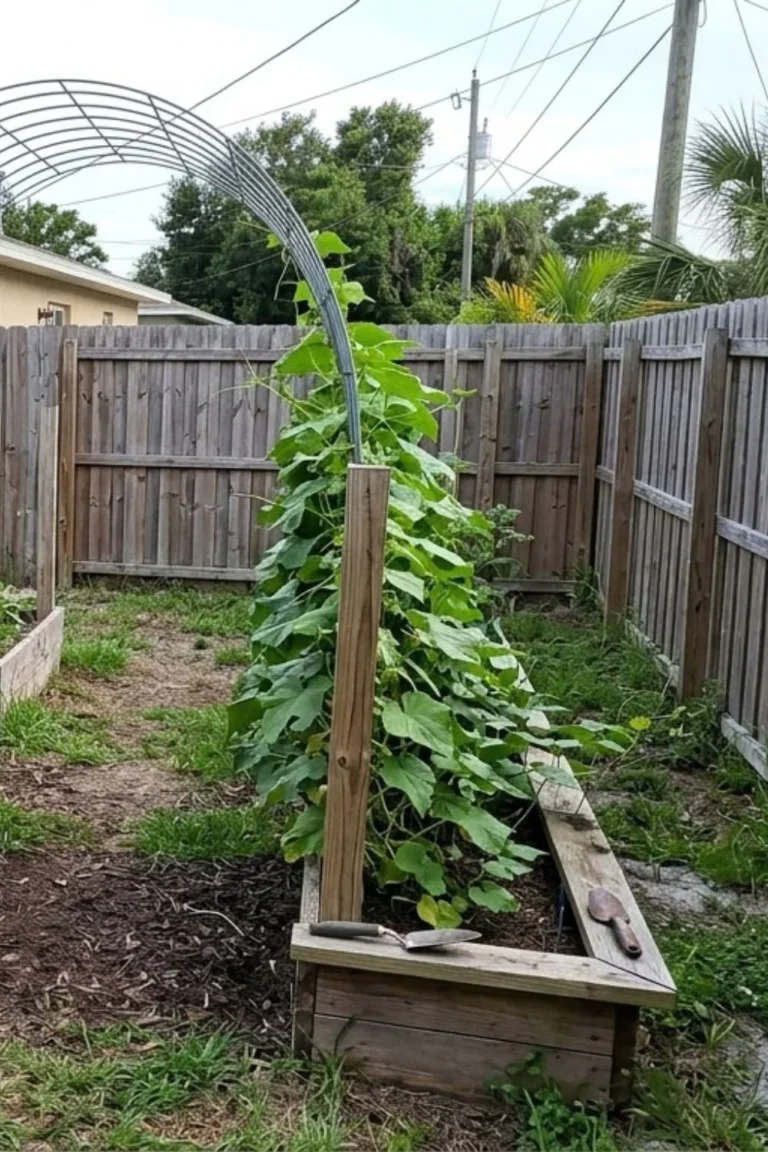
Add a Privacy Trellis
A trellis can add height without creating a solid wall.
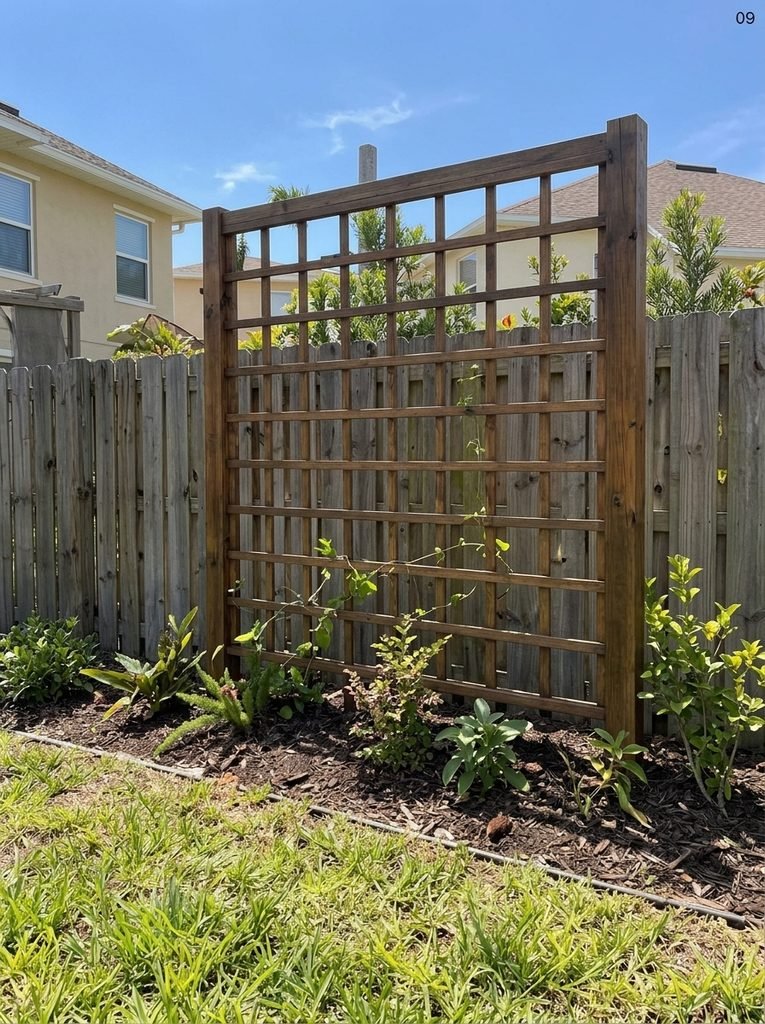
Place it where vertical screening is useful.
A simple open trellis allows:
- airflow
- sunlight
- climbing plants
- partial visibility
- vertical growth in a narrow footprint
Keep the structure simple so it does not overpower the backyard.
Train Climbing Plants Gradually
Climbing plants can soften a trellis and increase privacy over time.
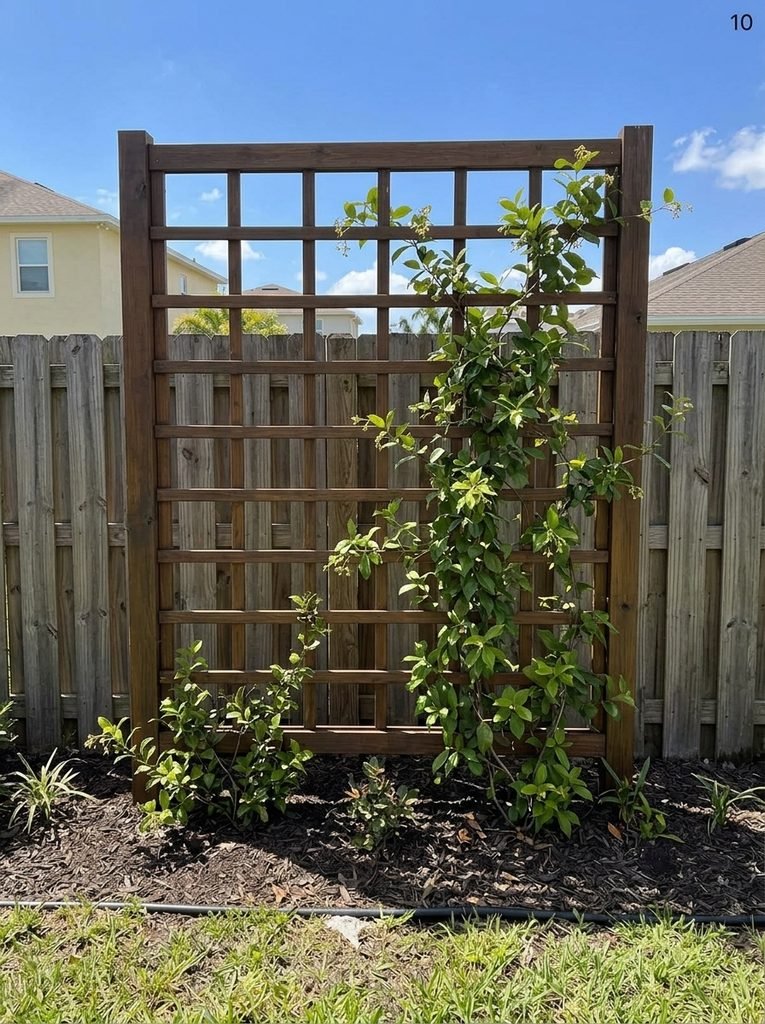
Start with modest growth.
Guide new stems toward the trellis instead of allowing them to spread randomly.
This makes future trimming easier and helps maintain the shape of the screen.
Remember that climbing plants still need maintenance. A fast-growing vine can quickly become too dense if ignored.
Use a Simple Garden Screen for One Specific View
Plants are not always the fastest solution.
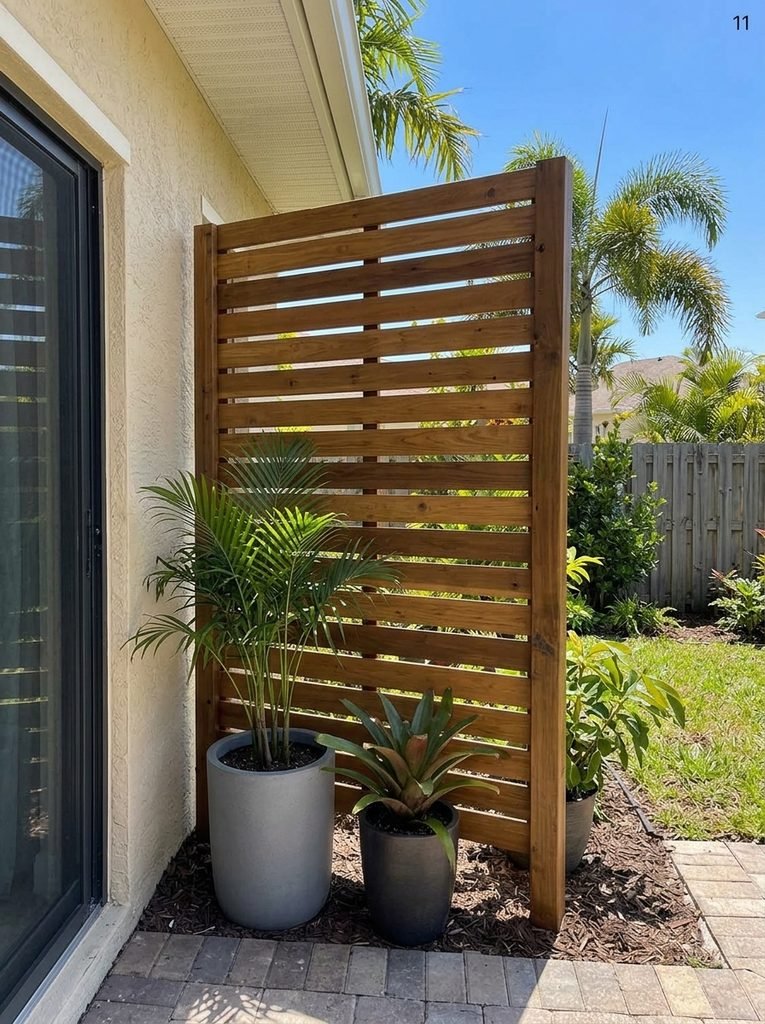
A partial slatted screen can block a direct sightline near a patio or seating area.
Open slats are useful because they provide privacy without creating a completely solid barrier.
Use a screen where it solves a specific problem.
Avoid adding screens around the entire perimeter unless they are genuinely necessary.
Soften a Screen With Plants
A privacy screen can look less harsh when combined with plants.
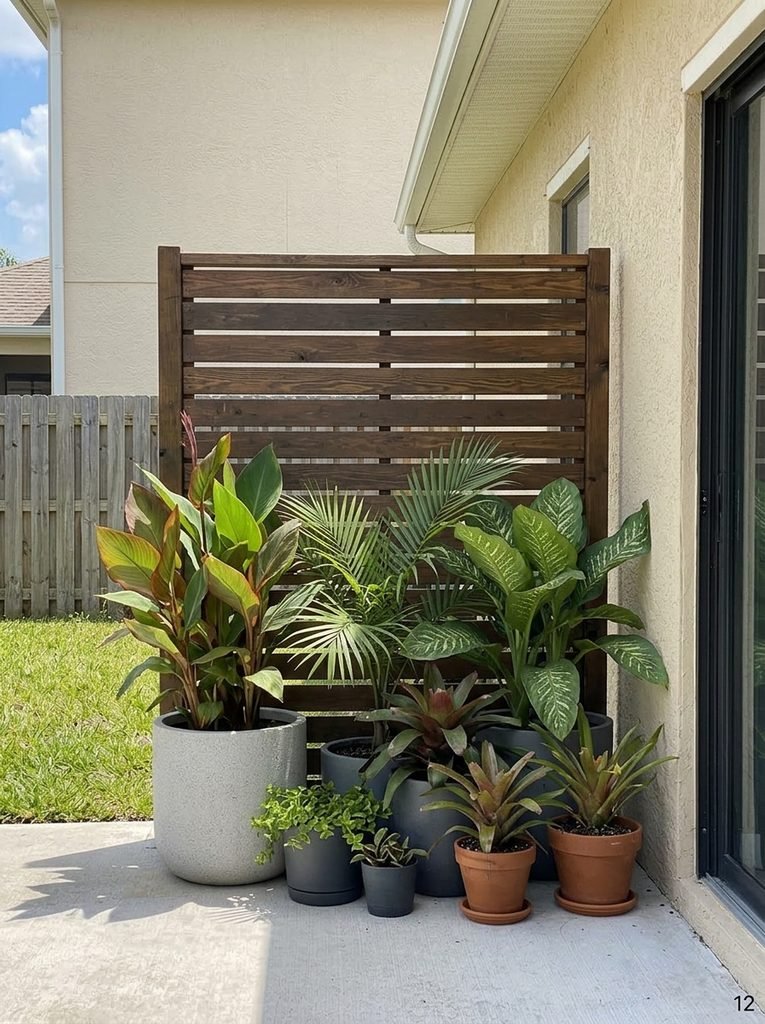
Place a few containers near the base.
Use different plant heights, but keep the grouping simple.
This can make the screen feel like part of the garden rather than a separate wall.
Use Containers for Flexible Privacy
Large containers can create privacy without permanent planting.
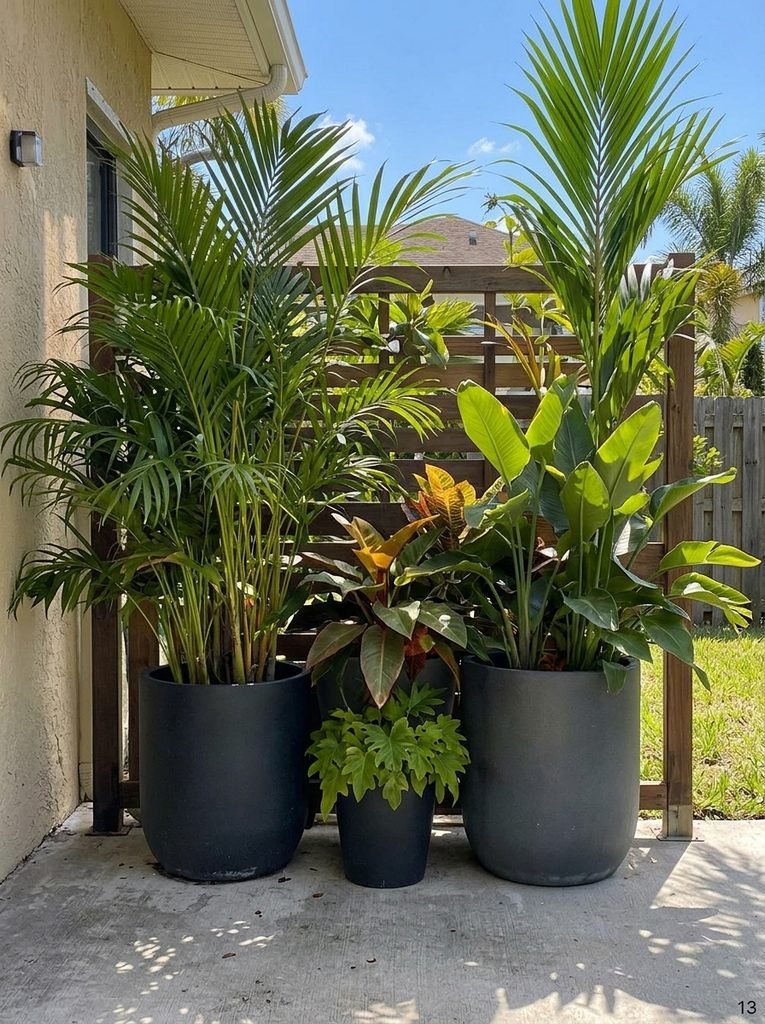
They are especially useful when:
- you rent
- planting space is limited
- the patio needs screening
- you may want to change the layout later
Use a few larger pots with upright plants instead of many small containers.
Too many pots can quickly create clutter and more watering work.
Create a Small Private Corner
You do not always need privacy across the whole yard.
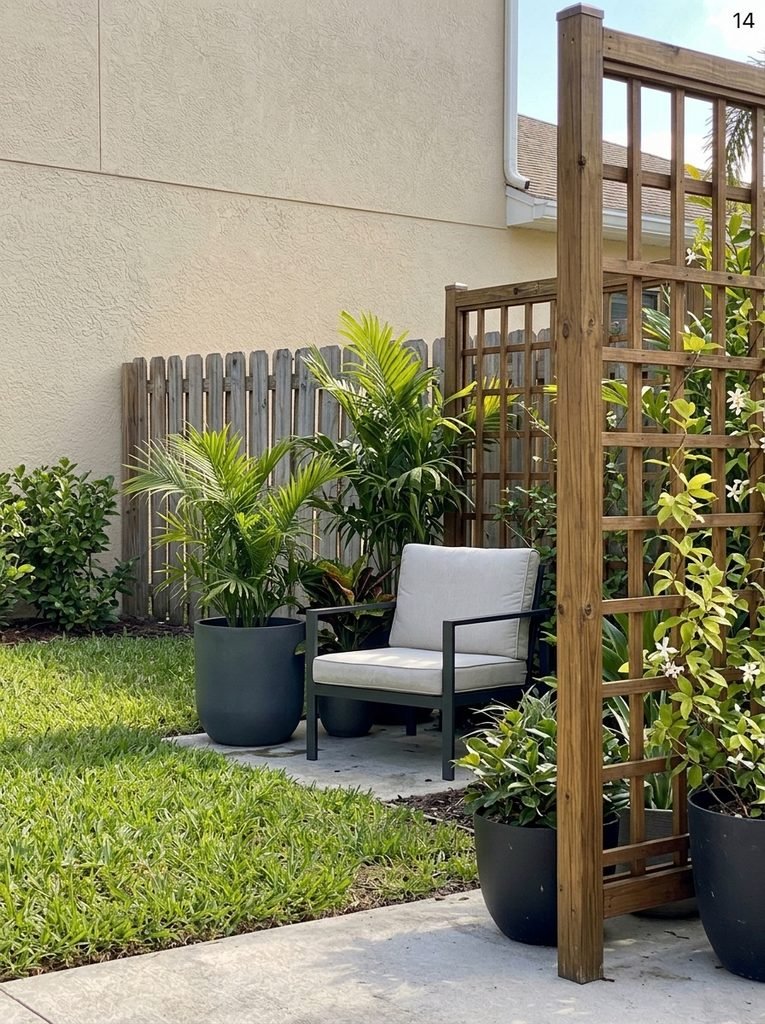
A small semi-private seating area may be enough.
Use a combination of:
- one partial screen or trellis
- a few plants
- one simple chair or bench
- open lawn nearby
The goal is to create comfort without building an enclosed outdoor room.
Keep Light and Airflow
More privacy is not always better.
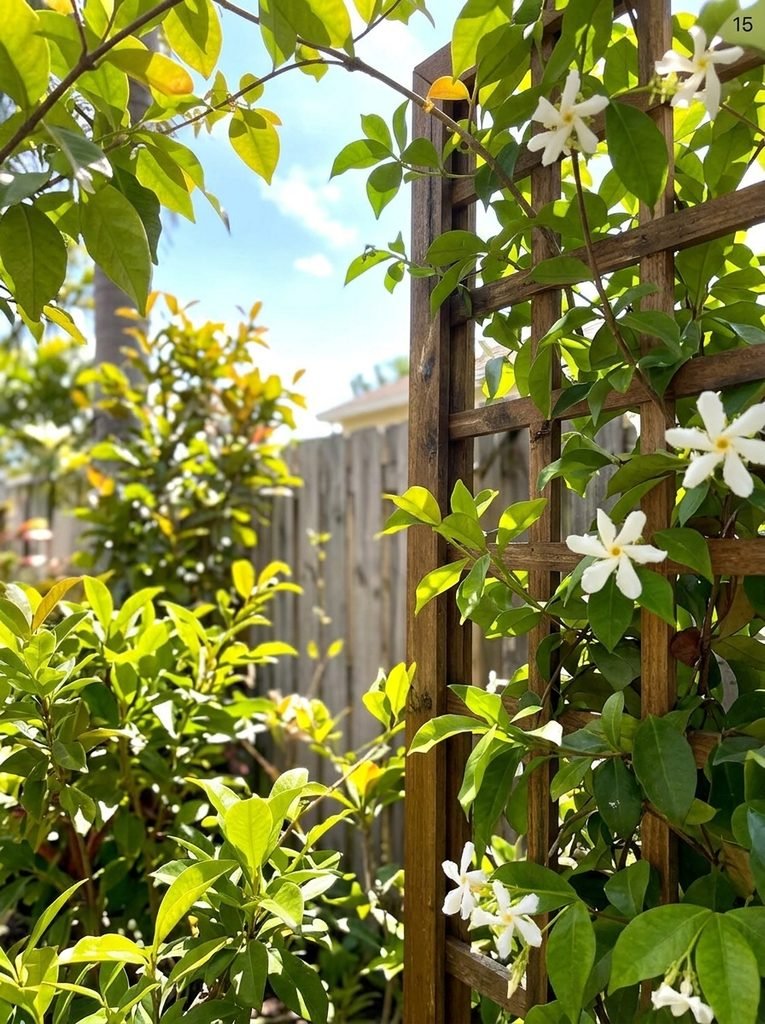
A dense wall of plants can reduce sunlight and airflow.
Leave some intentional gaps.
You should still be able to see:
- sky
- parts of the fence
- light between plants
- open space around structures
This helps the backyard feel brighter and larger.
Combine Different Privacy Layers
The most practical privacy setup often uses several light layers instead of one massive barrier.
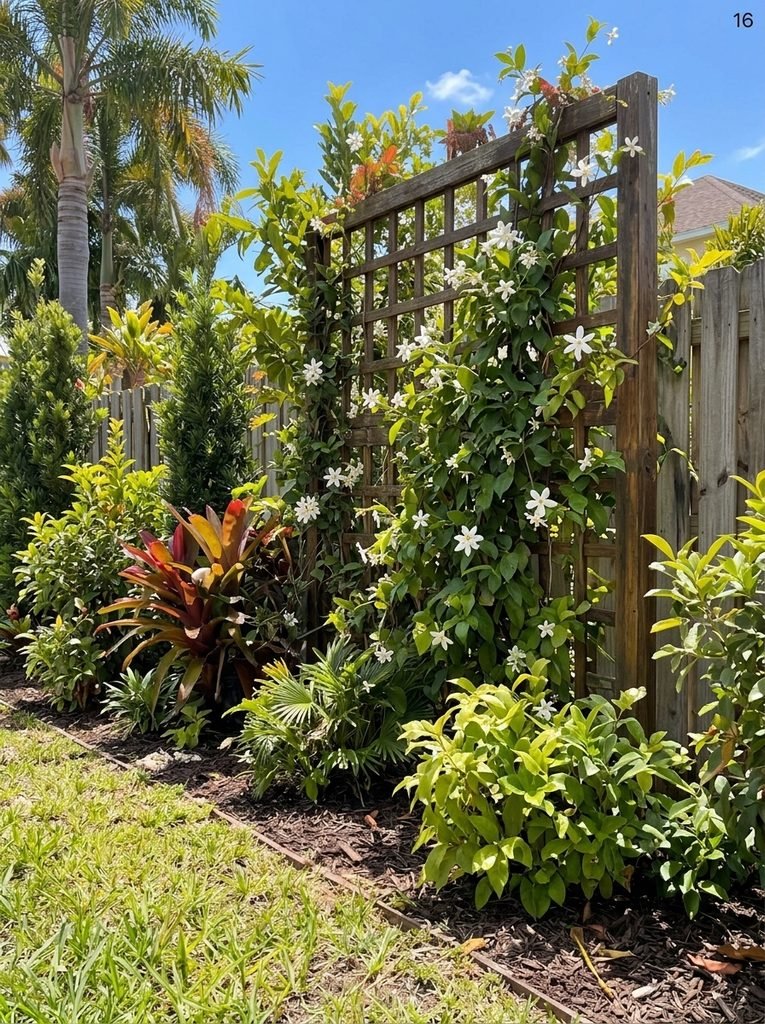
For example:
- narrow plants can provide height
- shrubs can block lower views
- a trellis can support a vine
- a partial screen can block one direct sightline
- containers can fill a temporary gap
Keep these features around the exposed section only.
Check the Result From the Patio
After adding the main privacy elements, return to the place where the problem was most noticeable.
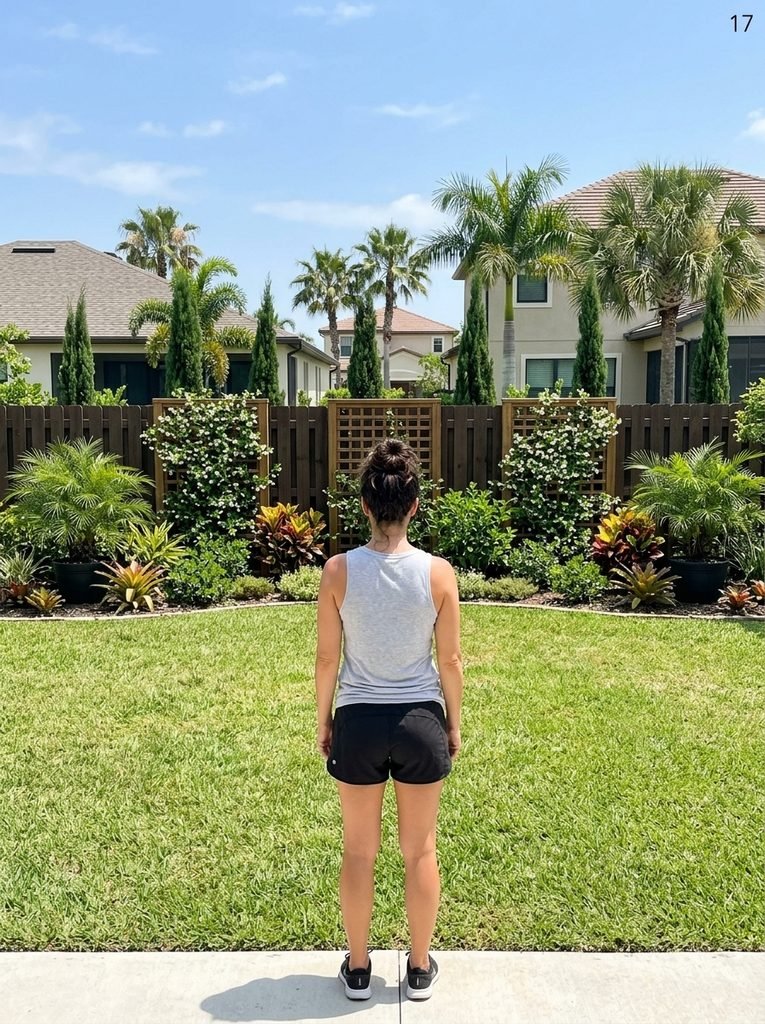
Ask:
- Is the unwanted view reduced?
- Is the yard still bright?
- Can you still move around comfortably?
- Does the screen feel too heavy?
- Are the plants likely to outgrow the area?
Make adjustments before everything matures.
Water New Privacy Plants Carefully
Newly planted privacy shrubs and vines need attention while they establish.
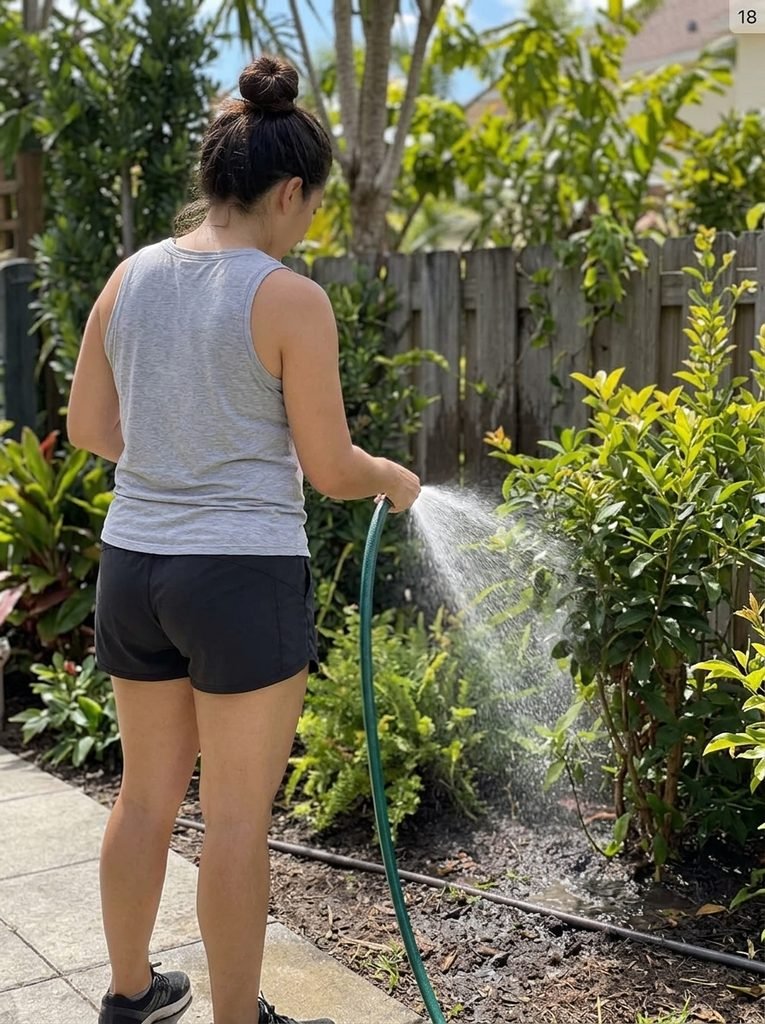
Water based on the needs of the plant and the local weather.
Avoid assuming every privacy plant needs the same schedule.
Plants in containers may need more frequent checks than those growing in mulched soil.
Trim and Control Growth
Living privacy requires some maintenance.
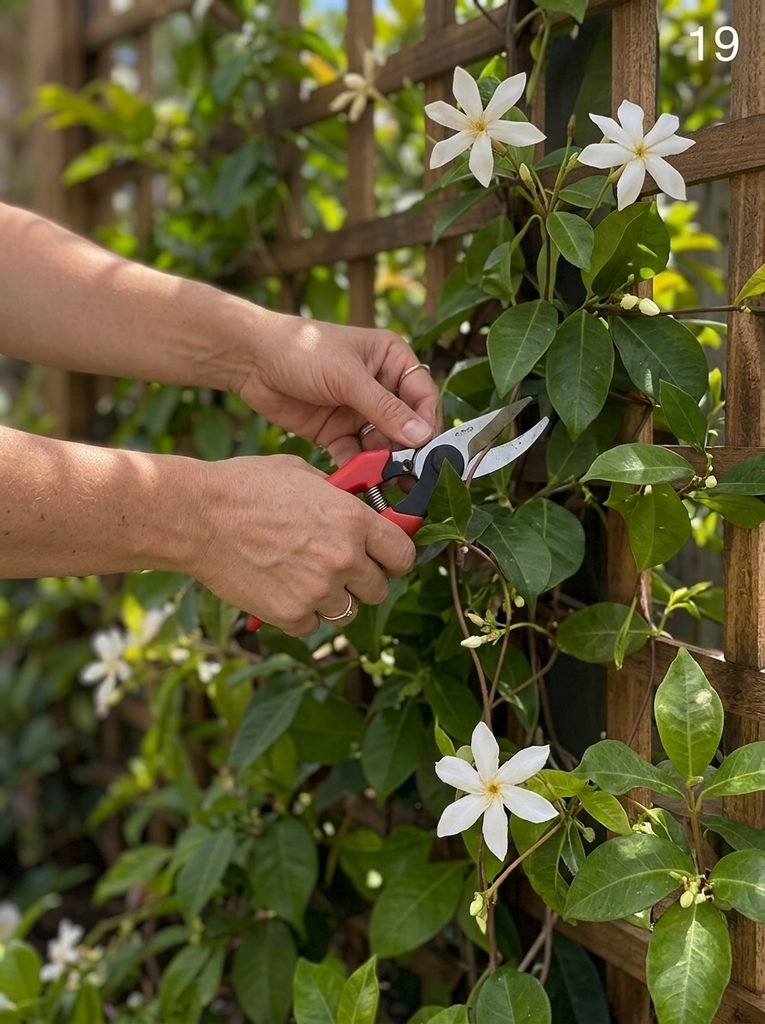
Light pruning helps keep vines and shrubs from:
- blocking paths
- covering the entire trellis
- growing into neighboring plants
- reducing too much light
- becoming difficult to manage
It is usually easier to trim a little at a time than to fix an overgrown screen later.
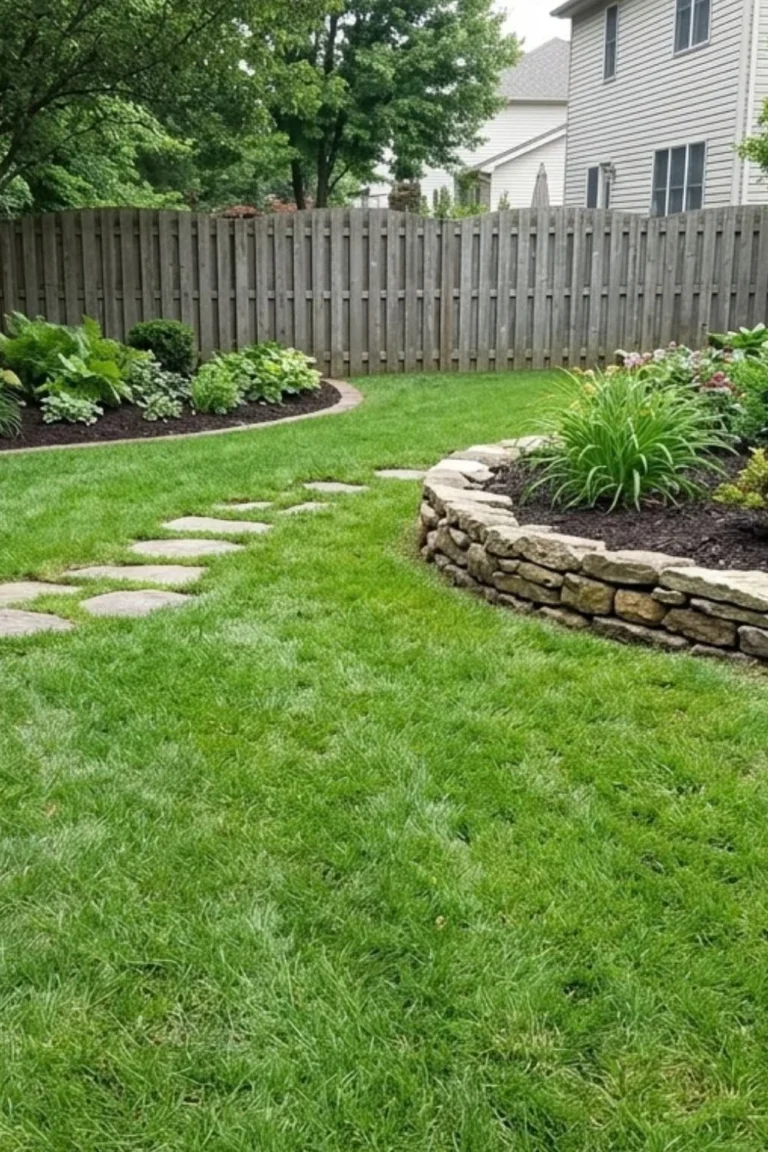
Balance Privacy With Open Space
Step back and look at the whole yard.
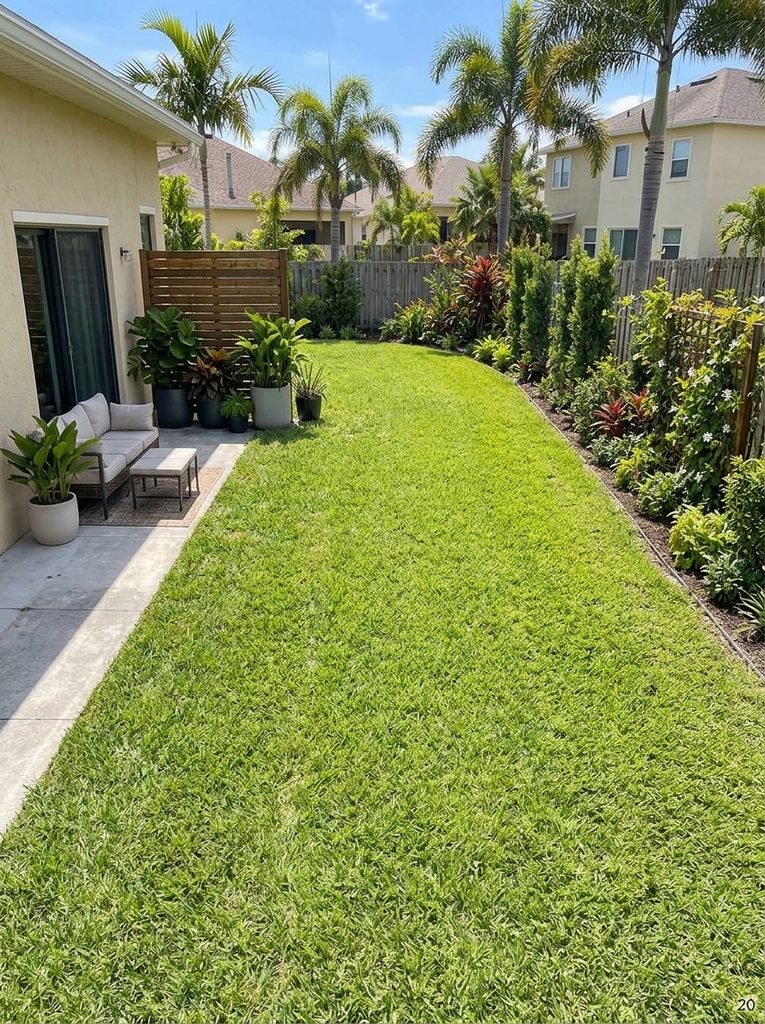
A good privacy layout should still have:
- open lawn
- visible sky
- natural light
- clear walking space
- usable patio
- limited screening only where needed
If the yard starts to feel enclosed, remove or thin unnecessary layers.
A Final Backyard Privacy Garden
As the plants mature, the privacy should feel more natural.
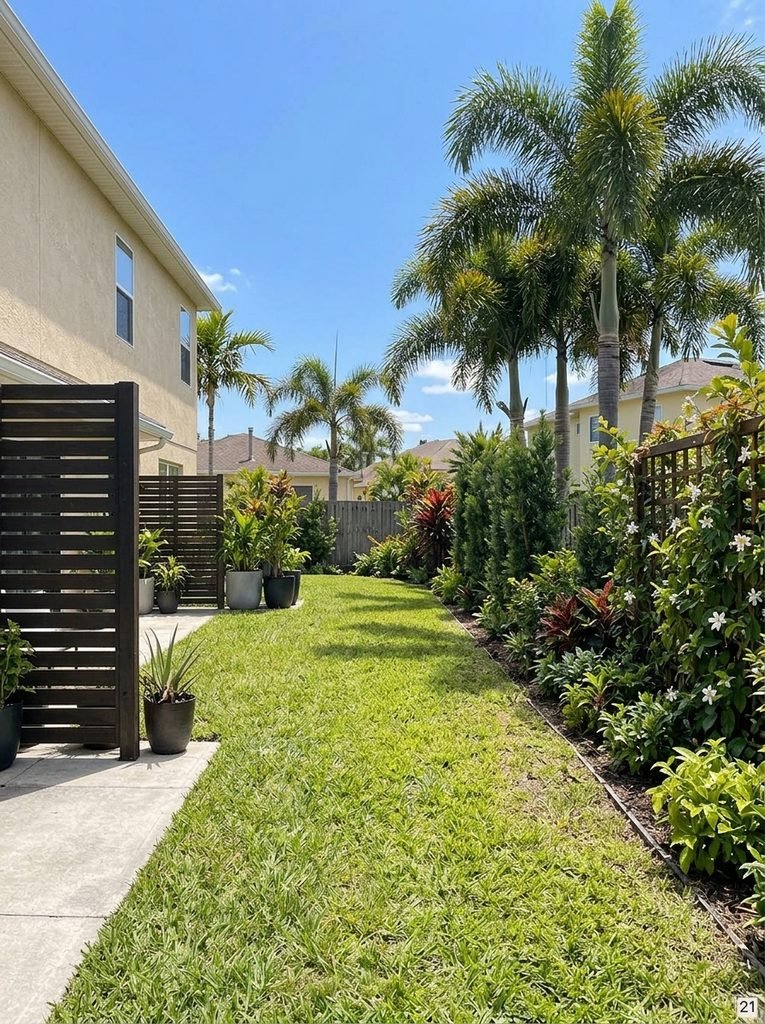
The final space can include:
- layered privacy plants
- an established climbing vine
- a simple trellis
- one partial screen
- strategic containers
- open lawn
- visible sky
- comfortable patio access
The result should feel private without feeling trapped.
That balance is the most important part of a successful backyard privacy design.
Plants for a Living Privacy Screen
Living privacy works best when the plant fits the space.
Look for plants that:
- suit your climate
- tolerate the available sun
- match the width of the planting area
- reach the height you need
- respond well to light pruning
- do not spread aggressively
In a small yard, narrow or upright plants are often easier to manage than very broad shrubs.
Trellis and Climbing Plant Ideas
A trellis works well when you need vertical coverage without a wide planting bed.
Possible uses include:
- screening a neighbor-facing patio edge
- adding height above a low planting border
- softening a fence
- creating a private corner
- supporting one controlled climbing plant
Keep the structure open enough that sunlight and air can pass through.
Garden Screens and Panels
Garden screens are useful when you need quicker privacy than plants can provide.
Simple slatted wood screens can work well because they block direct views while still allowing some light through.
Use them for targeted areas such as:
- beside the patio
- near seating
- beside a neighboring walkway
- around one exposed corner
Avoid creating a full wall unless the space truly needs it.
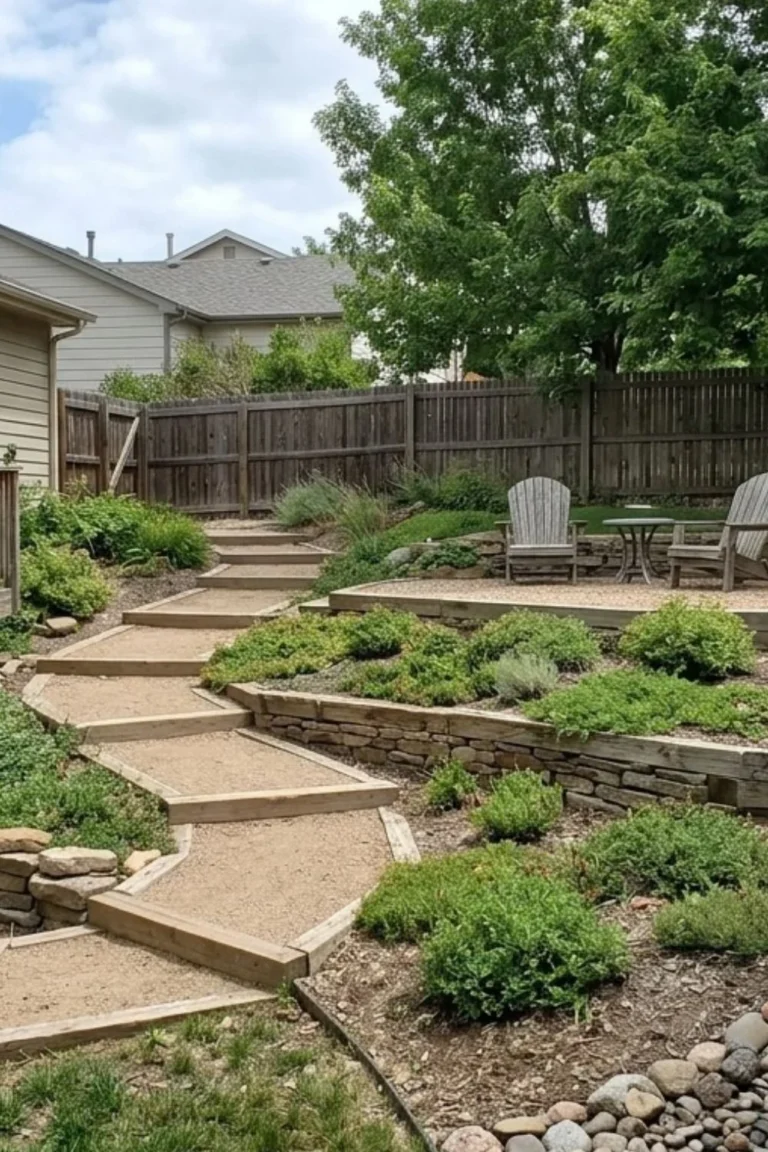
Layered Privacy Planting
Layered planting creates privacy at different heights.
A simple arrangement may include:
- taller upright plants near the fence
- medium shrubs in front
- low plants along the front edge
This can look more natural than one straight row of identical plants.
However, leave enough room for mature growth.
Small Yard Privacy Ideas
Small yards need especially careful planning.
Too much screening can make the space feel smaller.
Use:
- one privacy trellis
- a limited section of upright planting
- strategic containers
- one partial screen
- targeted corner privacy
Keep the center open whenever possible.
Light and Maintenance Tradeoffs
Every privacy solution has a tradeoff.
Dense planting can create better screening, but it may need more pruning.
Vines can cover a trellis quickly, but fast growth can become difficult to control.
Containers are flexible, but they may need more frequent watering.
Solid screens work immediately, but too many can reduce openness.
The best solution is the one that provides enough privacy without creating more maintenance than you want.
Common Backyard Privacy Mistakes
Trying to Block Every View
Most yards only have a few problem sightlines.
Solve those first.
Planting Too Densely
Plants need room to mature.
Crowded planting can increase pruning and reduce airflow.
Using a Solid Barrier Everywhere
A completely enclosed yard may feel smaller and darker.
Use partial screening where possible.
Choosing Plants Without Checking Mature Size
A small nursery plant may eventually become much wider than expected.
Always consider mature height and width.
Ignoring Maintenance
Living screens, vines, and containers still need care.
Plan for watering, pruning, and seasonal cleanup.
Forgetting the View From Inside the House
Also check privacy from windows and the sliding door.
A screen may look fine from the lawn but block too much light from inside.
Frequently Asked Questions
What is the easiest way to add backyard privacy?
Start by identifying the exact exposed sightline. A partial screen, narrow plants, or a simple trellis may solve the problem without redesigning the entire yard.
What plants are good for backyard privacy?
The best choice depends on climate, sunlight, mature size, and available width. Narrow upright plants and manageable shrubs are often useful for smaller yards.
Can a trellis provide enough privacy?
Yes, especially when combined with a climbing plant. However, coverage develops gradually, so a trellis may not provide complete privacy immediately.
Are containers good for privacy?
Yes. Large containers with upright plants can create flexible screening near patios and small yards.
How can I add privacy without blocking sunlight?
Use open trellises, slatted screens, layered plants with gaps, and targeted screening instead of dense barriers around the whole yard.
How do I keep a privacy garden low maintenance?
Choose plants that fit the space, avoid overcrowding, limit the number of privacy features, and prune lightly before growth becomes difficult to control.
Final Thoughts
Backyard privacy does not need to come from one tall wall or a dense hedge surrounding the entire property.
Start by finding the exact sightline you want to block.
Then use a practical mix of plants, trellis, partial screens, and containers to solve that area.
Keep light, airflow, lawn, and walking space whenever possible.
A backyard can feel more private without losing the open, comfortable feeling that makes outdoor space enjoyable.