Vegetable gardening does not require a large backyard. With a thoughtful layout, even a compact space can produce tomatoes, peppers, cucumbers, herbs, leafy greens, and other everyday vegetables.
The most important part is not fitting in as many plants as possible. A good small vegetable garden layout should still leave enough room for sunlight, watering, walking, harvesting, and future maintenance.
This guide covers practical ways to plan a compact vegetable garden using rows, square-foot-style planting, raised beds, trellises, and simple paths.
Start With Sun and Access
Before planting anything, look at how sunlight moves across the yard.
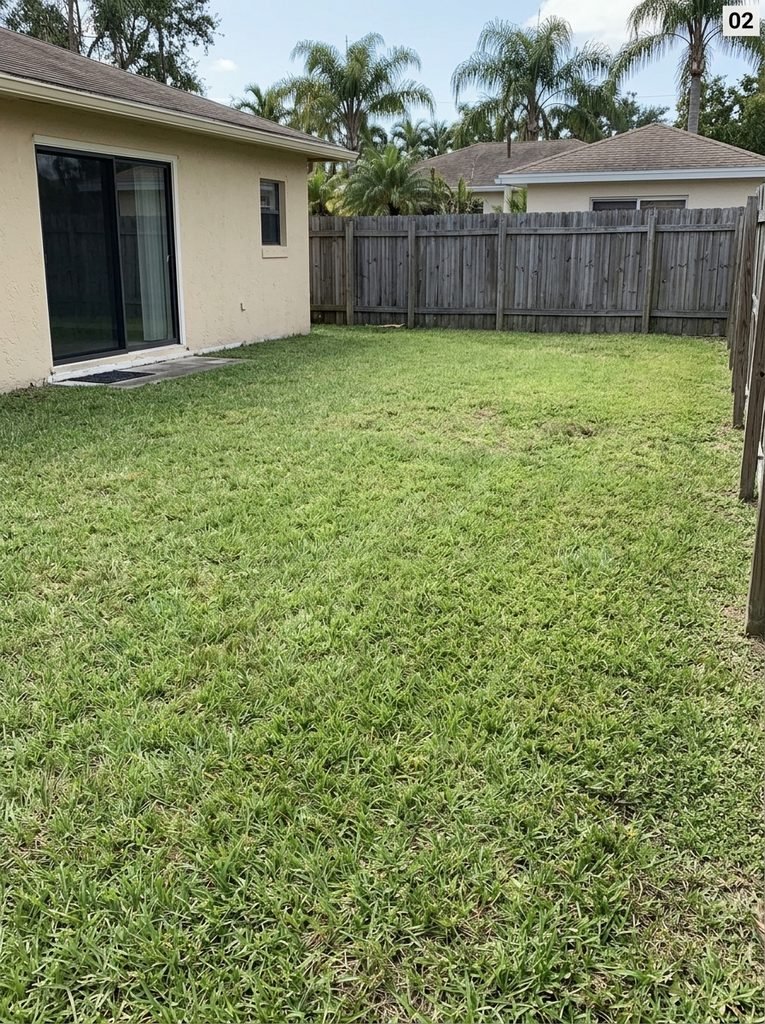
Most fruiting vegetables, including tomatoes, peppers, beans, and cucumbers, perform best when they receive plenty of direct sunlight. Leafy greens and some herbs can tolerate a little more shade.
Avoid placing the garden where the house, fence, or large trees block most of the daytime sun.
Also think about access.
Your garden should be close enough to the house that watering and harvesting do not become inconvenient. If you have to cross the entire yard every time you need a few basil leaves, the garden may become harder to maintain consistently.
Keep the route to the garden simple and open.
Measure the Available Space
Once you identify the best location, measure the usable garden area.
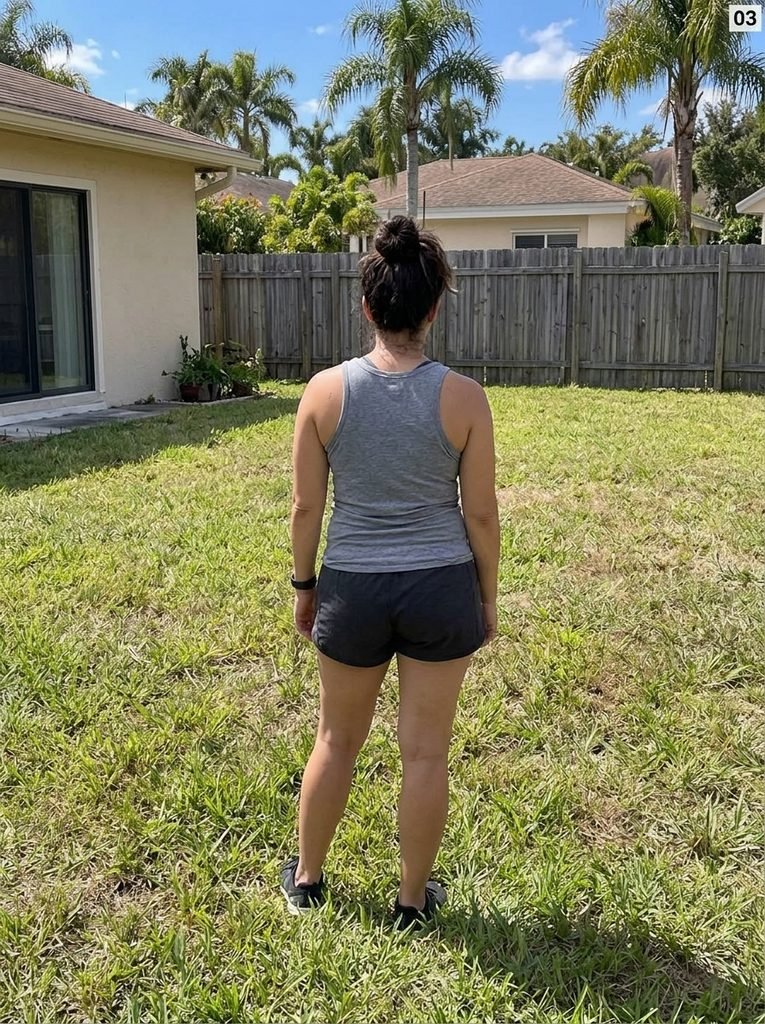
Do not estimate based only on the total size of the backyard.
Account for:
- doors and patios
- fences
- existing trees or shrubs
- outdoor faucets
- walking areas
- space used by children or pets
- room needed around the garden
Even a small area can work well when every section has a clear purpose.
Mark the Garden Before Planting
Before digging or building beds, mark the proposed layout directly on the ground.
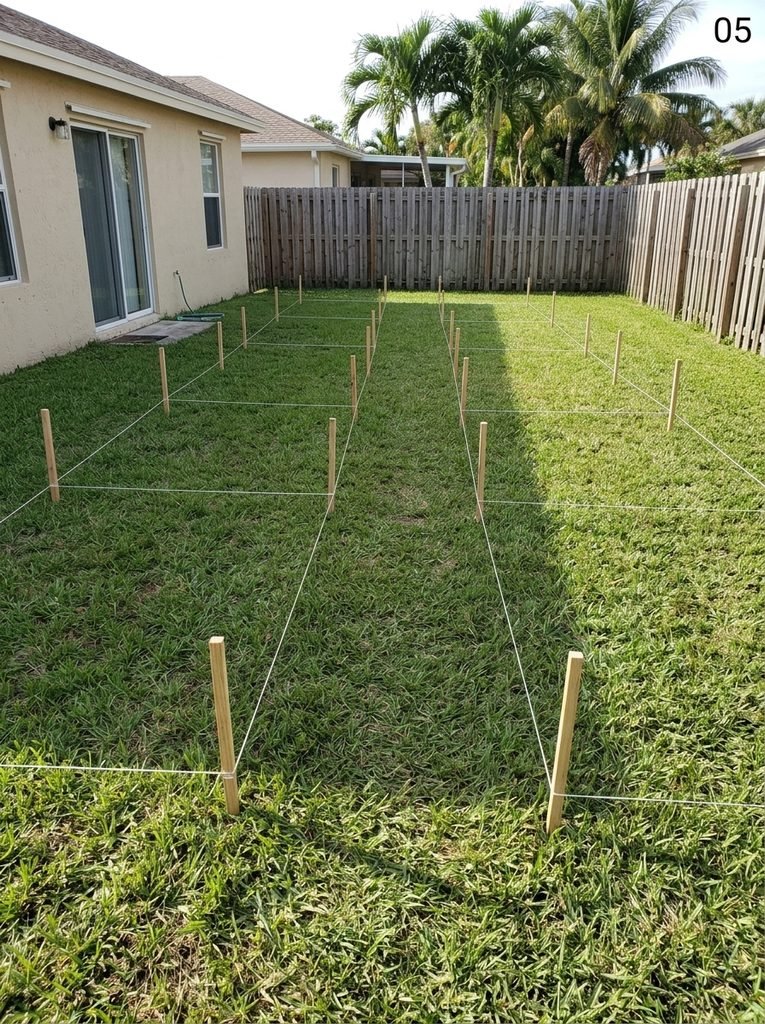
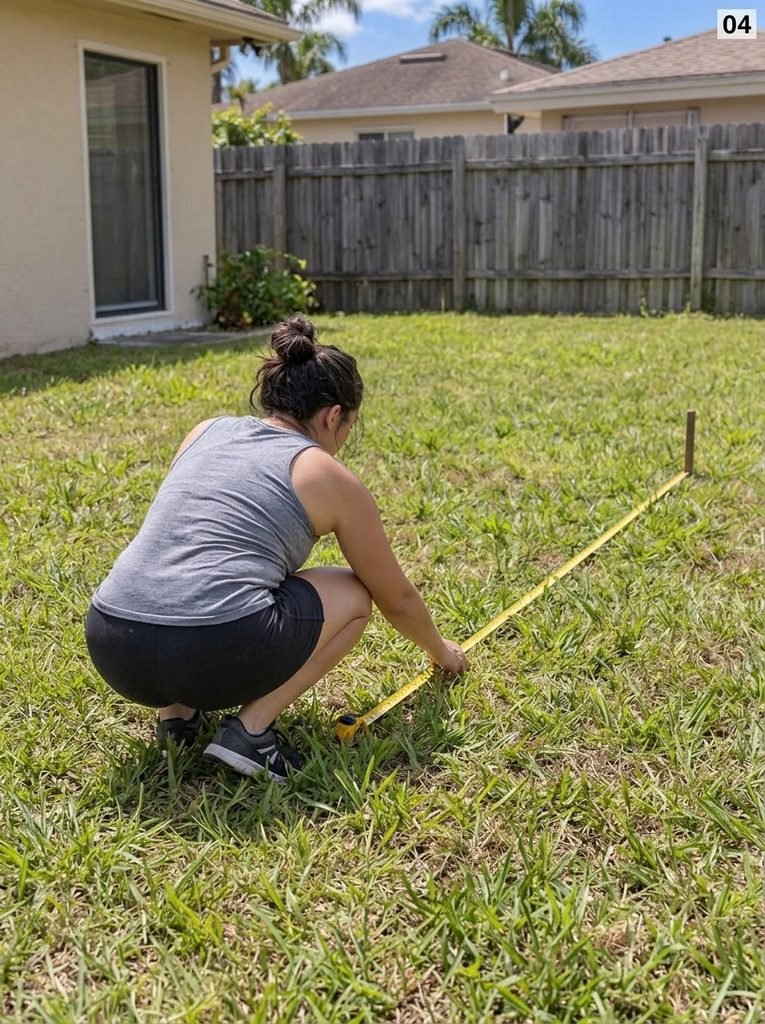
Simple stakes and garden string can help you see the actual size of the garden.
Walk around the marked area and check whether the paths feel comfortable.
This step often reveals problems that are difficult to notice on a paper sketch.
For example, a garden may technically fit into the available space but leave too little room to walk between beds.
1. Simple Row Garden Layout
Traditional garden rows remain one of the easiest ways to start vegetable gardening.
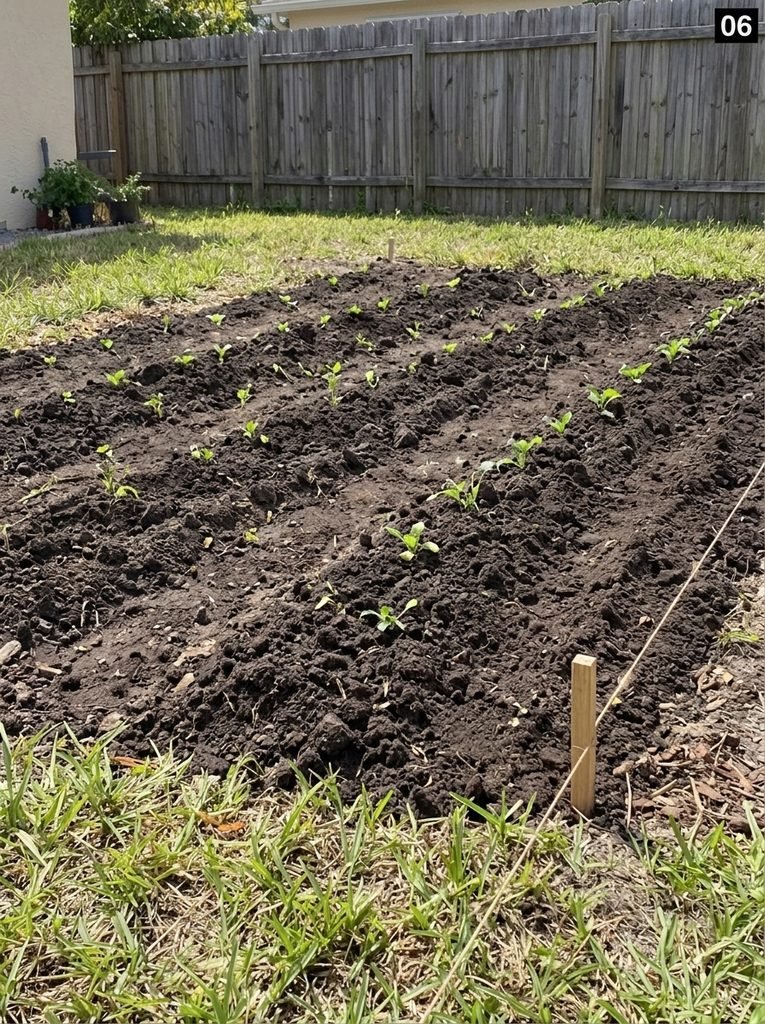
Rows work especially well for vegetables such as:
- beans
- carrots
- onions
- leafy greens
- peppers
- bush-type vegetables
Keep the rows long enough to be productive but short enough that the garden still feels manageable.
In a small backyard, several shorter rows can be more practical than one large continuous garden.
2. Leave Enough Space Between Rows
Spacing between vegetable rows matters almost as much as spacing between individual plants.
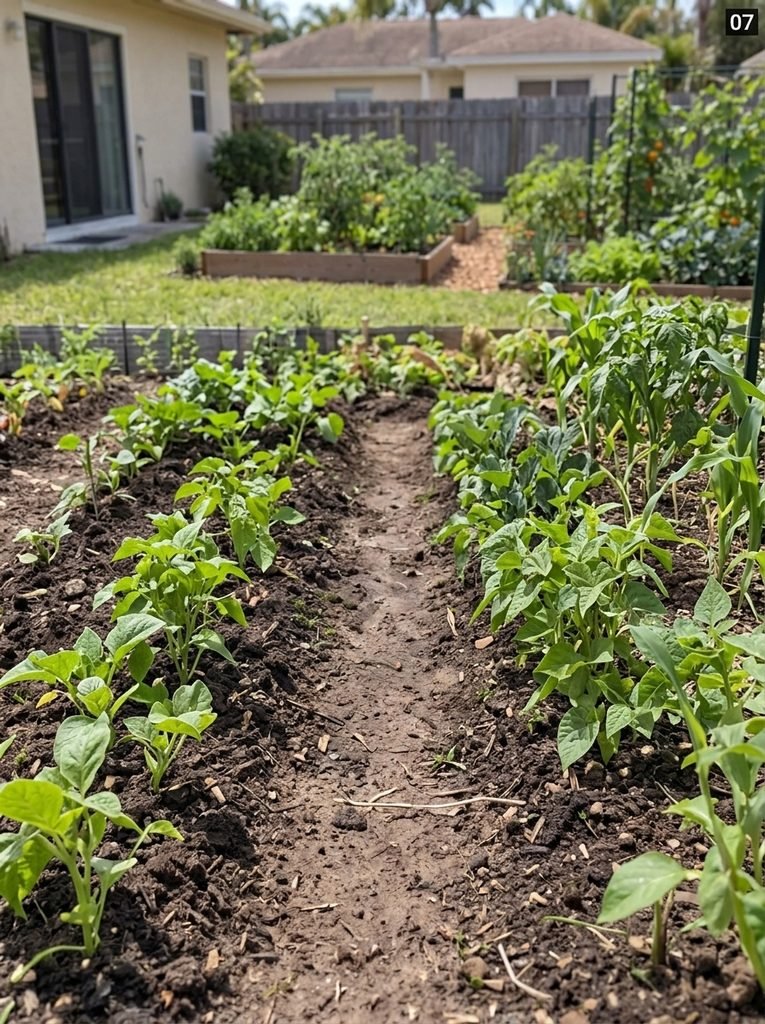
You need enough room to:
- walk comfortably
- pull weeds
- water plants
- inspect leaves
- harvest vegetables
- carry tools
Avoid creating very narrow paths just to squeeze in one more row.
Plants also become wider as they mature. A path that looks spacious at planting time can become crowded later in the season.
3. Try a Square-Foot Style Layout
Square-foot-style gardening divides a small growing area into smaller planting sections.
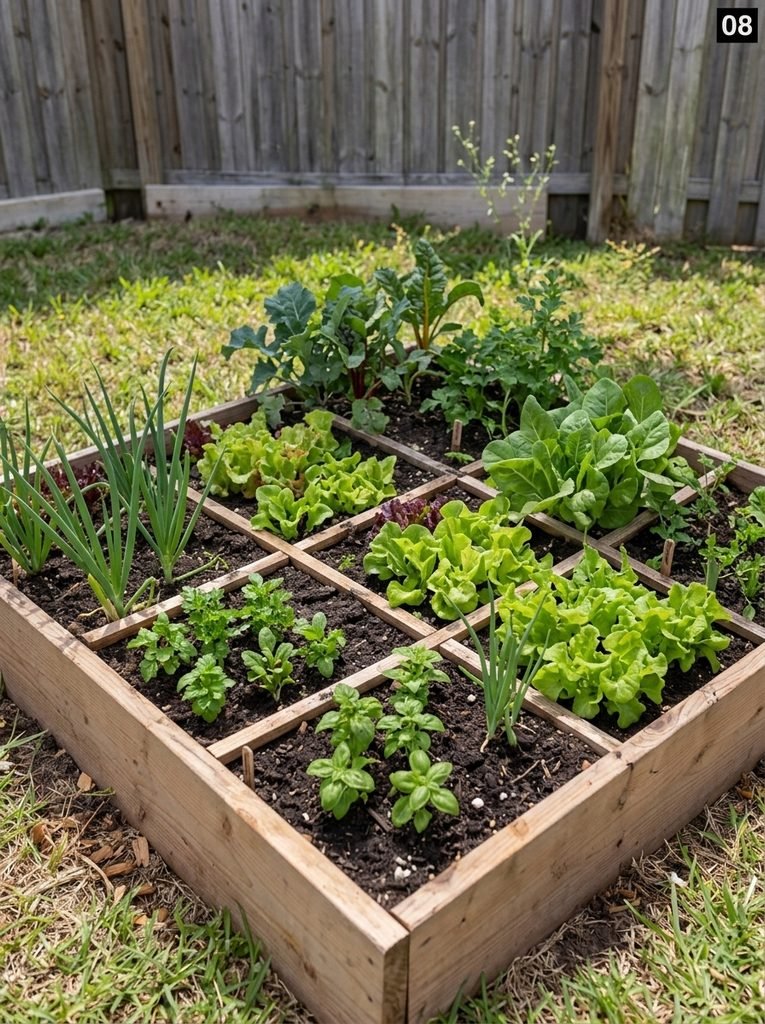
This approach can help organize a compact garden and make it easier to grow several vegetables in one bed.
Different sections can be used for different crops.
For example, one section might contain lettuce, while another contains herbs, onions, or smaller vegetables.
The exact spacing should still depend on the mature size of each plant.
Mix Crops Carefully in a Small Grid
A square-foot-style layout is most useful when the crops are not packed too tightly.
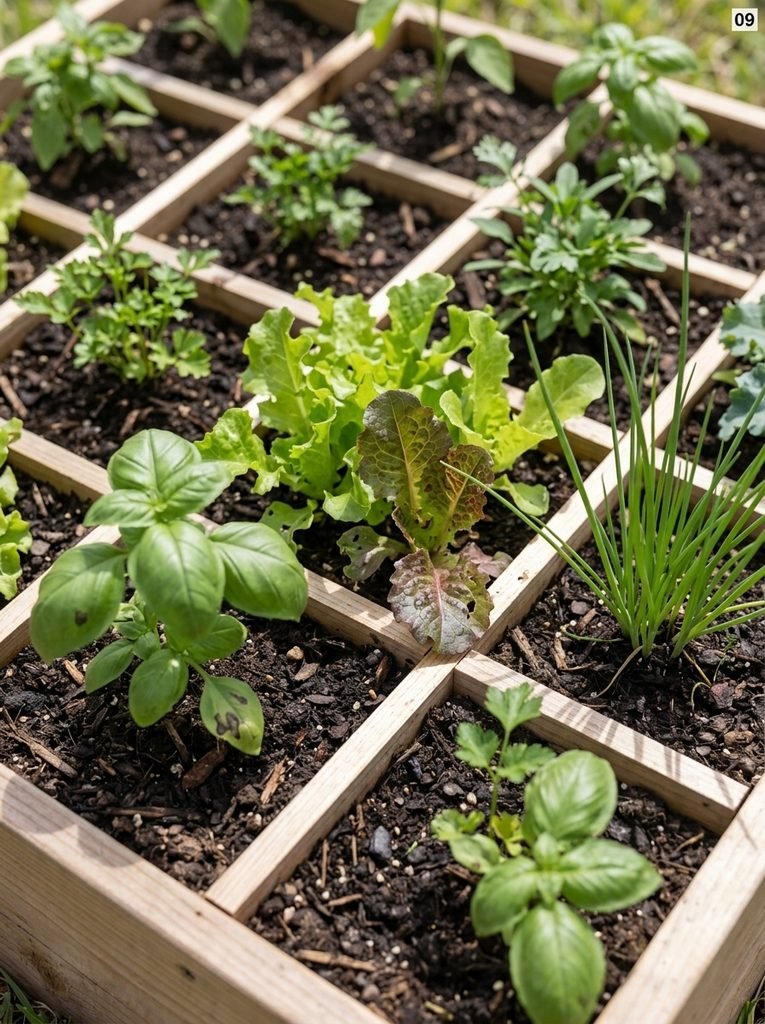
Combine plants with different growth habits.
Leafy greens may occupy a compact section, while herbs or narrow upright crops can use another.
Leave visible soil between young plants.
A newly planted bed does not need to look completely full. Healthy plants will occupy more space as they grow.
4. Use a Single Raised Bed
A single raised bed is another practical option for a compact vegetable garden.
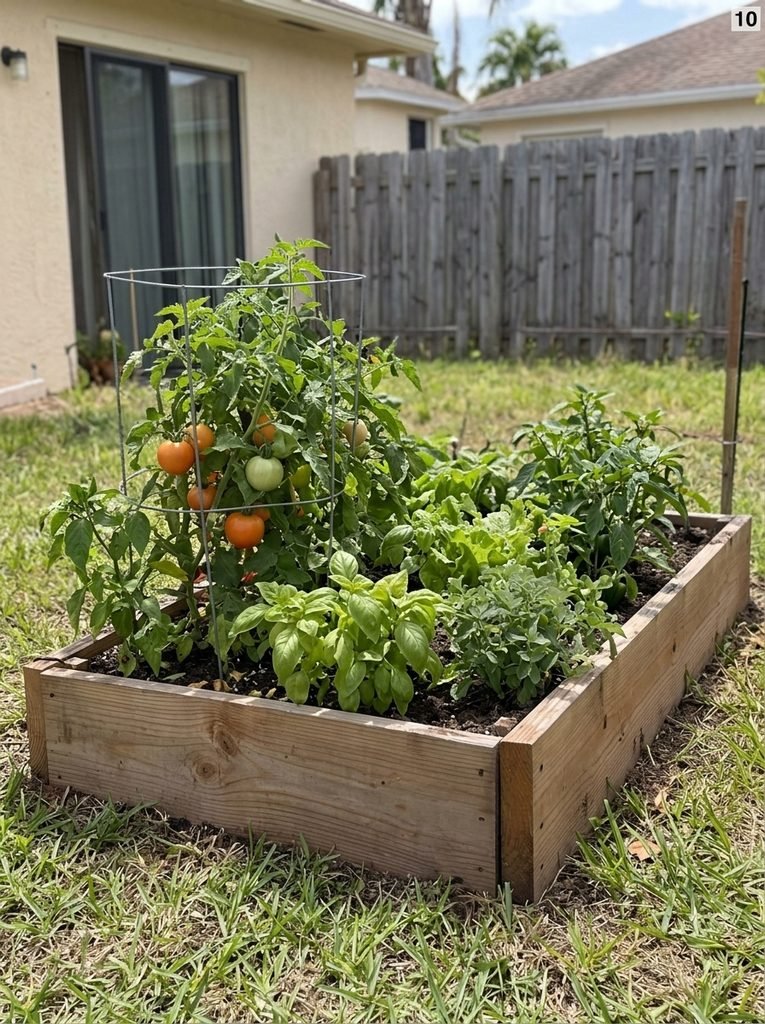
Raised beds can make soil preparation, drainage, and garden organization easier.
A mixed vegetable bed might contain:
- tomatoes
- peppers
- basil
- lettuce
- parsley
- other leafy greens
Keep taller plants toward one side so they do not shade the entire bed.
The bed should also be narrow enough that you can comfortably reach the center.
5. Use Two Raised Beds With a Central Path
If the yard has a little more room, two raised beds can create a simple and efficient garden layout.
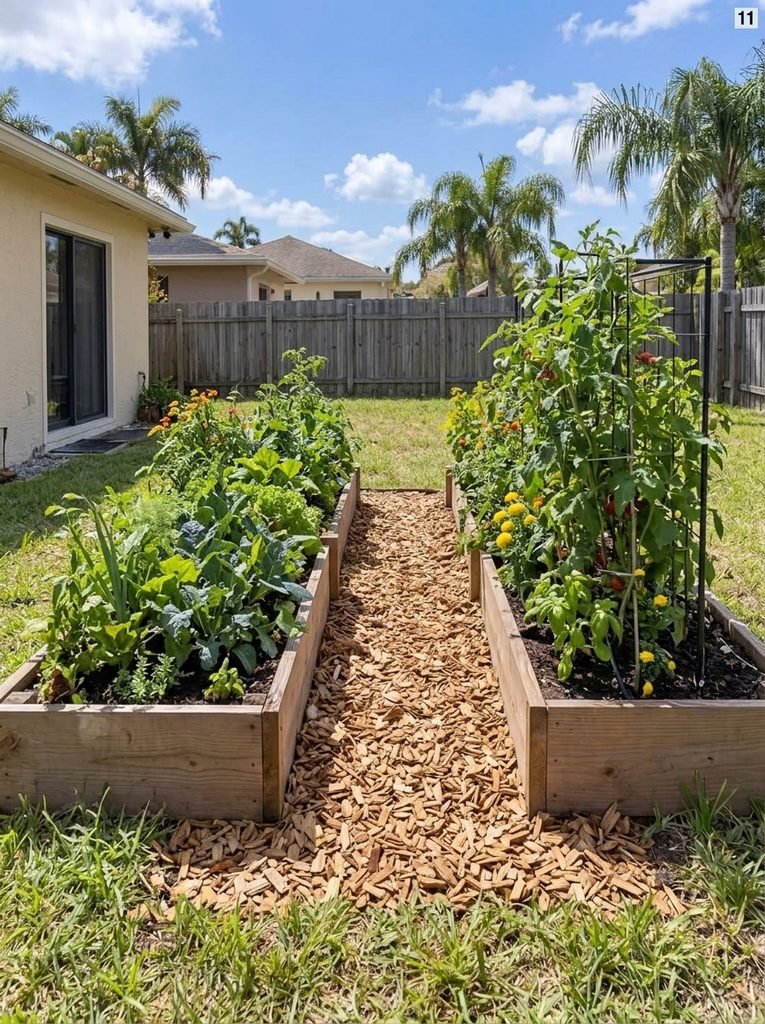
Place the beds parallel to each other and leave a practical walking path in the middle.
This gives you access to both beds without stepping into the soil.
A two-bed system can also make crop organization easier.
For example:
- one bed for tomatoes, peppers, and basil
- one bed for leafy greens, herbs, and compact vegetables
6. Build a Compact 10×10 Vegetable Garden
A 10×10-style vegetable garden can provide useful growing space without taking over the entire backyard.
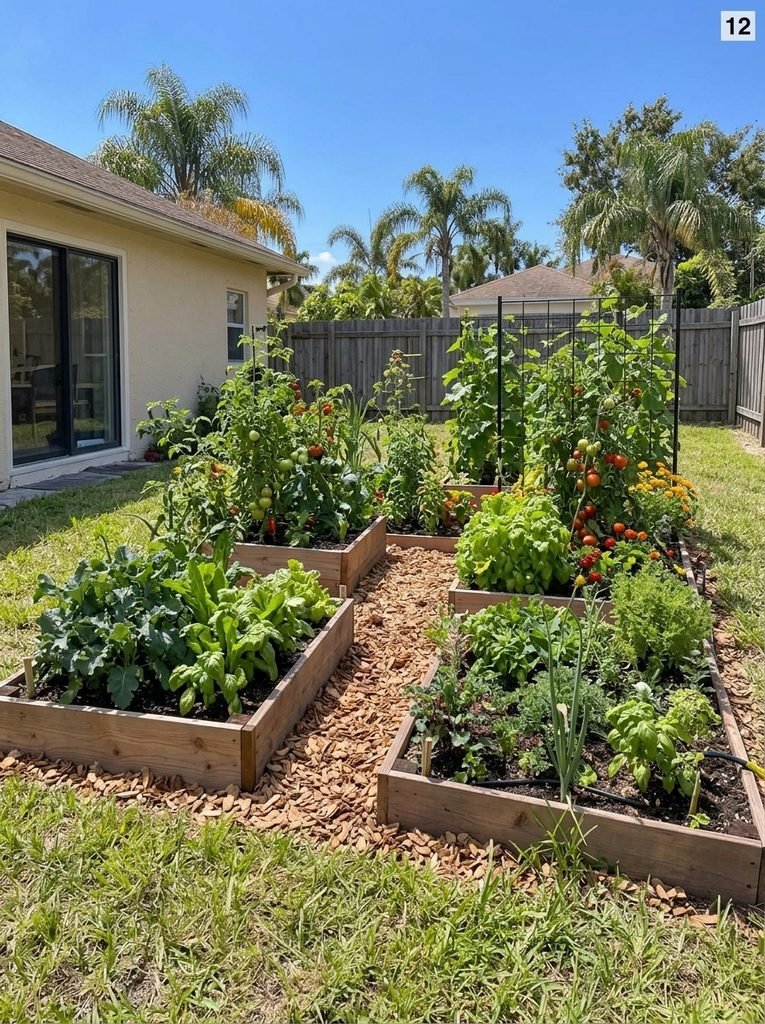
The exact layout does not need to be a perfect square.
The important part is organizing the space into accessible planting areas.
Instead of creating one large block of plants, use smaller growing zones separated by paths.
This makes watering, harvesting, and maintenance easier.
Organize the Garden Into Planting Zones
Separate crops by their size and growth habits.
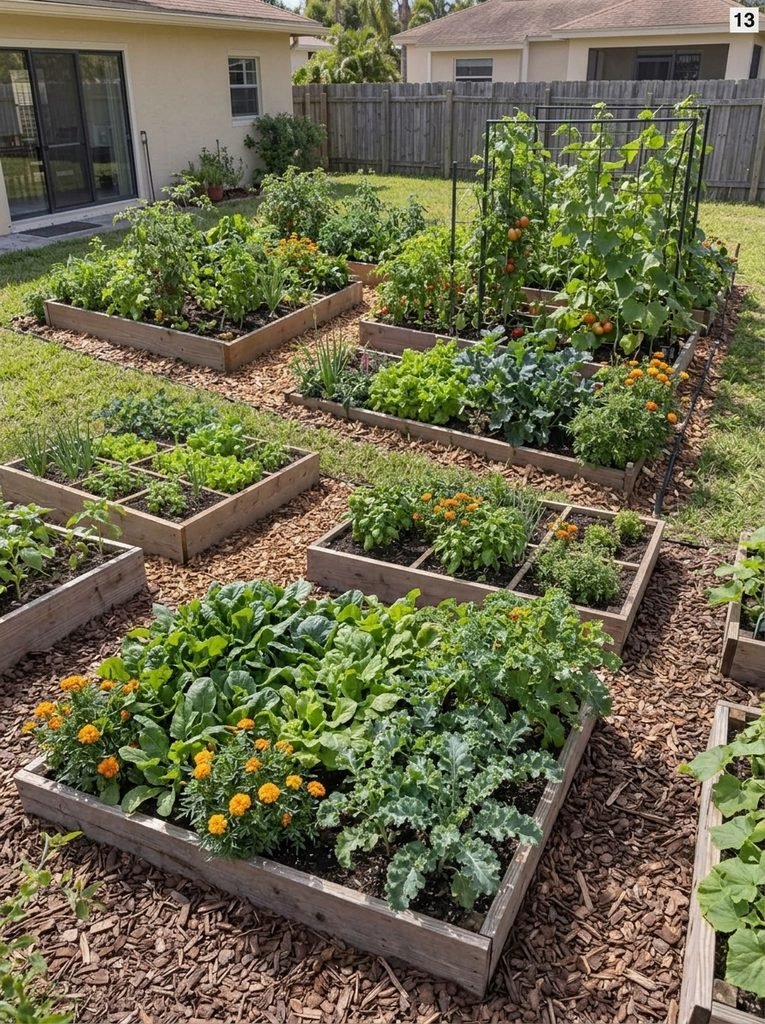
For example, a compact garden may have:
- leafy greens in one section
- herbs in another
- peppers or compact vegetables in another
- tomatoes and climbing crops along one edge
This does not mean every crop needs a dedicated bed.
The goal is simply to prevent the garden from becoming a random mix of plants that are difficult to maintain.
Put Tall Crops Toward the Back
Tall vegetables should be positioned carefully.
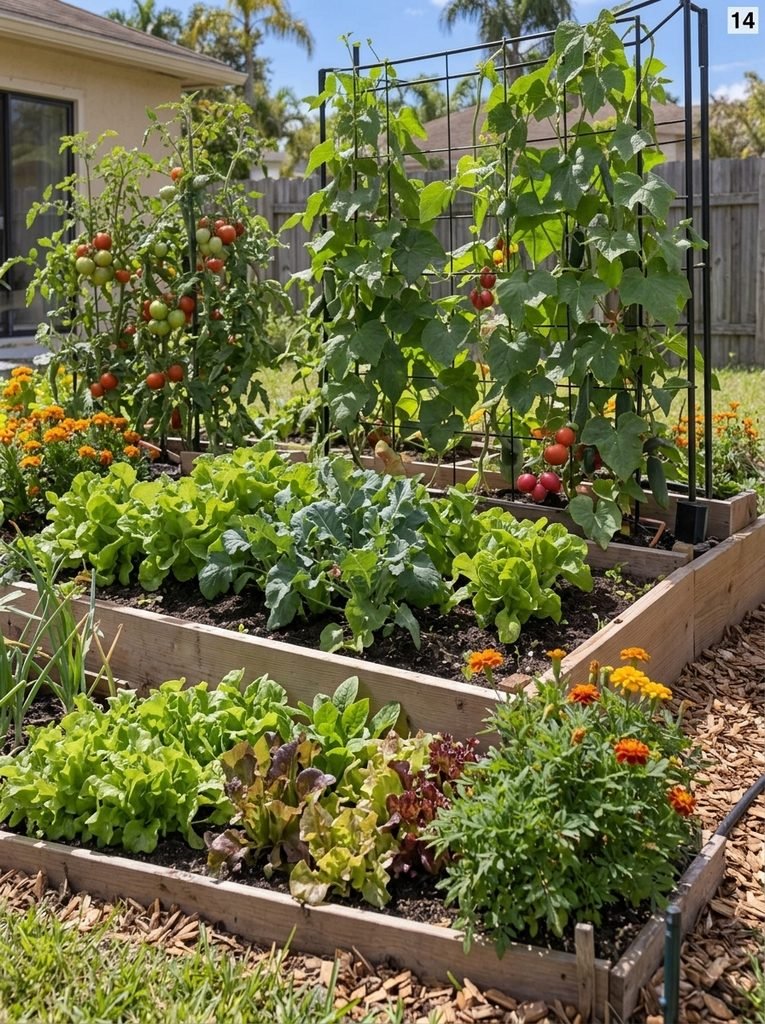
Tomatoes, pole beans, and trellised cucumbers can become much taller than lettuce, herbs, or low-growing vegetables.
Placing taller plants toward the back or along one edge can help prevent unnecessary shading.
The best position depends on the direction of sunlight in your yard.
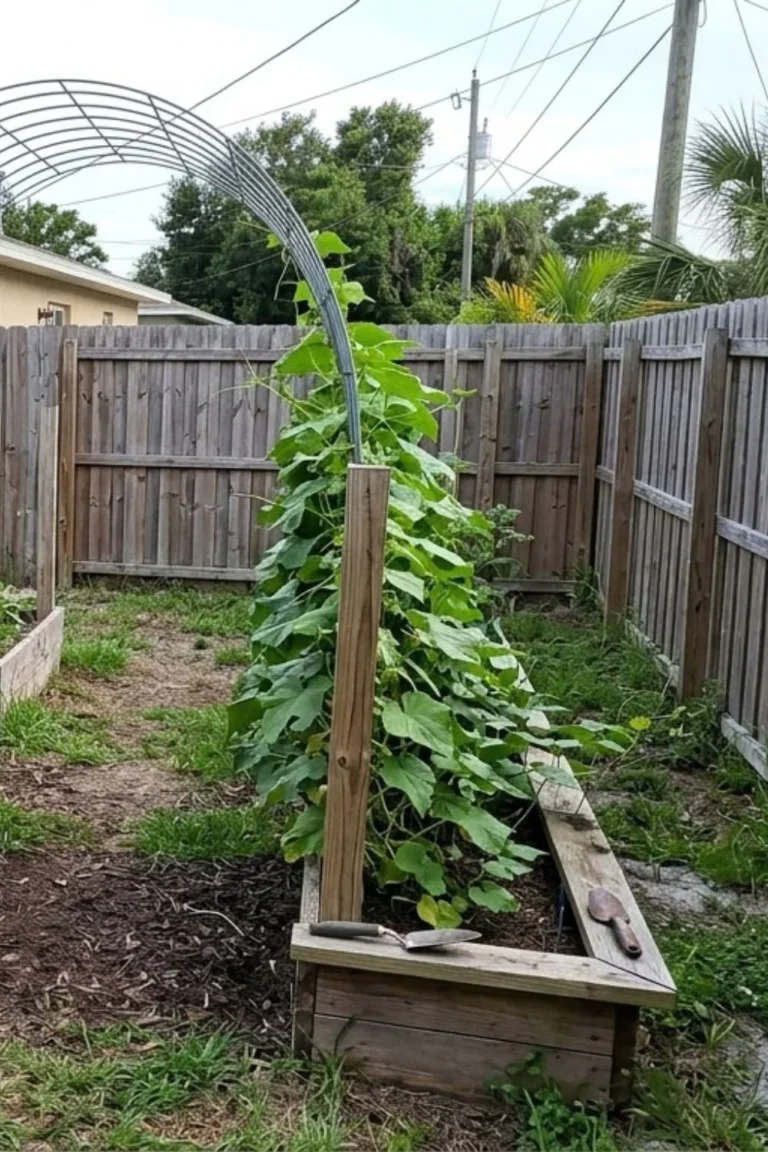
7. Grow Vertically With a Trellis
Vertical growing can significantly improve a small vegetable garden.
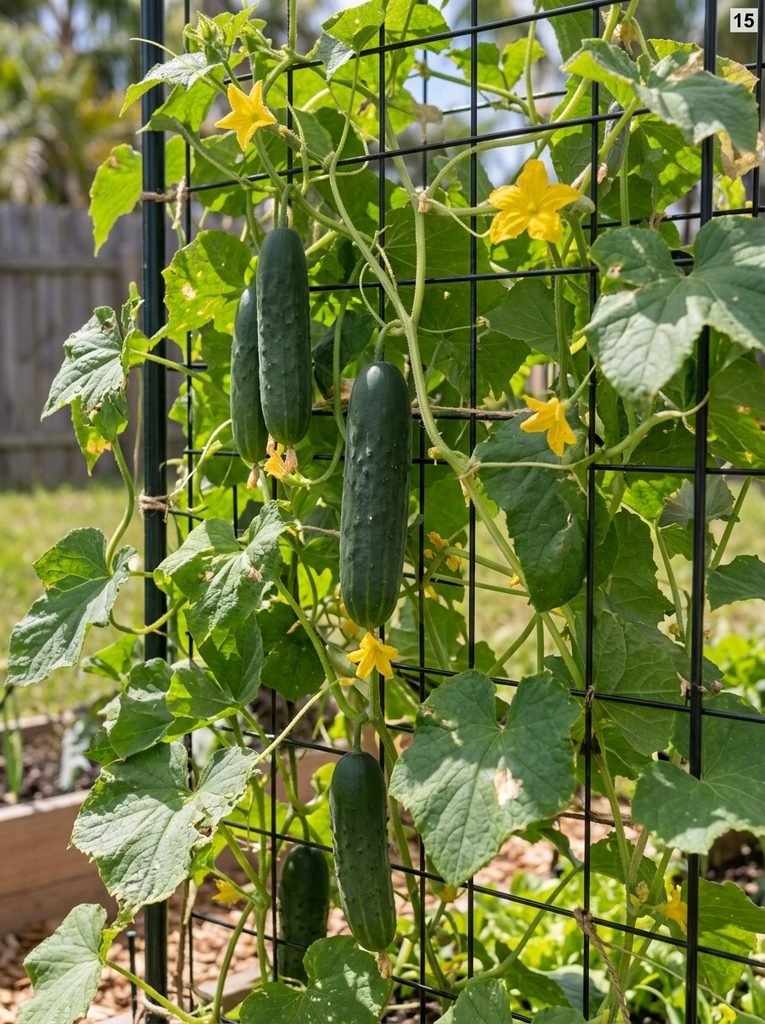
A trellis is useful for crops such as:
- cucumbers
- pole beans
- peas
- some tomatoes
Instead of allowing vines to spread across the ground, guide them upward.
This can free up valuable growing space and make some crops easier to inspect and harvest.
Make sure the trellis is stable enough to support mature plants.
Give Vegetables Enough Space
One of the most common mistakes in vegetable gardening is overcrowding.
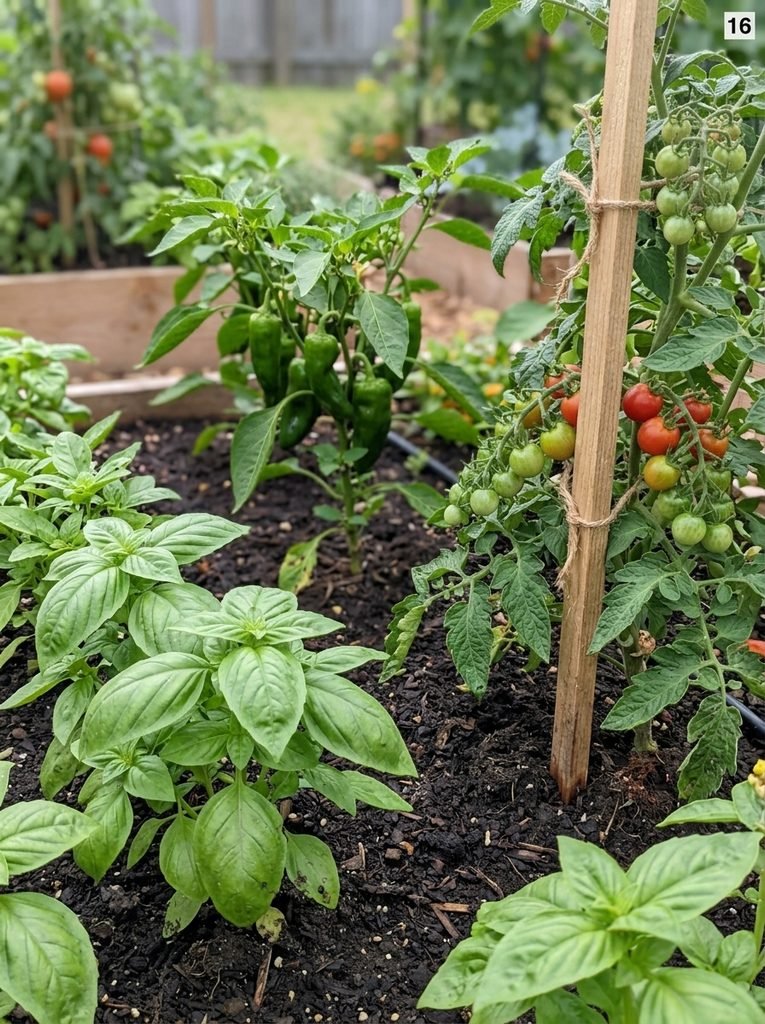
Small seedlings can make a garden look empty, which often encourages gardeners to add too many plants.
But vegetables grow quickly.
Tomato plants, peppers, basil, and leafy greens all need enough room for air circulation, sunlight, and root growth.
Follow the spacing needs of the specific crop rather than trying to make the bed look full immediately.
8. Mix Vegetables, Herbs, and Companion Plants
A compact garden can contain more than one type of plant.
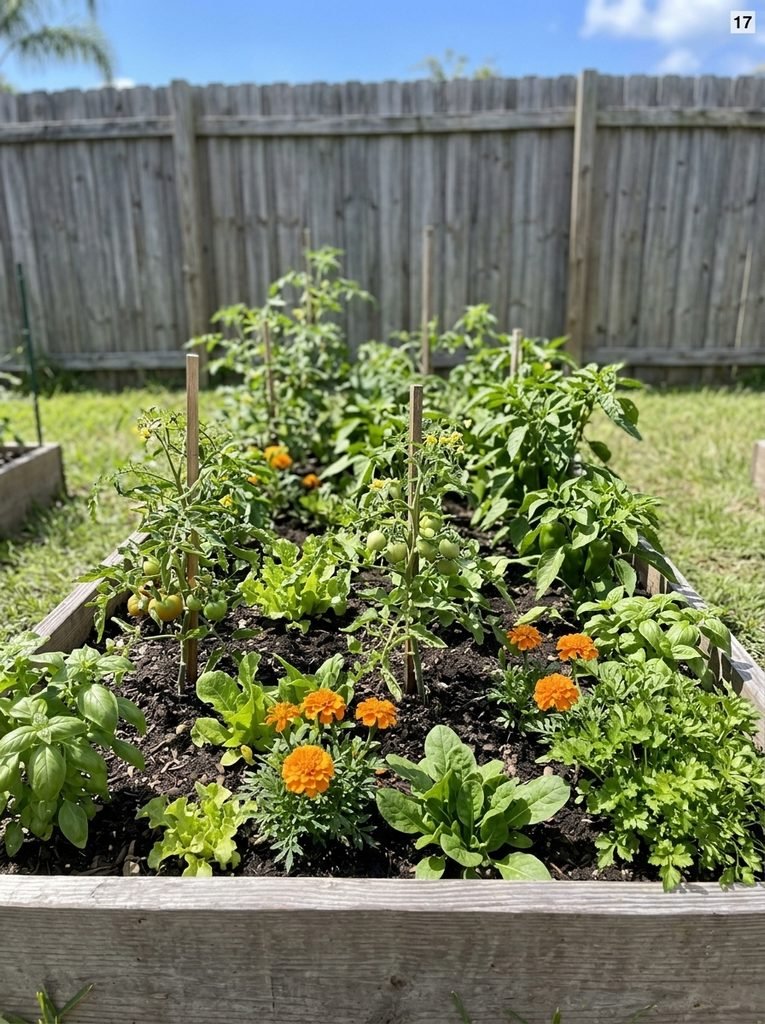
Vegetables and herbs can be grown together when their spacing and sunlight needs are compatible.
You can also add a few small flowers, such as marigolds, around vegetable beds for visual variety and pollinator activity.
However, vegetables should remain the main focus.
Do not allow companion plants to take over valuable growing space.
Make Watering Easy
A small vegetable garden still needs reliable water access.
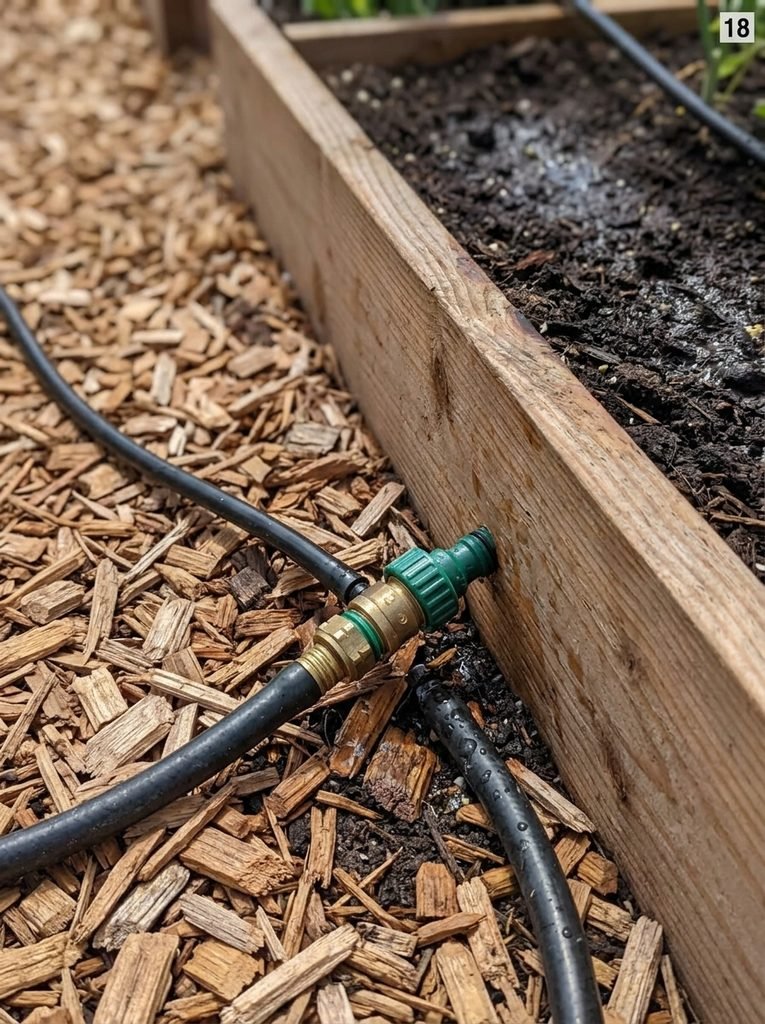
For a very small garden, a regular hose may be enough.
For several beds or rows, a simple drip irrigation or soaker system can help deliver water more consistently.
Keep hoses and irrigation lines away from the middle of walking paths.
Water the soil around the root zone rather than repeatedly wetting only the leaves.
Use Mulch on Garden Paths
Mulch or wood chips can make vegetable garden paths easier to use.
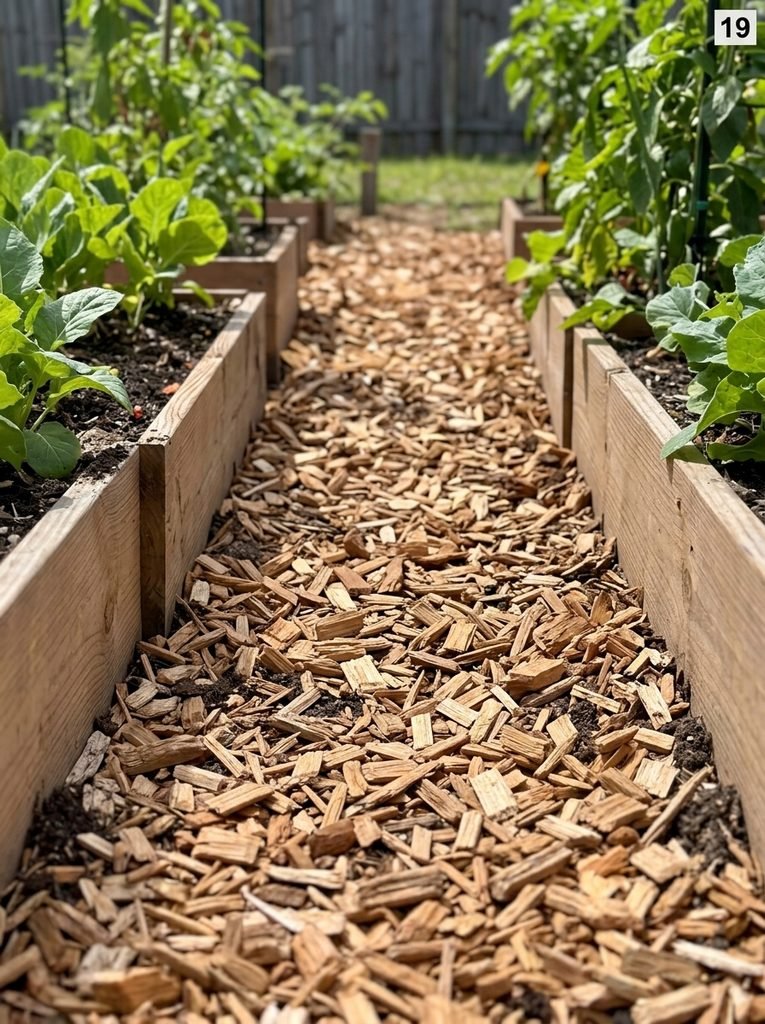
Mulched paths can help:
- reduce mud
- define walking areas
- suppress some weeds
- keep soil from being tracked around the yard
The edges do not need to be perfectly straight.
A practical home vegetable garden should feel functional rather than professionally landscaped.
Maintain and Harvest Regularly
Once vegetables begin producing, check the garden regularly.
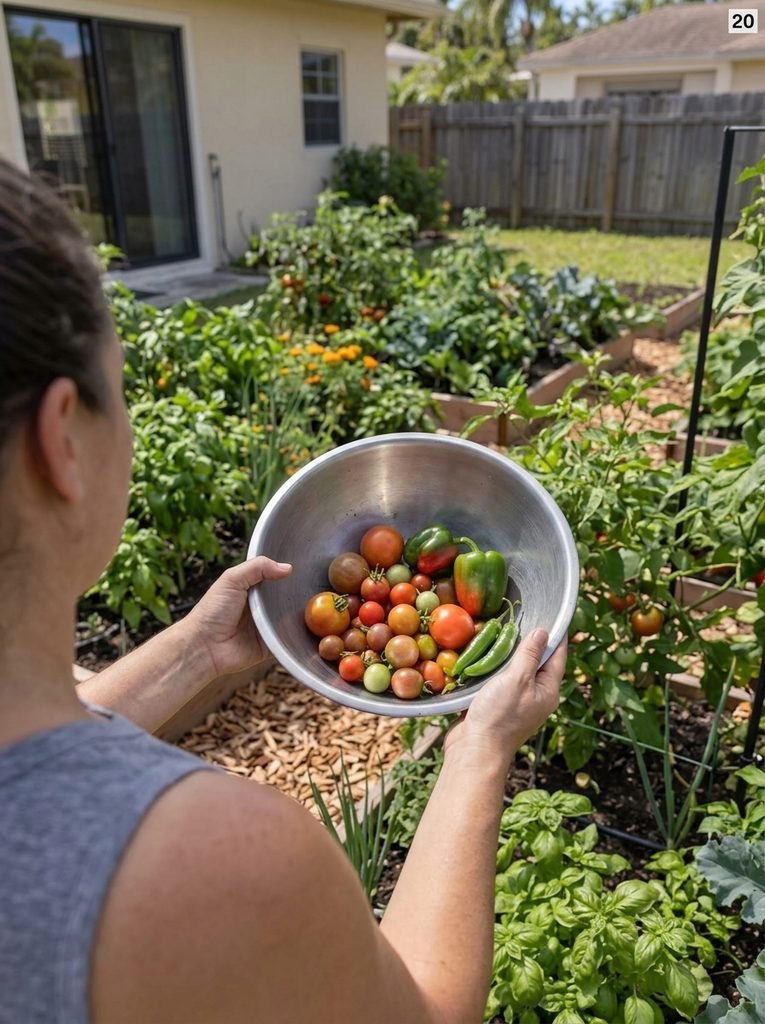
Frequent harvesting can prevent vegetables from becoming overripe and makes it easier to notice problems early.
Look for:
- damaged leaves
- insects
- broken supports
- dry soil
- weeds
- vegetables ready to harvest
A small harvest is completely normal.
Home vegetable gardens usually produce food gradually rather than all at once.
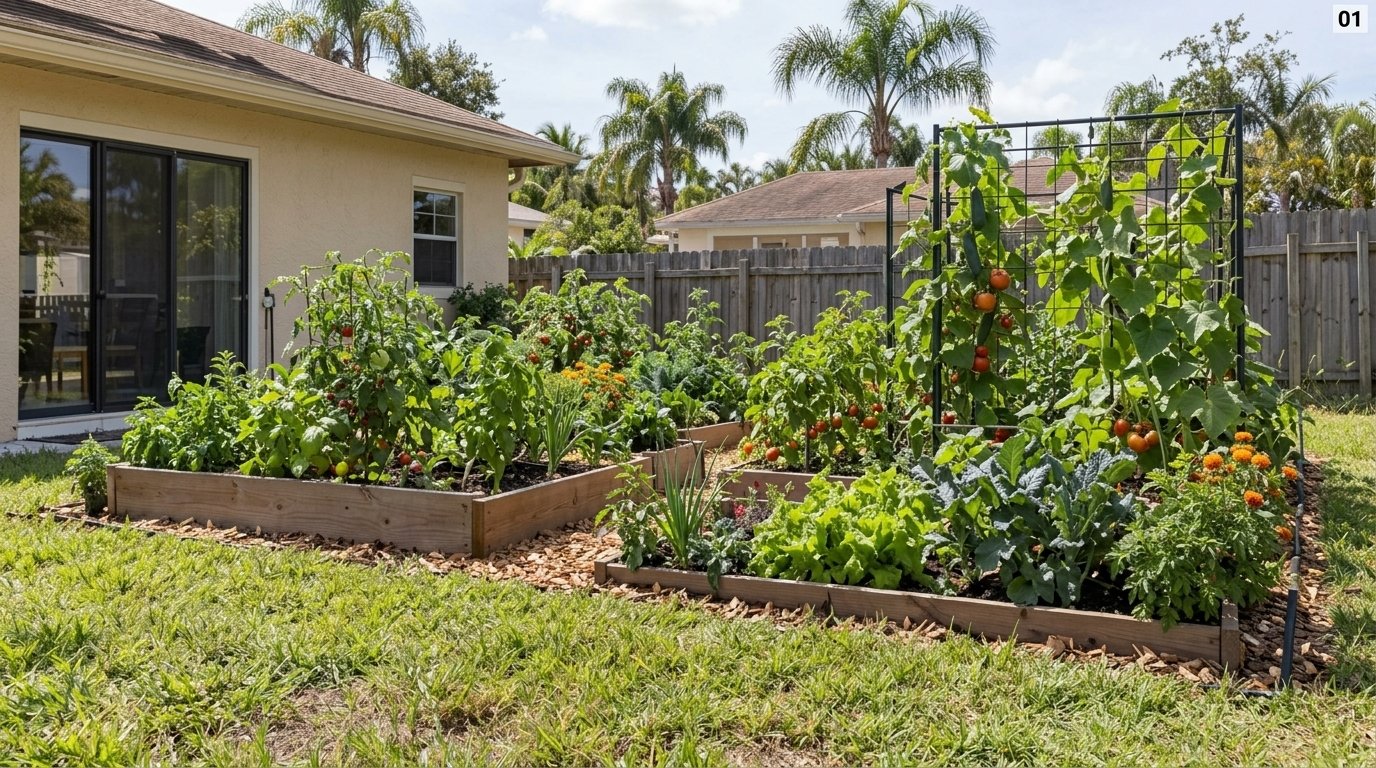
Final Mature Compact Vegetable Garden
A successful small vegetable garden does not need to fill the entire backyard.
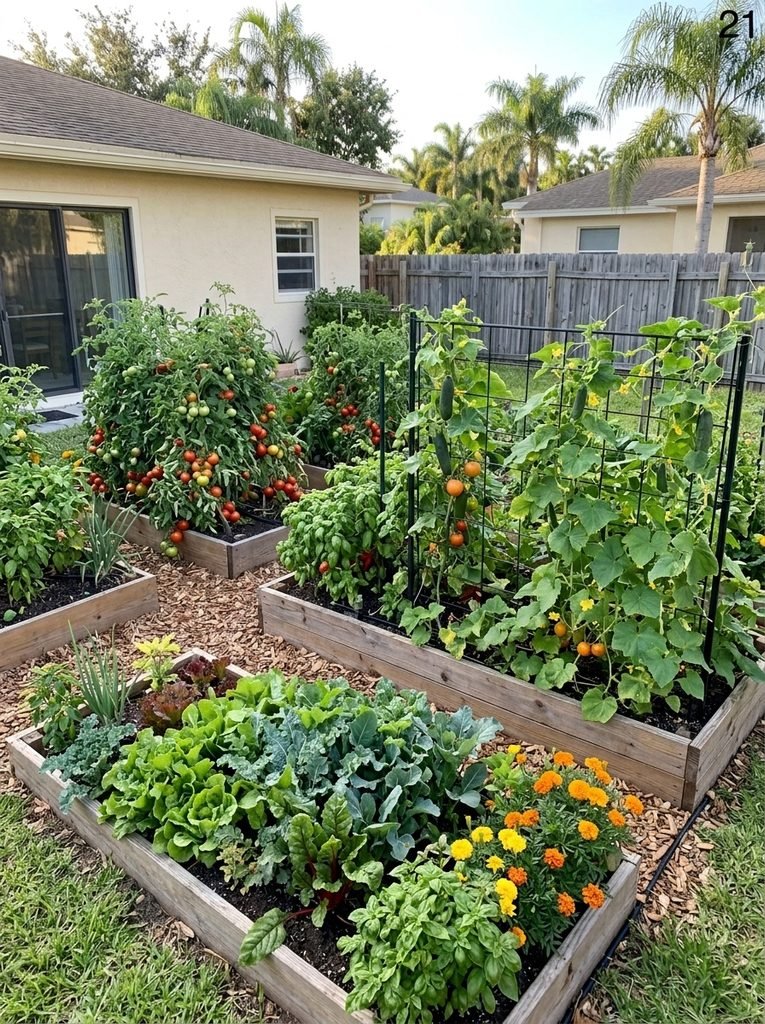
A practical layout may include:
- a few raised beds
- a small row section
- one trellis
- clear paths
- easy watering access
- enough open lawn around the garden
The best layout is one you can maintain comfortably throughout the growing season.
Common Small Vegetable Garden Mistakes
Avoid trying to grow too many vegetables in too little space.
Overcrowding can make watering, pruning, harvesting, and pest inspection more difficult.
Also avoid making paths too narrow, placing tall crops where they shade everything else, or building beds that are difficult to reach.
Another common mistake is forgetting how large mature plants become.
Plan the garden based on full-grown vegetables rather than tiny seedlings.
Crop Rotation and Next-Step Planning
If you continue vegetable gardening from season to season, keep a simple record of what was planted in each area.
Rotating crop families can help you avoid repeatedly growing the same types of vegetables in exactly the same soil.
You do not need a complicated system.
A basic garden note can record:
- what was planted
- where it grew
- which crops performed well
- which areas received too much shade
- where watering was difficult
Use those observations to improve the next planting cycle.
Frequently Asked Questions
What is the easiest vegetable garden layout for beginners?
A few simple rows or one raised bed are usually the easiest starting points. Both layouts are straightforward to water, weed, and harvest.
How large should a small vegetable garden be?
There is no required size. Even a single raised bed can support useful vegetable production. A compact 10×10-style garden can provide more variety while still remaining manageable.
How much space should I leave between vegetable rows?
The correct spacing depends on the crop and how you maintain the garden. Leave enough room to walk comfortably after the plants reach mature size.
Can I grow vegetables close together?
Some crops can grow relatively close together, but overcrowding should be avoided. Follow the mature spacing needs of each vegetable and keep enough airflow around the plants.
What vegetables work well in a small garden?
Tomatoes, peppers, lettuce, leafy greens, herbs, beans, cucumbers, radishes, and onions can all work well when the layout and spacing suit the crop.
Are raised beds necessary for vegetable gardening?
No. Vegetables can grow successfully in traditional ground-level rows, raised beds, containers, or a combination of systems. Choose the method that fits your available space and maintenance preferences.
Final Thoughts
Vegetable gardening in a small backyard is mostly about using space carefully.
Start with sunlight and access. Measure the area before planting, keep paths open, give vegetables enough room to mature, and use trellises when vertical growth can save space.
You do not need a large or complicated garden.
A compact vegetable garden with good spacing, reliable watering, practical paths, and a manageable number of plants can provide a useful harvest while still leaving the backyard comfortable and easy to maintain.