Herb gardening is one of the easiest ways to start growing food at home, even when outdoor space is limited.
You do not need a large backyard. A sunny patio, balcony, window area, or small corner near the kitchen can hold useful herbs such as basil, parsley, mint, rosemary, thyme, oregano, and chives.
The key is choosing the right location, using containers that fit the space, grouping herbs by their growing needs, and keeping frequently used herbs easy to reach.
This guide covers practical small herb garden ideas for patios, windows, balconies, and other compact outdoor spaces.
Choose the Herb Garden Location
Before buying pots or planting herbs, decide where the garden will actually work best.
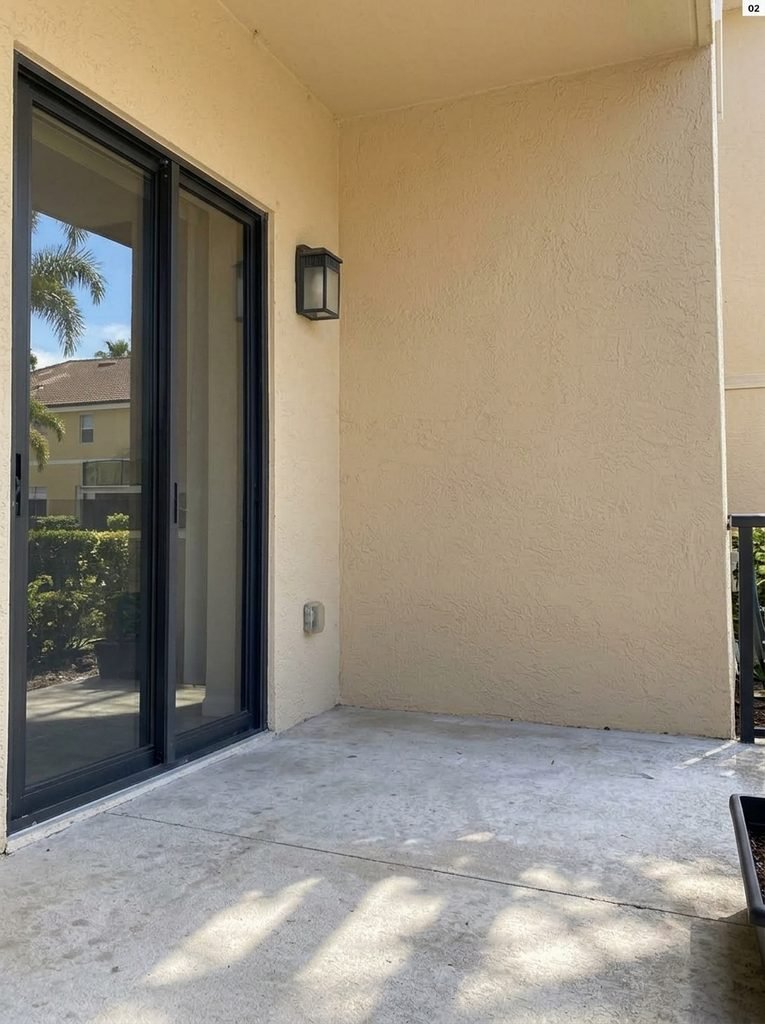
Most herbs need good light, but the exact amount varies by plant.
Basil, rosemary, thyme, oregano, and chives generally perform well in bright conditions. Parsley, cilantro, and mint can often tolerate a little more protection from intense afternoon sun.
Start by observing the space during the day.
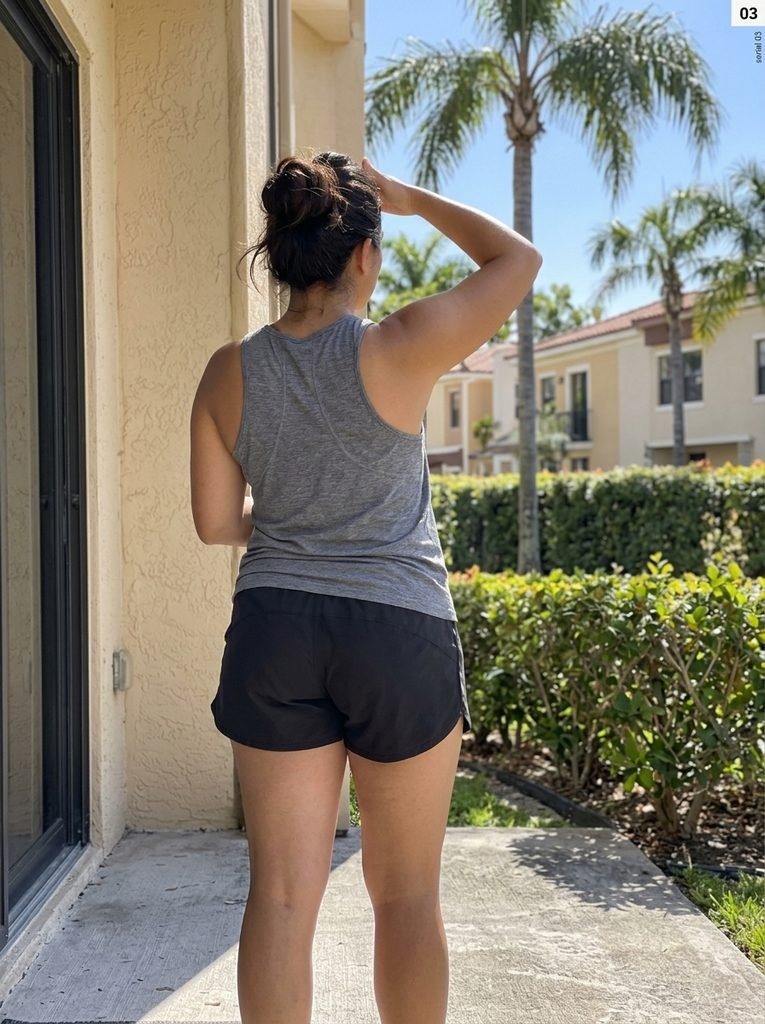
Look at where sunlight reaches the patio, balcony, or window area in the morning and afternoon.
Also consider:
- access to water
- walking space
- heat reflected from walls
- wind on balconies
- convenience from the kitchen
- room for plants to grow
The best herb garden location is not always the largest space. It is the place that gives the herbs enough light while remaining easy to maintain.
Measure the Available Space
Small-space herb gardening works better when the layout is planned before the containers are added.
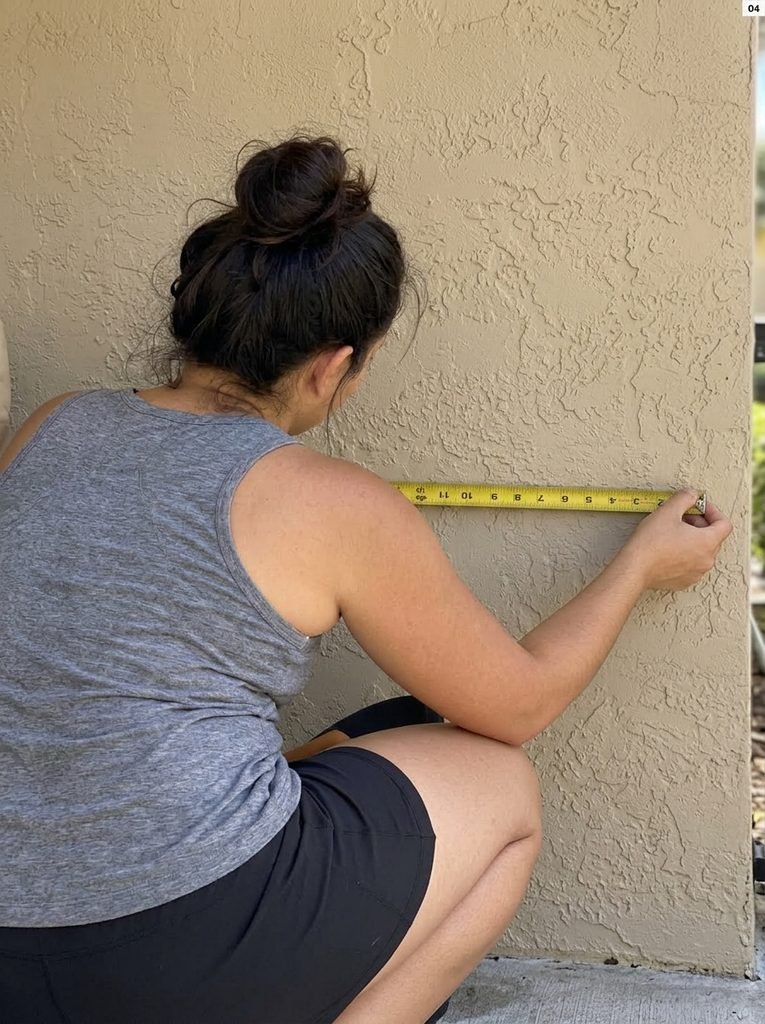
Measure the width of the patio wall, balcony corner, or window area you want to use.
Leave enough space for the sliding door, walking path, outdoor furniture, and normal household use.
A narrow patio can still hold several herbs if the containers are arranged along the edge rather than scattered across the floor.
Choose Simple Herb Containers
Herbs do not require expensive decorative pots.
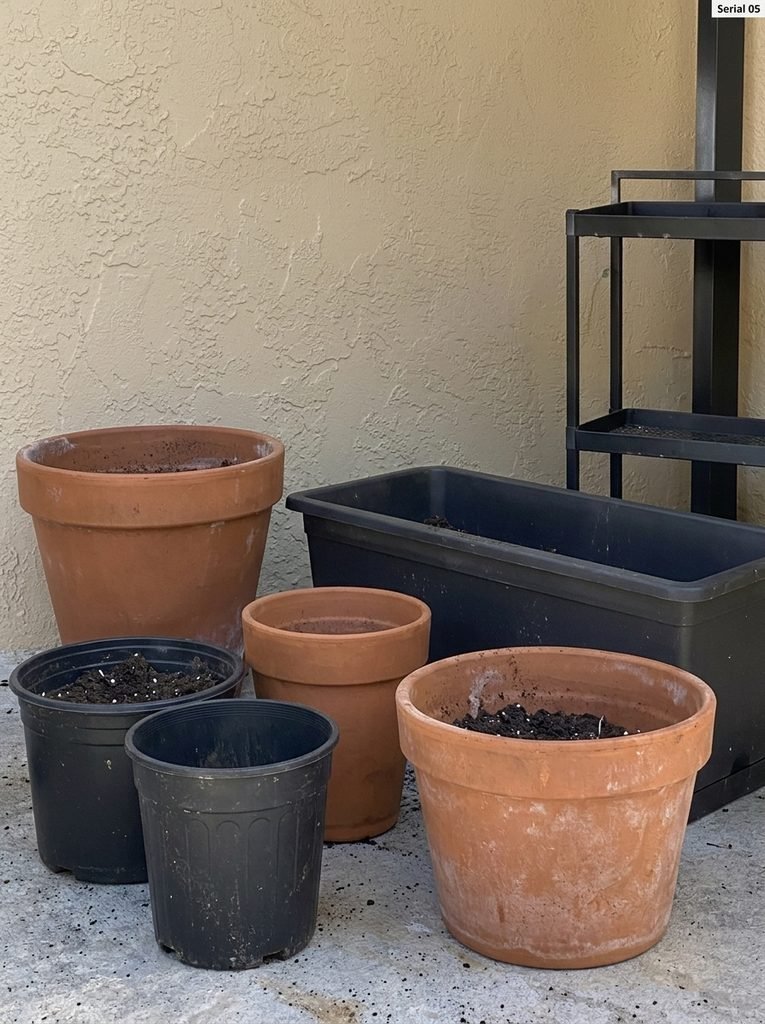
Ordinary terracotta pots, plain plastic containers, rectangular planters, and simple window boxes can all work.
Whatever container you use, make sure excess water can drain.
A pot that stays waterlogged can cause problems for many herbs.
Container size should also match the mature plant.
Small herbs can start in modest pots, while larger basil, rosemary, or mint plants usually benefit from more root space.
Herbs for Containers
Many common kitchen herbs grow well in containers.
Basil and Parsley
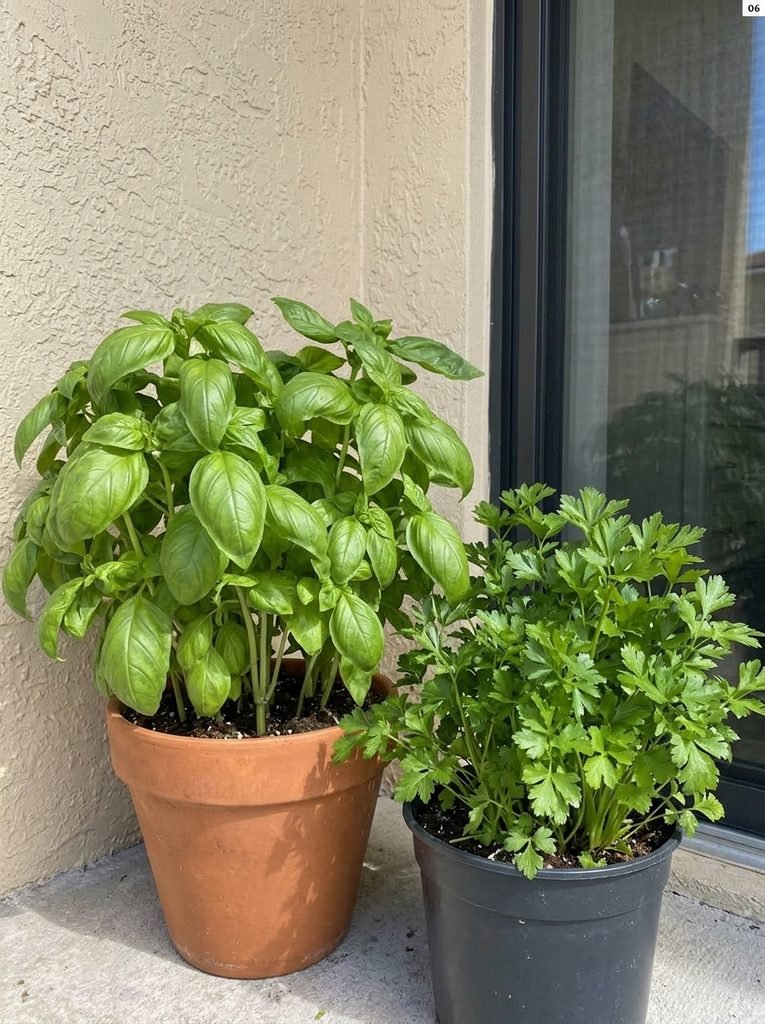
Basil is a useful warm-season herb for sunny patios and balconies.
Parsley also works well in containers and can be harvested gradually as needed.
Growing them in separate pots makes it easier to adjust watering and replace individual plants later.
Rosemary and Thyme
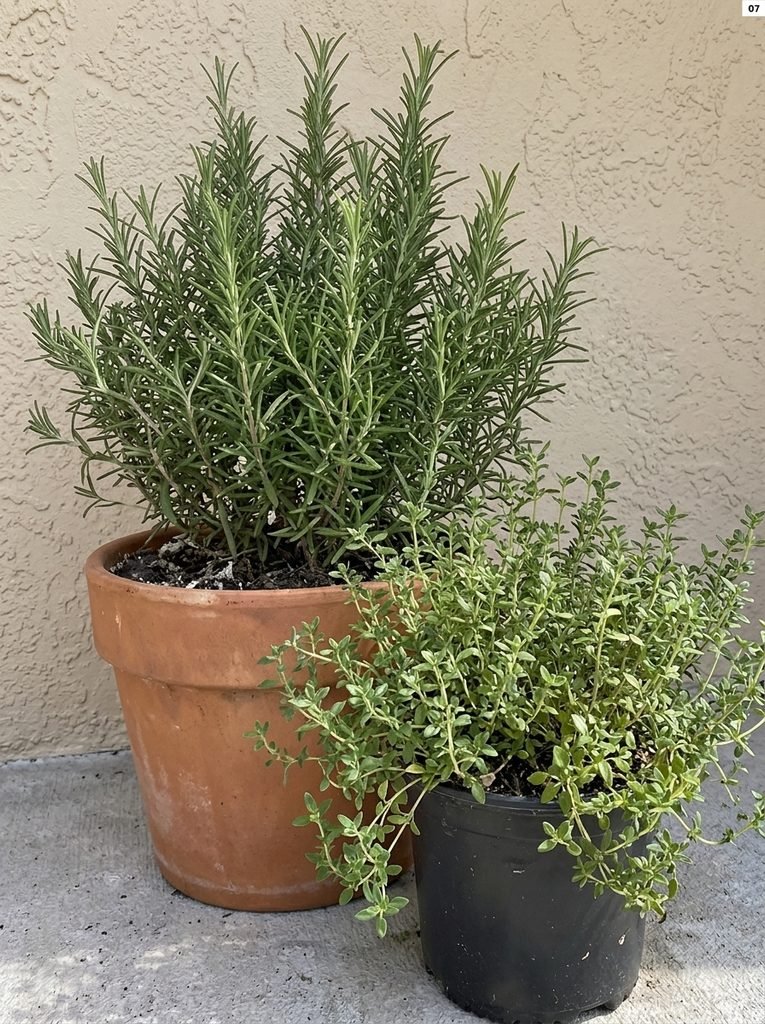
Rosemary and thyme generally prefer conditions that are less constantly wet than herbs such as basil or mint.
They are good choices for sunny container gardens when the potting mix drains well.
Avoid keeping their soil permanently saturated.
Keep Mint in Its Own Pot
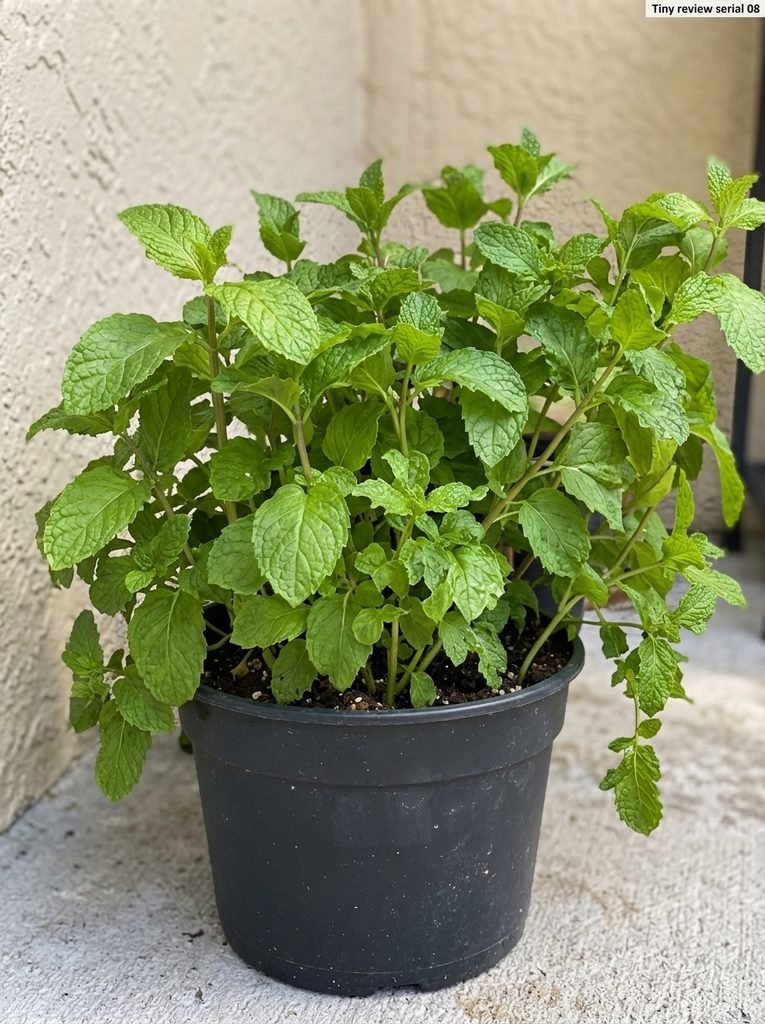
Mint is vigorous and can spread quickly when planted with other herbs.
Keeping mint in its own container makes it much easier to control.
You can still place the pot beside other herbs, but its roots remain separate.
Group Herbs by Water Needs
Not every herb should be treated exactly the same.
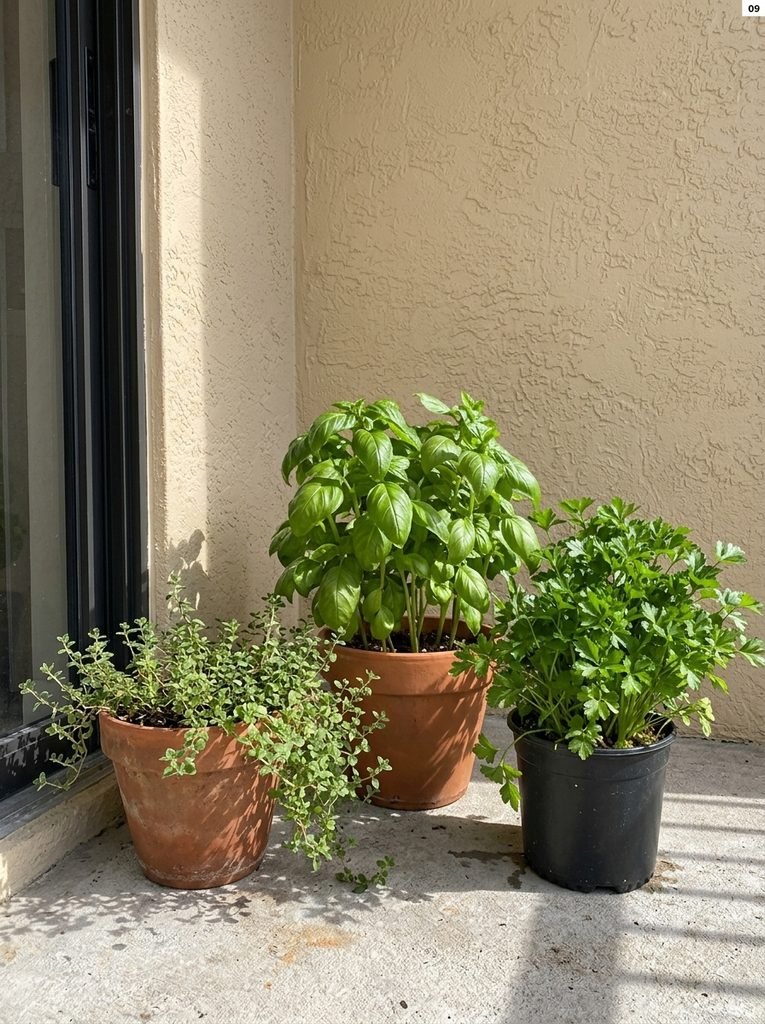
One practical approach is to keep herbs with similar watering preferences close together.
For example, rosemary, thyme, and oregano can form one group.
Basil, parsley, and mint can form another.
This does not mean every plant needs an identical watering schedule, but grouping similar herbs makes daily care simpler.
Before watering, check the soil rather than automatically watering every container.
Patio Herb Garden Layouts
A small patio can support more herbs than it first appears to.
The goal is to use the edges of the space without blocking movement.
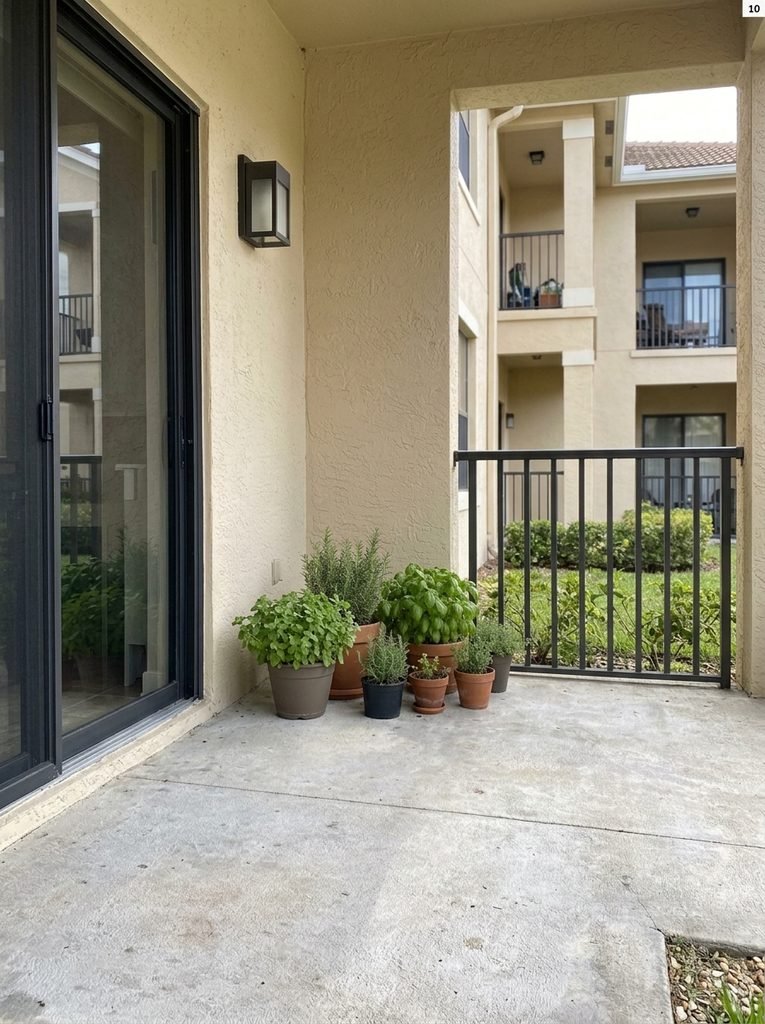
Place pots near the wall, window, or sliding door while keeping the main walking area open.
Avoid placing containers where people will constantly step around them.
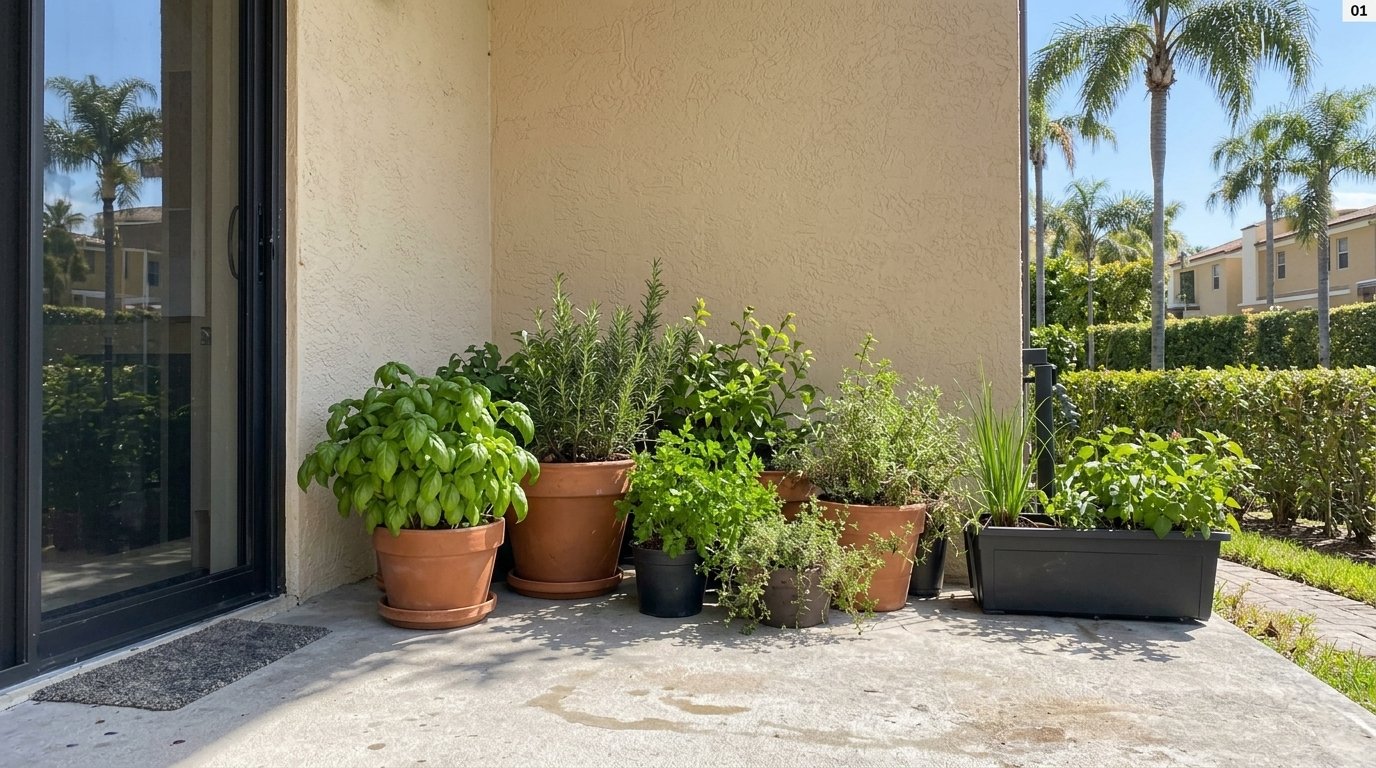
A practical patio herb layout might include:
- basil near the kitchen door
- rosemary in a sunny corner
- mint in its own pot
- parsley beside basil
- thyme or oregano in smaller containers
- one rectangular planter for several compact herbs
Use a Tiered Herb Planter
When floor space is limited, vertical space becomes useful.
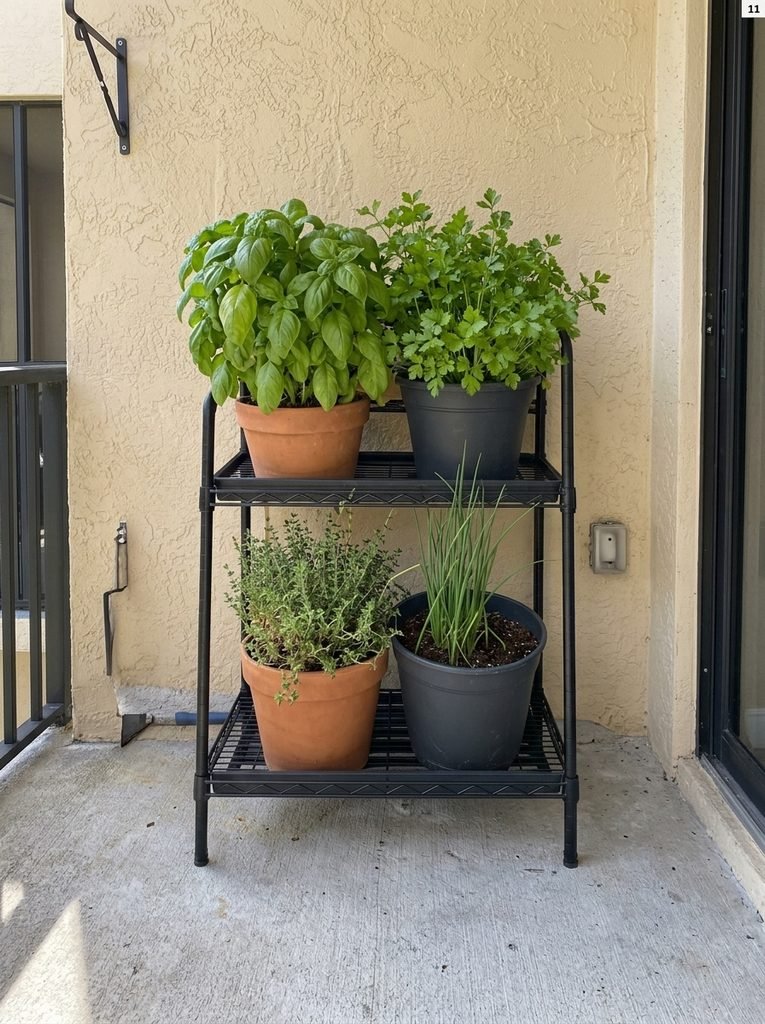
A simple tiered plant stand can hold several small herb containers without taking up a large part of the patio.
Place larger or heavier pots on the lower levels and lighter plants higher up when practical.
Make sure each herb still receives enough light.
Do not pack the stand so tightly that lower plants are completely shaded.
Try a Small Wall Herb Garden
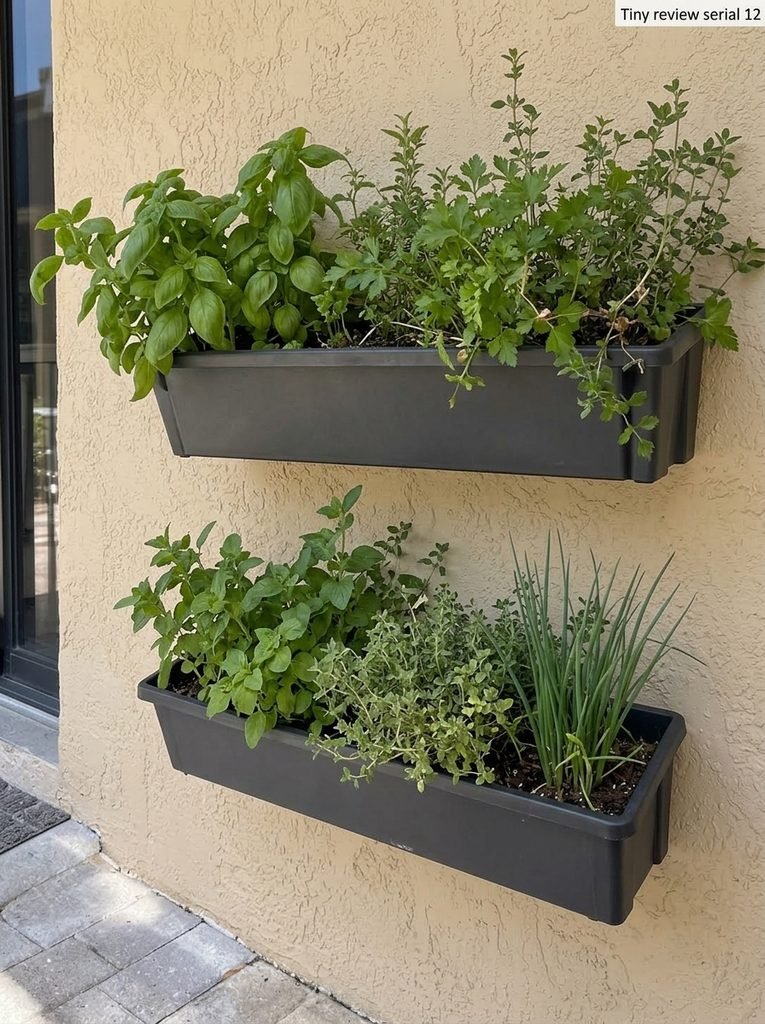
A small wall-mounted planter can work well when it is installed securely and does not block doors or windows.
Keep the system modest.
You do not need an entire living wall to grow herbs.
A few rectangular planters can provide room for parsley, thyme, chives, oregano, or similar compact herbs.
Window Herb Garden Ideas
A window area can be especially useful when it is close to the kitchen.
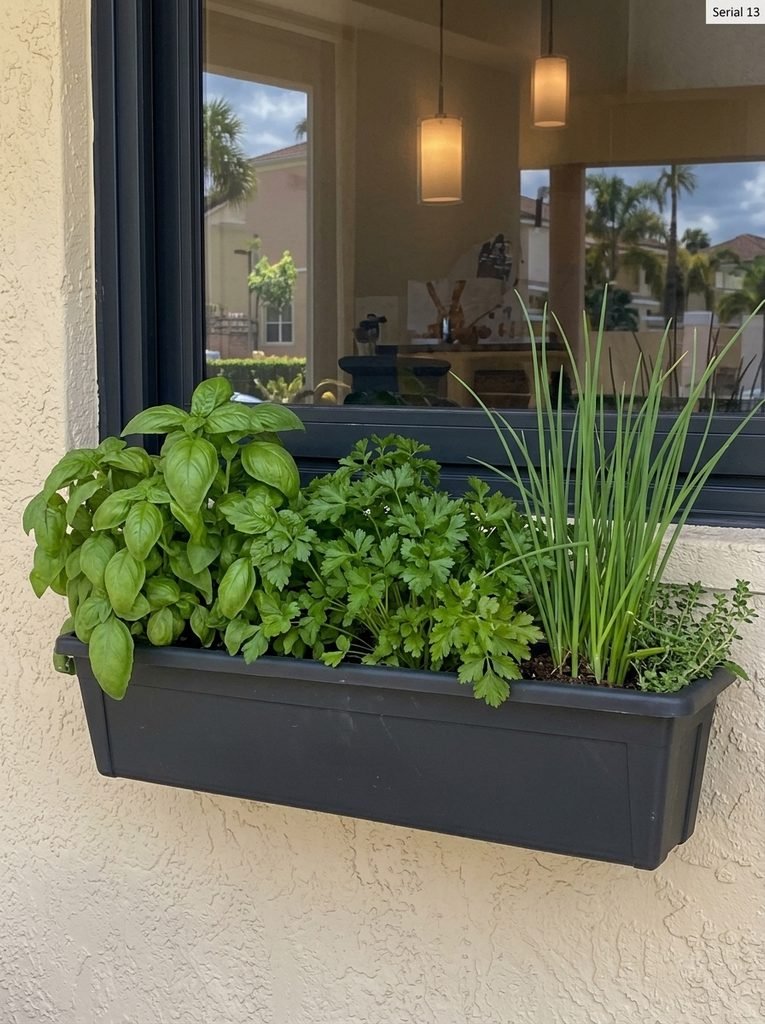
A simple exterior window box can hold several small herbs while keeping floor space clear.
Good candidates may include:
- parsley
- chives
- thyme
- basil
Check how much direct sun reaches the window throughout the day.
Also make sure the planter is securely supported.
Keep Kitchen Herbs Close
One of the most practical herb gardening ideas is also one of the simplest: keep the herbs you use most often close to the kitchen.
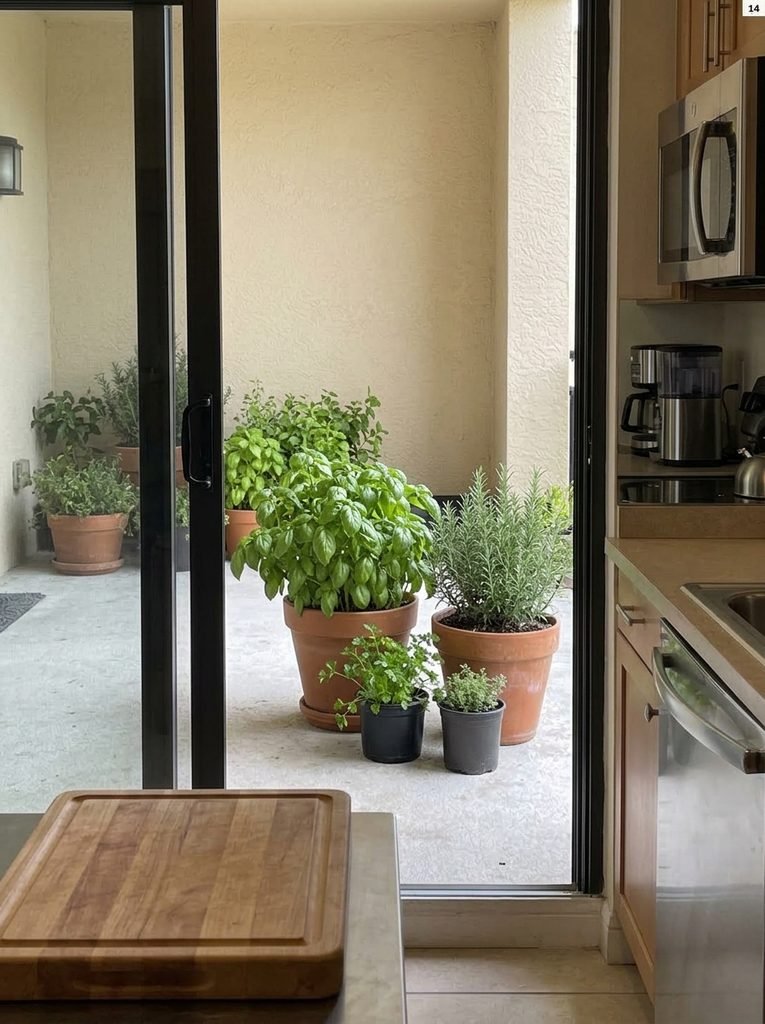
Basil, parsley, rosemary, and chives are more likely to be harvested regularly when they are only a few steps away.
Convenient placement can also make it easier to notice when plants need water, pruning, or harvesting.
Balcony Herb Garden Ideas
Balconies can provide useful growing space, but the layout needs to remain safe and easy to use.
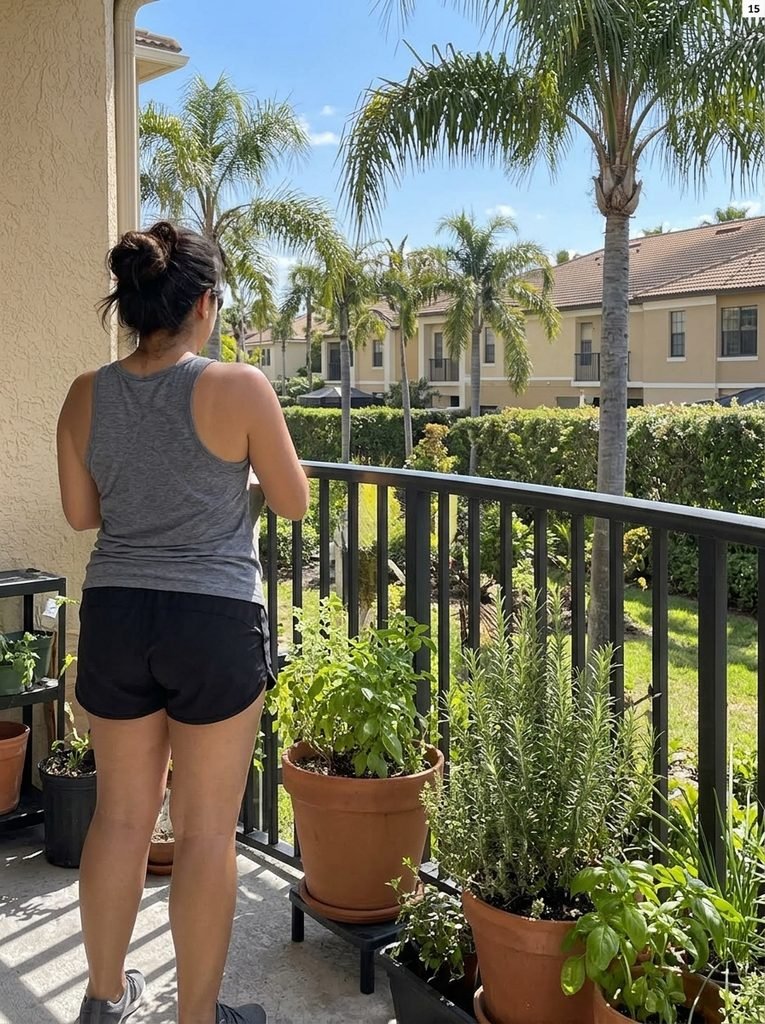
Keep enough open floor space to walk comfortably.
Position pots where they receive suitable sunlight without creating obstacles near the balcony door.
Wind can also be stronger on upper levels, so avoid placing tall or top-heavy containers where they can easily tip.
Use Railing Planters Carefully
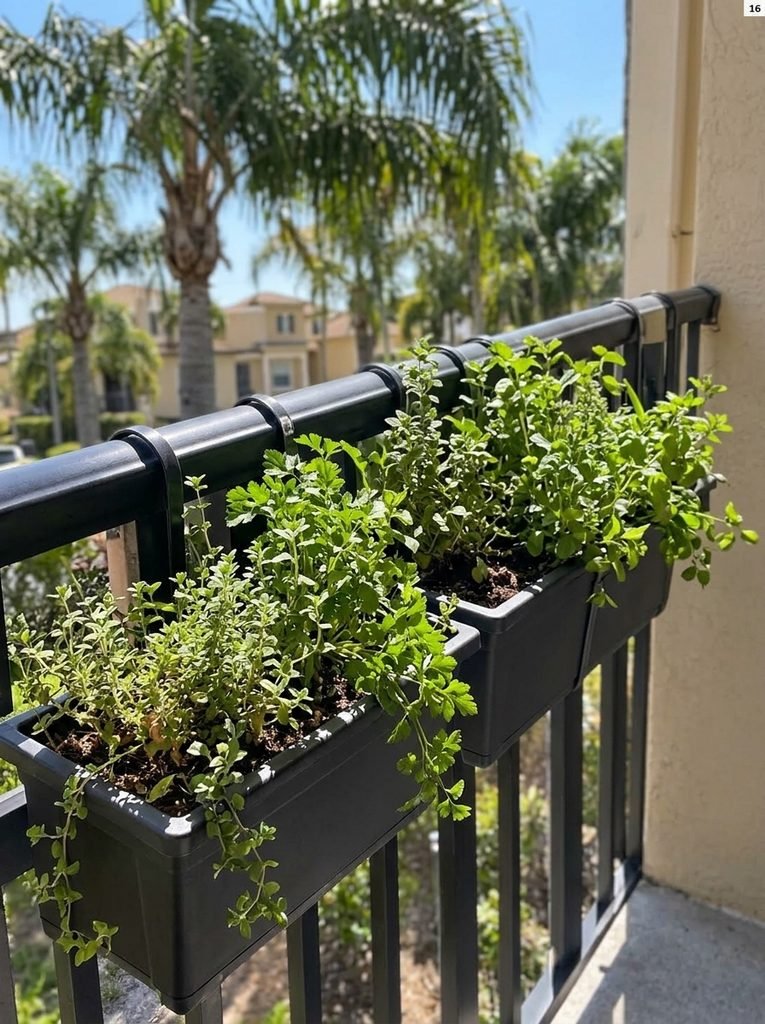
Railing planters can help save floor space.
They work well for smaller herbs such as:
- thyme
- oregano
- parsley
- chives
The planter must be securely attached.
Do not use an unstable setup simply to fit more plants onto the balcony.
Safety is more important than maximizing every inch.
Create a Compact Herb Corner
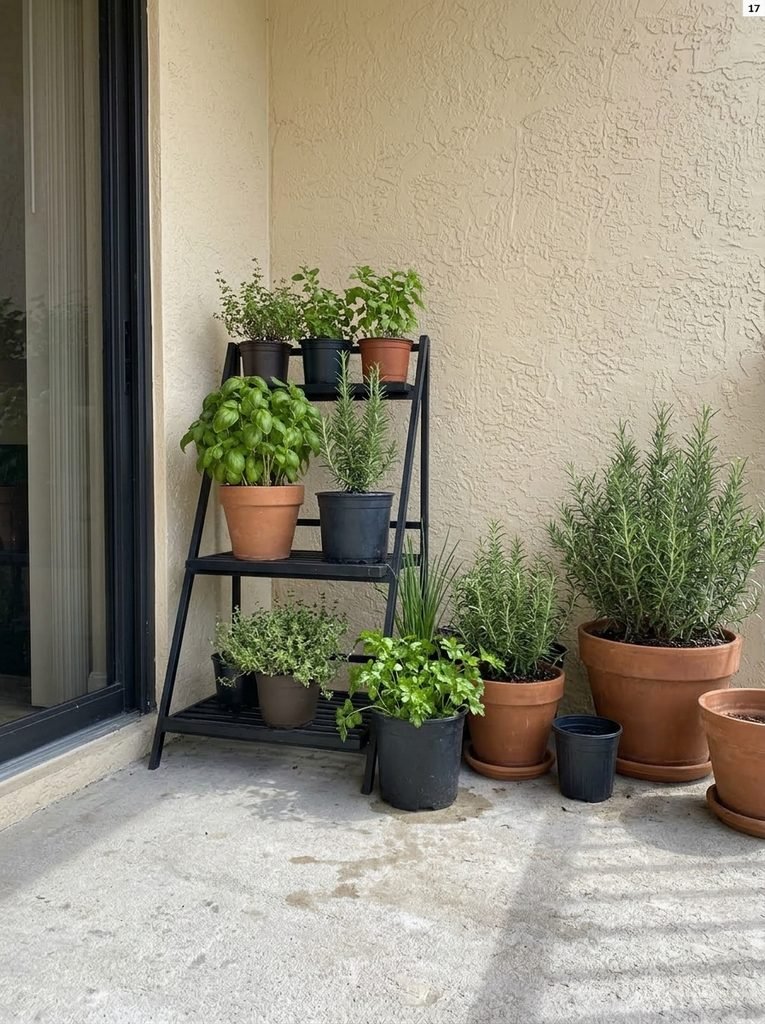
A small patio or balcony corner can become a practical herb garden when vertical and floor space are combined.
For example, you might use:
- one tiered stand
- two or three terracotta pots
- one mint container
- one rosemary pot
- smaller parsley or thyme containers
Leave enough open floor area for watering and harvesting.
Avoid turning the corner into a dense wall of pots.
Water Container Herbs Carefully
Container herbs can dry faster than herbs growing directly in garden soil.
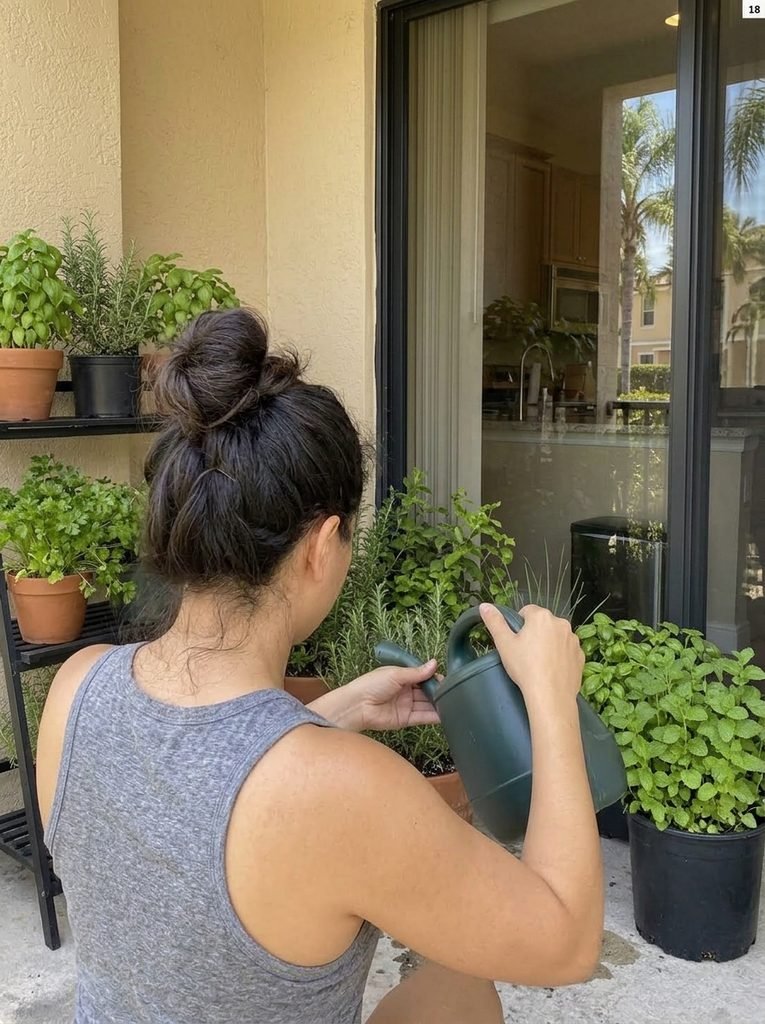
However, that does not mean every container needs water every day.
Check the soil first.
If the upper soil feels dry, the plant may need water. If it is still noticeably moist, waiting may be better.
Water the soil around the plant rather than constantly soaking the foliage.
Make sure excess water can leave the container instead of collecting around the roots.
Harvest-Friendly Placement
Herbs should be easy to reach.
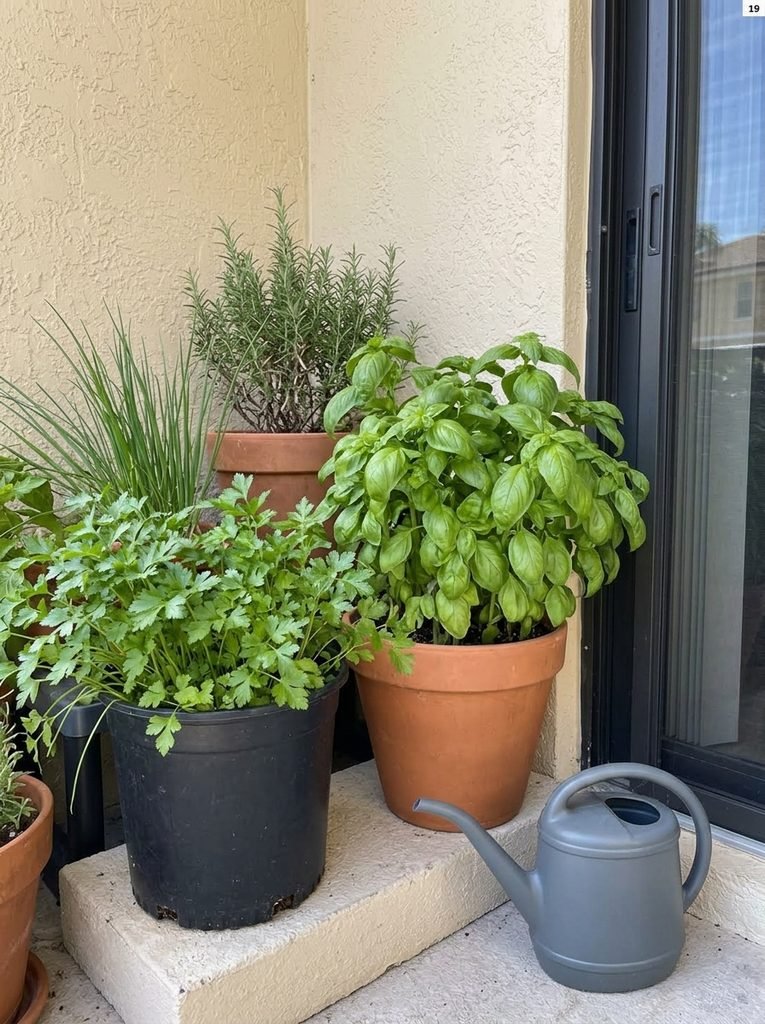
Frequently used kitchen herbs can be placed near the patio door, window, or another convenient access point.
You should not need to move furniture or climb around other pots every time you want a few leaves.
Good placement also makes routine pruning easier.
Regular harvesting can help many herbs stay productive and compact.
Harvest Small Amounts Regularly
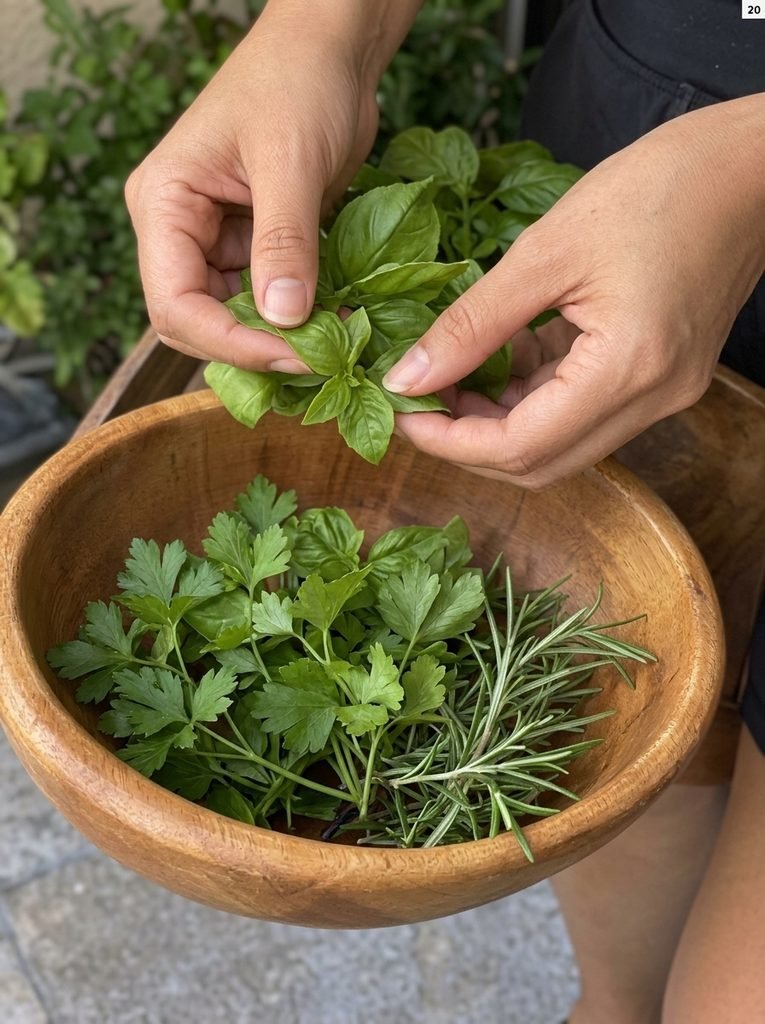
You usually do not need to harvest a large amount at once.
Take what you need for cooking while leaving enough healthy growth for the plant to continue developing.
For example, a small harvest may include:
- a few basil leaves
- several parsley stems
- a rosemary sprig
- some chives
Use clean scissors or gentle hand harvesting depending on the herb.
Avoid removing too much of a young plant at one time.
A Finished Small Herb Garden
A successful herb garden does not need to look like a professional garden display.
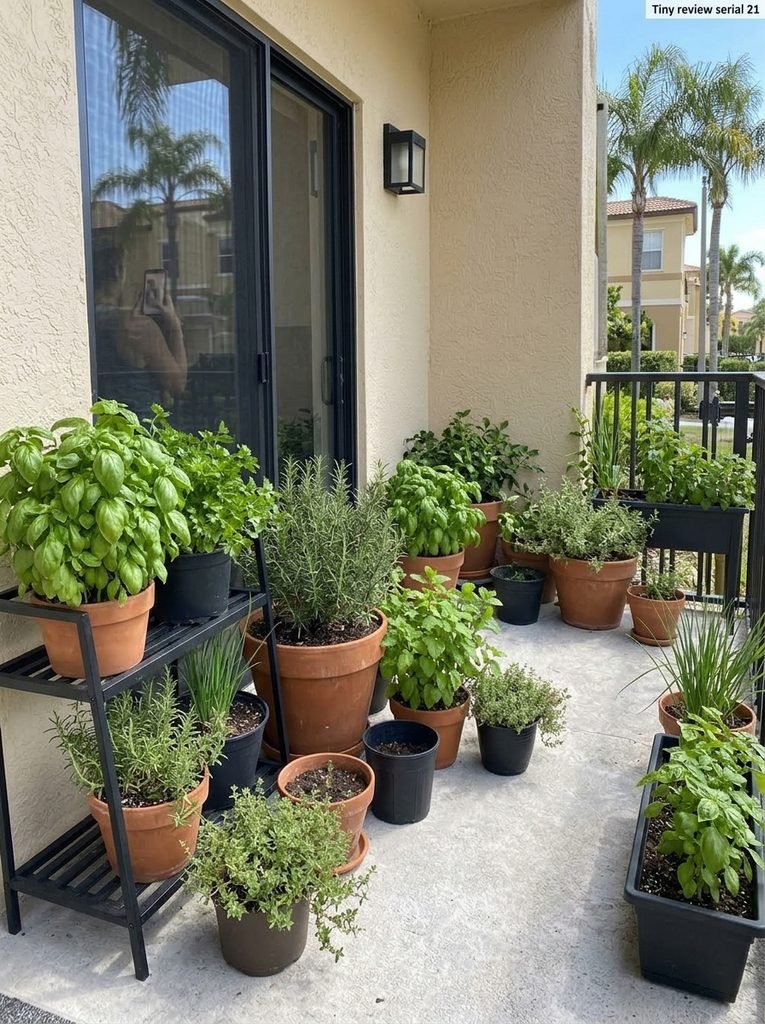
A realistic setup may include different container sizes, plants at different stages of growth, and some empty floor space between pots.
That is useful.
A good small herb garden should remain:
- easy to water
- easy to harvest
- easy to walk around
- close enough to use regularly
- suitable for the light available
Common Herb Garden Mistakes
Overcrowding Containers
It can be tempting to fit as many herbs as possible into one small area.
But overcrowding reduces airflow and can make watering and harvesting harder.
Give each plant enough room to grow naturally.
Treating Every Herb the Same
Basil, mint, rosemary, and thyme do not always prefer identical conditions.
Pay attention to each herb rather than giving every container exactly the same care.
Letting Mint Spread Everywhere
Mint can become aggressive when planted with other herbs.
Keeping it in its own pot is usually easier to manage.
Using the Wrong Location
A beautiful container arrangement will not help if the herbs receive too little light.
Choose the location based on plant needs first.
Blocking the Patio or Balcony
Containers should not make doors and walking areas difficult to use.
Keep the layout practical for everyday life.
Using Pots Without Drainage
Poor drainage can leave herb roots sitting in wet soil.
Choose containers that allow excess water to escape.
Making Herbs Difficult to Harvest
Frequently used herbs should be easy to reach.
Keep kitchen herbs close enough that harvesting them feels convenient.
Frequently Asked Questions
What herbs are easiest to grow in containers?
Basil, parsley, mint, thyme, oregano, rosemary, and chives are common choices for container herb gardening.
Can herbs grow on a patio?
Yes. A patio can work well when it receives enough light and the containers have proper drainage.
Can I grow herbs on a balcony?
Yes. Balcony herb gardens can use floor pots, tiered stands, or securely attached railing planters. Consider sunlight, wind, and safe placement.
Should mint be planted with other herbs?
It is usually easier to keep mint in its own container because it can spread aggressively.
How often should container herbs be watered?
There is no single schedule for every herb. Check the soil and the needs of the individual plant before watering.
Which herbs should be kept near the kitchen?
Herbs you use frequently, such as basil, parsley, rosemary, and chives, are practical choices for a location close to the kitchen or patio door.
Final Thoughts
Herb gardening can fit into a surprisingly small outdoor space.
Start with the location and sunlight, then choose simple containers and herbs that match the conditions. Keep mint controlled, group herbs with similar needs, use vertical space when necessary, and leave enough room to move around comfortably.
The best small herb garden is not the one with the most pots.
It is the one that is easy to water, easy to harvest, and useful enough that you actually enjoy using it.