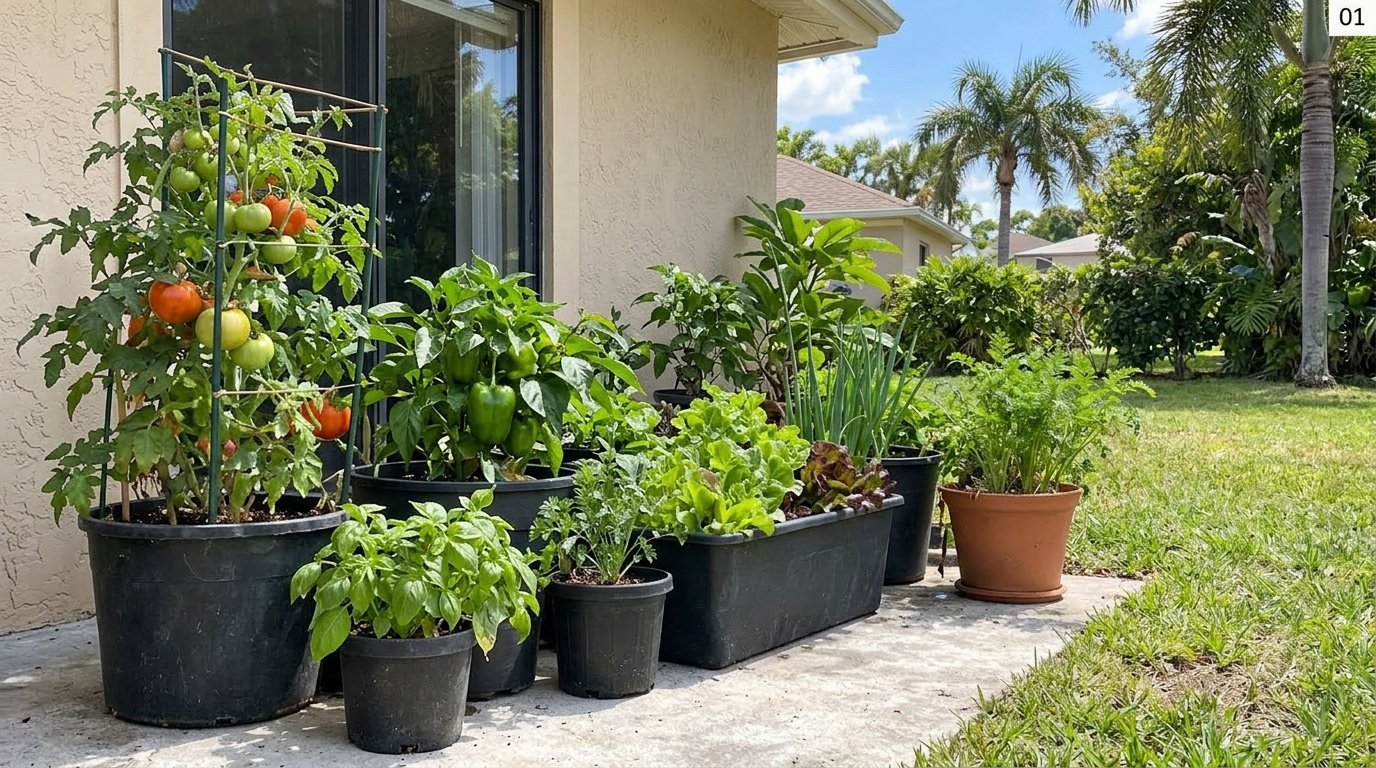
Container gardening makes it possible to grow vegetables even when you do not have a large backyard or in-ground garden.
But choosing a container is not only about finding a pot that fits the patio. The container also needs enough width and depth for the plant’s roots, enough soil to hold moisture, and enough drainage to keep the root zone healthy.
A small herb can grow well in a modest pot, while a tomato plant usually needs much more soil volume. Root vegetables need enough depth to develop underground, and leafy greens often benefit more from width than extreme depth.
This guide explains how to match common vegetables with practical container sizes and how to tell when a plant has outgrown its pot.
Why Container Size Matters
Before choosing specific vegetables, it helps to understand what container size actually affects.
A larger container usually provides:
- more room for roots
- more potting mix to hold moisture
- better stability for tall plants
- more space for nutrients
- less dramatic drying between waterings
That does not mean every plant needs the largest pot available.
The goal is to match the container to the crop.
A very small herb does not need the same soil volume as a mature tomato plant. Using the correct container size can also make a small patio easier to organize.
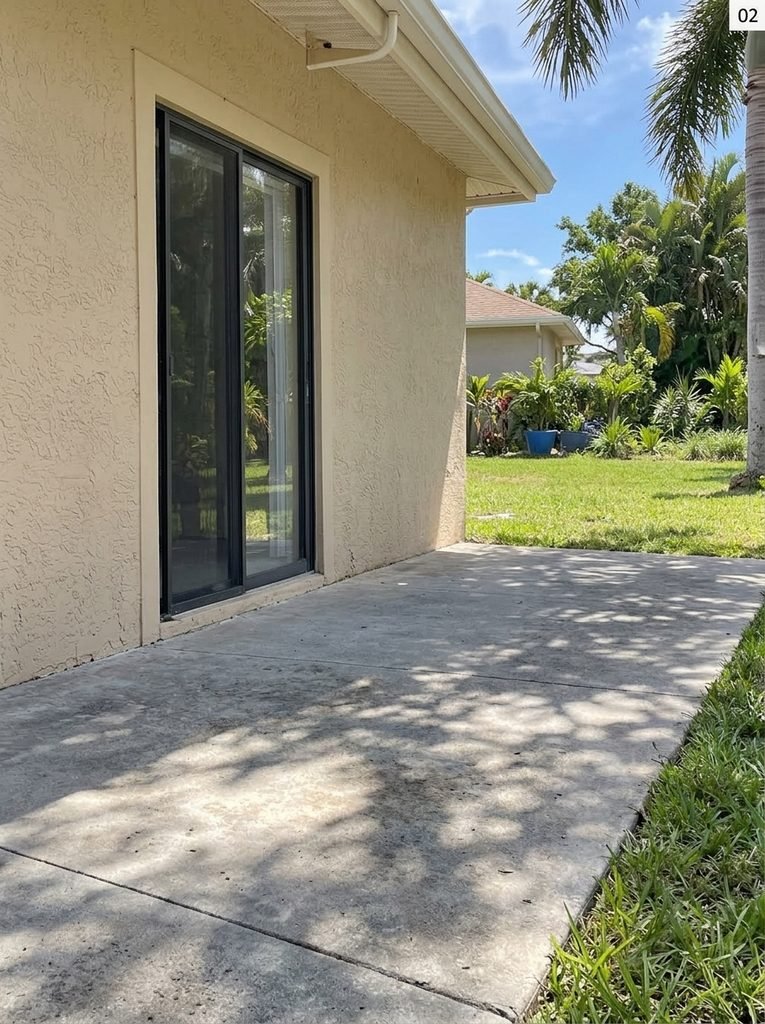
Choose the Growing Area First
Before filling pots with soil, decide where the container garden will sit.
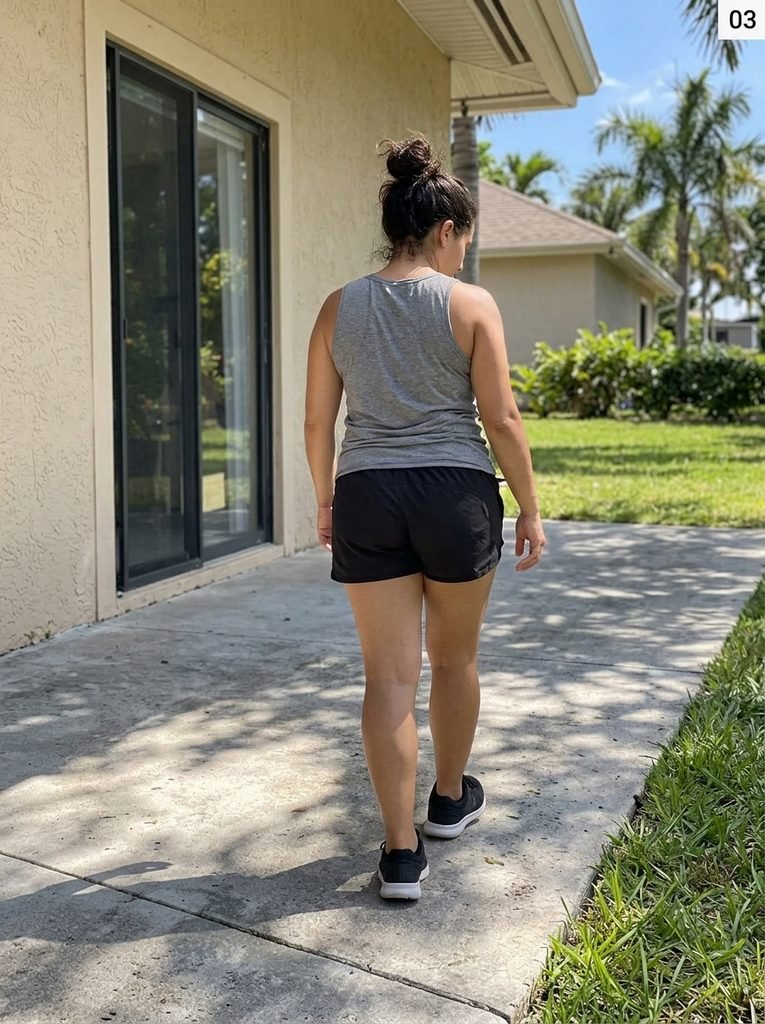
Look for a space that receives enough light for the vegetables you want to grow.
Also consider:
- access to water
- room to walk around the containers
- space near the patio door
- drainage after watering
- how large mature plants will become
Keep doors and walking areas open rather than lining every inch of the patio with pots.
Compare Containers Before Planting
Container gardening becomes easier when you compare several pot sizes before choosing one.
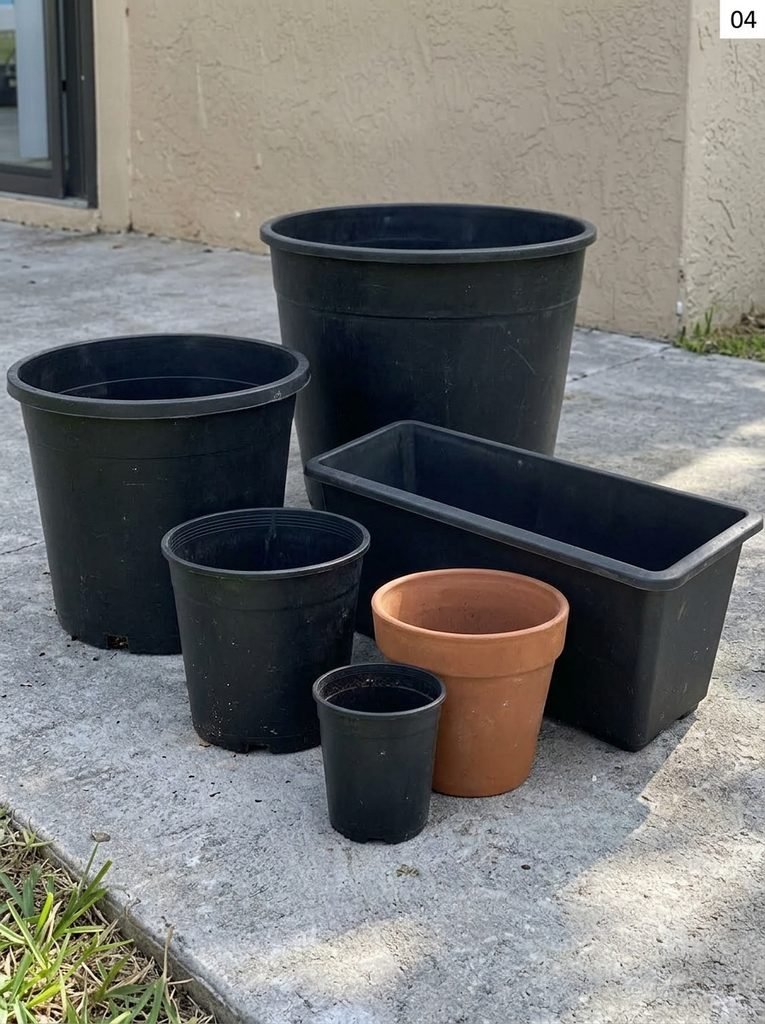
A simple patio setup may include:
- small pots for individual herbs
- wider planters for greens
- medium containers for peppers
- large deep pots for tomatoes
- deeper containers for root vegetables
- rectangular planters for compact mixed crops
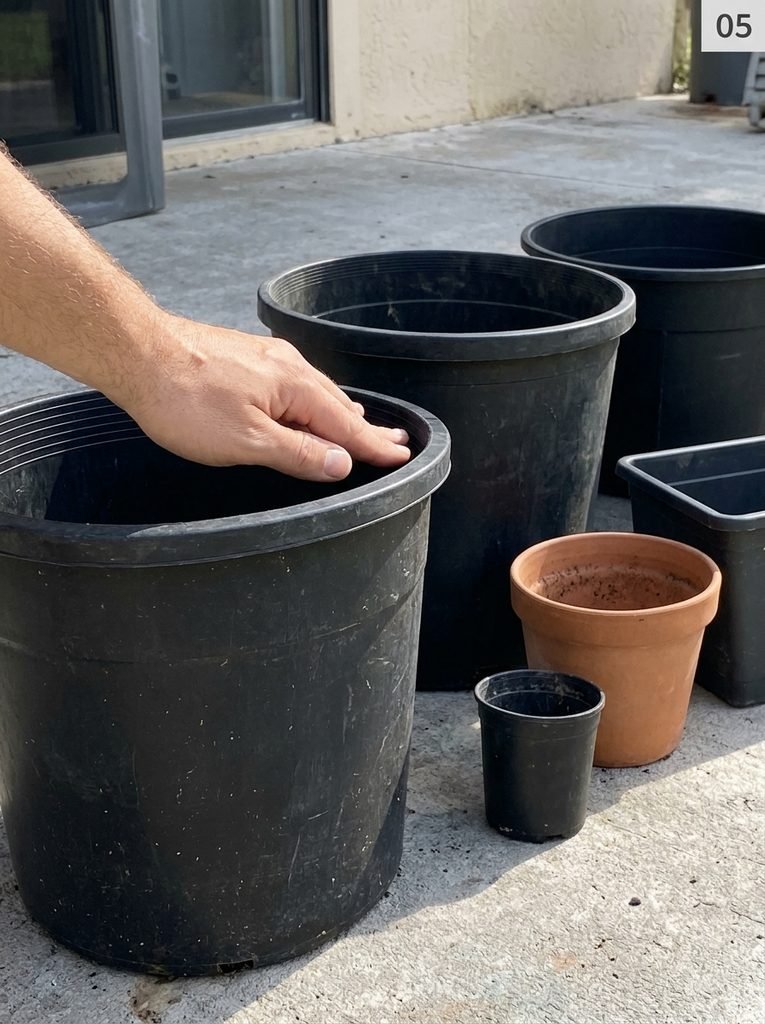
Do not judge a container only by its opening.
Depth matters too.
Two pots may look similar from above, but one can hold significantly more soil and provide much more root space.
Quick Container Size Planning Chart
The exact requirement depends on the crop variety, climate, and how often you can water, but these ranges are useful starting points.
| Crop | Practical Starting Container | Useful Depth |
|---|---|---|
| Basil | 1–2 gallon pot | About 6–8+ inches |
| Parsley | 1–2 gallon pot | About 8+ inches |
| Lettuce | Wide container or 1–2 gallons per plant | About 6–8+ inches |
| Spinach | Wide planter | About 6–8+ inches |
| Pepper | About 3–5 gallons per plant | About 10–12+ inches |
| Tomato | About 5–10+ gallons per plant | About 12–18+ inches |
| Green onions | Wide container | About 6–8+ inches |
| Radishes | Wide container | About 6–8+ inches |
| Carrots | Deep container | About 10–12+ inches, depending on variety |
Think of these as planning ranges rather than rigid rules. Compact varieties may need less space, while vigorous varieties may perform better with more.
Herbs Can Use Smaller Containers
Small culinary herbs are some of the easiest plants to add to a container garden.
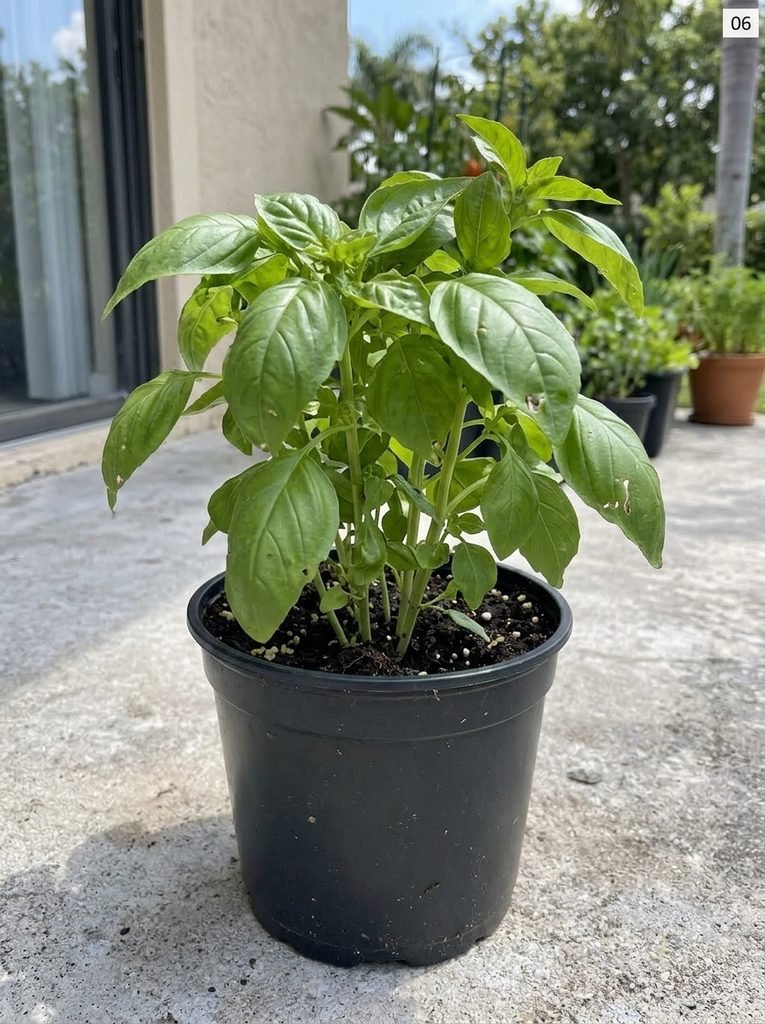
Basil and parsley can grow well in modest pots when they have:
- adequate drainage
- enough root space
- good potting mix
- regular watering
- sufficient light
A small pot also makes herbs easy to keep close to a patio or kitchen door.
However, avoid squeezing several mature herb plants into one tiny container simply because they fit when young.
Leafy Greens Benefit From Width
Leafy vegetables often do not need the same deep root volume as a large tomato plant.
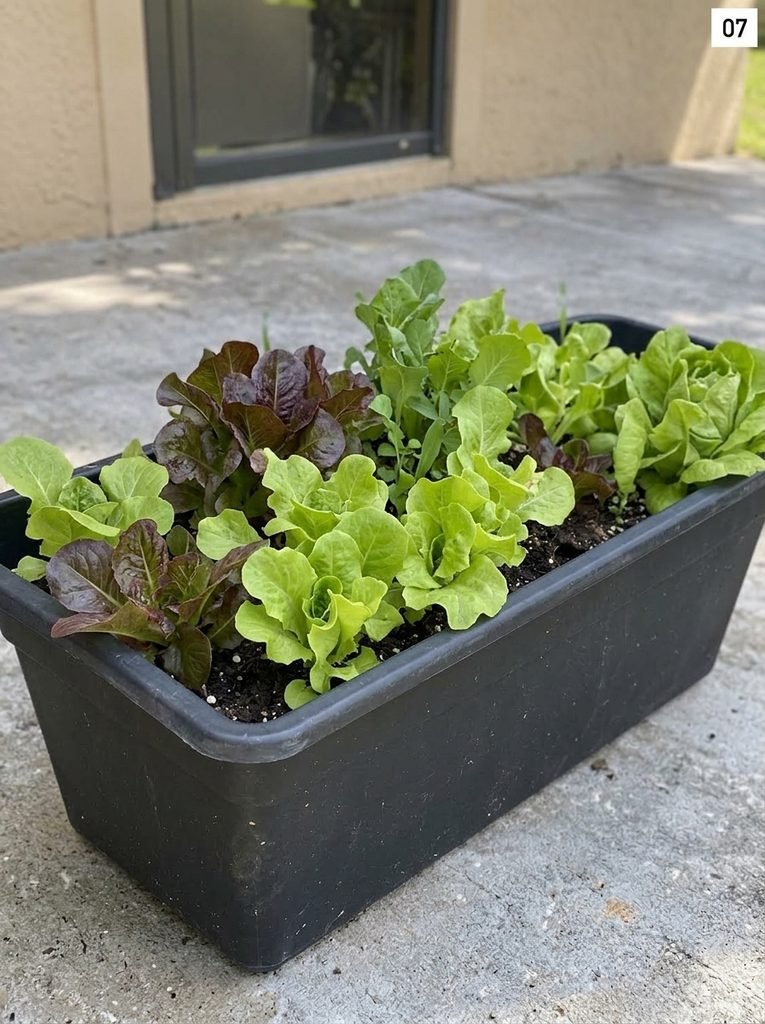
Lettuce, spinach, and similar greens can work well in wider rectangular planters.
The extra surface area allows you to space multiple plants while still giving them access to:
- light
- airflow
- water
- root space
Do not fill every inch with seedlings.
A container that looks slightly open when first planted can become full once the greens mature.
Tomatoes and Peppers Need More Root Space
Tomatoes and peppers are common container vegetables, but they should not be treated like small herbs.
Pepper Container Size
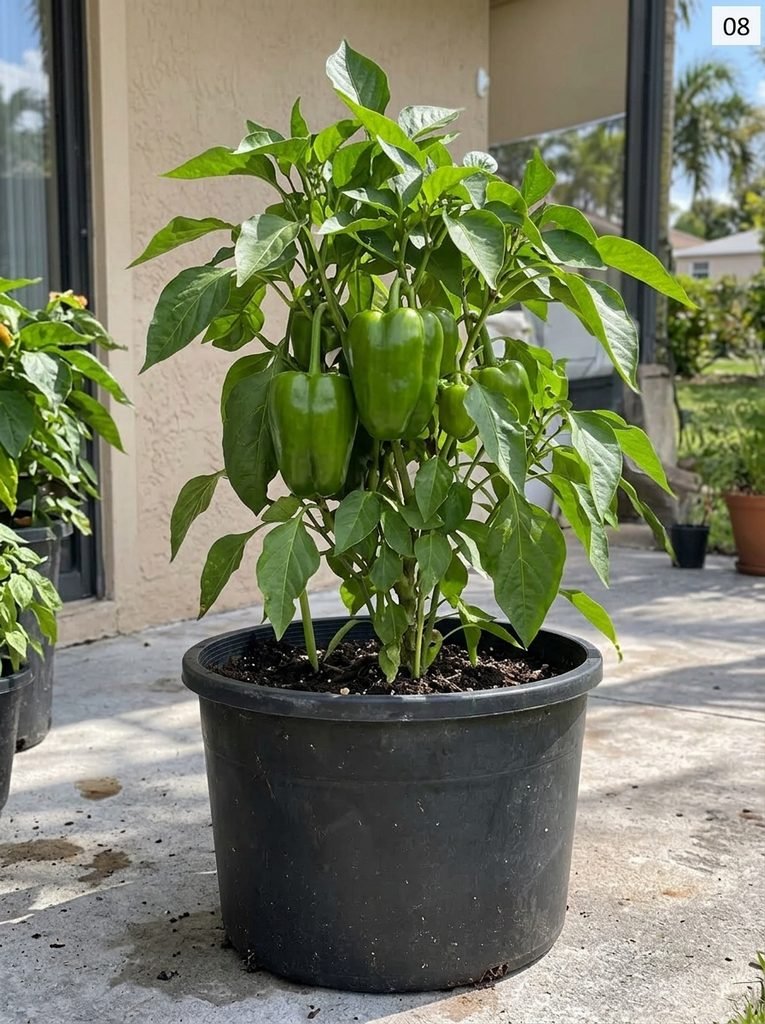
One pepper plant usually benefits from a medium-to-large container.
A practical starting point is around 3–5 gallons for many varieties.
The pot should provide enough depth to support the plant and enough soil volume that it does not dry immediately during warm weather.
One healthy pepper plant in an appropriately sized container is usually easier to manage than several crowded plants in a small pot.
Tomato Container Size
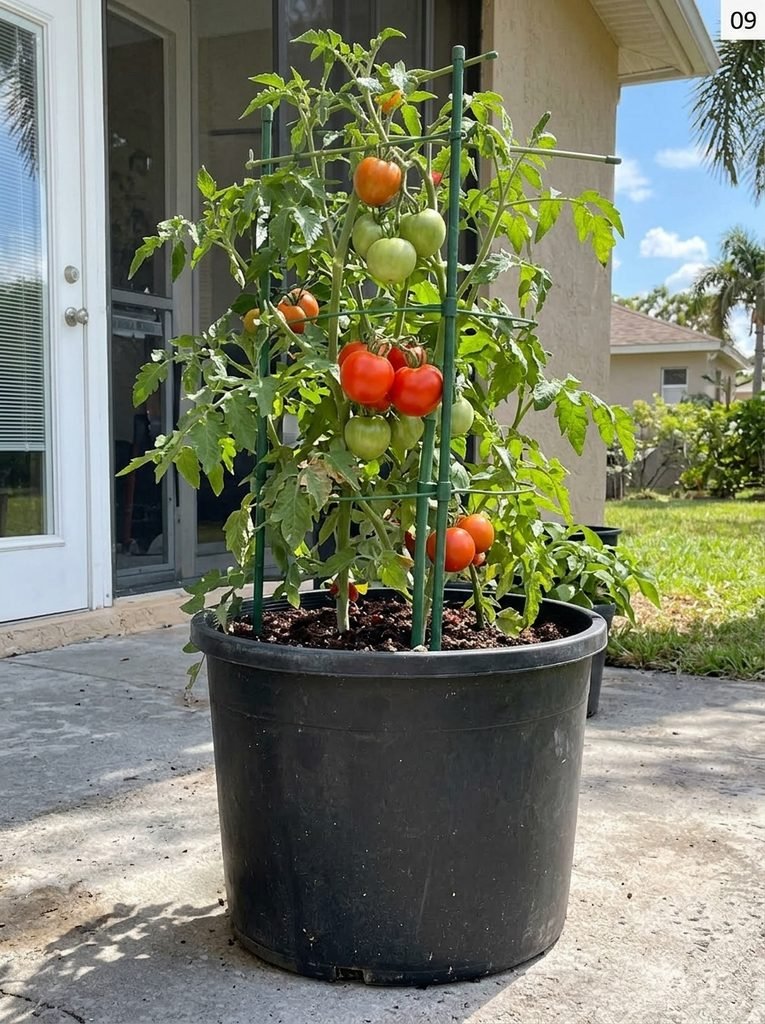
Tomatoes generally need more container volume than peppers.
A practical home container for one tomato plant may start around 5 gallons, while larger or more vigorous varieties can benefit from considerably more space.
The container also needs to support:
- a mature root system
- a tall plant
- a cage or stakes
- regular watering
- fruit production
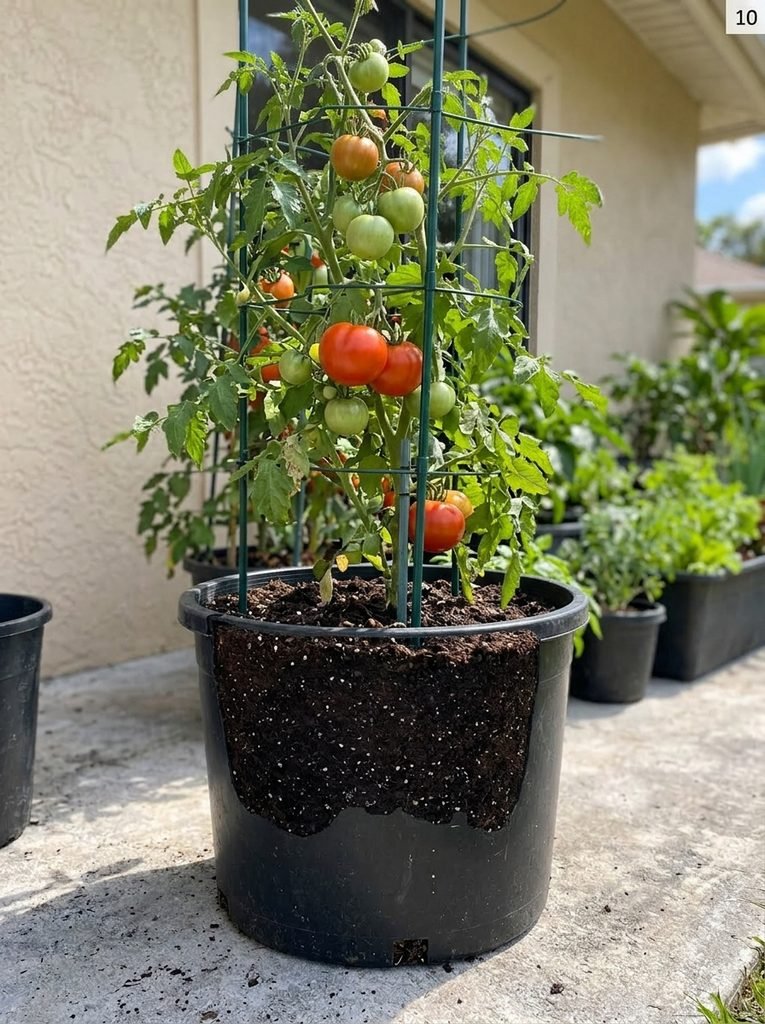
Container depth becomes especially important as the plant gets larger.
Instead of trying to keep a mature tomato alive in a small decorative pot, start with a container that has enough volume for the plant’s expected size.
Large containers also tend to dry more slowly than very small pots.
Root Vegetables Need Enough Depth
For root vegetables, the part you harvest develops below the soil.
That makes container depth especially important.
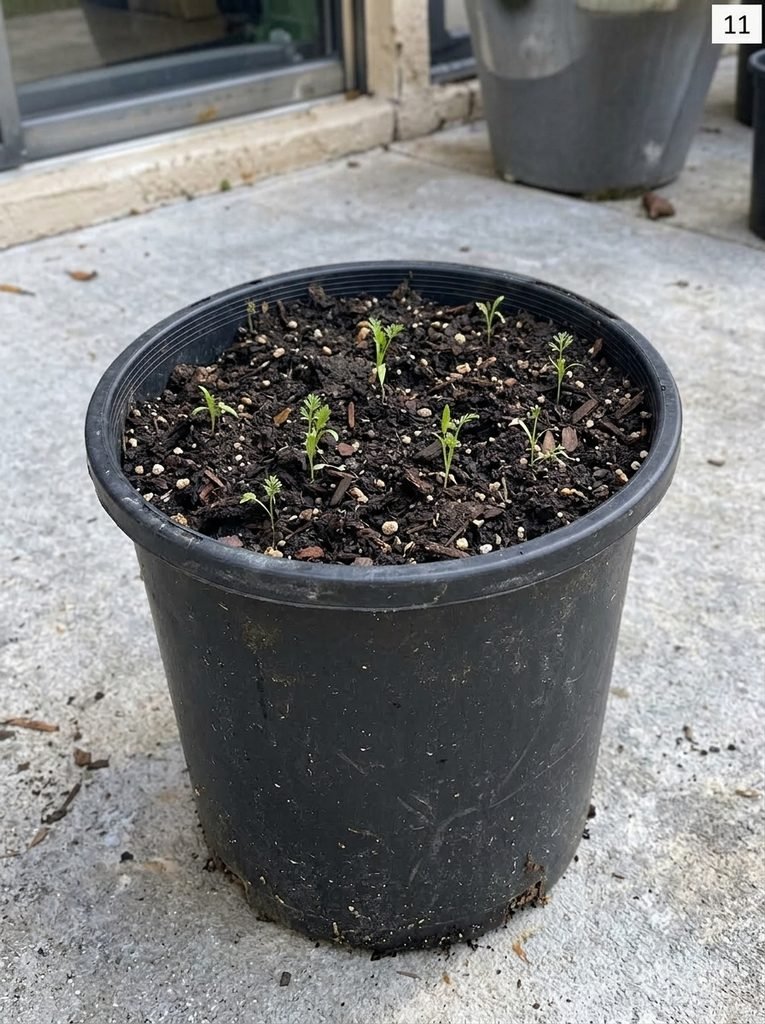
A shallow planter may work for some greens but may not provide enough space for longer carrots.
Choose a container based on the mature root length of the variety you plan to grow.
Carrots in Containers
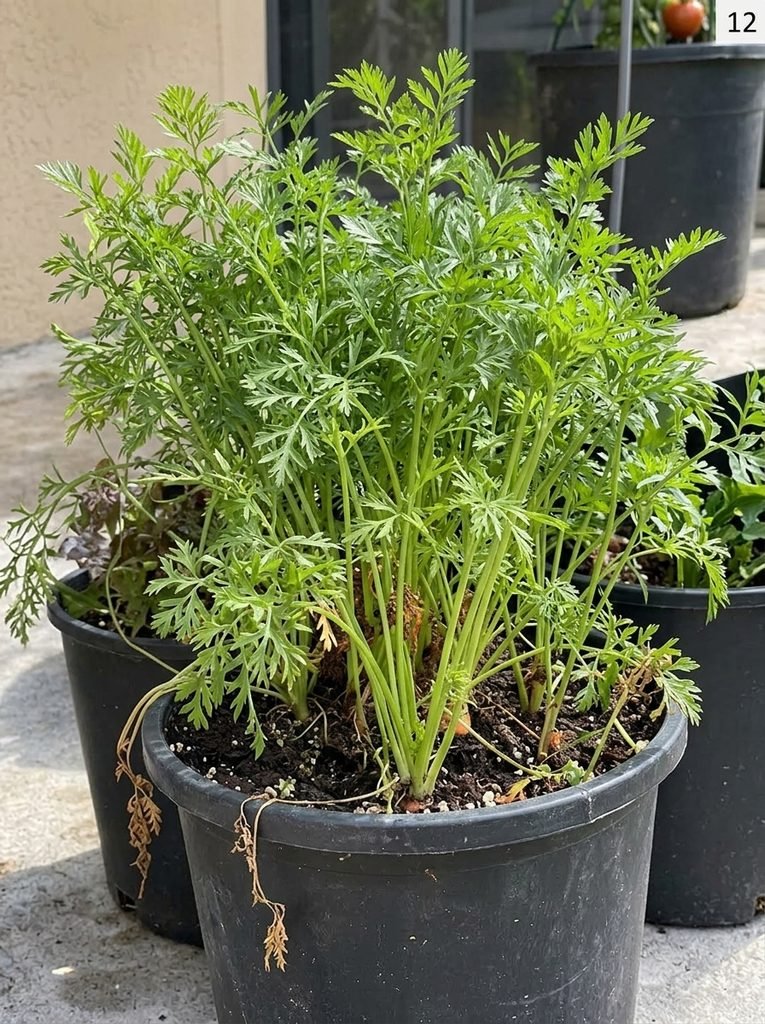
Carrots can grow well in containers when the pot is deep enough and the growing mix is loose.
Short carrot varieties are easier to fit into compact containers, while longer varieties need more depth.
A useful starting point for many carrot types is around 10–12 inches of usable soil depth.
Keep the soil reasonably loose so developing roots do not have to push through heavily compacted material.
Radishes and Green Onions
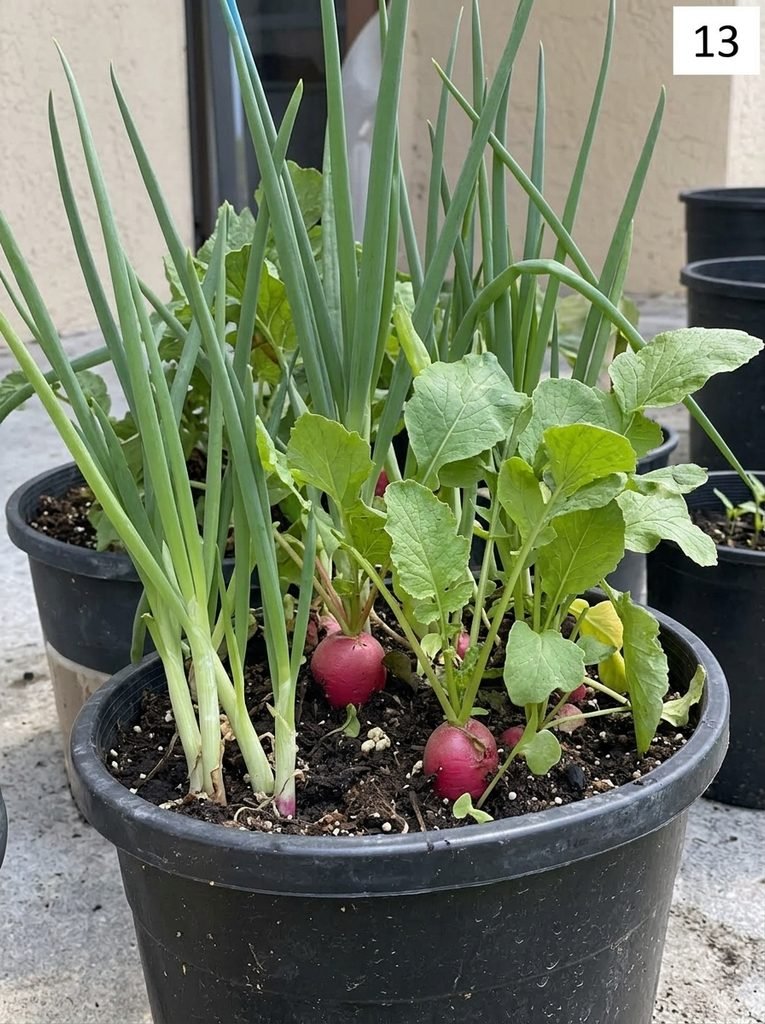
Radishes and green onions can work well in smaller spaces because they do not require the same container volume as tomatoes.
A wide container can allow several plants while still maintaining usable spacing.
For radishes, avoid planting so densely that the roots cannot expand.
For green onions, a moderate depth with good drainage is usually more useful than an unnecessarily huge pot.
Use Wide Rectangular Planters for Compact Crops
Rectangular containers can make good use of a narrow patio edge.
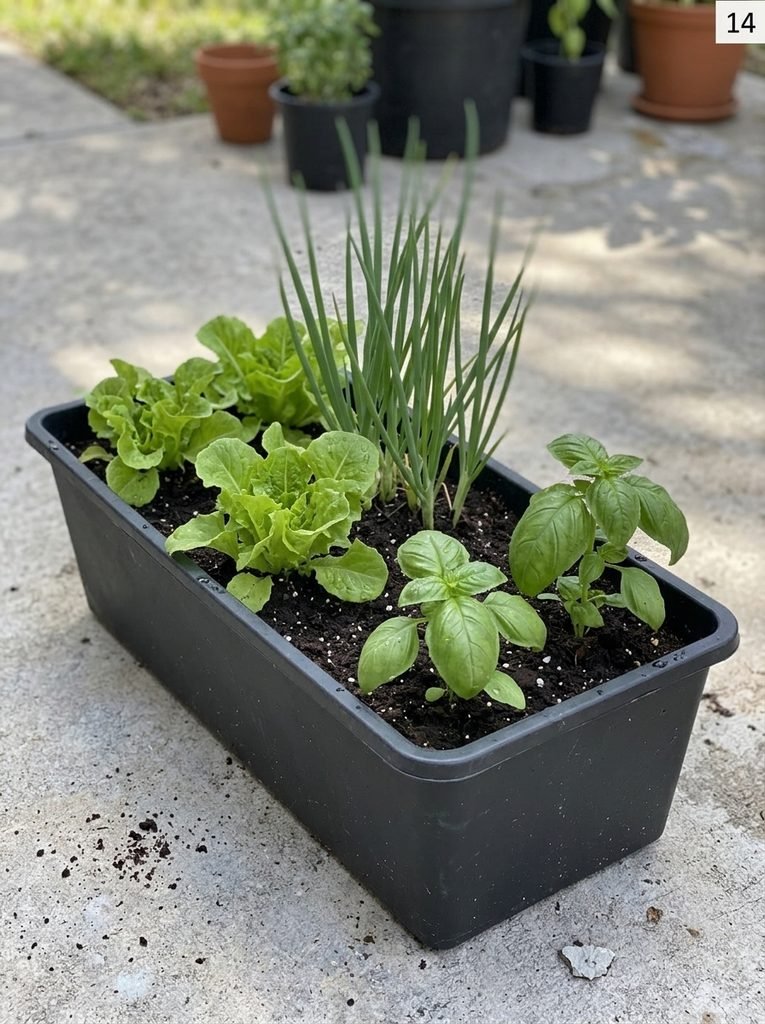
A wide planter can hold compatible compact crops such as:
- lettuce
- basil
- parsley
- green onions
- other small herbs
Keep the planting simple.
Mixing too many vigorous vegetables into one container can create competition for water and root space.
Drainage and Container Shape Matter
Container size is important, but size alone is not enough.
The container also needs drainage.
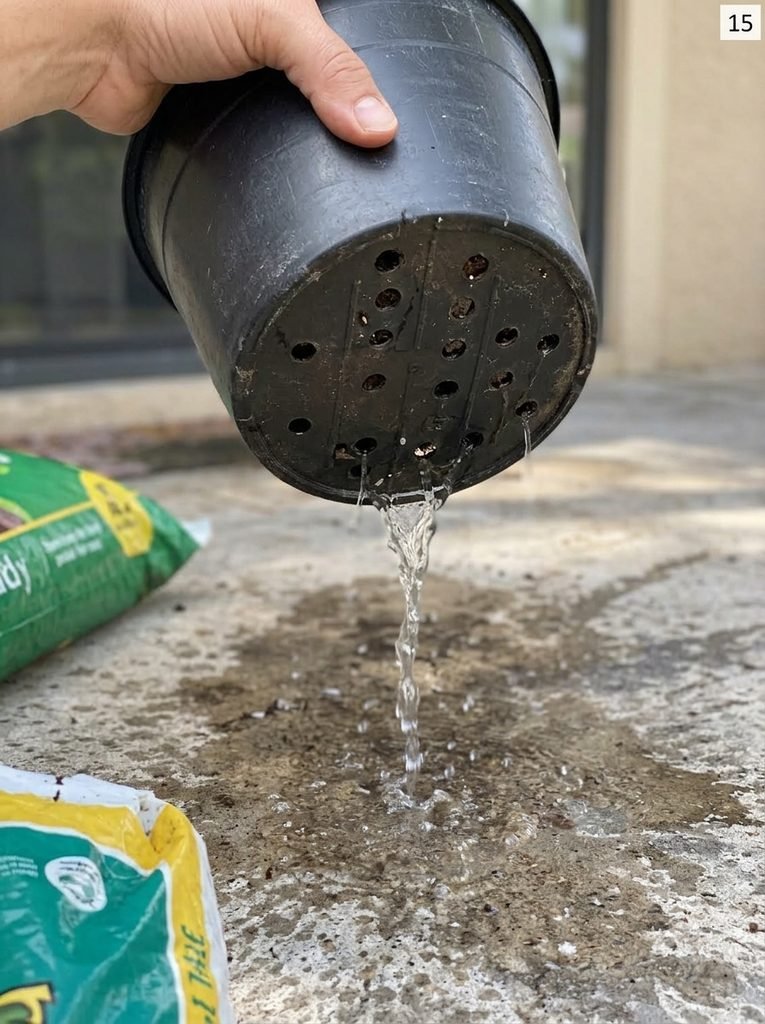
Before adding potting mix, check that excess water can leave through the bottom.
Containers without drainage can allow water to collect around the roots.
That can create poor growing conditions even when the pot itself is large enough.
The shape of the container also matters.
A wide, shallow planter may be useful for greens, while a taller deep container makes more sense for crops that need more vertical root space.
Fill Containers With Potting Mix
Garden soil taken directly from the yard is often heavier than ideal for container growing.
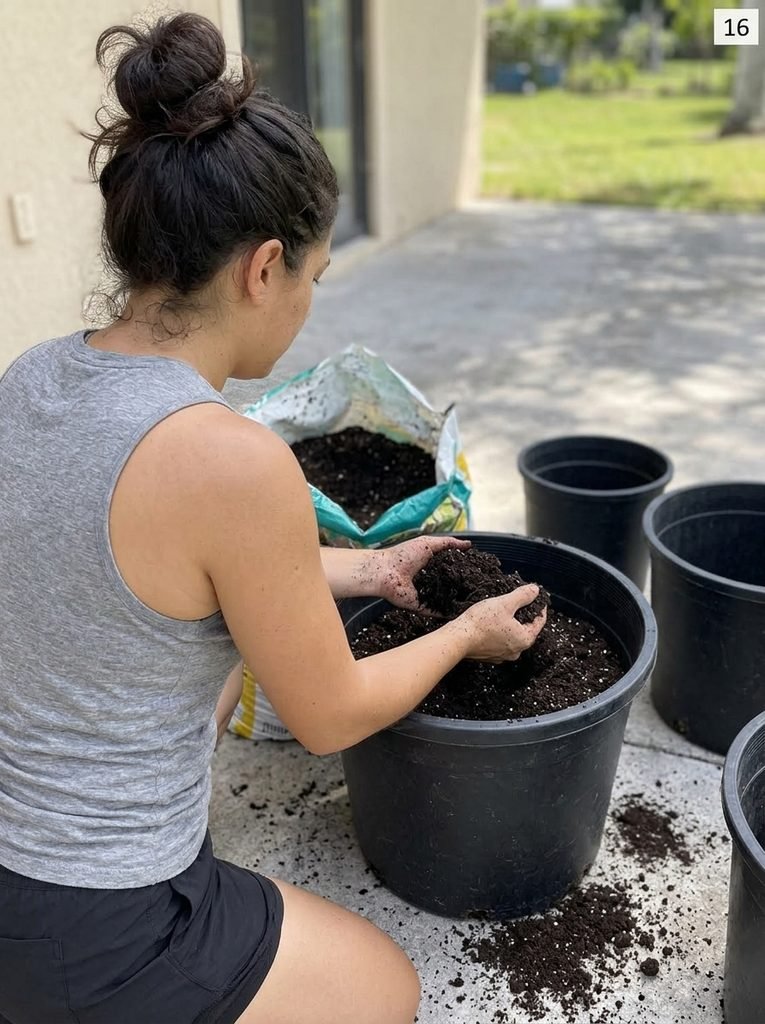
A container-friendly potting mix is usually easier to manage because it is designed to balance moisture retention and drainage.
Fill the pot while leaving some space below the rim.
That small gap helps prevent soil and water from constantly washing over the edge.
Plant the Seedling at the Right Depth
Once the container is prepared, plant the seedling carefully.
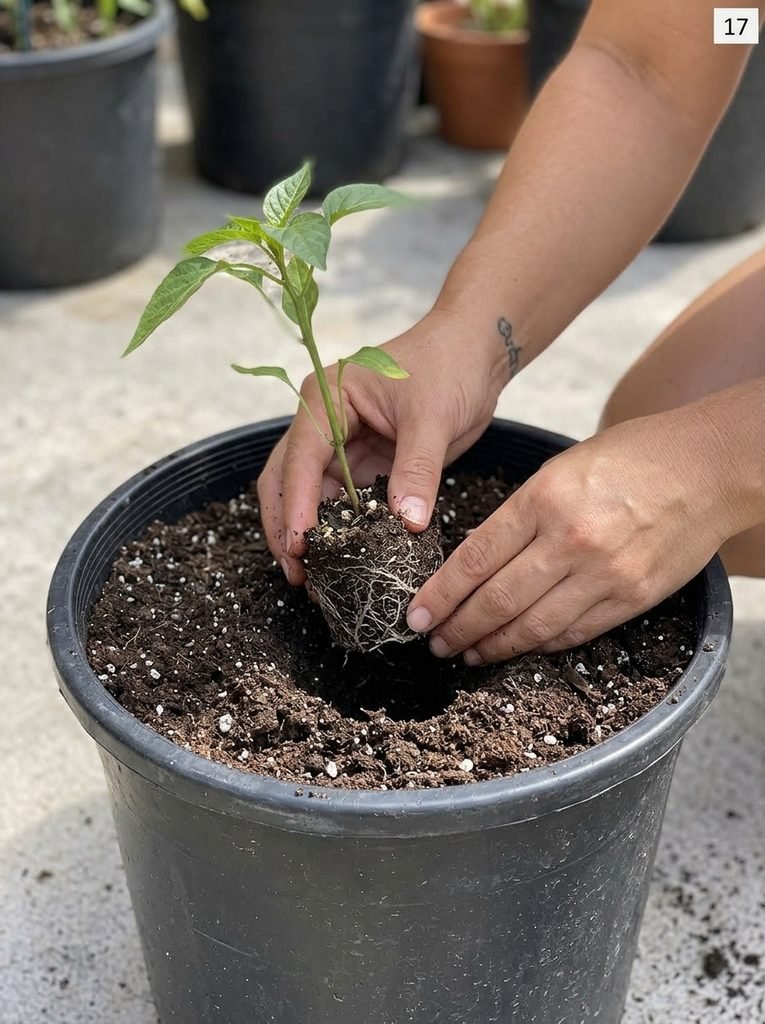
Create a hole large enough for the existing root ball.
Place the seedling into the soil and gently fill around it.
Avoid crushing the roots or packing the potting mix excessively hard.
Most seedlings should remain close to the same soil level they had in their original nursery pot, although some crops, especially tomatoes, may be planted deeper depending on the situation.
Water Thoroughly and Watch the Drainage
After planting, water the container thoroughly.
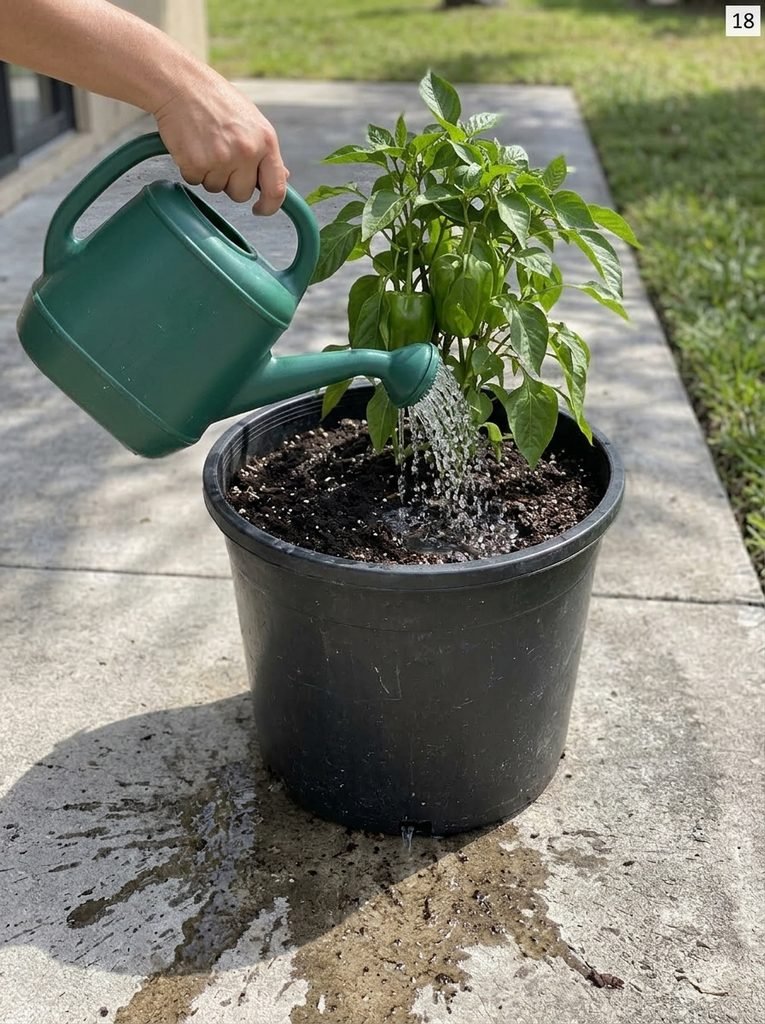
The goal is to moisten the root zone while allowing excess water to drain away.
If water sits on top of the soil for a long time or cannot leave the container, check the drainage.
Container plants can also dry faster than plants growing in the ground, especially during warm weather.
Check soil moisture regularly instead of following the same fixed schedule for every pot.
Signs a Pot Is Too Small
Plants often show signs when their container no longer provides enough room.
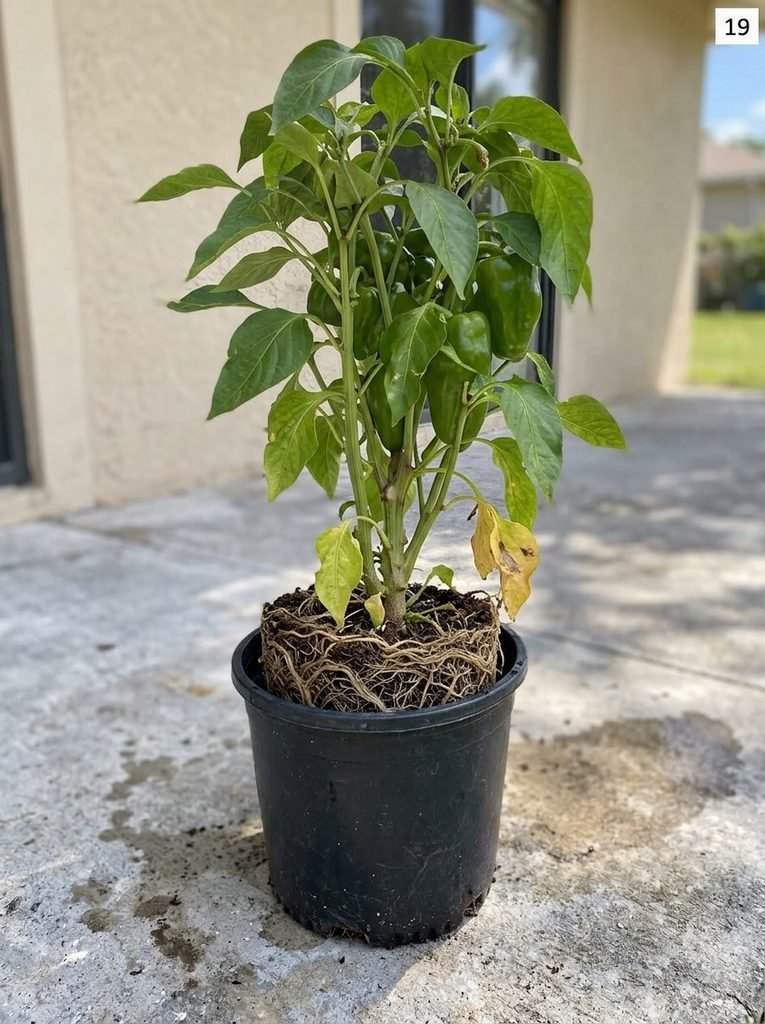
Possible signs include:
- roots circling densely around the root ball
- roots growing through drainage holes
- plant becoming very large compared with the pot
- soil drying unusually quickly
- slowed growth
- lower leaves becoming stressed
- container becoming unstable or top-heavy
One symptom alone does not always prove the pot is too small, but several signs together may indicate that the plant needs more room.
Repot Into a Larger Container
If a plant has clearly outgrown its container, move it into a larger one.
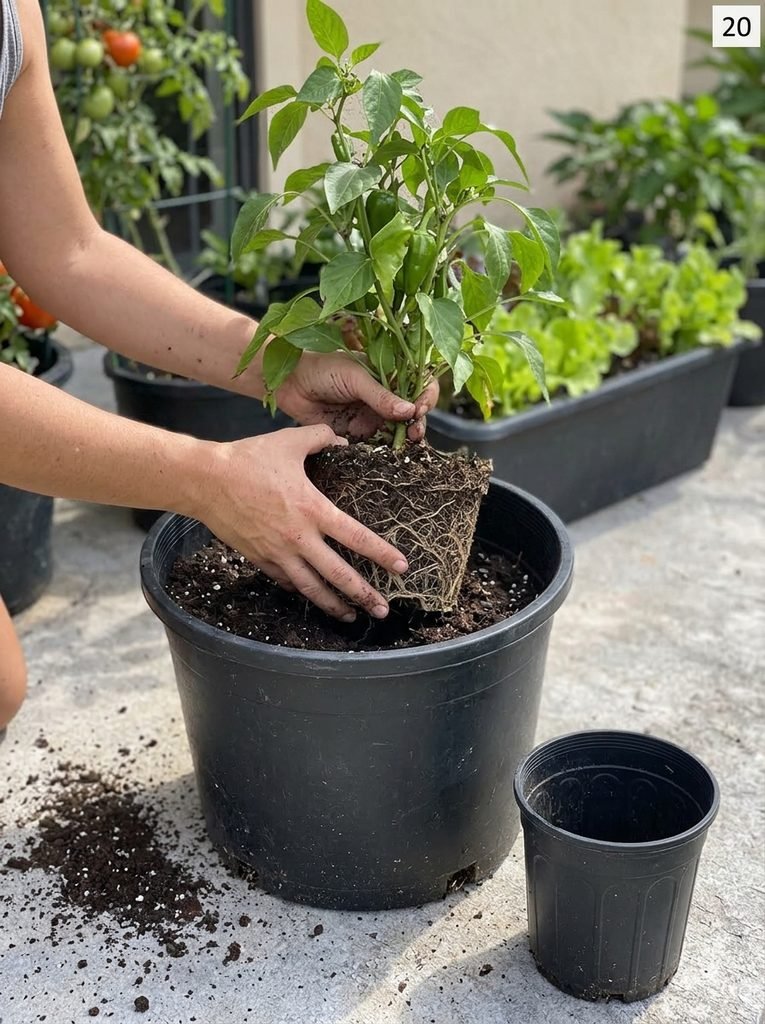
Try to keep the root ball reasonably intact.
Add fresh potting mix around it and water after repotting.
Do not jump from a tiny pot to an unnecessarily enormous container without a reason.
Choose a larger size that gives the plant useful additional root space while still matching its current stage of growth.
A Practical Container Garden
A well-planned container garden does not need dozens of pots.
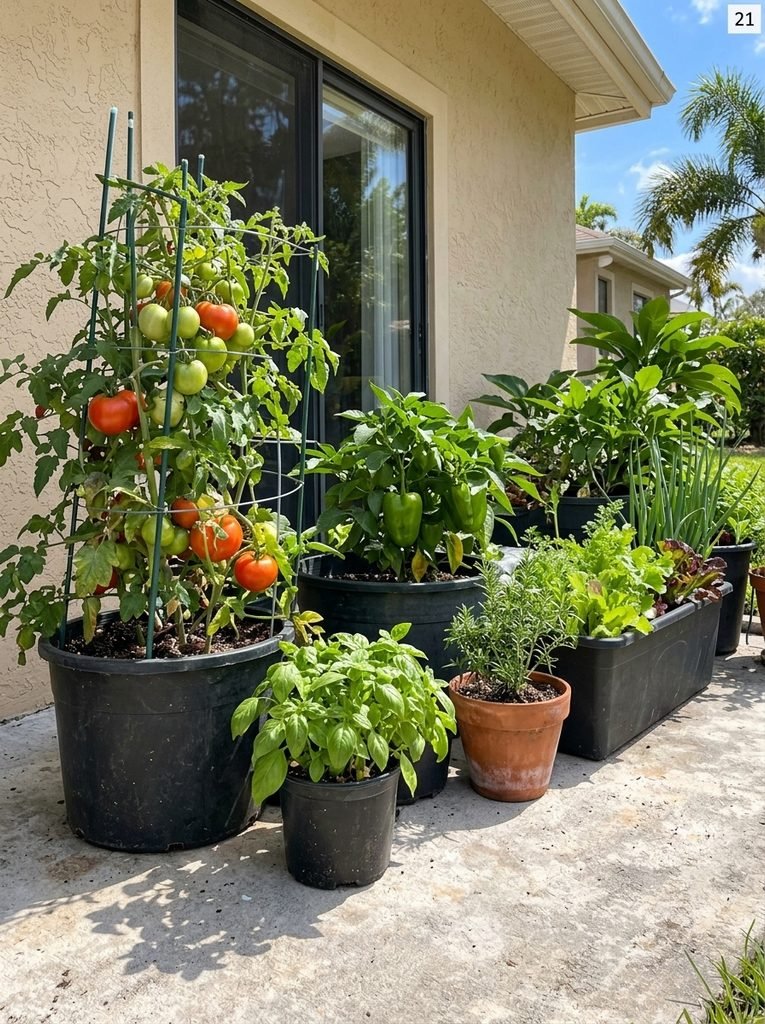
A small patio may have enough room for:
- one tomato in a large deep container
- one or two pepper plants
- several small herb pots
- one planter of leafy greens
- one deep container for carrots
- one wide planter for onions, greens, or herbs
The goal is not to fill every open section of concrete.
Leave enough room to walk, water, harvest, and inspect each plant.
Common Container Gardening Mistakes
Using the Same Pot Size for Every Crop
A basil plant and a tomato plant have very different space requirements.
Match the container to the expected mature plant.
Choosing a Pot That Is Too Shallow
This is especially important for root vegetables and larger crops.
Consider depth as well as width.
Overcrowding
More seedlings in one container do not always produce more food.
Crowded plants compete for root space, water, nutrients, and light.
Forgetting Drainage
Even a large container can fail if water cannot escape.
Check the drainage holes before planting.
Letting Small Containers Dry Constantly
Small pots contain less soil and can lose moisture more quickly.
If a plant repeatedly wilts soon after watering, the pot may be too small or the watering routine may need adjustment.
Using a Large Pot but Too Little Soil
A large container only provides useful root space when it is filled properly.
Do not leave most of the pot empty.
Frequently Asked Questions
What size container is best for tomatoes?
A practical starting point for many tomatoes is around 5 gallons, while larger indeterminate varieties often perform better with more soil volume, such as 7–10 gallons or more.
What size container do peppers need?
Many pepper plants can grow well in containers around 3–5 gallons. Larger varieties may benefit from more space.
How deep should a container be for carrots?
Many carrots need roughly 10–12 inches of usable soil depth, although the required depth depends on the variety.
Can lettuce grow in shallow containers?
Lettuce has a relatively shallow root system compared with tomatoes, so a wide container around 6–8 inches deep can work for many types.
Can herbs grow in small pots?
Many herbs can grow in smaller pots, but the container still needs enough root space and drainage. Larger herbs may eventually need to be repotted.
Is a bigger container always better?
Not necessarily. Larger containers provide more soil and moisture buffering, but they take up more space and use more potting mix. Choose a size that matches the crop and your available space.
Final Thoughts
Container gardening becomes much easier when the pot is chosen for the plant rather than only for the appearance of the patio.
Small herbs can use modest containers. Leafy greens benefit from wider planters. Peppers need more soil volume, while tomatoes generally need large, deep pots. Root vegetables need enough depth to develop properly.
Also pay attention to drainage, plant spacing, and signs that a crop has outgrown its current pot.
A small collection of correctly sized containers can be more productive and easier to maintain than a patio crowded with plants growing in pots that are too small.