Raised bed gardening can make a small backyard easier to organize, plant, water, and maintain. But the layout matters just as much as the beds themselves.
If the beds are too wide, the paths are too narrow, or tall crops are placed in the wrong spot, a small garden can quickly become difficult to use.
A better approach is to plan the entire space before building anything. Measure the yard, watch the sunlight, decide how many beds will realistically fit, and leave enough room to move between them.
This guide walks through practical raised garden bed layout ideas for small backyards, from a single bed to a complete four-bed garden.
Measure the Yard First
Before buying lumber or filling a bed with soil, look at the space you actually have.
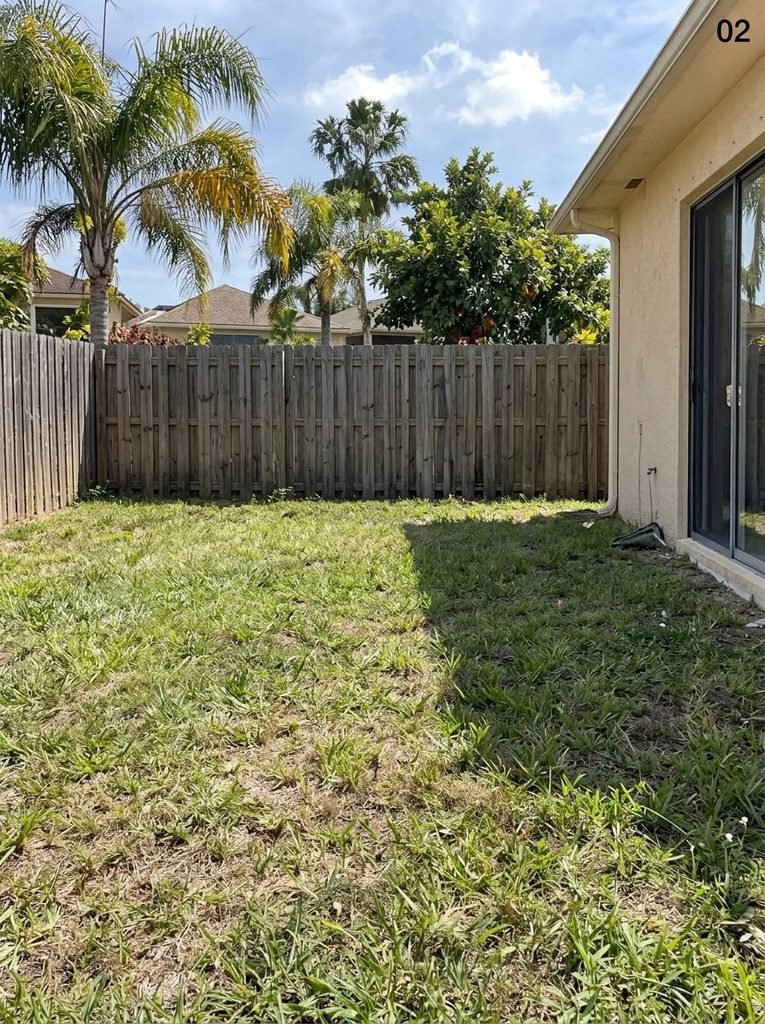
Start with the usable part of the backyard rather than the total yard size. Doors, patios, fences, outdoor faucets, walkways, and areas used by children or pets can reduce the amount of space available for gardening.
Measure the length and width of the area where you want the raised beds.
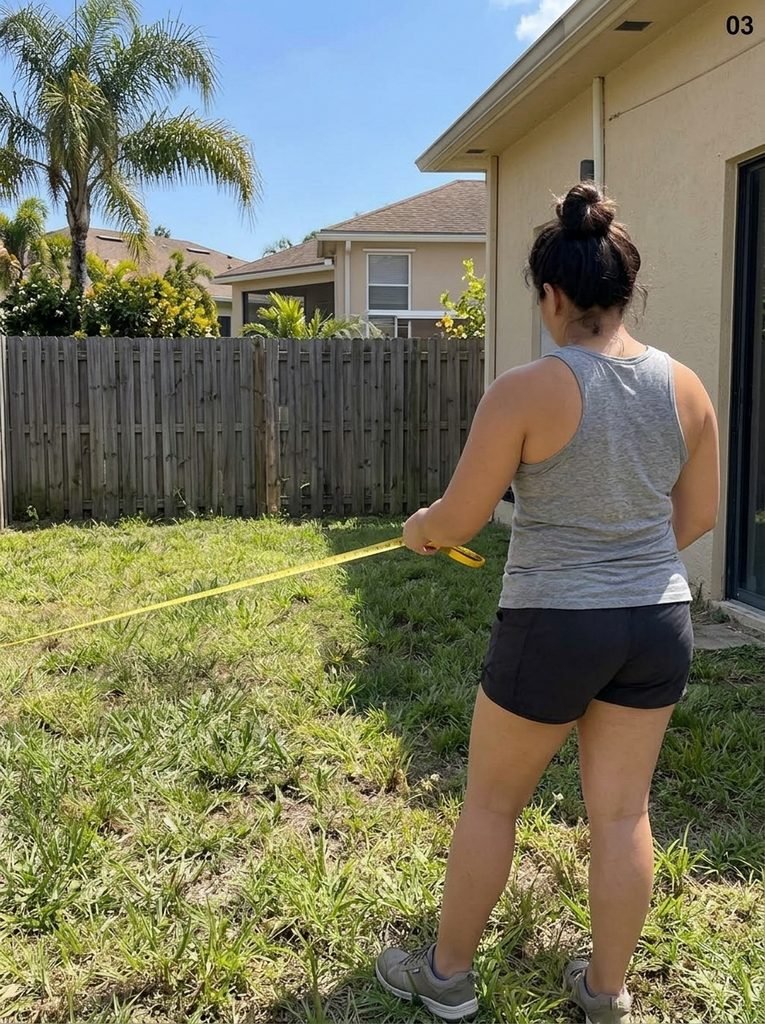
Also think about how you will move through the garden later. A layout that technically fits may still be frustrating if there is not enough room for watering, harvesting, or carrying tools.
A simple sketch can help you test several raised bed layouts before you start building.
Check Sun and Bed Orientation
Most vegetables grow best with plenty of direct sunlight.
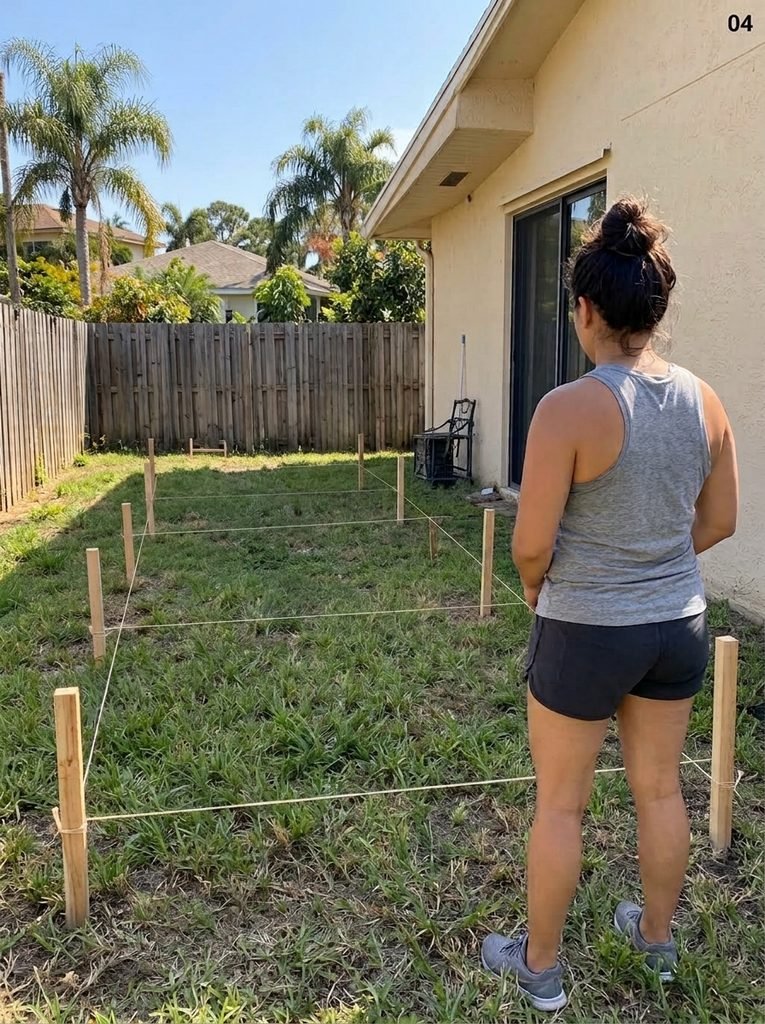
Spend some time watching how sunlight moves across the backyard. Trees, fences, neighboring buildings, and the house itself can create shade at different times of day.
Fruiting crops such as tomatoes, peppers, beans, and cucumbers usually need more sun than leafy greens and many herbs.
When possible, place the raised beds in the sunniest practical part of the yard.
Bed orientation matters less than giving the plants enough light, but taller crops should be positioned carefully so they do not shade shorter plants for most of the day.
Mark the Layout Before Building
One of the easiest ways to avoid layout mistakes is to mark the beds directly on the ground.
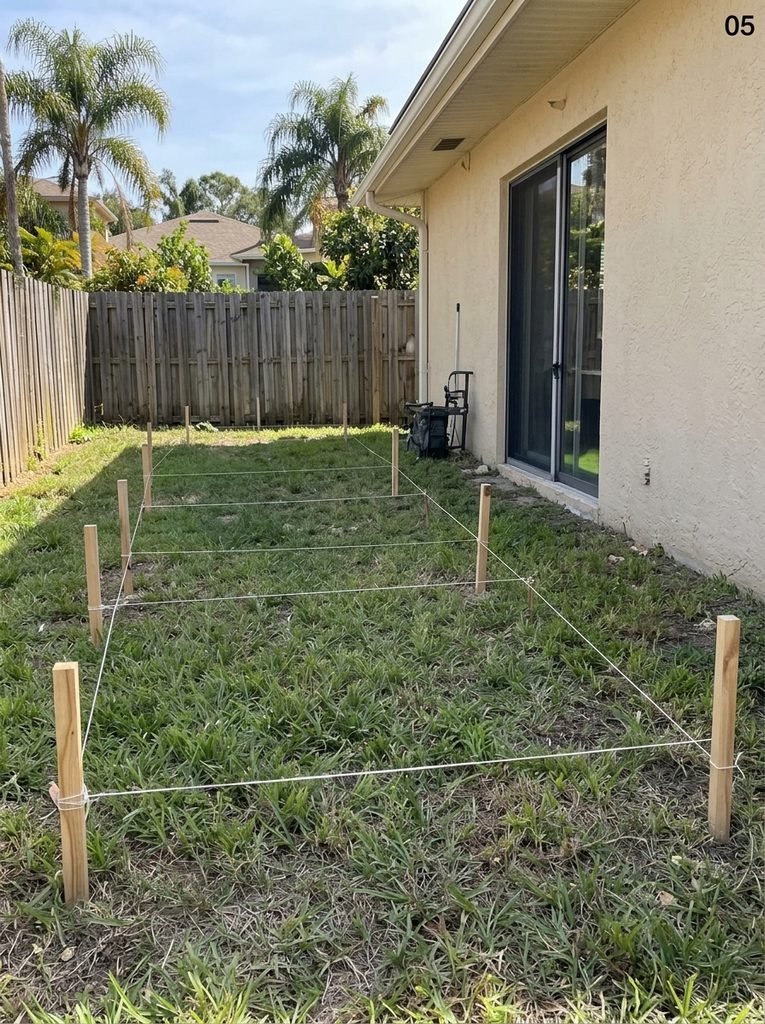
Use inexpensive stakes and garden string to outline the size and position of each bed.
Then walk through the layout.
Ask yourself:
- Can I comfortably reach every bed?
- Can I walk between them without turning sideways?
- Is there room to carry a watering can or garden tools?
- Can I reach the garden with a hose?
- Will a wheelbarrow fit if I need one?
It is much easier to move a piece of string than a finished raised bed.
Choose the Right Bed Size
Raised beds do not need to be large.
For many home gardens, a bed around 3 to 4 feet wide works well when you can reach it from both sides. If the bed is positioned against a fence or wall and can only be reached from one side, keeping it narrower makes maintenance easier.
Length can vary depending on the available space.
The main rule is simple: you should be able to reach the center without stepping into the soil.
Start With One Raised Bed
A single raised bed is enough to start growing vegetables, herbs, or flowers.
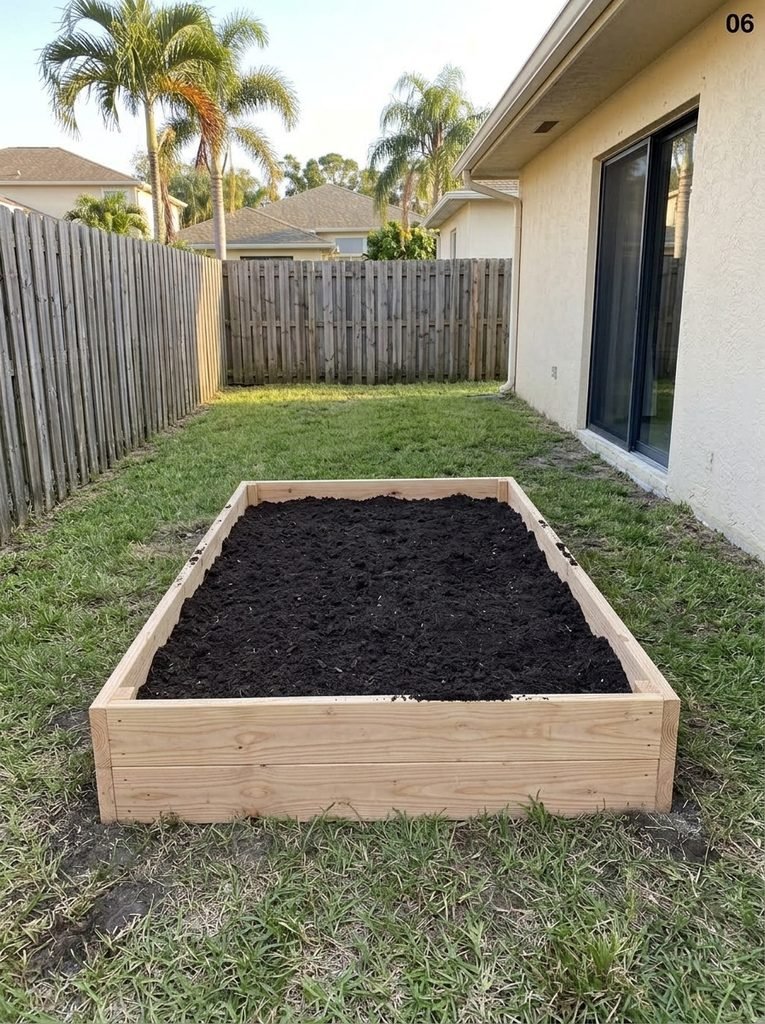
This layout works especially well for beginners or very small backyards.
Starting with one bed also lets you learn how much watering, maintenance, and harvesting you actually want to manage before expanding.
Leave some open space around the bed rather than pushing it tightly against every available edge.
Two-Bed Layout
Two beds can create a simple and productive small backyard garden.
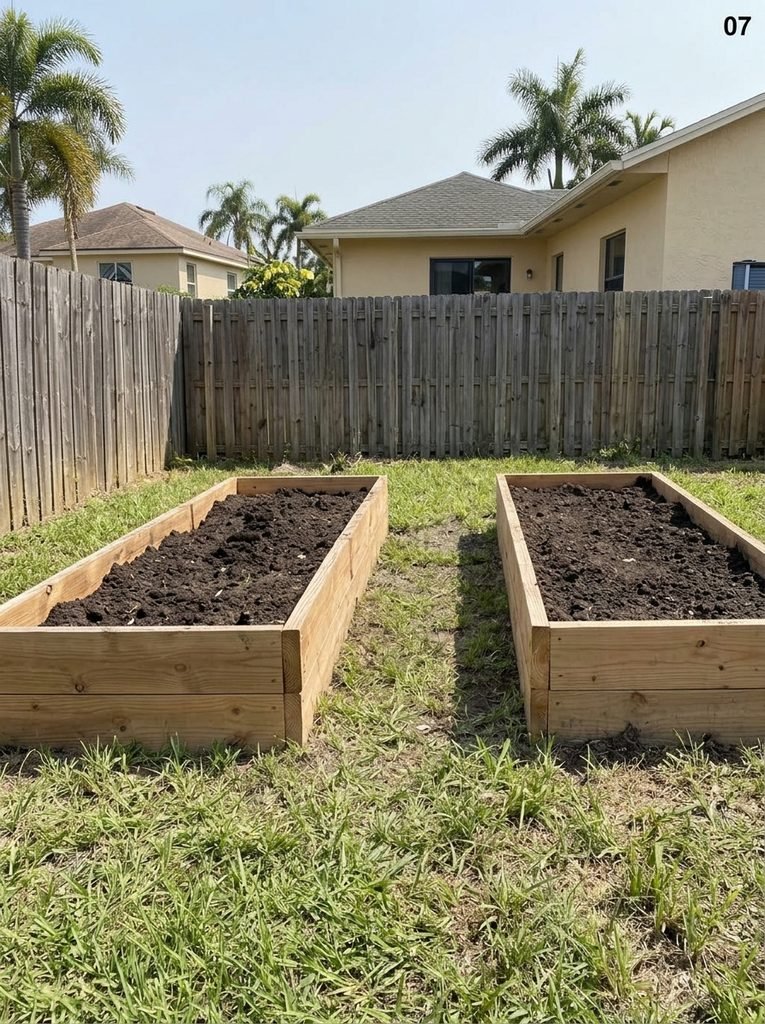
Place the beds parallel to each other with a clear path between them.
This gives you access to both sides of each bed and keeps the garden easy to maintain.
A two-bed layout also makes crop organization simple. For example, one bed can hold tomatoes and peppers while the second is used for herbs and leafy greens.
Three-Bed Layout
A three-bed layout gives you more planting space without turning the entire backyard into a garden.
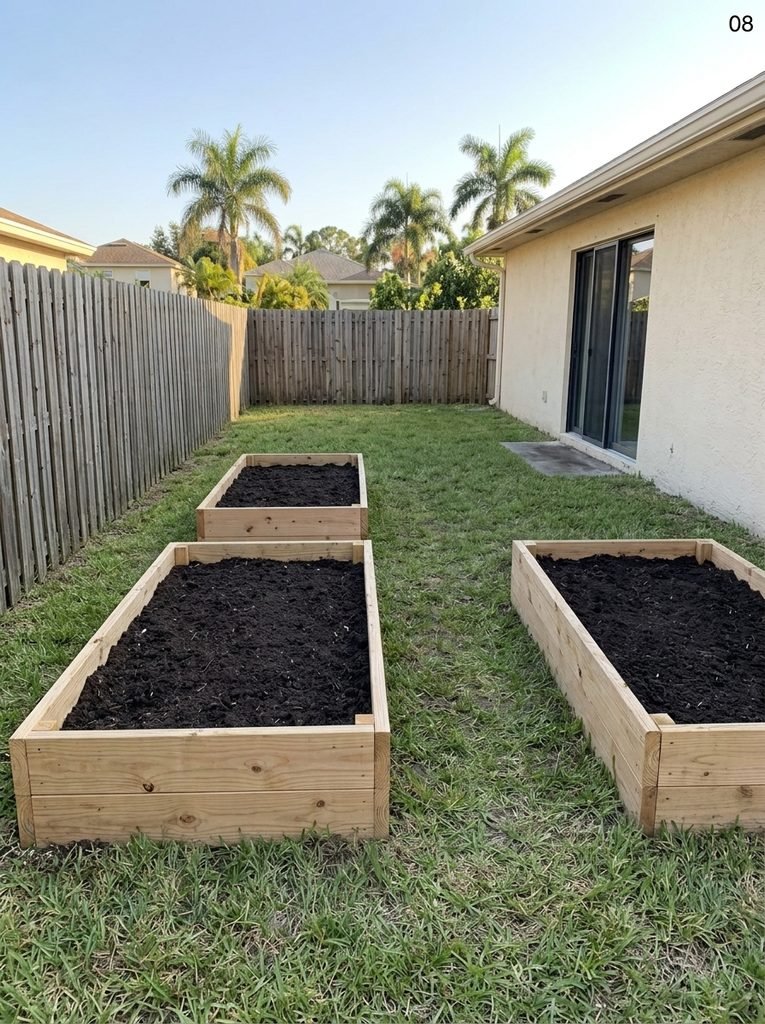
You can arrange the beds in parallel rows or create a simple L-shaped layout depending on the shape of the yard.
The important part is keeping the center paths open.
Avoid squeezing in an additional bed if doing so makes the rest of the garden difficult to reach.
Four-Bed Layout
Four beds can work surprisingly well in a modest backyard when the layout is planned carefully.
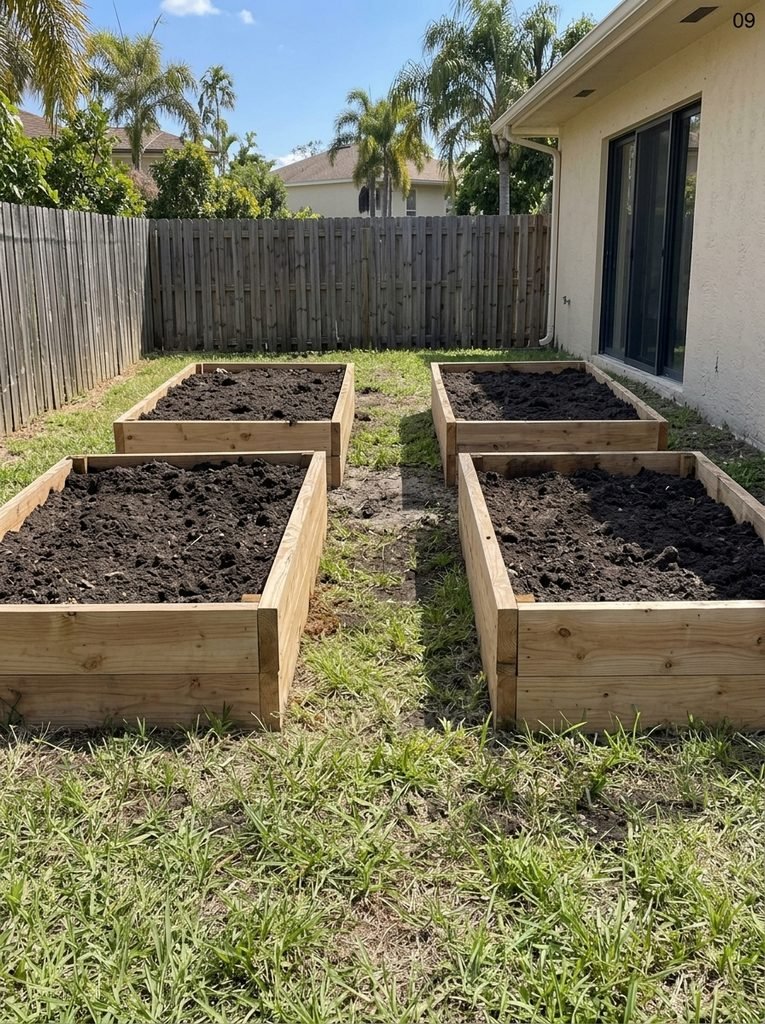
A simple grid is often the easiest arrangement.
This layout can give you separate growing areas for different crops while keeping everything organized.
For example:
- Bed 1: tomatoes and peppers
- Bed 2: leafy greens
- Bed 3: herbs and companion flowers
- Bed 4: cucumbers, beans, or seasonal vegetables
You do not have to fill every bed with a different crop. The goal is simply to make planting, rotation, and maintenance easier.
Make Sure the Beds Are Easy to Reach
One of the most common raised bed mistakes is building beds that are too wide.
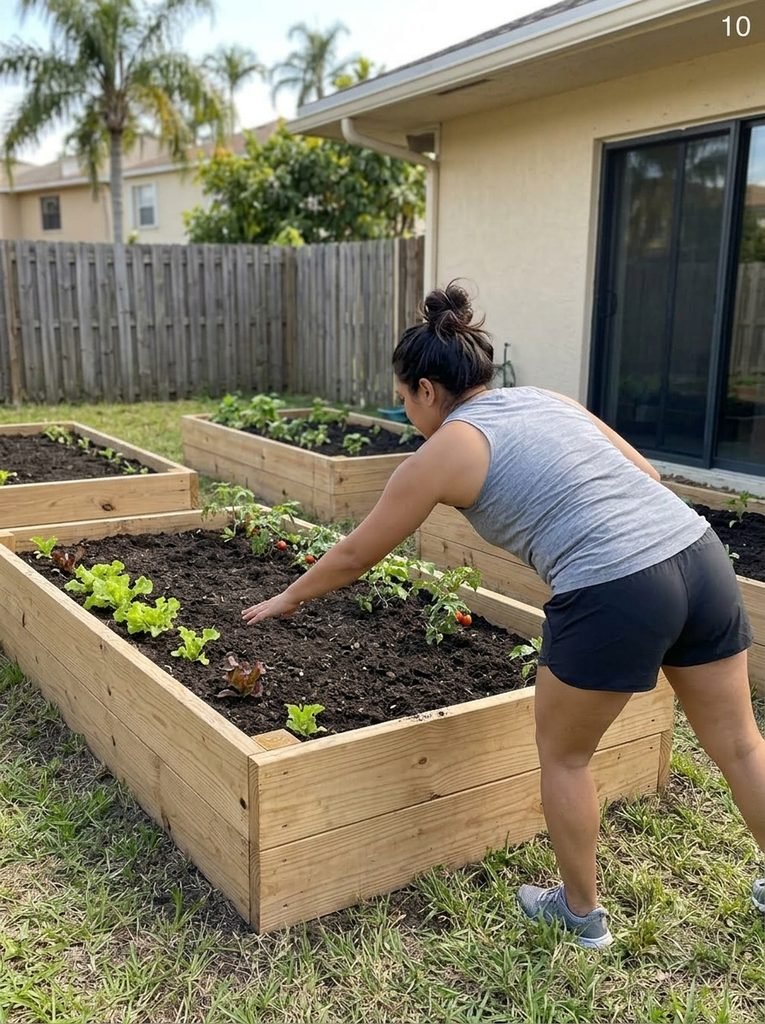
You should be able to reach the center from the edge without climbing into the bed.
Walking on the soil can compact it and reduce the benefit of using a raised bed in the first place.
Before filling a new bed, stand beside it and test your reach. If the center feels uncomfortable, reduce the width.
Leave Comfortable Garden Paths
Paths are not wasted space.
They are part of the garden.
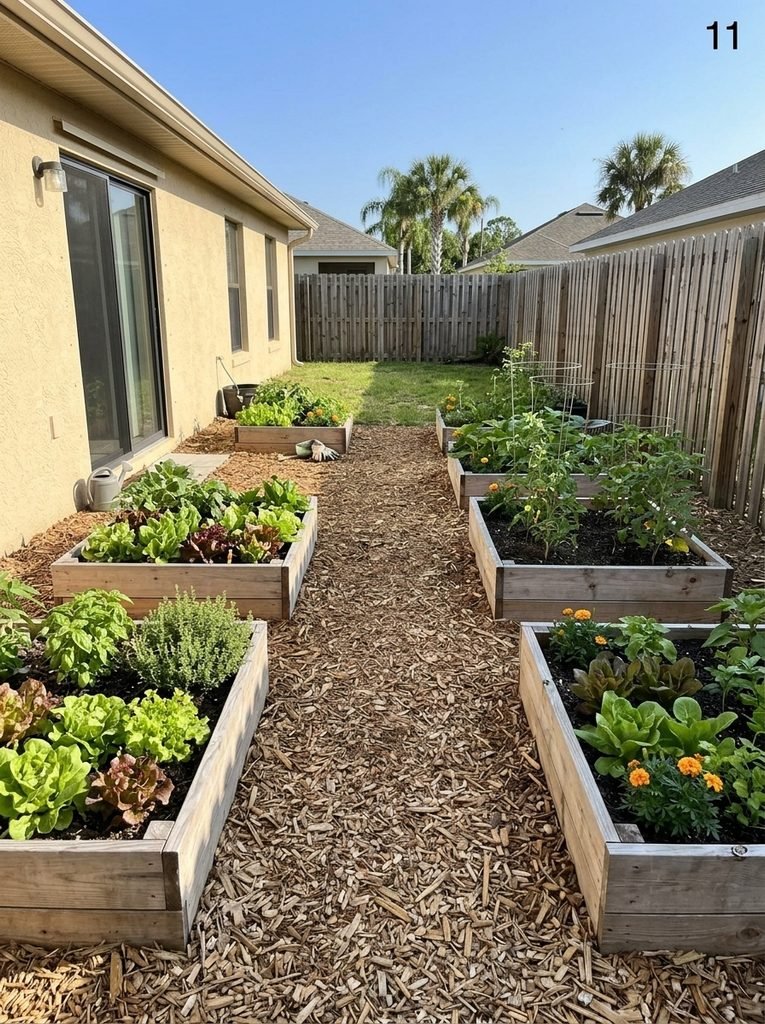
Narrow paths can make watering, pruning, harvesting, and carrying tools unnecessarily difficult.
For basic foot access, a path around 24 inches wide can work in tight spaces. Around 30 to 36 inches is usually more comfortable, especially if you regularly carry tools or harvest baskets.
If you expect to use a wheelbarrow, leaving even more room can make the garden much easier to maintain.
Think About Bed Spacing
Raised bed spacing should allow you to move naturally between rows.
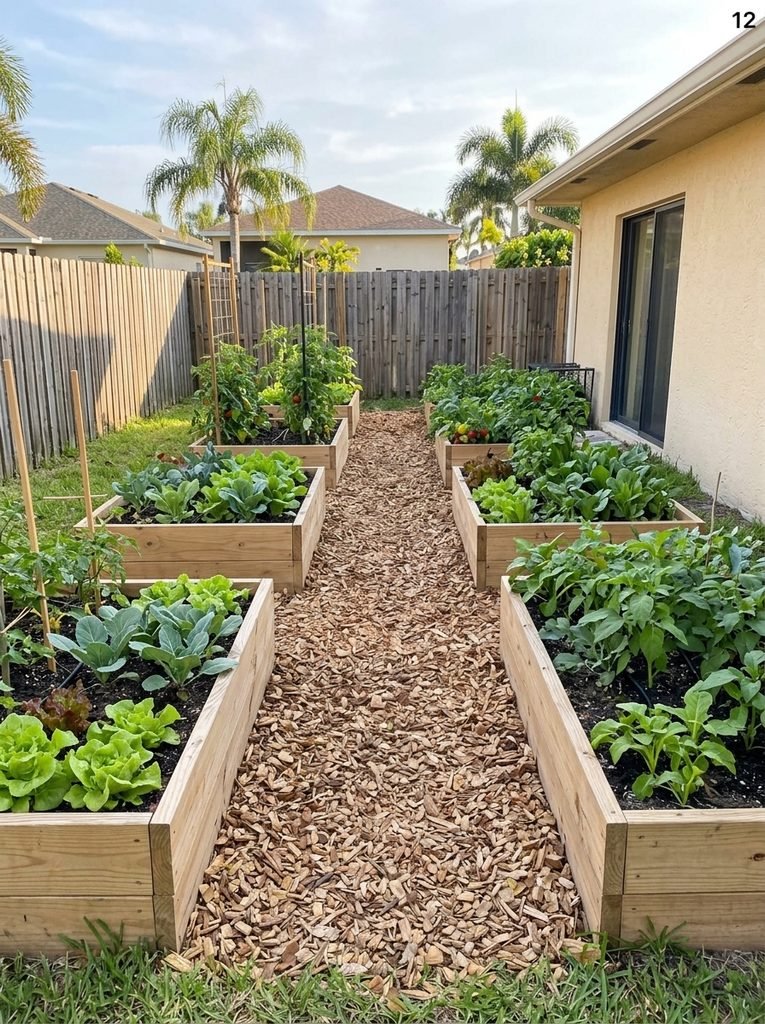
Remember that plants will become larger as the season progresses.
A path that feels wide when the beds are empty may become much narrower when tomato vines, cucumber leaves, or other crops begin growing over the edges.
Plan for mature plants, not just newly planted seedlings.
Place Tall Crops Carefully
Tall plants can create useful vertical growth, but they can also shade neighboring crops.
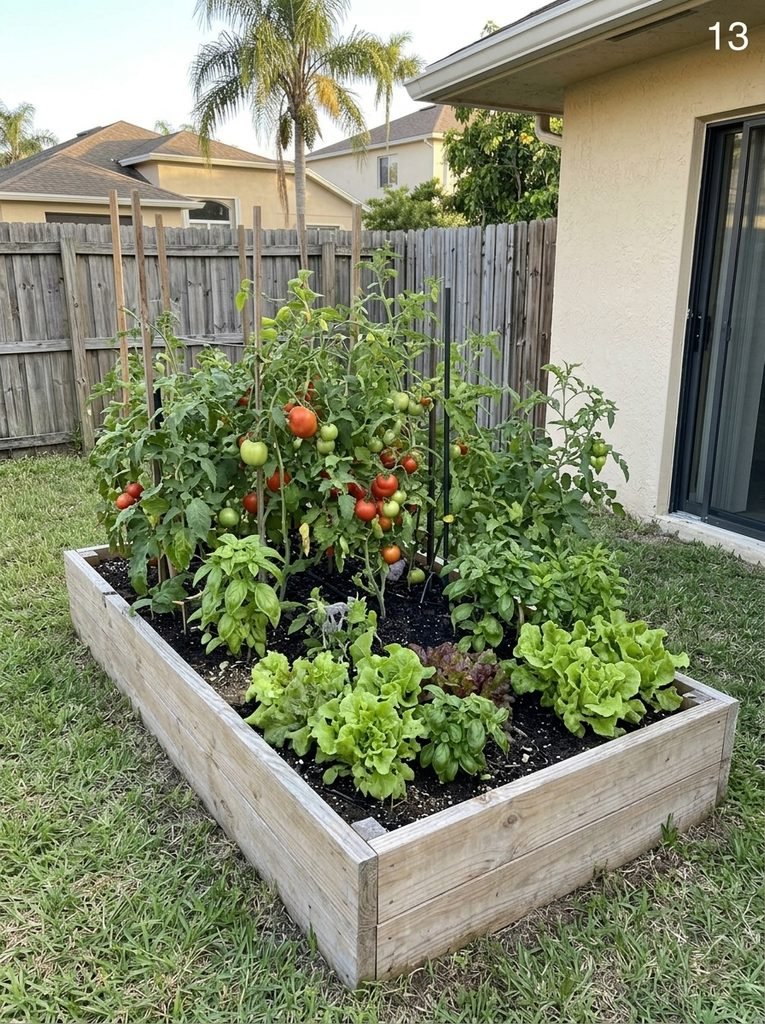
Tomatoes, pole beans, cucumbers, and other tall crops usually work best toward the back or one edge of a raised bed.
Keep shorter vegetables such as lettuce, herbs, and low-growing greens where they can still receive enough light.
This simple arrangement can make better use of the same bed without overcrowding it.
Add Trellis Space
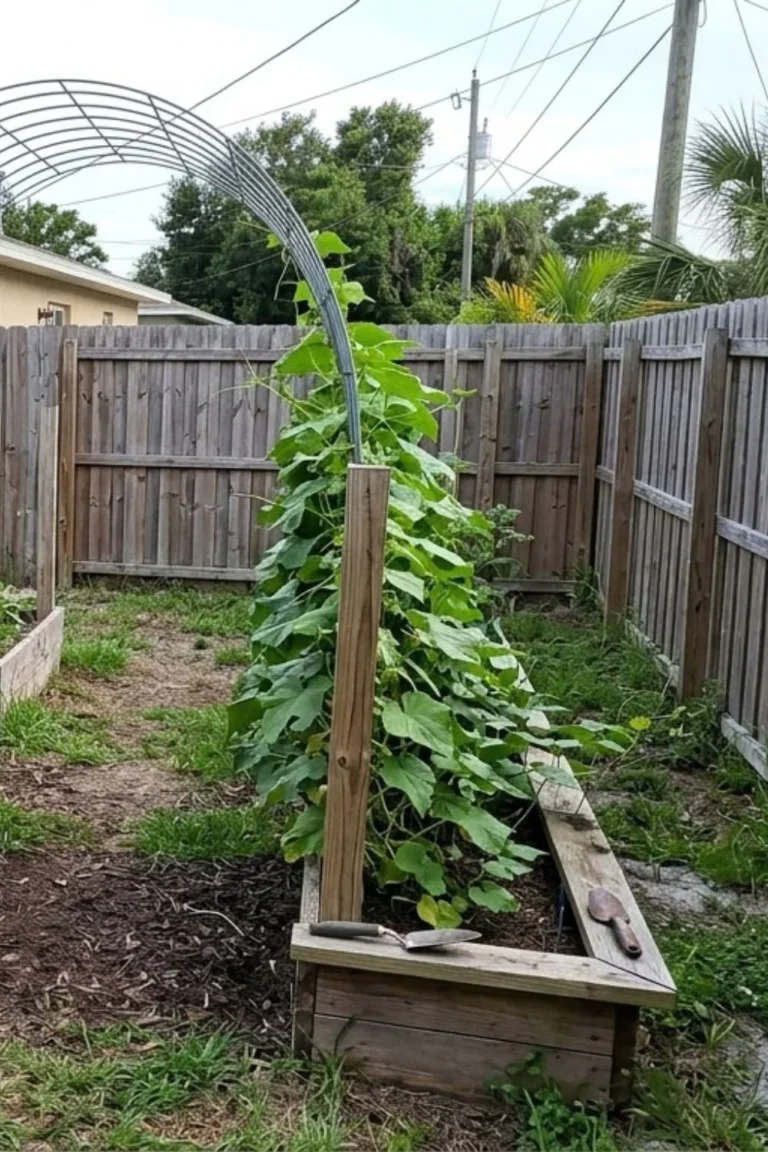
Vertical growing is especially useful in small backyard raised beds.
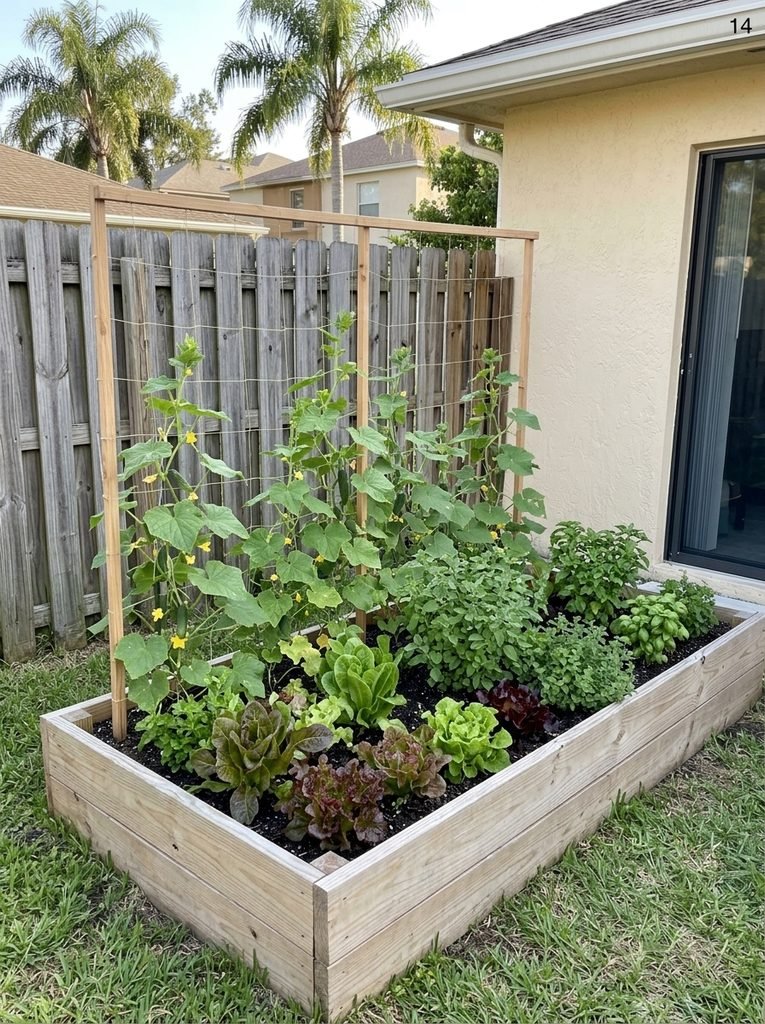
A trellis can support:
- Cucumbers
- Pole beans
- Peas
- Some small squash varieties
- Indeterminate tomatoes with appropriate support
Placing the trellis along the back edge of the bed keeps the center easier to reach.
Make sure the support is installed securely before the plants become heavy.
Fill Raised Beds With Good Soil
Once the layout is settled, the beds can be filled.
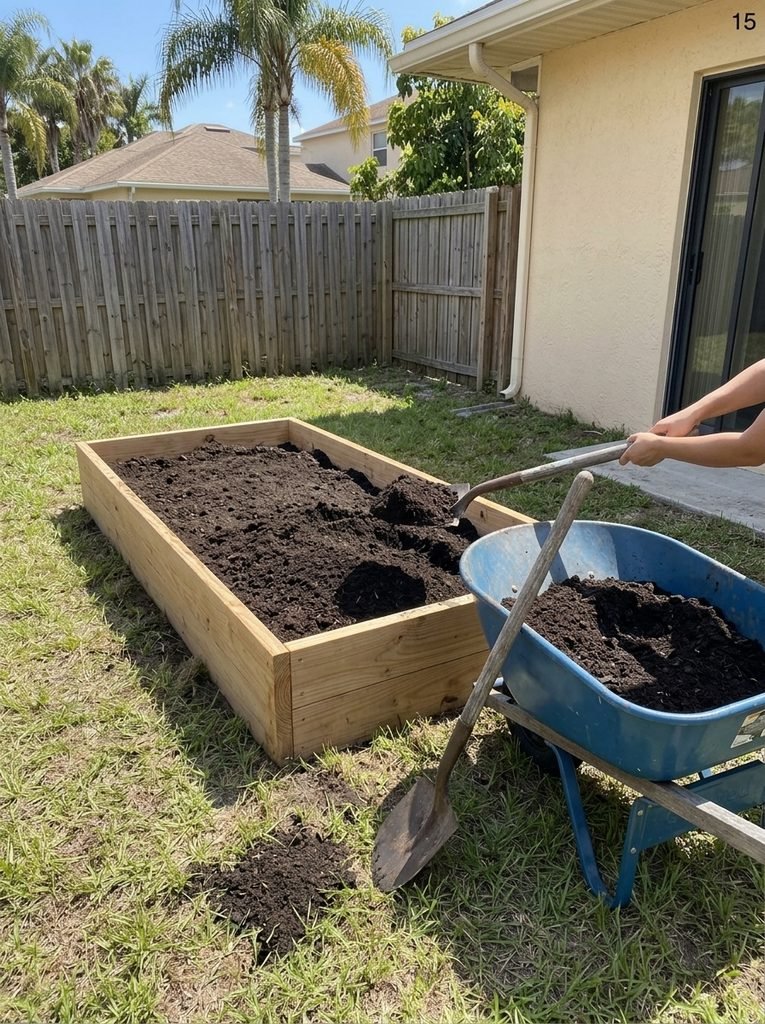
Raised bed soil should hold moisture while still draining well.
Avoid filling a bed entirely with dense native soil or extremely heavy material that compacts easily.
Many gardeners use a mixture of quality garden soil and organic matter such as finished compost.
Leave a little space below the top edge of the bed so watering and mulch do not constantly spill over.
Plan the Vegetable Layout
A raised bed can hold several types of plants, but more plants do not automatically mean a better harvest.
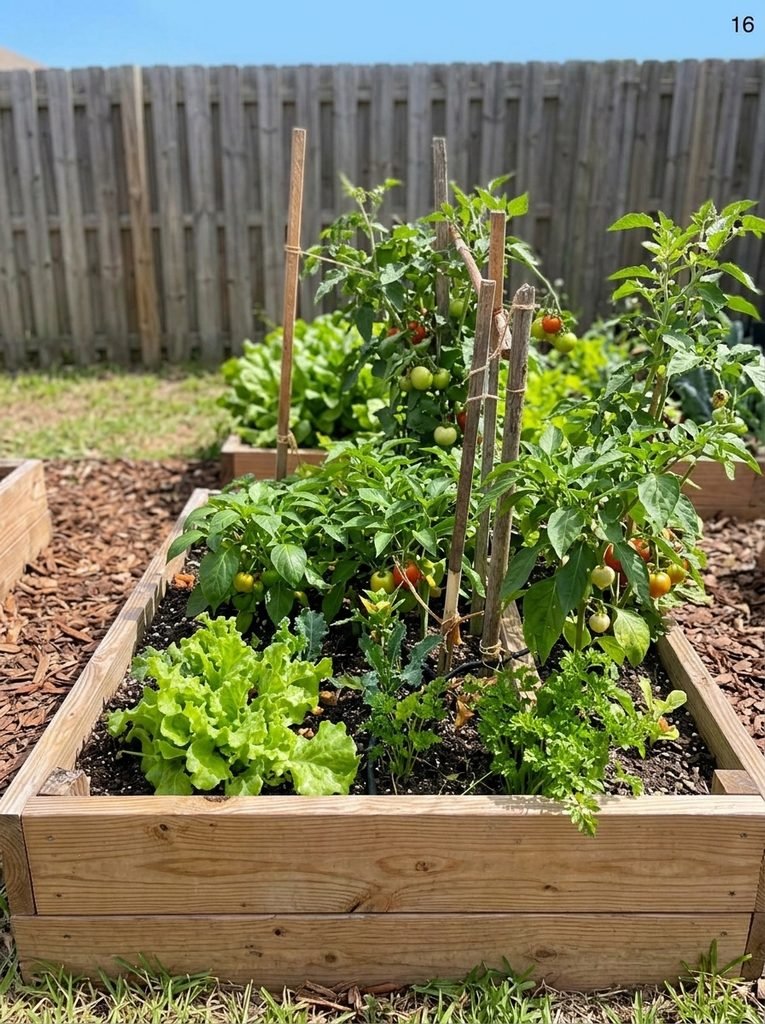
Give each crop enough room to mature.
A practical mixed bed might contain:
- One or two tomato plants
- Several pepper plants
- A section of leafy greens
- Basil or parsley
- A few companion flowers
Keep some visible soil between young plants. They will fill more of the bed as they grow.
Overcrowded plants can become harder to water, prune, and inspect for pests.
Make Watering Easy
Water access should be considered when planning the garden, not after everything is planted.
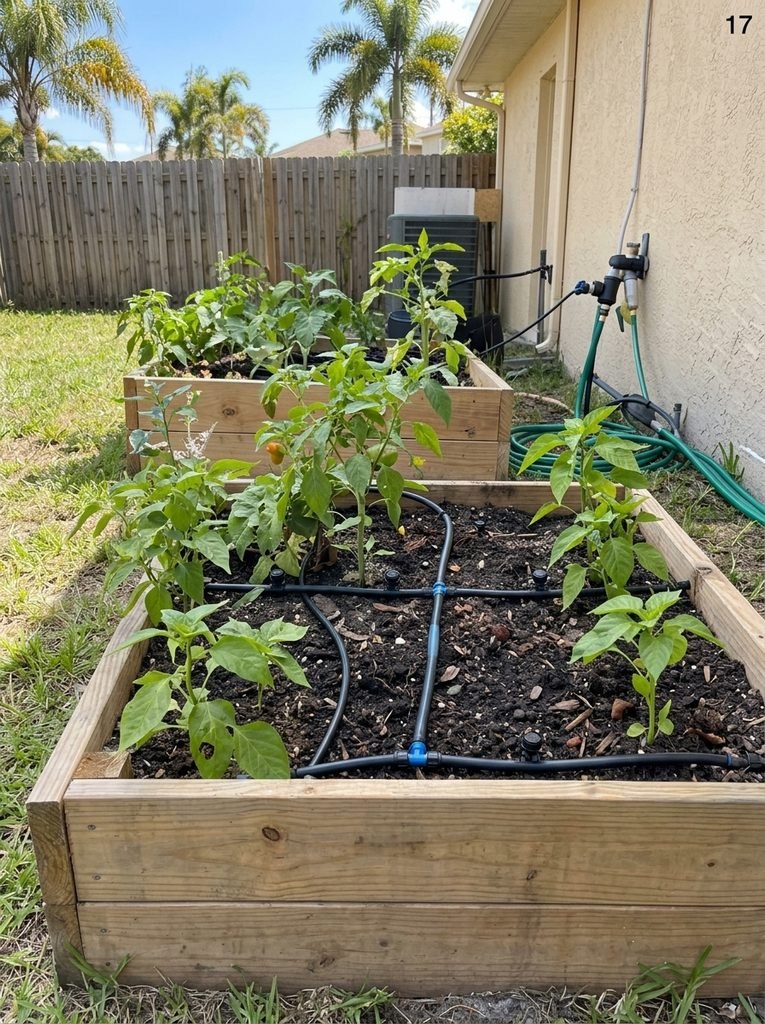
A nearby garden hose may be enough for a small setup.
For several raised beds, drip irrigation or a simple soaker system can make watering more consistent and reduce the amount of time spent standing with a hose.
Run irrigation lines where they will not become a tripping hazard in the paths.
Water deeply enough to reach the root zone rather than repeatedly wetting only the surface.
Improve the Paths
Once the final layout works, you can improve the paths around the beds.
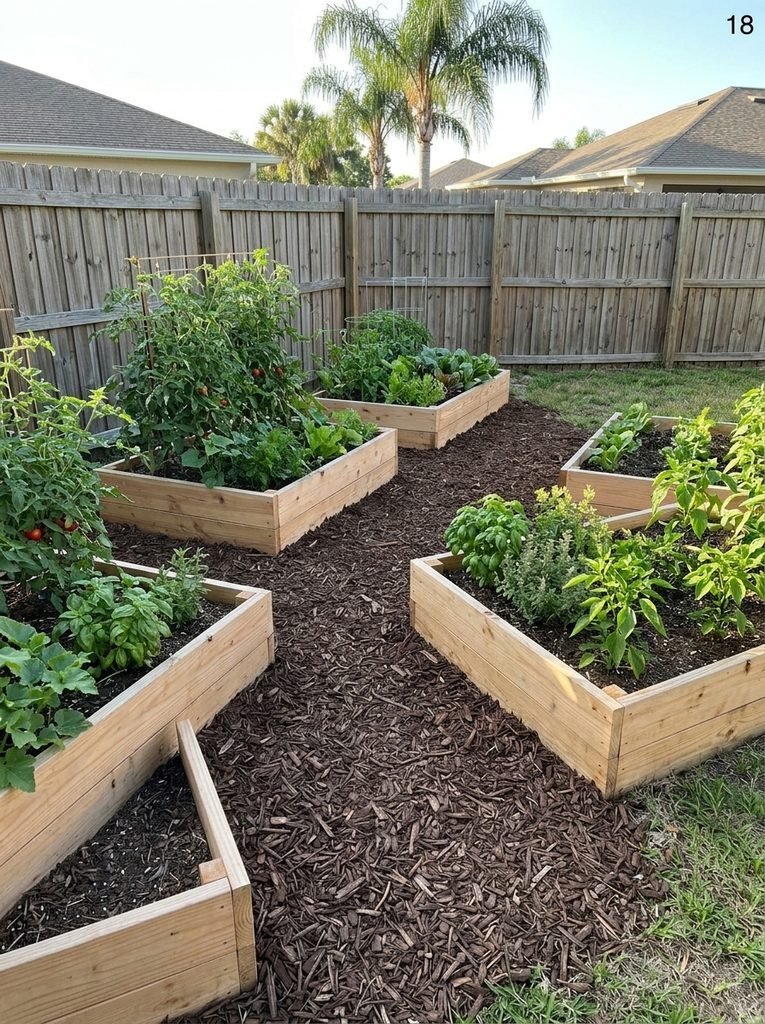
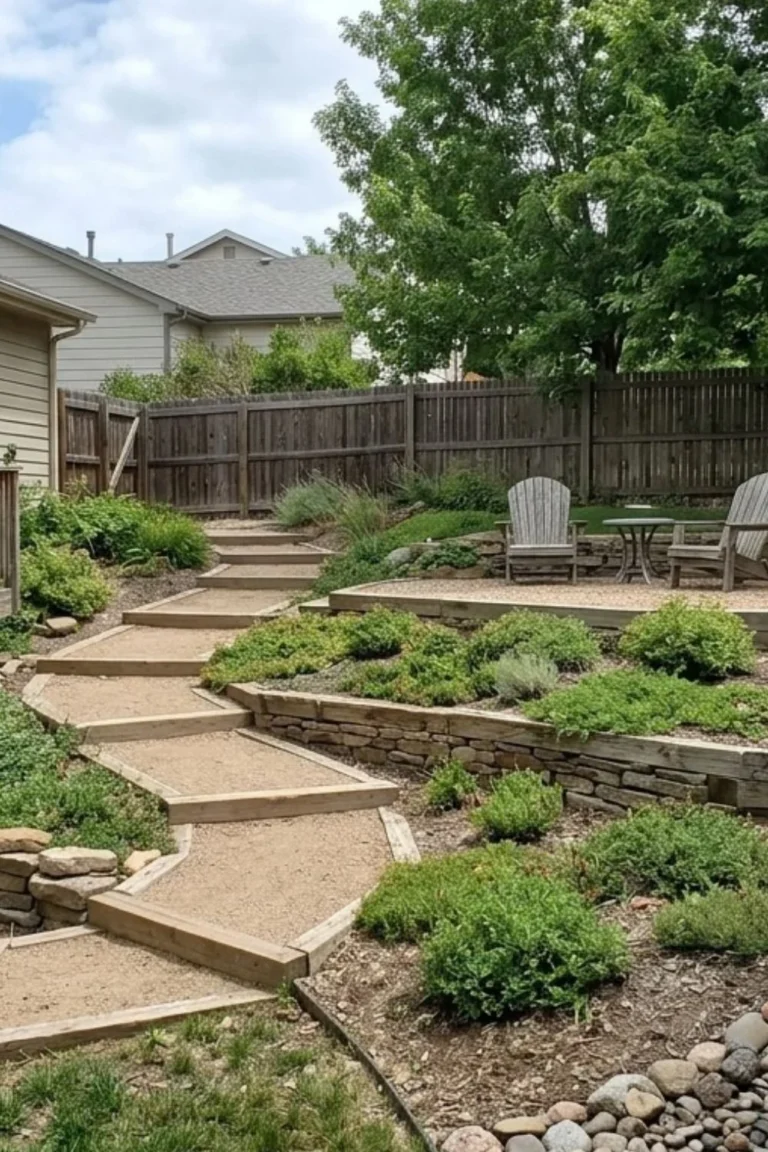
Wood chips, mulch, gravel, or simple stepping materials can reduce mud and help define the garden.
For a casual backyard garden, the path edges do not need to be perfectly straight.
The priority is comfortable movement and easy maintenance.
Organic mulch paths may need to be refreshed over time, while gravel usually lasts longer but may require more preparation.
Keep Maintenance Access Open
Think about how the garden will work months after installation.
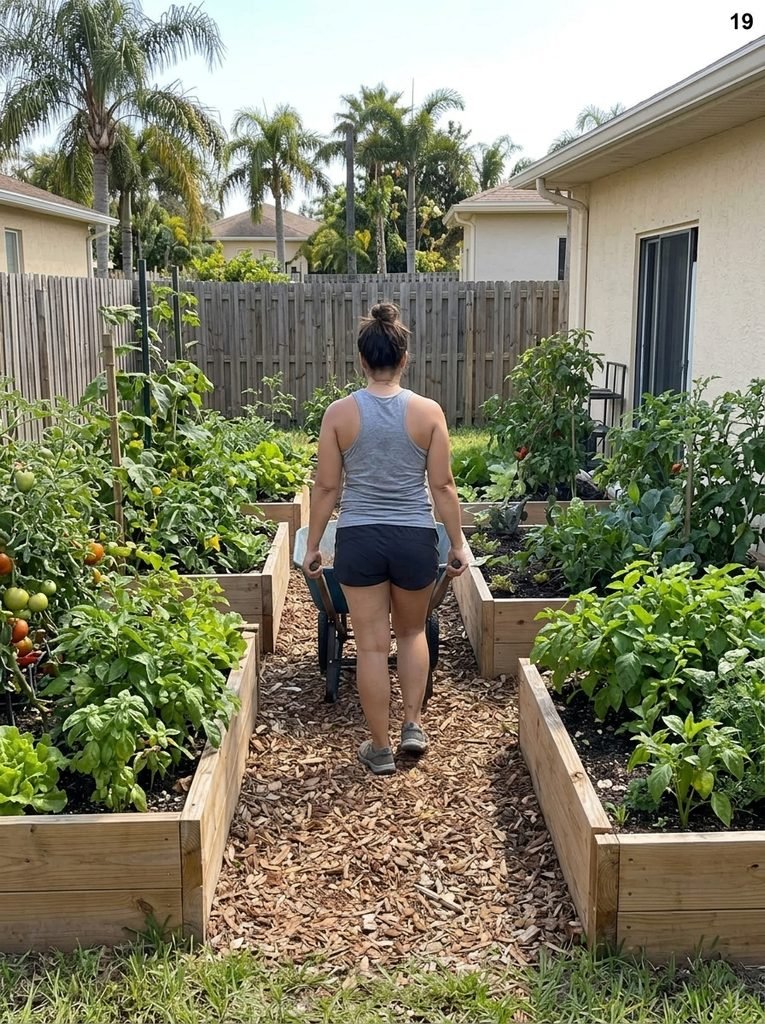
You may eventually need to move:
- Compost
- Mulch
- Soil
- Tools
- Plant supports
- Harvest containers
A wheelbarrow or garden cart is much easier to use when the paths are wide enough.
Avoid creating dead-end spaces where you have to lift equipment over a raised bed.
Harvest Without Stepping Into the Beds
A good raised bed layout makes harvesting easy.
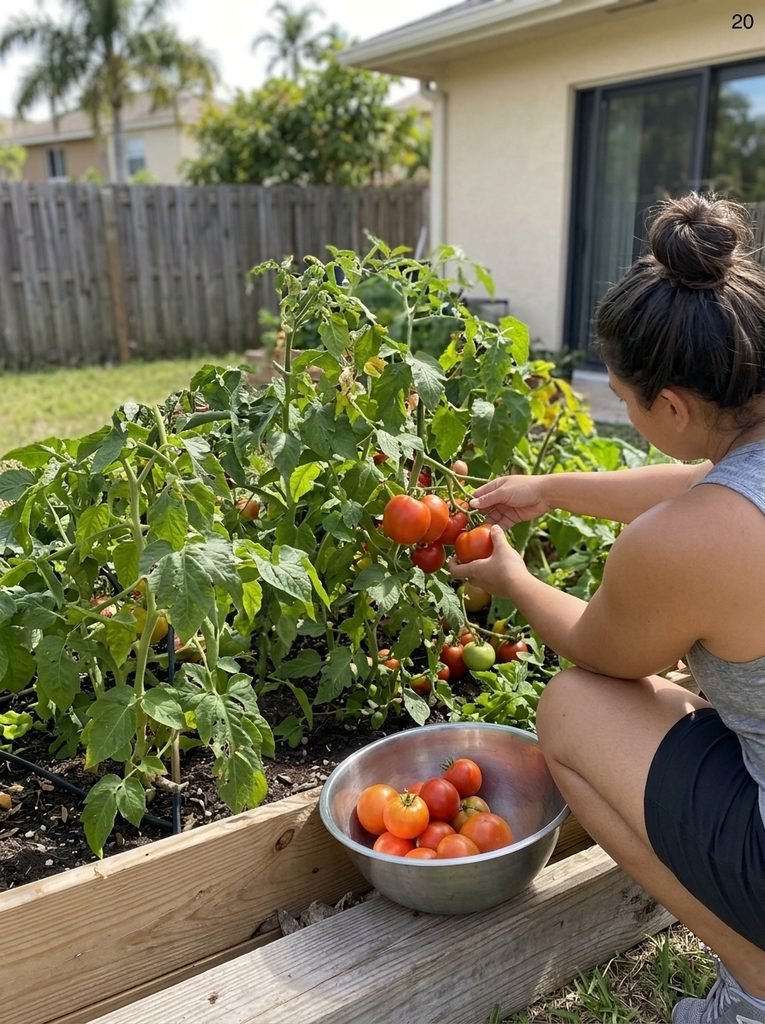
You should be able to reach mature vegetables from the paths without stepping into the growing area.
Regular harvesting can also encourage some crops to continue producing and makes it easier to notice damaged leaves, pests, or plants that need support.
Small, frequent harvests are completely normal in a home garden.
A Finished Small Backyard Raised Bed Layout
The best raised bed garden is not necessarily the one with the most beds.
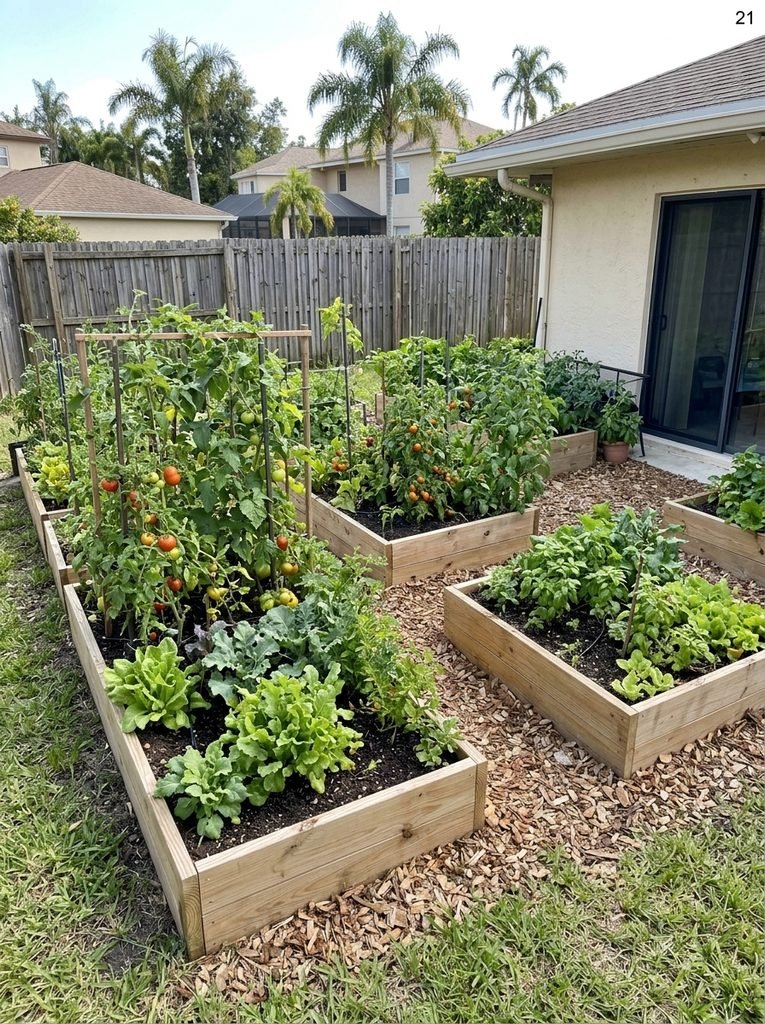
It is the one that is comfortable enough to use regularly.
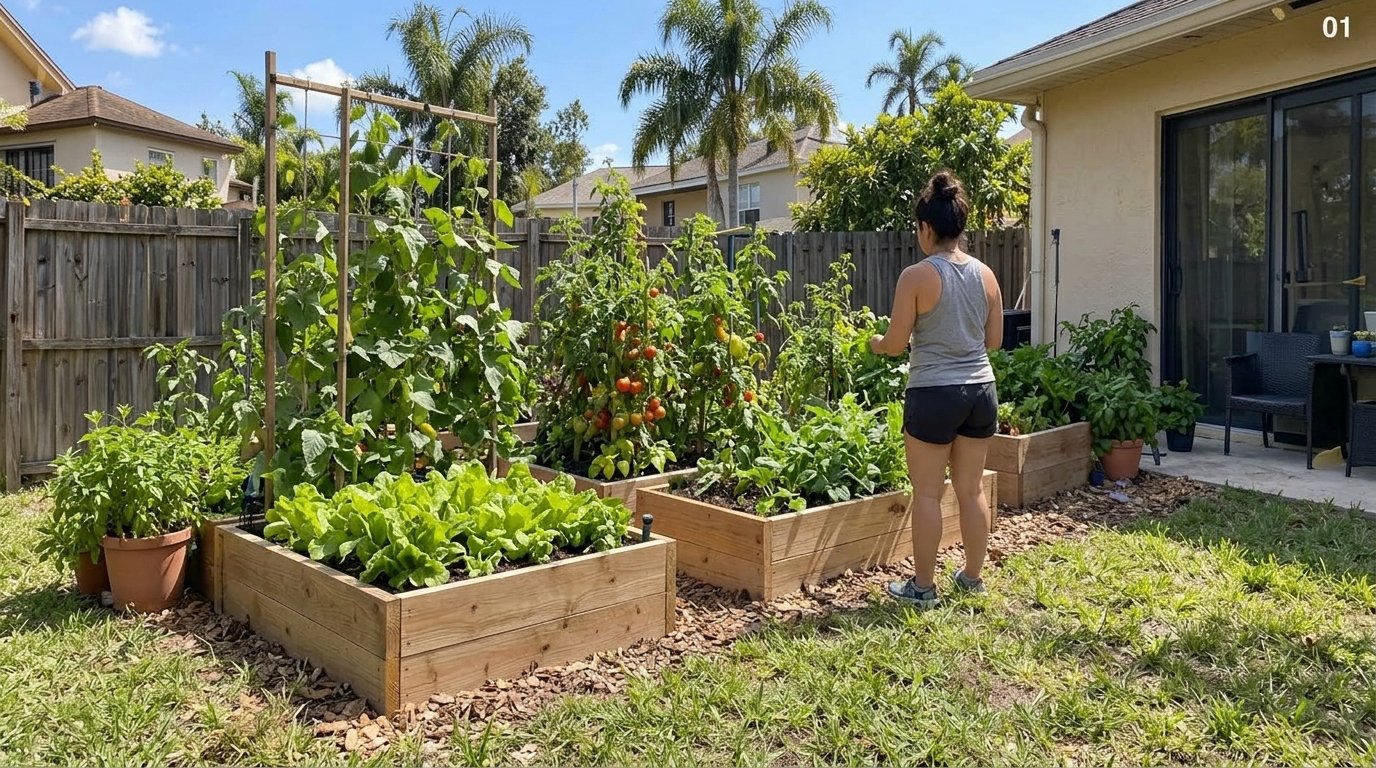
A well-planned small backyard might include three or four beds, a trellis, clear walking paths, easy water access, and enough open lawn to keep the yard useful for other activities.
The garden can always expand later if you discover that you want more growing space.
Mistakes That Make Raised Beds Hard to Use
Several small layout mistakes can cause problems later.
Avoid making beds so wide that the center is difficult to reach. Do not reduce paths just to fit one more bed into the yard. Keep tall crops from blocking sunlight for shorter plants, and make sure the garden remains accessible for watering and maintenance.
Also avoid planning only for seedlings. Tomatoes, squash, cucumbers, and other vigorous plants can occupy much more space once mature.
A little extra breathing room usually makes the garden easier to manage.
Frequently Asked Questions
What is the best width for a raised garden bed?
A bed around 3 to 4 feet wide is common when you can access it from both sides. If you can only reach the bed from one side, a narrower design is usually easier to maintain.
How much space should I leave between raised beds?
Around 2 feet can work for basic foot access, but approximately 30 to 36 inches is more comfortable for regular gardening. Leave additional room if you want to use a wheelbarrow or garden cart.
How many raised beds can fit in a small backyard?
There is no single correct number. One to four beds can work well in many small yards depending on bed dimensions, path width, sunlight, and how much open space you want to keep.
Which direction should raised beds face?
Sun exposure and avoiding shade from buildings or tall plants are usually more important than following one fixed direction. Arrange the beds so the crops receive adequate sunlight and remain easy to reach.
Can I put a raised bed against a fence?
Yes, but make sure you can still reach the entire bed. Beds accessible from only one side should generally be narrower than beds that can be reached from both sides.
Final Thoughts
Raised bed gardening works especially well in small backyards when the layout is planned before construction begins.
Start by measuring the yard and checking sunlight. Choose beds that are easy to reach, leave comfortable paths, use trellises for climbing crops, and keep watering and maintenance access simple.
You do not need to fill the entire backyard.
A few well-positioned raised beds can create a productive vegetable garden while still keeping the space comfortable, practical, and easy to maintain.