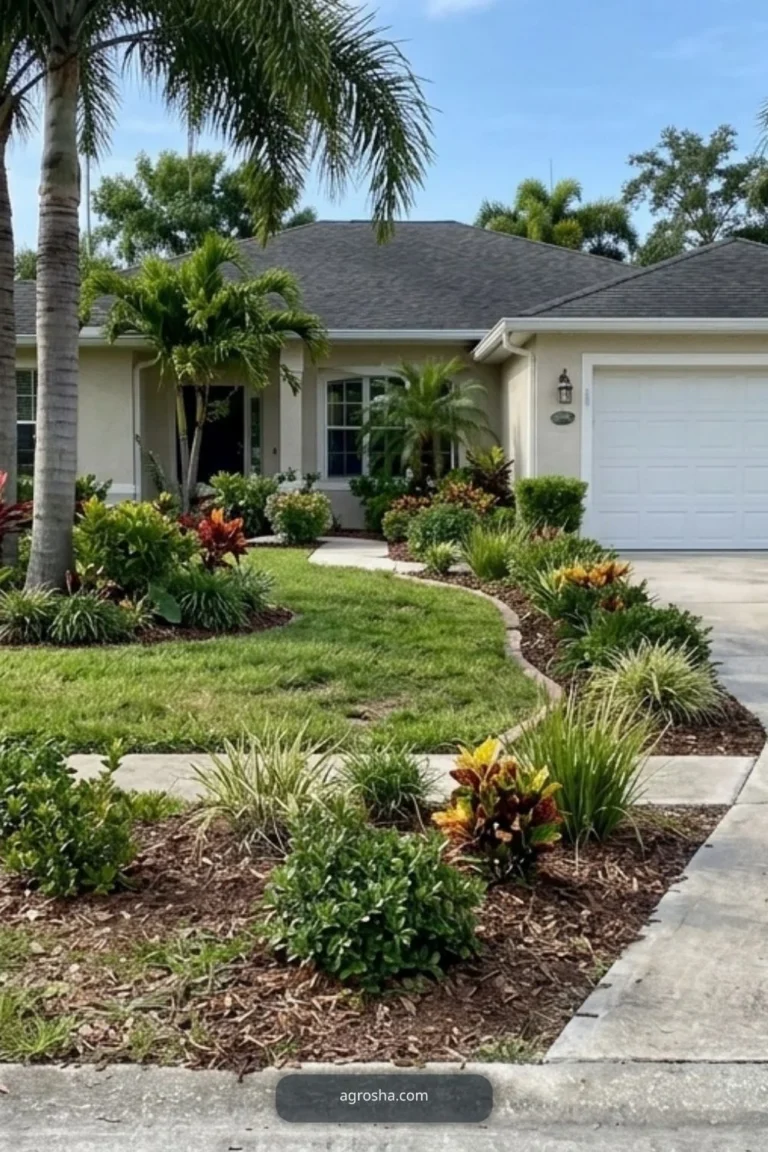
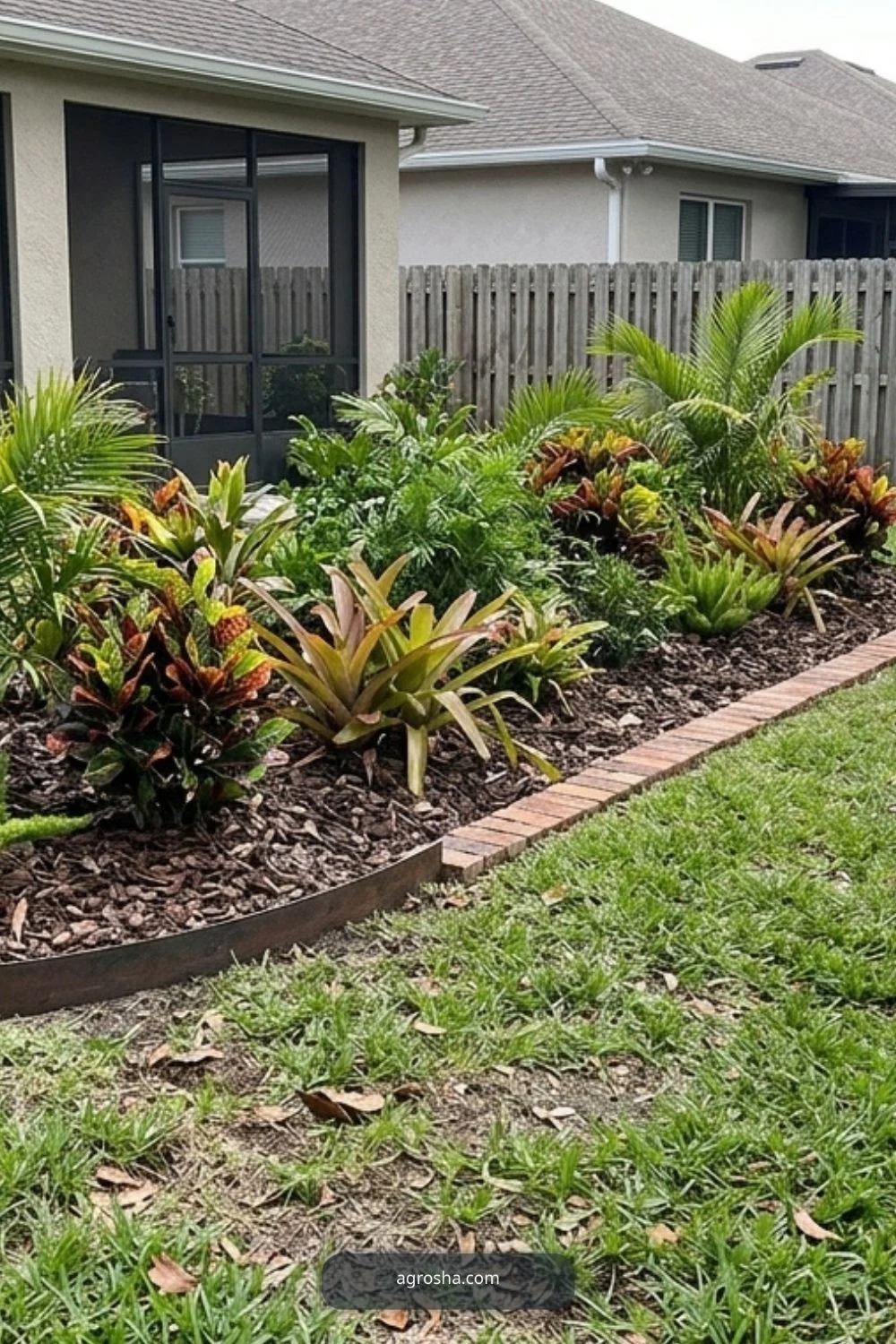
Garden edging ideas should do two jobs: keep lawn, mulch, gravel, and soil where they belong, and create a clean line that fits the style of the yard. The best edge is not always the most decorative one. In Florida, rainfall, sandy soil, fast grass growth, heat, and mower access matter just as much as color or material.
Before choosing edging, decide whether the border needs to hold gravel, stop turf, create a mowing strip, handle a small slope, or simply sharpen the shape of a flower bed. That function should narrow the material choices quickly.
30 Garden Edging Ideas by Style, Budget, and Maintenance
Metal Edging Ideas
1. Thin Black Steel Edge

A slim black steel edge can separate lawn from mulch without becoming the main feature. Set it nearly flush so it does not catch shoes or mower wheels. In Florida humidity, use an outdoor-rated finish and inspect exposed joints over time.
2. Weathering-Steel Edge
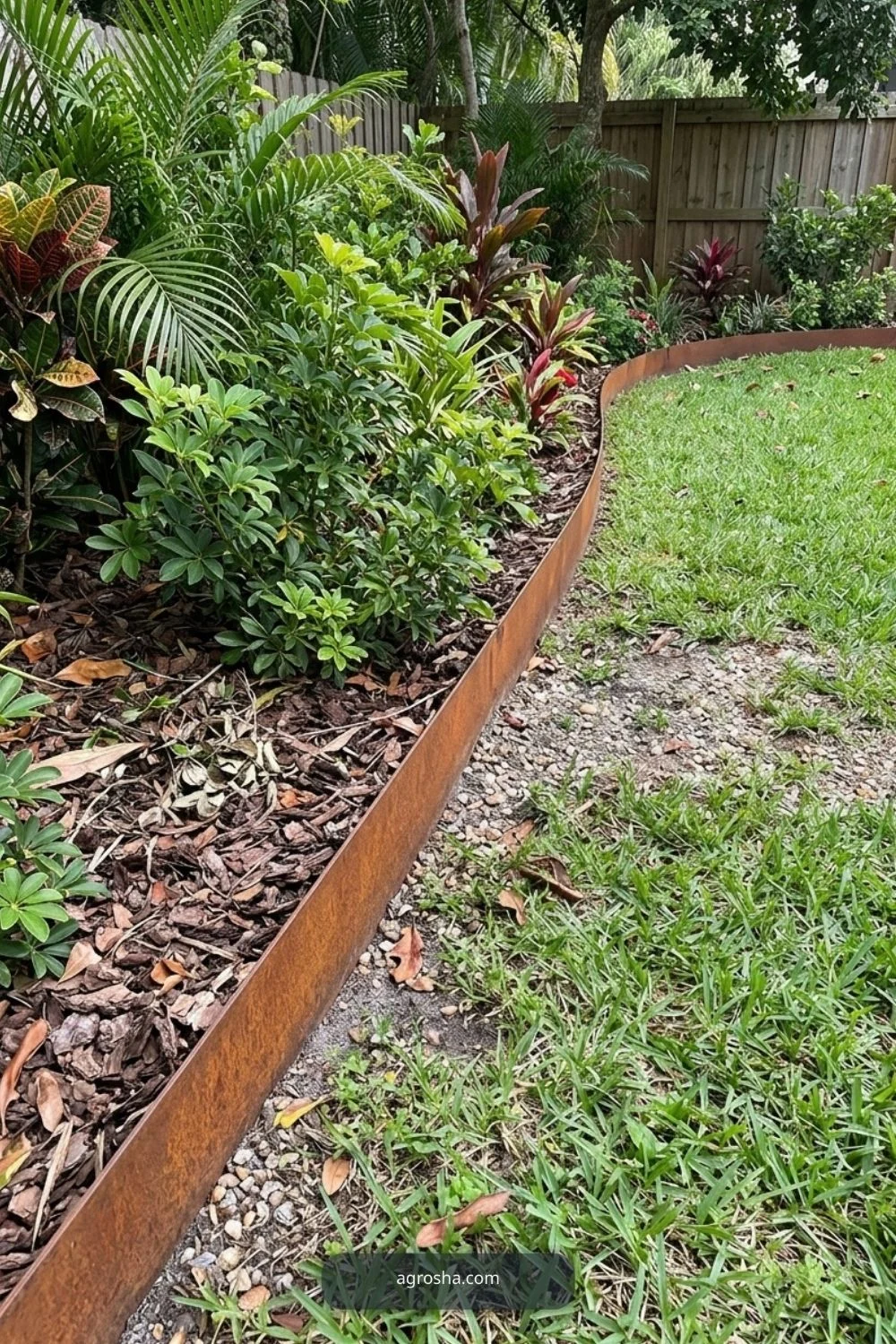
Weathering steel adds a warm rust-like line that works well with gravel, grasses, and modern planting. Plan for early runoff staining near pale pavers. Use it where the edge will remain for years rather than as a temporary bed outline.
3. Aluminum Landscape Edge
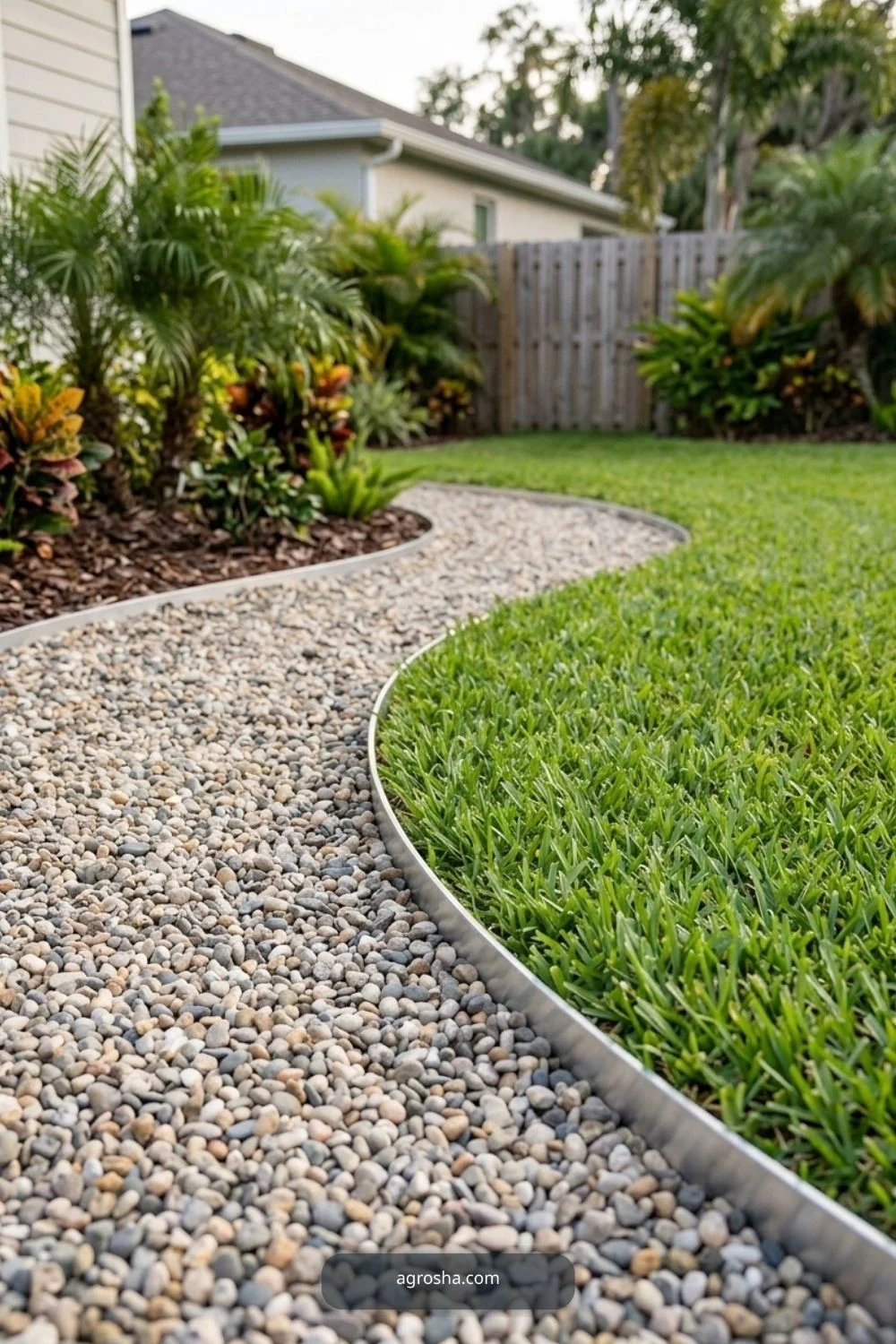
Aluminum is lightweight, corrosion-resistant, and useful for gentle curves. It creates a clean line without the weight of steel. Anchor it well in sandy soil so repeated mowing and rain do not slowly push the edge out of alignment.
4. Tall Metal Edge for Gravel Beds
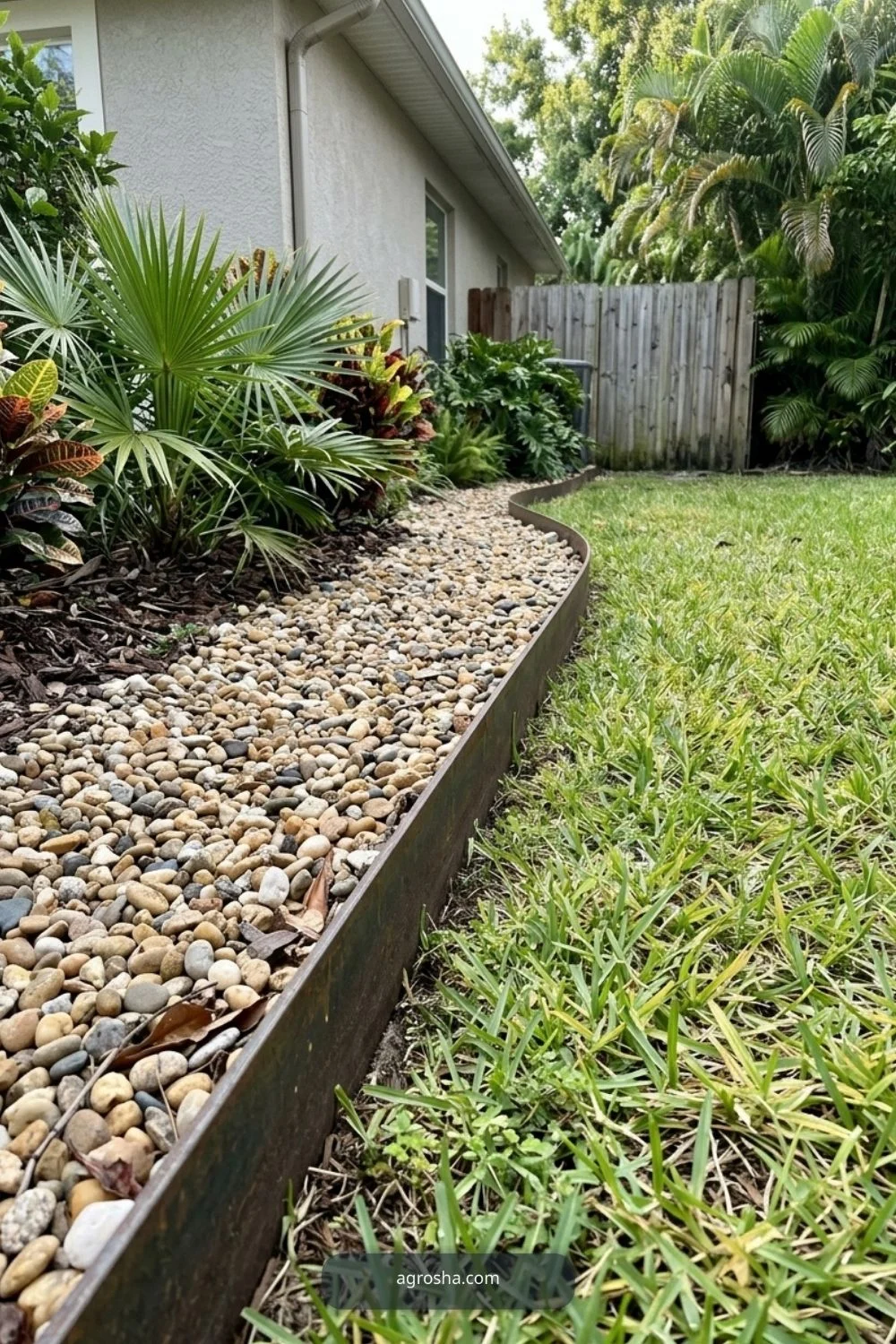
A slightly taller metal edge can contain gravel where the surface sits above nearby soil. Keep only the needed height visible; an oversized metal strip can look harsh and create a trip edge. Use it along low-traffic borders, not directly beside play areas.
5. Metal Mowing Strip With Pavers
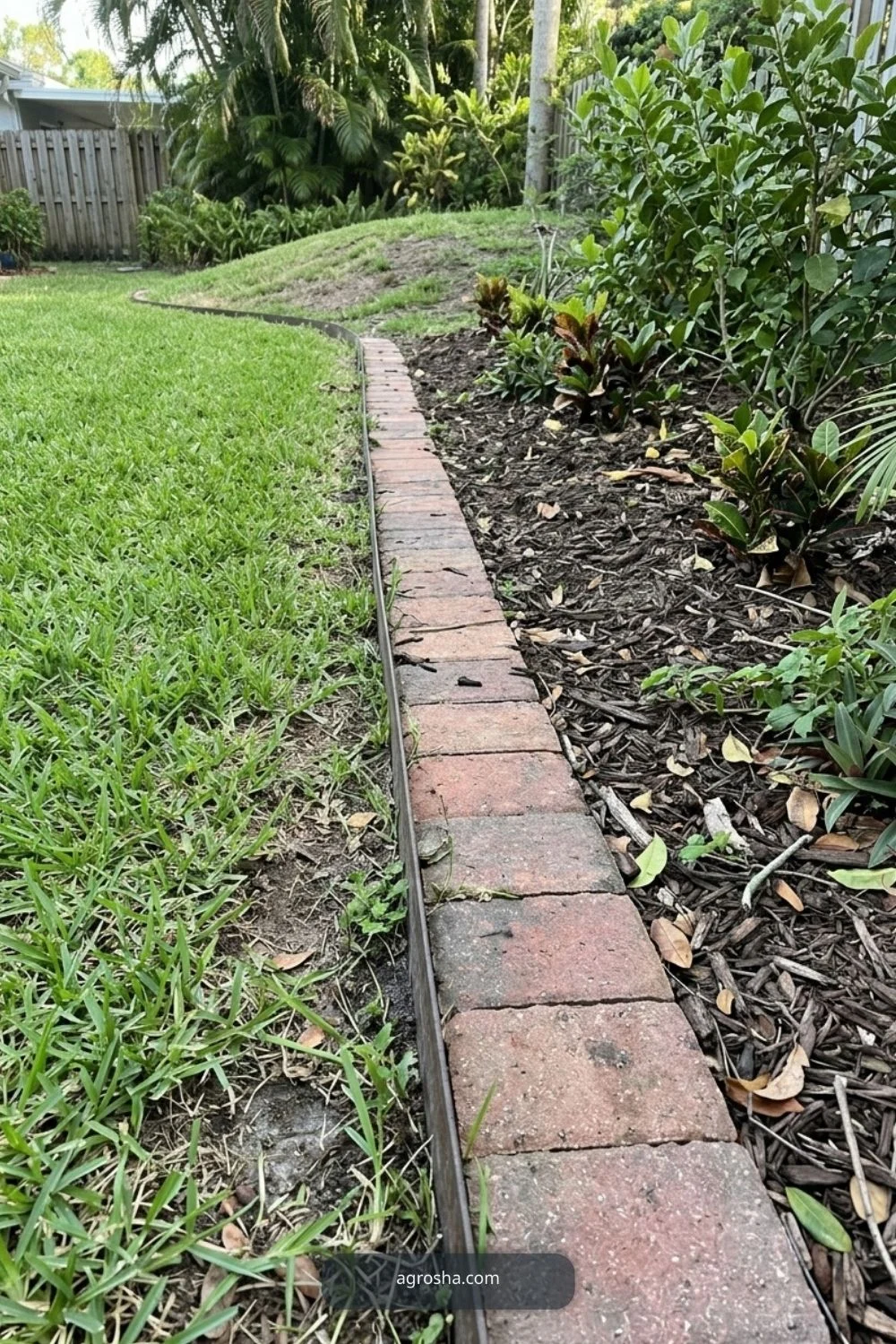
Combine a thin metal separator with a row of flat pavers to create a clean mowing line. The metal contains the bed while the pavers give mower wheels a stable surface. This works well around simple front-yard beds and curved lawn edges.
Stone, Brick, and Concrete Borders
Stone, brick, and concrete create a more permanent edge than flexible strips. Their weight and base preparation help them stay aligned, but they are harder to reshape later. Use them when the bed line is settled and you want the border to become part of the landscape design.
6. Flat Brick Mowing Edge
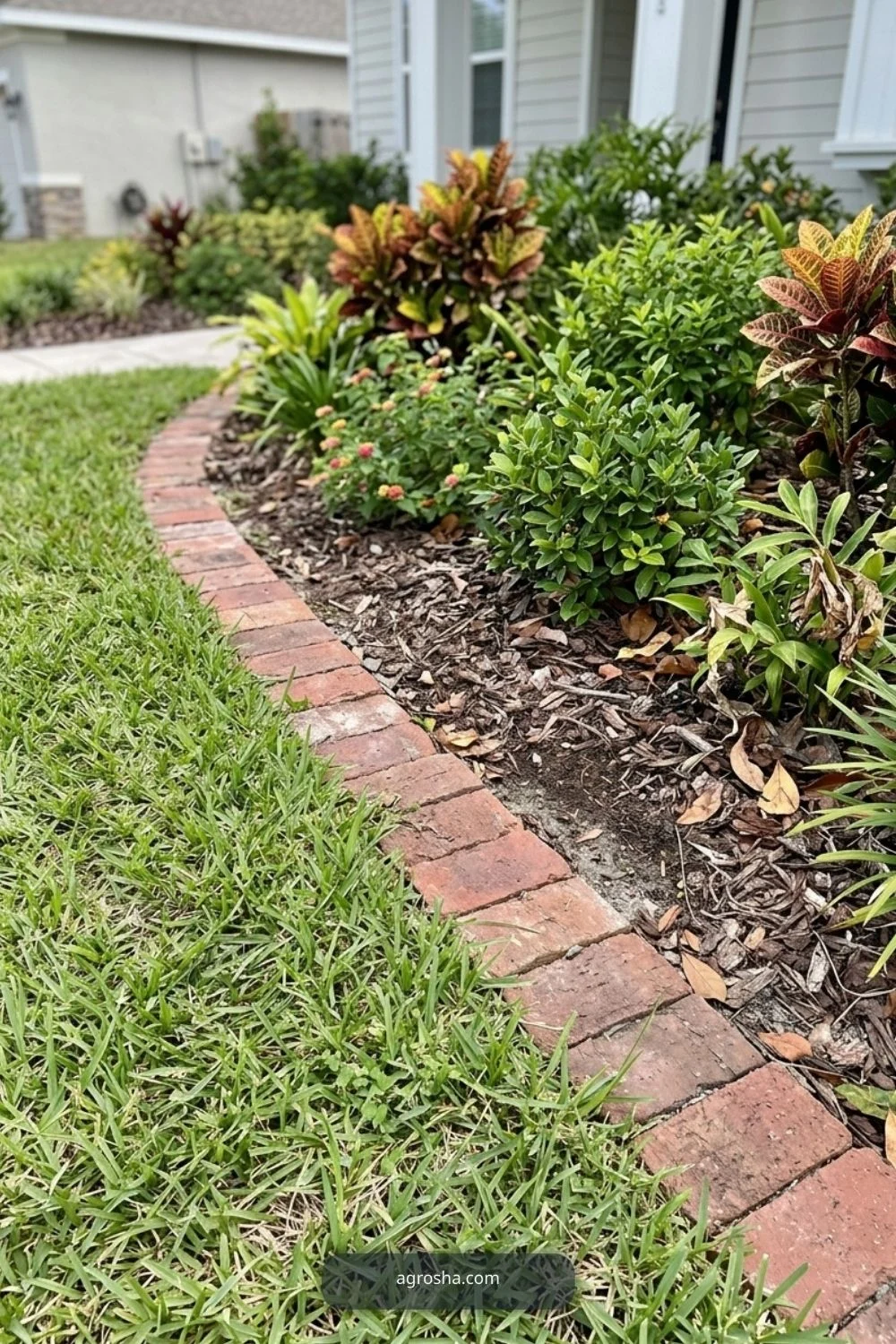
Set bricks level with the lawn to create a durable strip that a mower can ride over. This reduces string-trimmer work and gives a traditional garden a neat line. Use a compacted base so bricks do not rock or sink after heavy rain.
7. Upright Brick Border
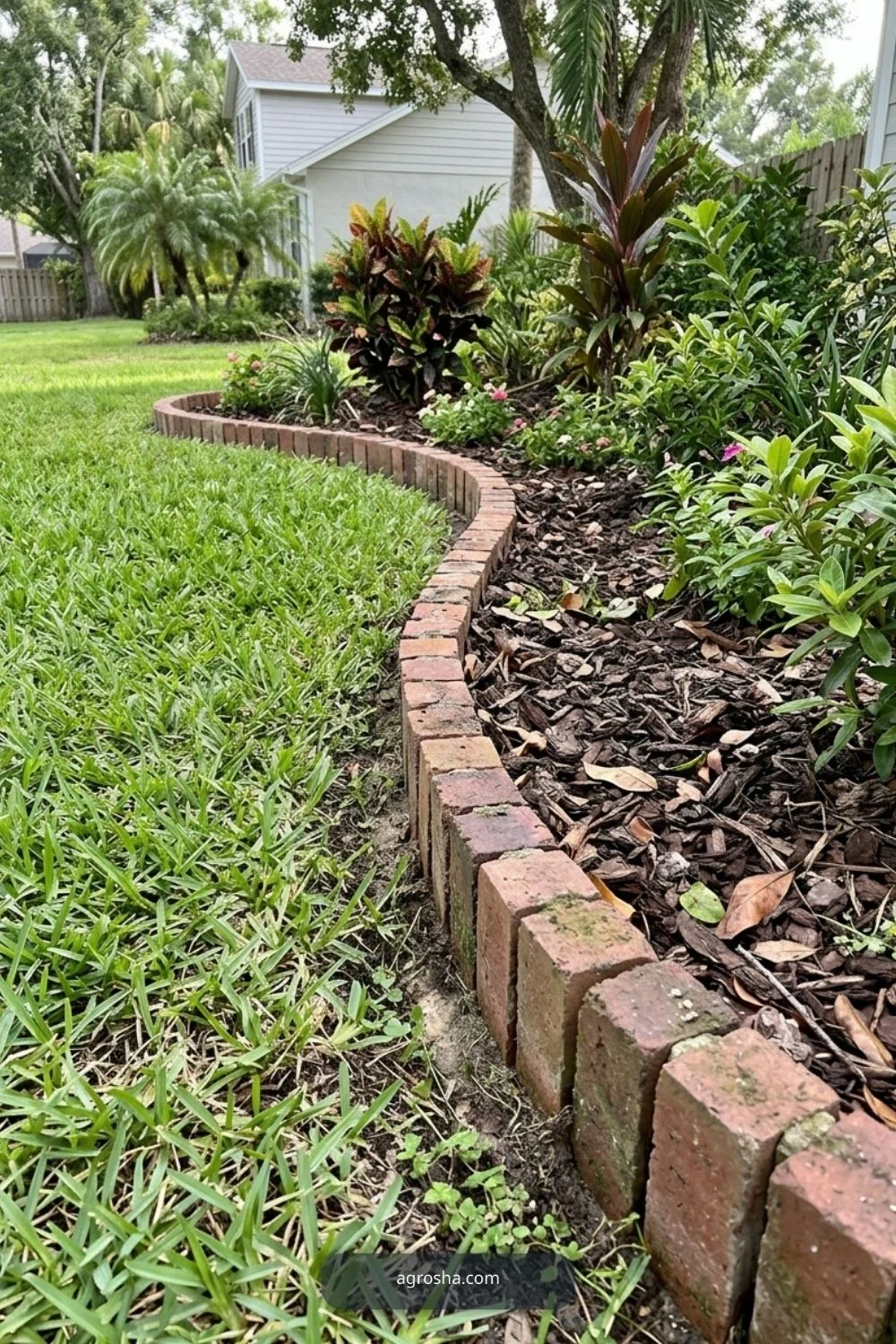
Standing bricks on edge creates a stronger visual border and helps contain mulch. Keep the height modest so the border does not become a hazard near paths. A consistent line works better than alternating many decorative patterns.
8. Natural Flagstone Edge

Flat irregular stones can create a softer border around cottage or woodland beds. Partly set them into the soil so they look settled and stable. Use similar stone to nearby paths when possible for a more connected landscape.
9. Low Dry-Stack Stone Edge
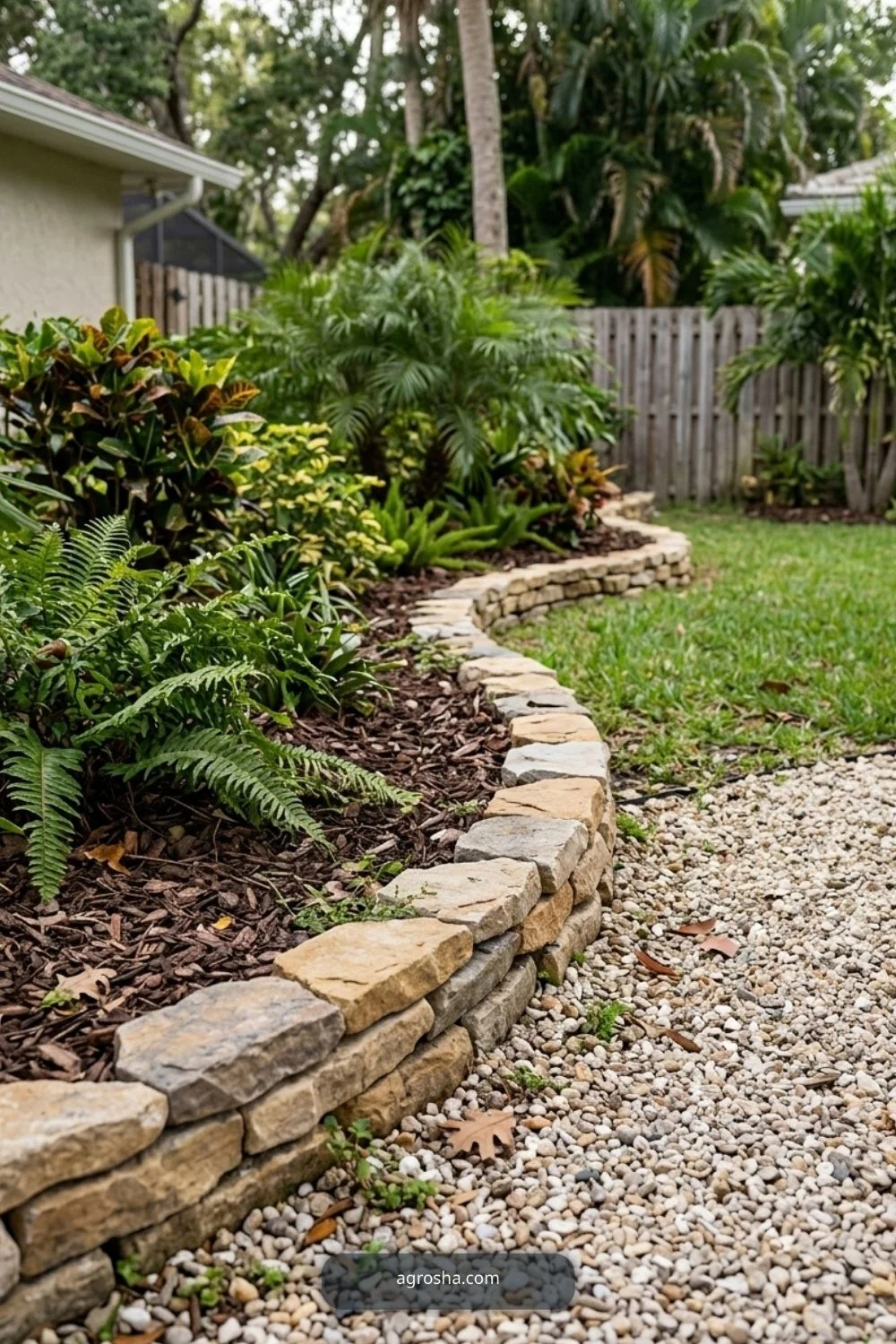
A low dry-stack edge can handle a small grade change while giving the bed more depth. It should not be used as a substitute for an engineered retaining wall on a significant slope. Keep the wall low and broad enough to remain stable.
10. Poured Concrete Curb
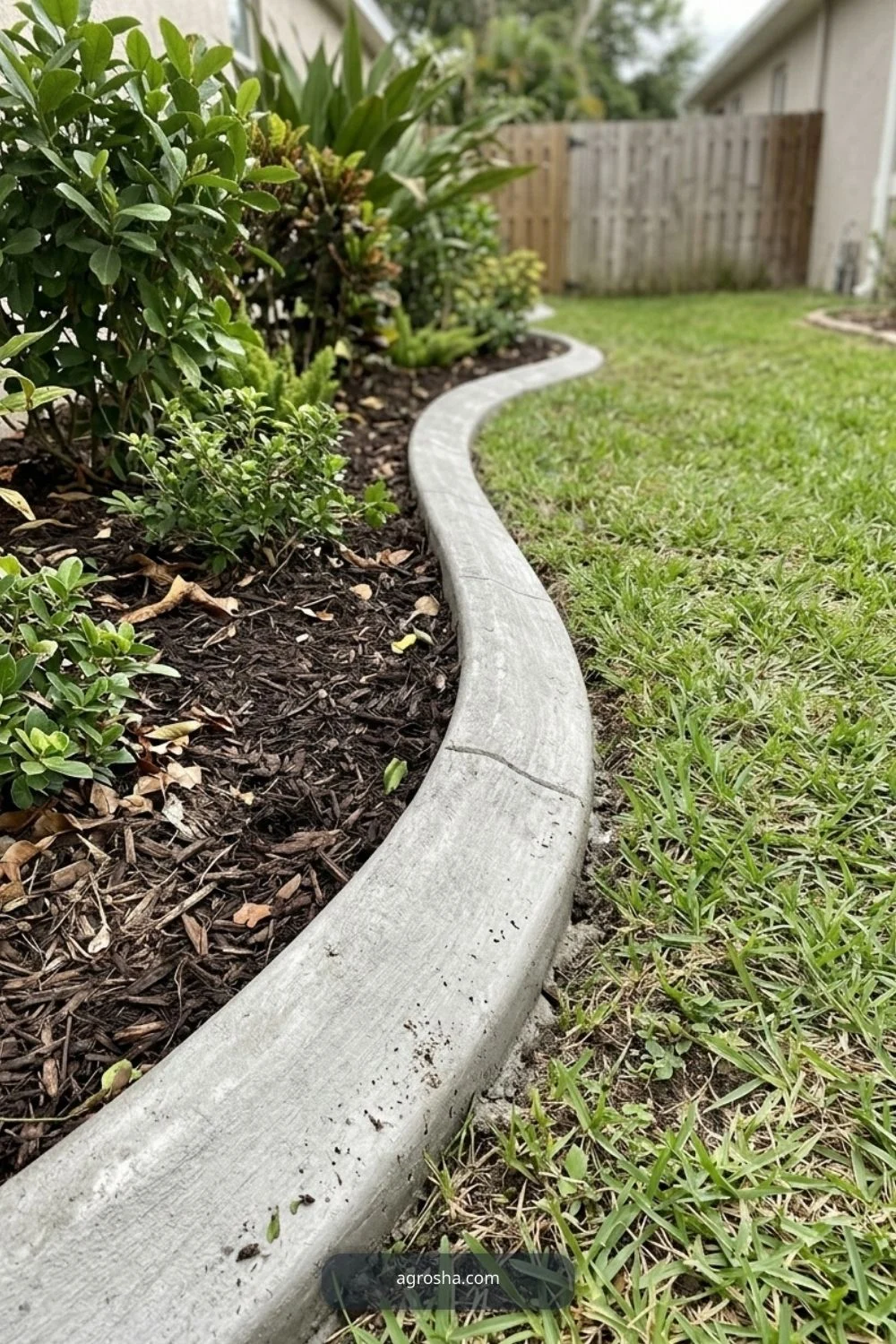
A continuous concrete curb gives a permanent clean line and can follow curves or straight beds. It costs more to change later, so confirm the bed shape before installation. Keep drainage paths open and avoid trapping water against the lawn.
11. Modular Concrete Block Edge

Small landscape blocks can create a defined border quickly. Use one block style and keep the top line level. Too many stacked courses can make a small flower bed feel like a retaining wall rather than a simple edge.
Flexible and Budget-Friendly Edging
Flexible edging is useful when the main goal is containment rather than decoration. It can follow curves, install quickly, and stay visually quiet. The weakness is installation: shallow stakes or a wavy line will show quickly after mowing and heavy rain.
12. Low-Profile Recycled Plastic Edge
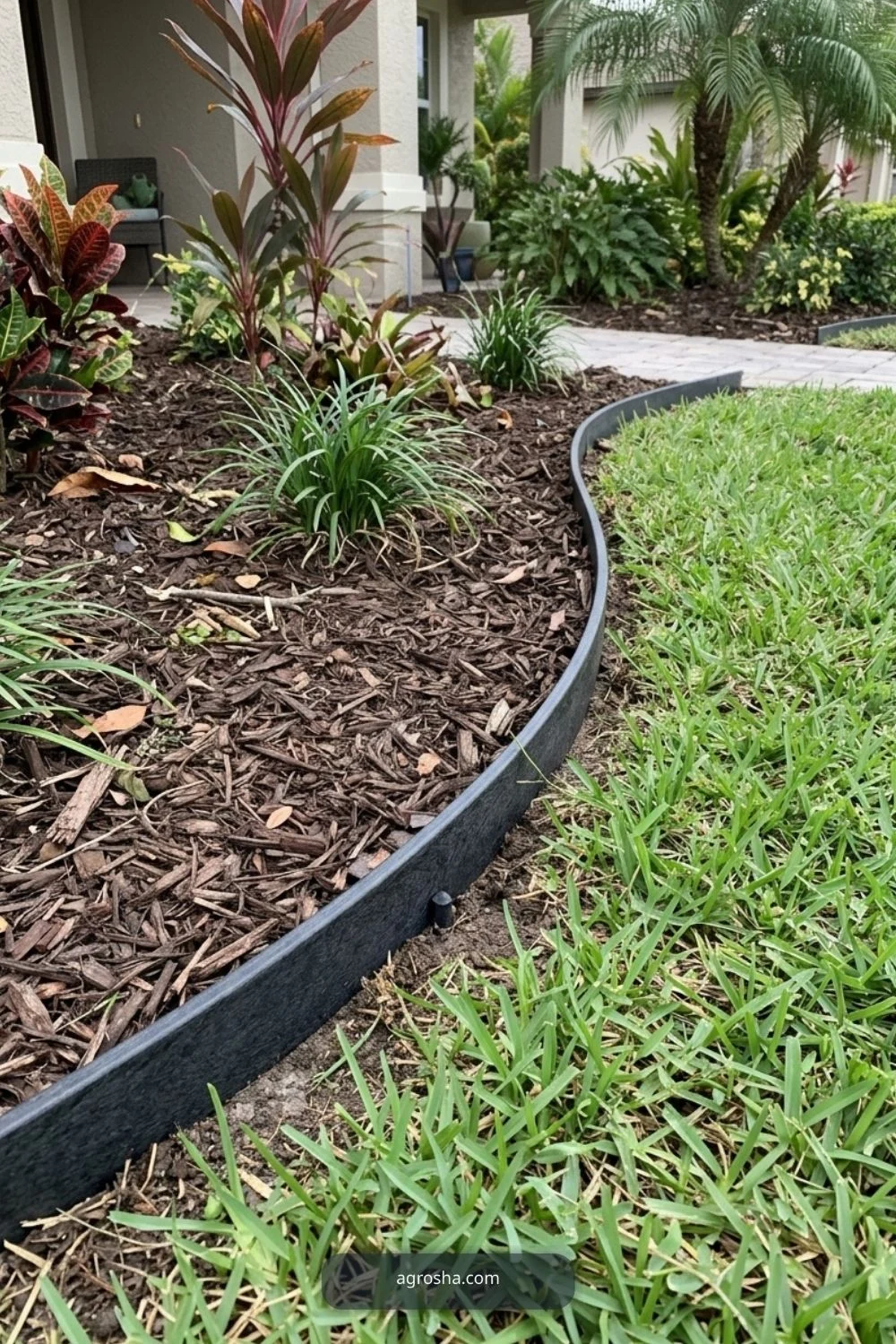
Modern flexible plastic edging can nearly disappear from view while containing mulch. It works well for curves and budget projects. Secure it with enough stakes and keep the top low so lawn equipment does not pull it loose.
13. No-Dig Flexible Border
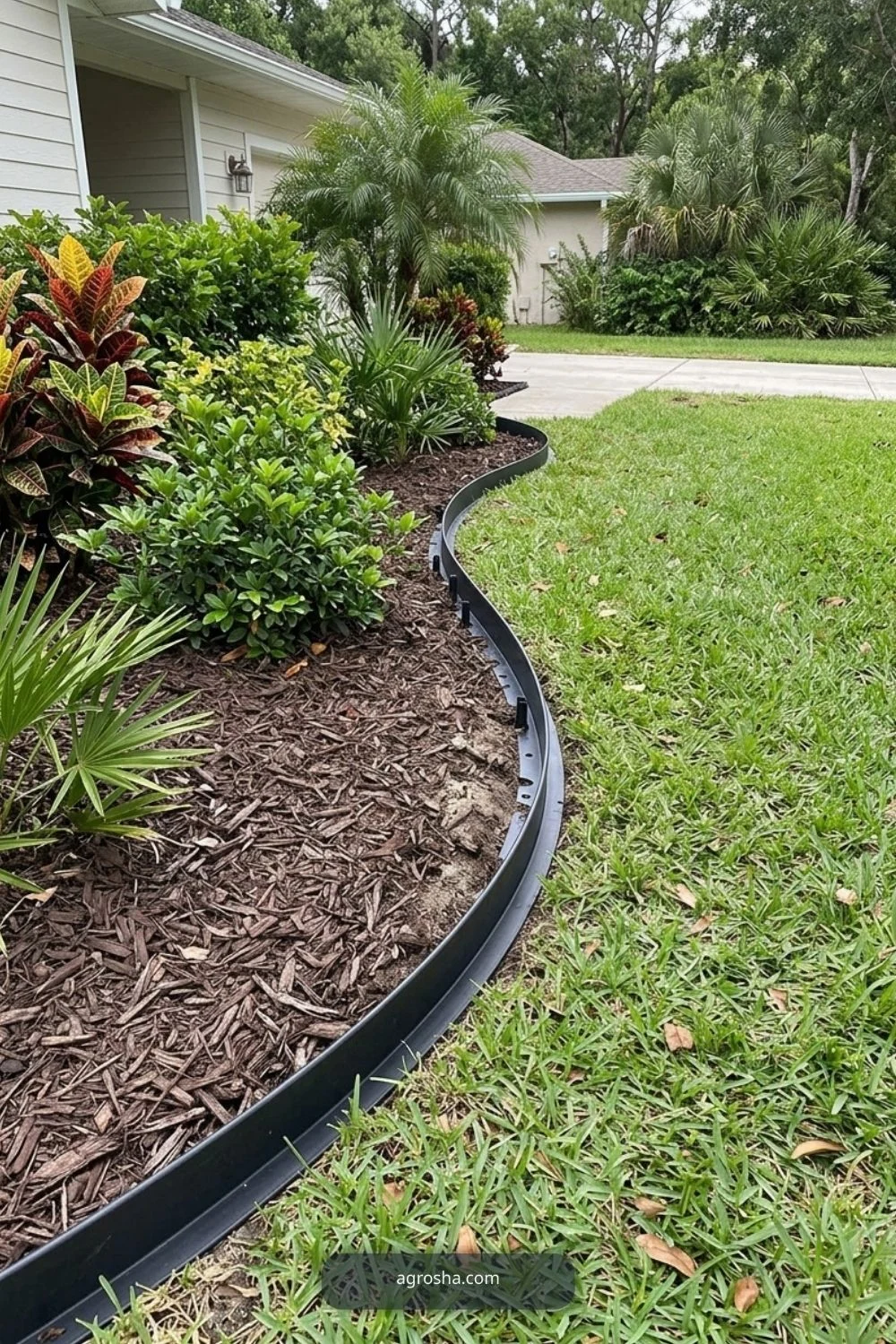
A surface-mounted no-dig edge reduces excavation around tree roots or shallow utilities. It is best for light-duty bed separation rather than holding back heavy gravel or soil. Install it on a smooth line so the tabs and fasteners stay hidden.
14. Composite Landscape Board
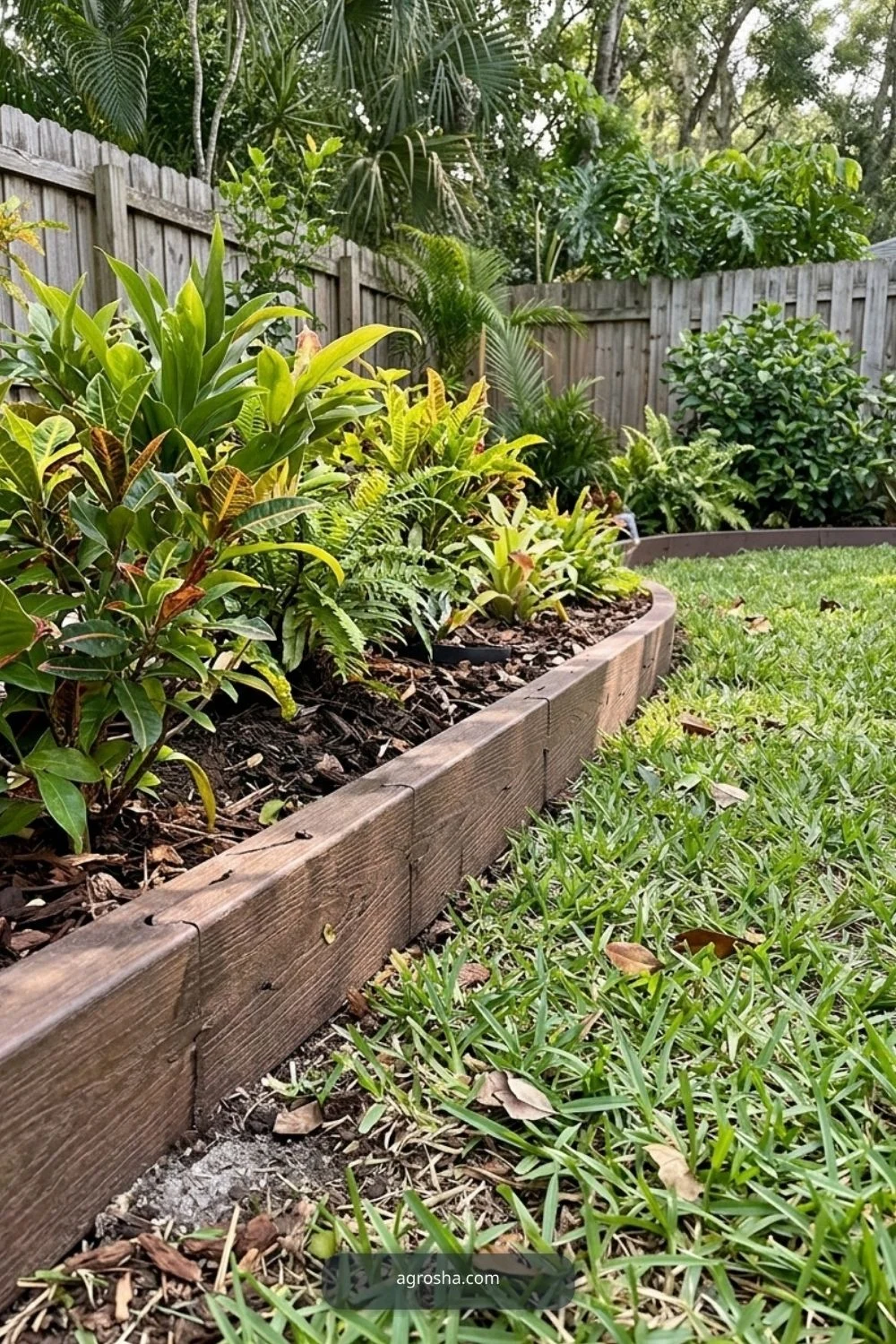
Composite edging gives the look of a narrow wood strip without the same rot risk. It can form gentle curves but may need more support on long runs. Use compatible fasteners and allow for material movement in Florida heat.
15. Simple Timber Edge
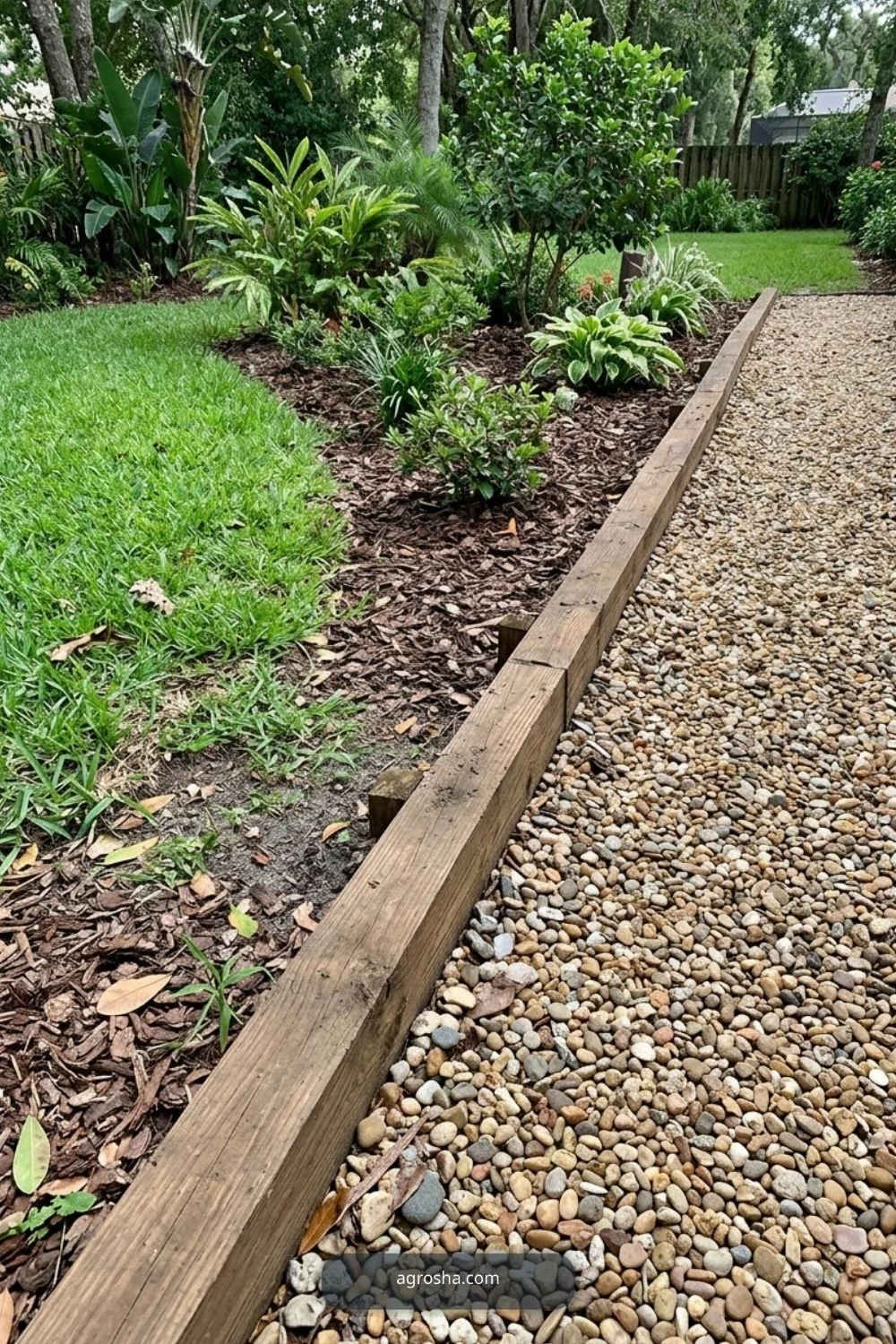
A straight timber can define a vegetable or informal bed quickly. Keep wood out of constantly wet low spots and use durable material appropriate for exterior ground contact. The edge will weather, which can be part of the relaxed look.
16. Reused Pavers as an Edge

Leftover pavers from a patio can become a simple border if they are still sound. Set them on a compacted base and keep the finished height consistent. Reusing one existing material can make the yard feel more cohesive than adding a new decorative product.
Natural and Living Edges
Not every bed needs a manufactured border. A spade-cut trench, groundcover, grass clumps, or a simple mulch line can create a softer transition. These approaches trade material cost for periodic maintenance, so choose them when you are comfortable refreshing the edge.
17. Spade-Cut Natural Lawn Edge
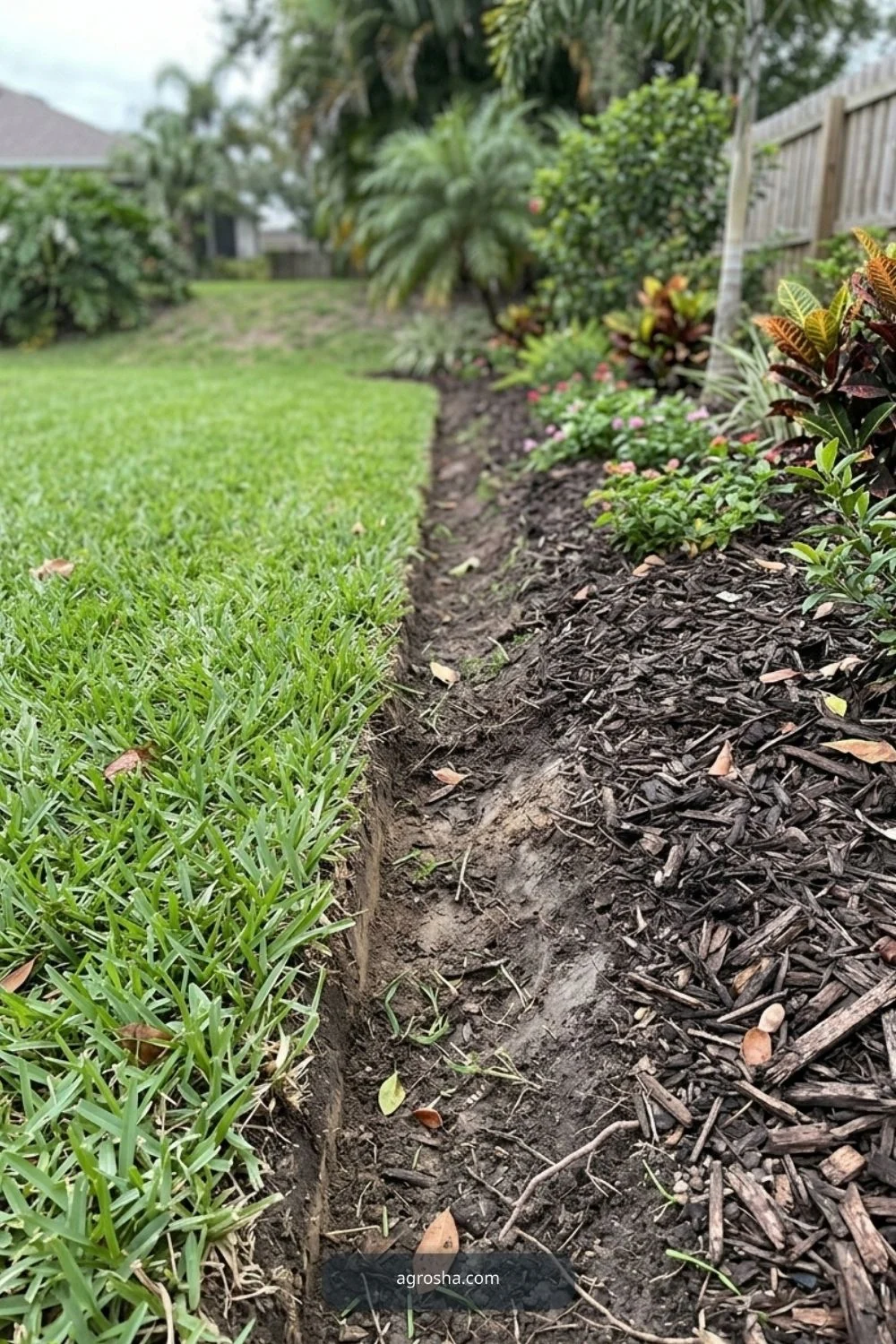
A clean trench edge can be one of the simplest ways to separate lawn from a bed. It has no visible material and works well with curved planting shapes. The tradeoff is maintenance: the edge needs recutting as grass spreads.
18. Low Groundcover Border
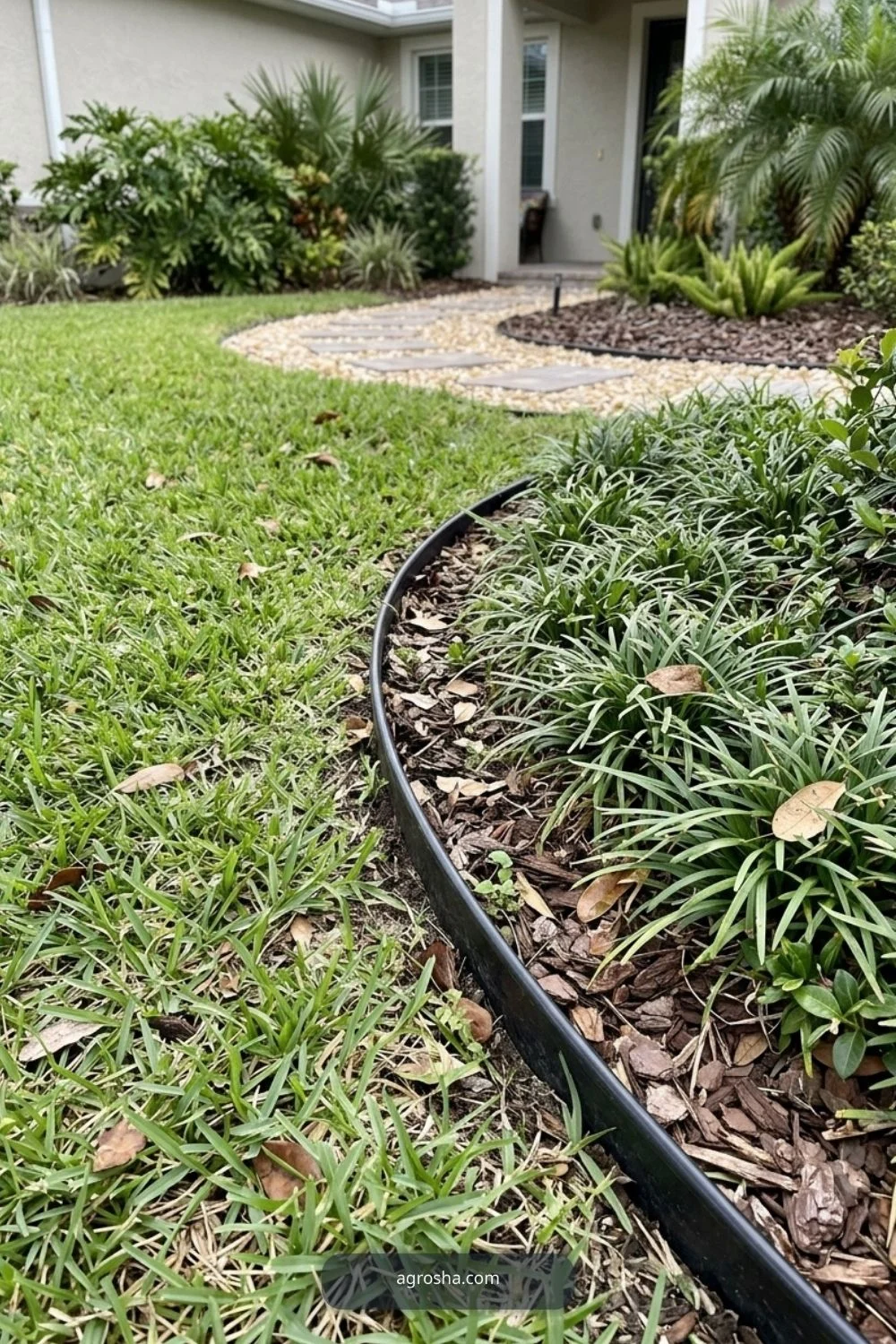
A repeated row of low plants can soften the front of a bed while defining the boundary. Choose plants that tolerate the light and do not spread aggressively into the lawn. A hidden physical edge may still be useful behind the plants.
19. Clumping Grass Border
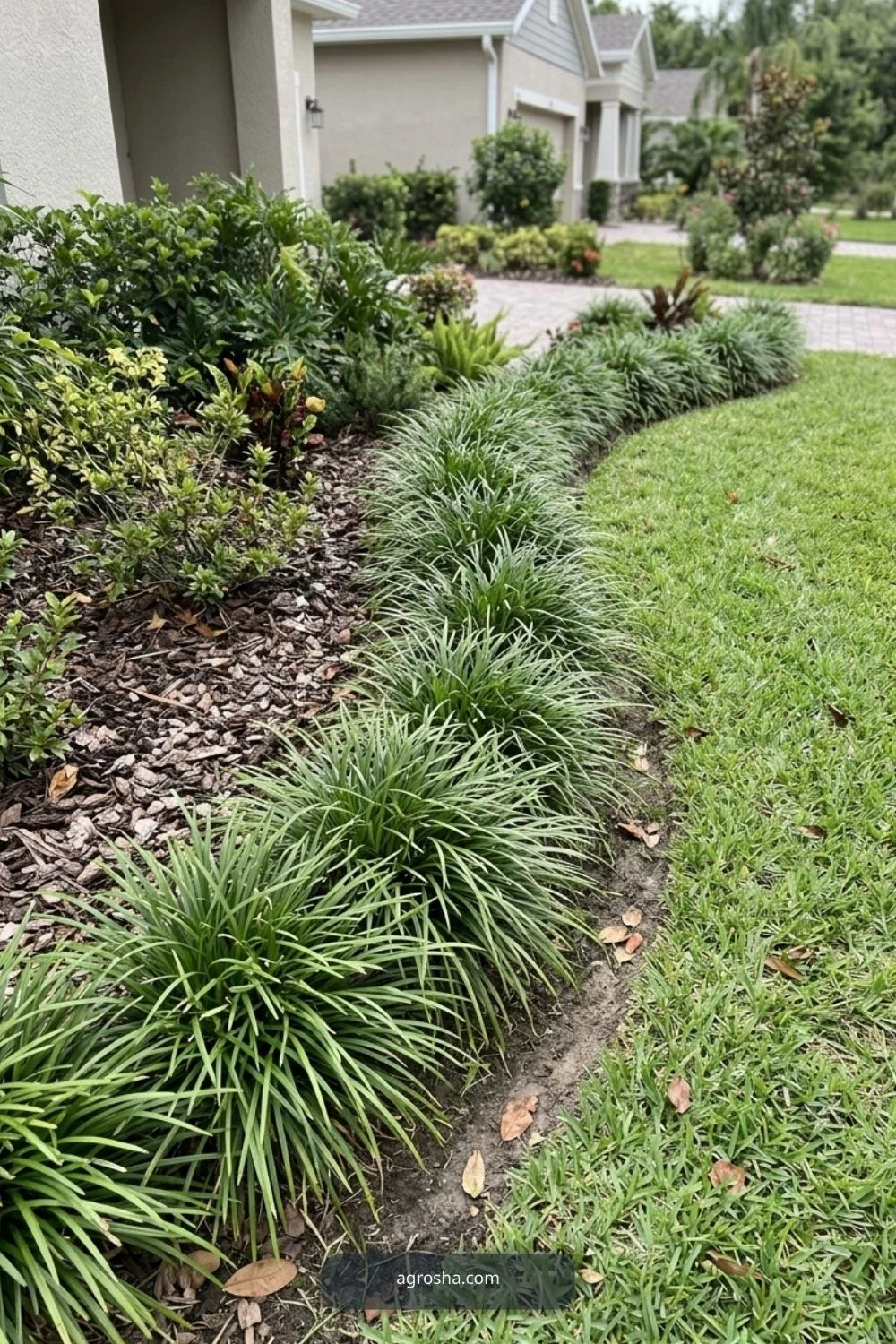
Small clumping grasses can create a rhythmic living edge along a walkway or modern bed. Space them for mature width so they touch lightly without becoming a dense wall. Cut back only as the species requires rather than shearing them constantly.
20. Herb Border Near an Edible Garden
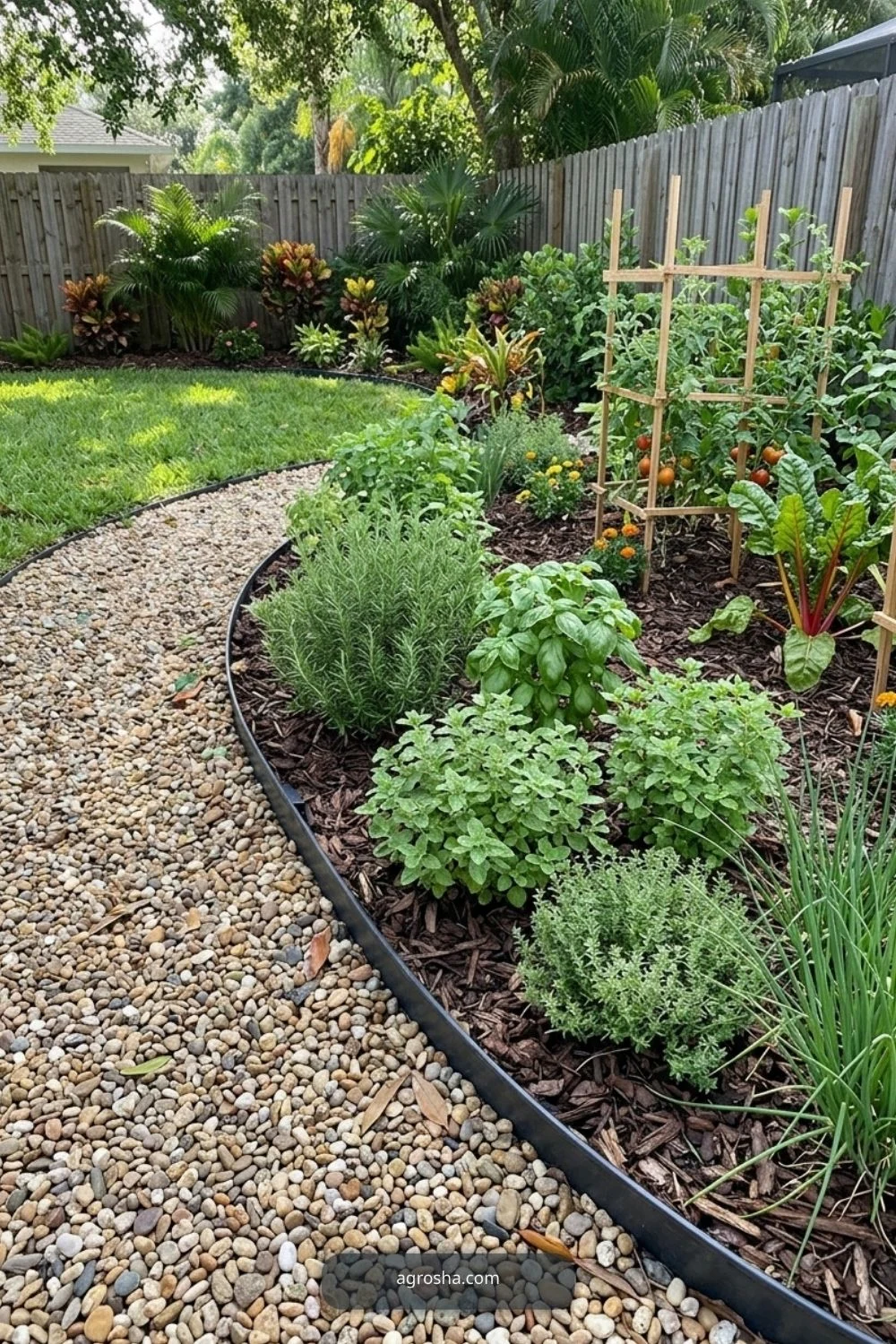
Low herbs can edge a kitchen garden or sunny raised-bed area, but choose plants that tolerate the site and stay out of the walking line. Keep mint and other aggressive spreaders contained. The edge should still allow easy harvest and watering.
21. Mulch-Only Soft Edge
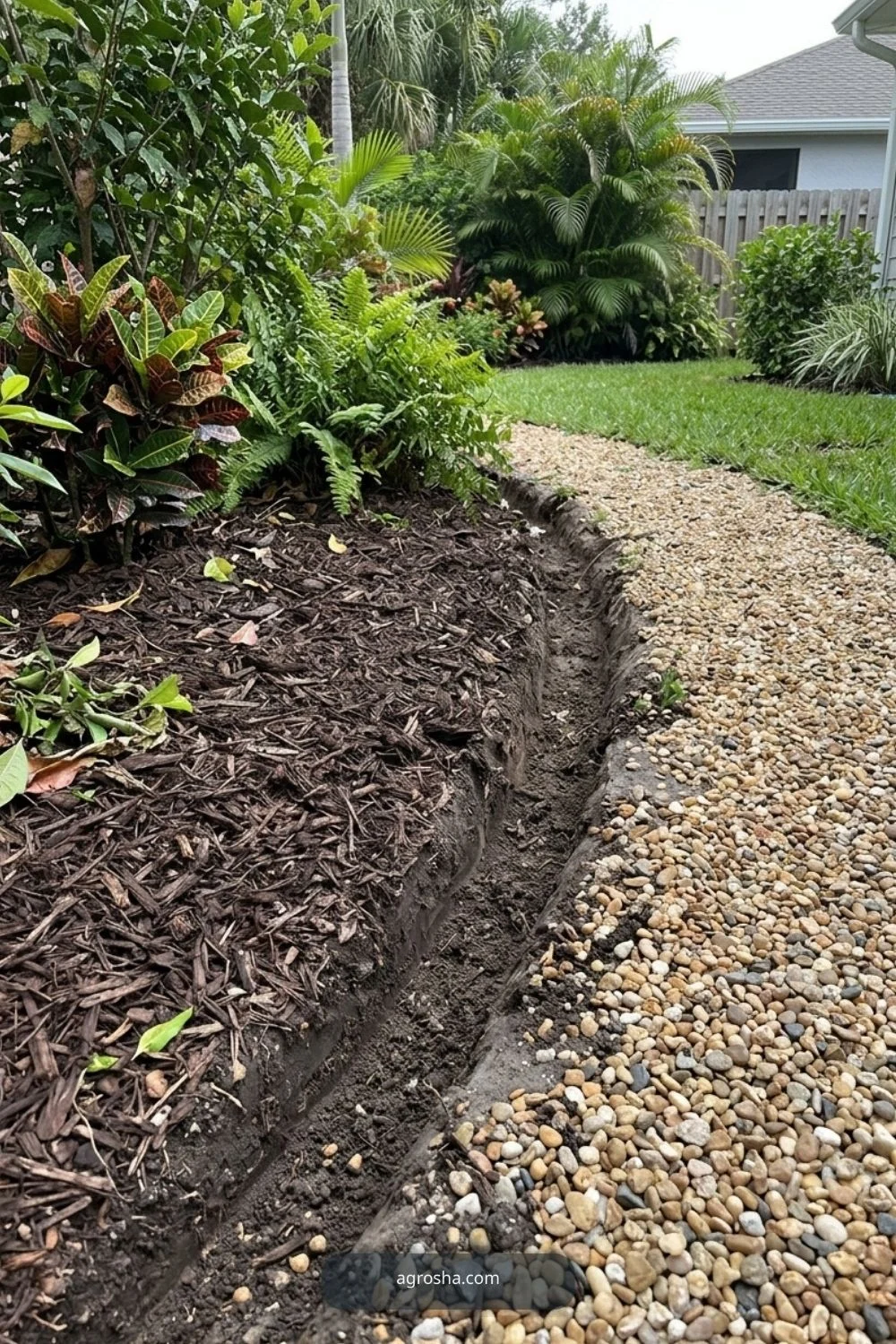
In a low-maintenance backyard, a broad clean mulch line can define the bed without a hard border. Use a shallow trench or careful mowing edge to contain the mulch. This is inexpensive and easy to reshape as the garden changes.
Edging for Paths, Gravel, and Slopes
Paths and slopes place more physical pressure on edging than flat flower beds. Gravel pushes outward, mower wheels hit the border, and runoff can move soil. Choose a material with enough strength and set it at a height that remains safe to walk beside.
22. Gravel Path With Steel Edge
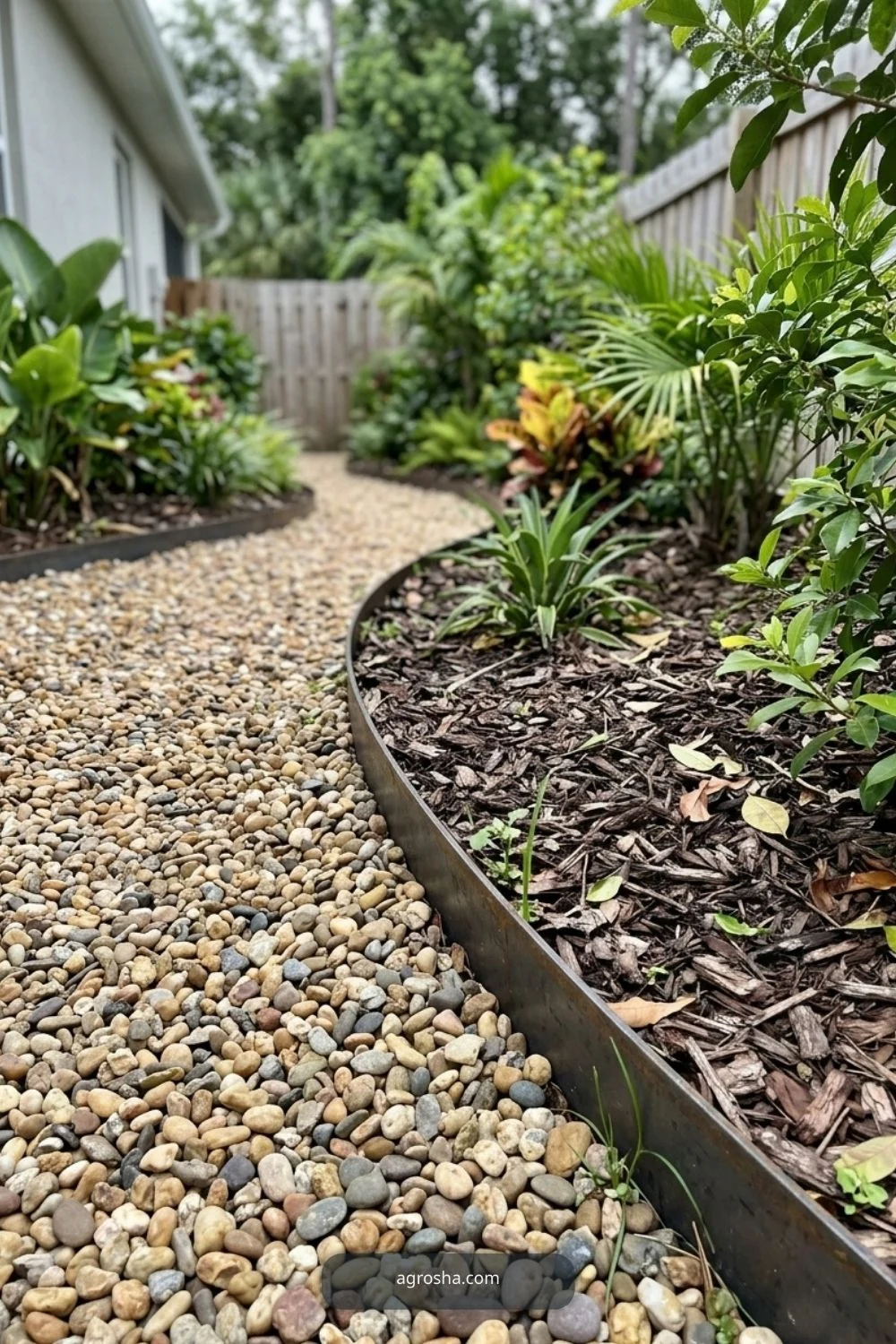
Steel is effective where gravel meets planting because it creates a narrow barrier that does not take much path width. Set the top low and keep gravel slightly below the edge. Our garden pathway guide can help with route and width planning.
23. Brick Edge Along a Garden Path
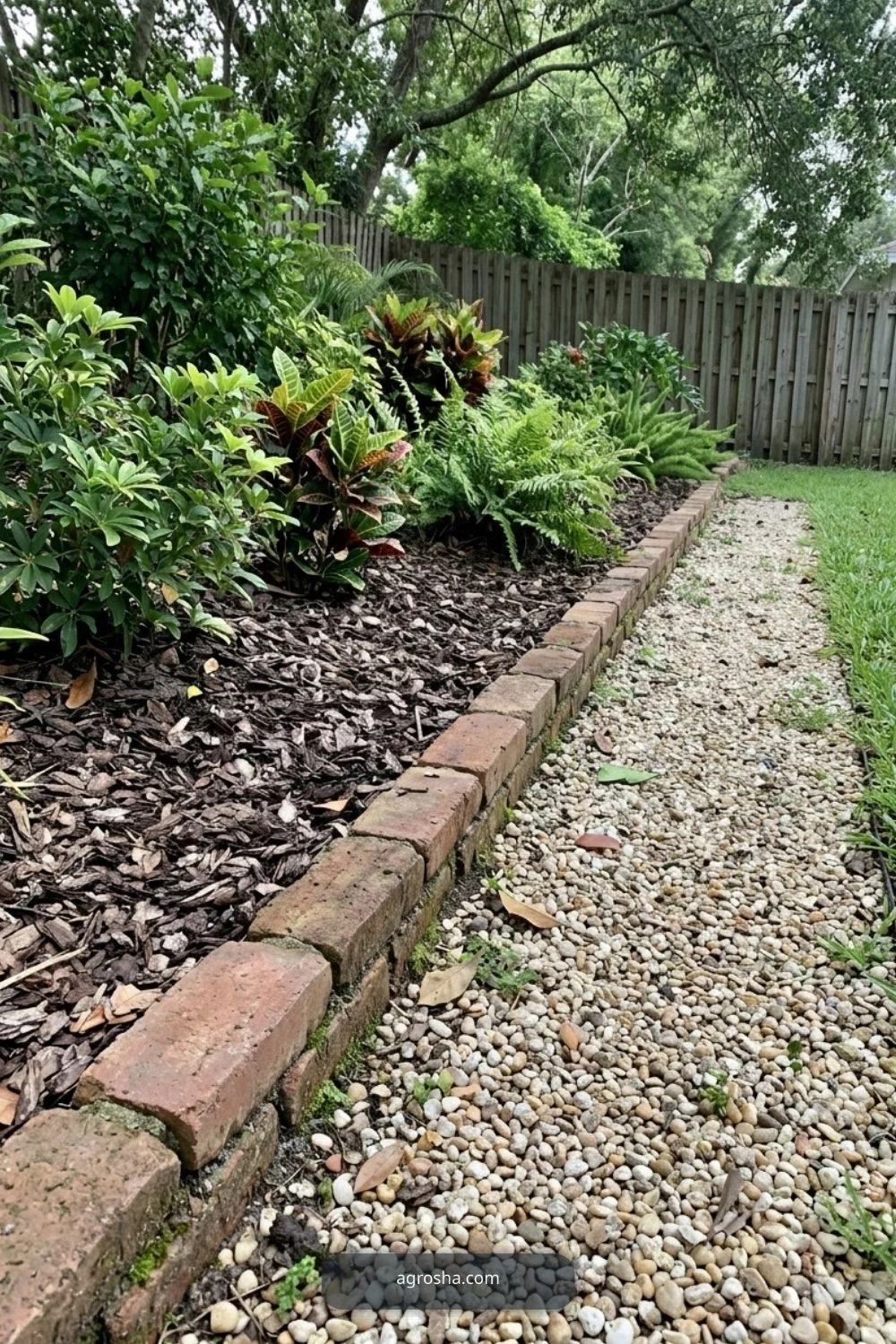
Brick can tie a path to a traditional home or patio. Use the same brick color on both sides or only one side where the path meets lawn. Keep the bricks level enough that they do not create an uneven trip line.
24. Stone Edge on a Gentle Slope
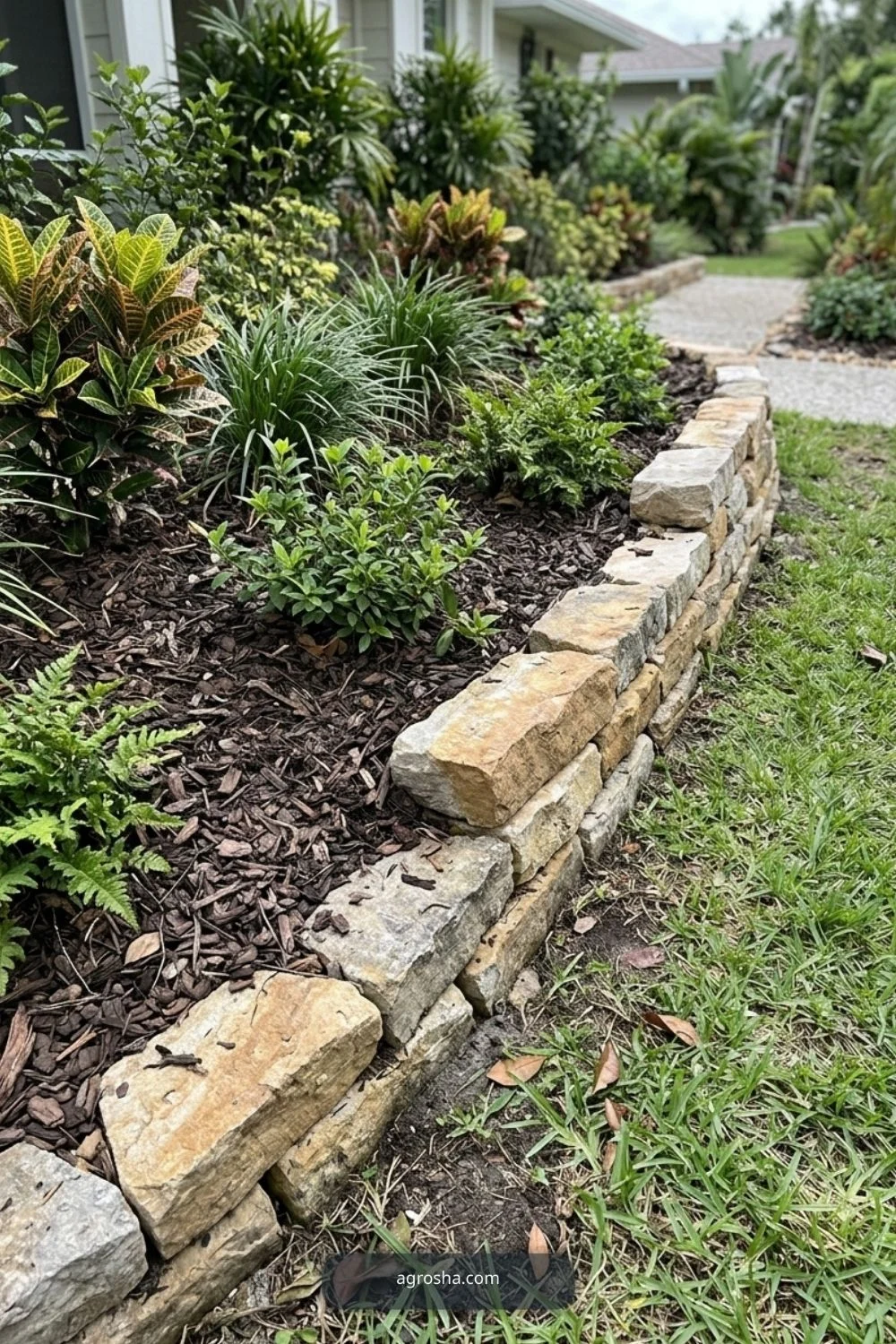
Larger stones can slow mulch movement on a mild slope and give the bed a natural boundary. Partly bury them and use plants to stabilize the soil behind. Significant grade changes require more than decorative edging.
25. Timber Step Edge on a Sloped Bed
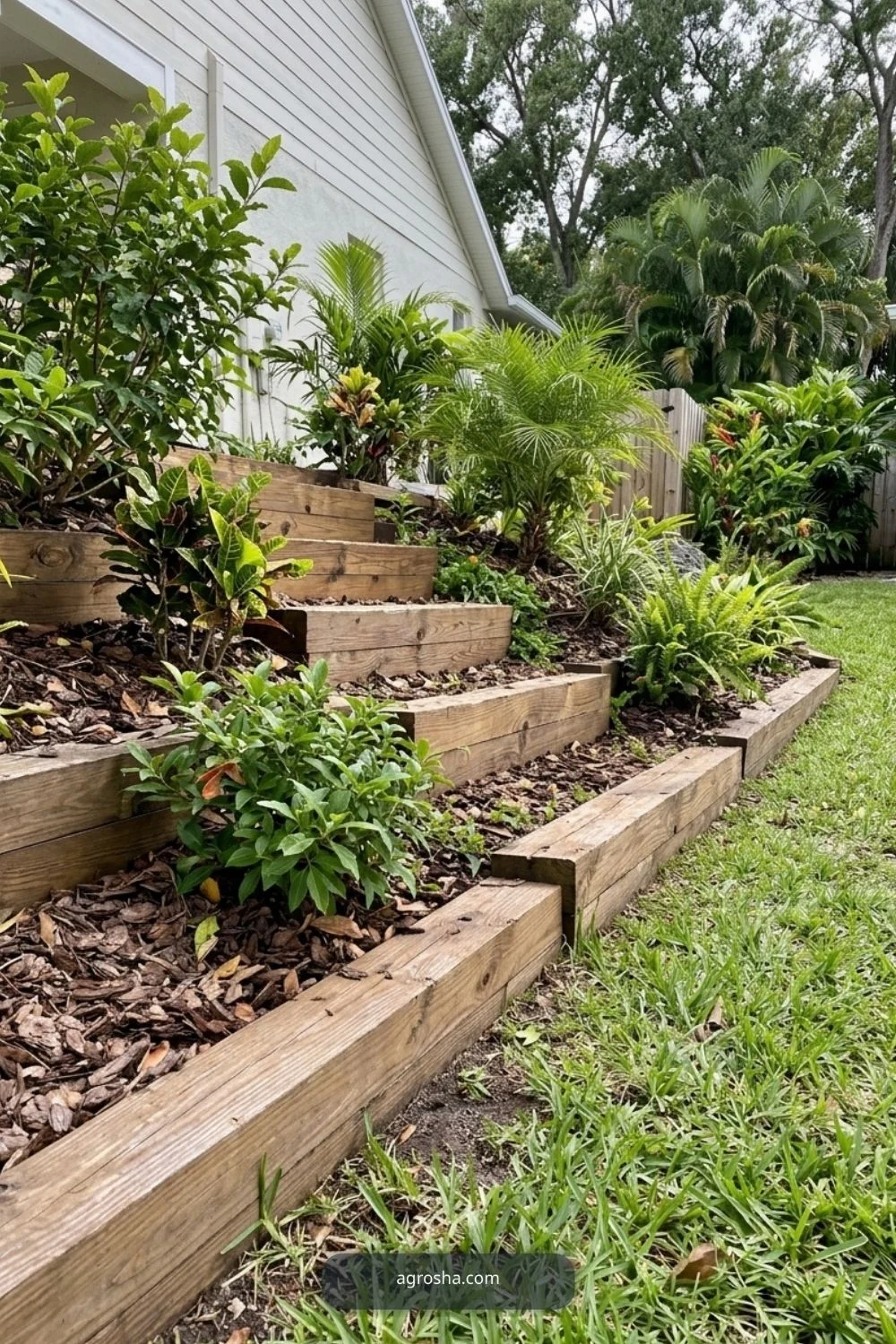
Short horizontal timbers can break a gentle garden slope into small planting levels. Secure each piece well and keep treated or unknown reclaimed wood away from edible soil if the material history is unclear. This is for minor grade changes, not structural retaining.
26. Flush Paver Edge Beside Lawn
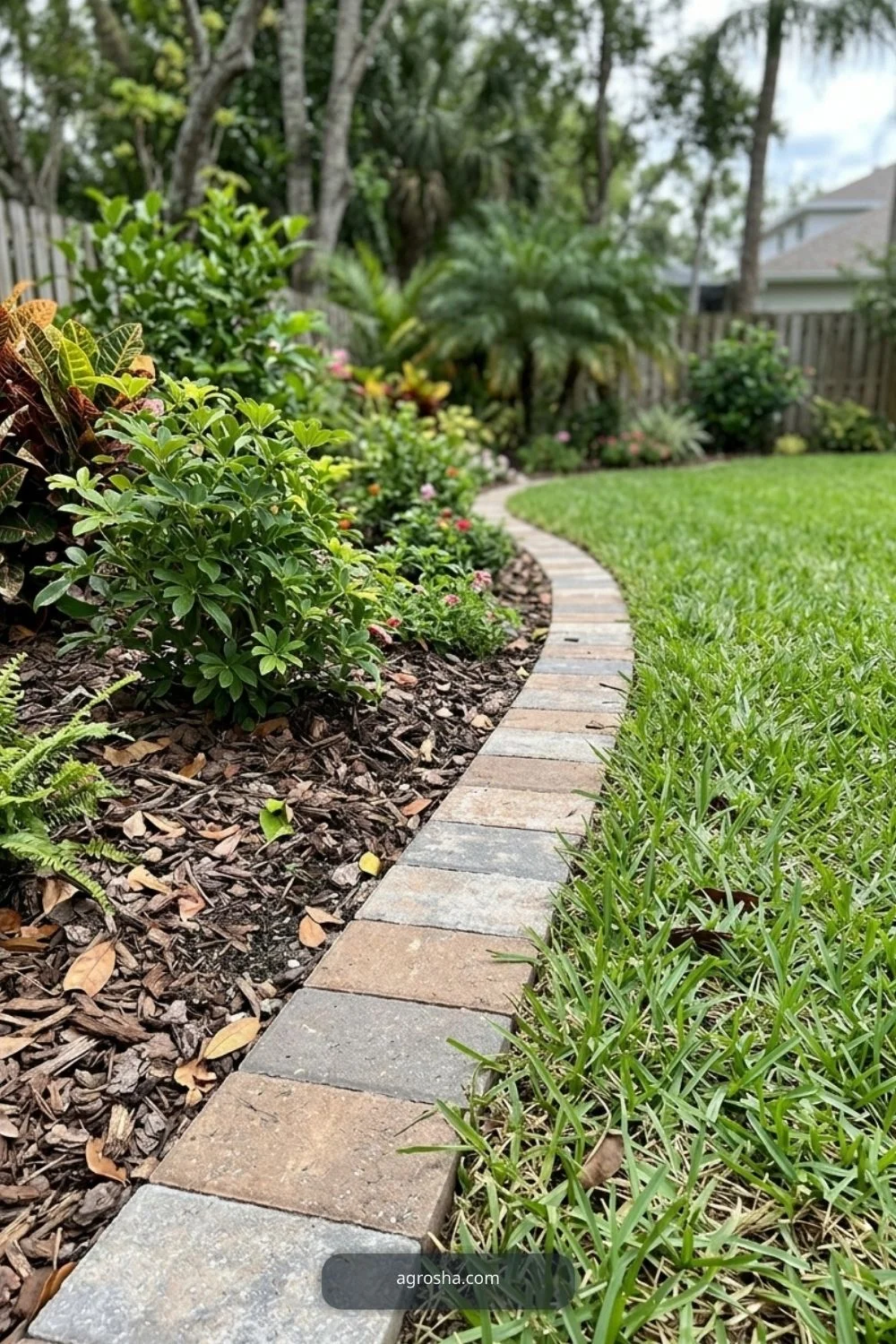
Pavers set level with turf create a practical mowing strip between lawn and flower bed. They are easy to walk on and can match an existing patio. A firm base keeps them from sinking into Florida’s sandy soil.
Choose by Style, Budget, and Maintenance
The final choice should reflect how you maintain the yard. If you mow every week, a flush strip may matter more than a decorative wall. If the bed is permanent, stone or steel may justify the cost. Repeat the same solution where possible so the property feels connected.
27. Minimal Edge for a Modern Front Yard
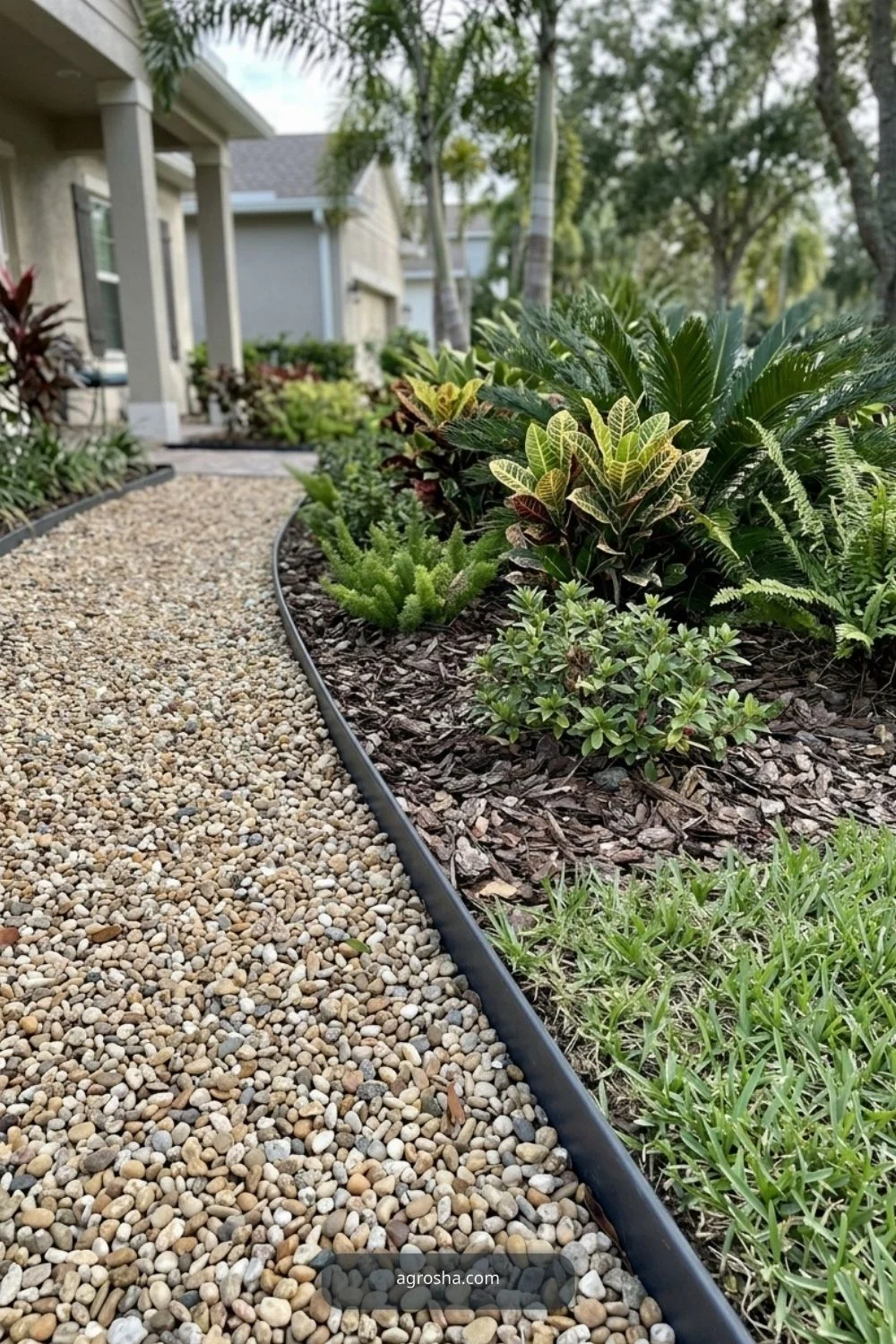
Use one thin material—black metal, pale concrete, or a flush paver strip—rather than combining several decorative borders. Clean geometry and repetition fit modern homes better than busy edging. Our front yard garden ideas show how simple lines support curb appeal.
28. Softer Edge for Cottage Planting

Natural stone, brick, or a clean spade edge works well when flowers spill loosely toward the lawn. Keep the border visible enough to contain mulch while letting the planting feel relaxed. For more flower-bed structure, see our flower bed border ideas.
29. Lowest-Maintenance Edge for a Mowing Route
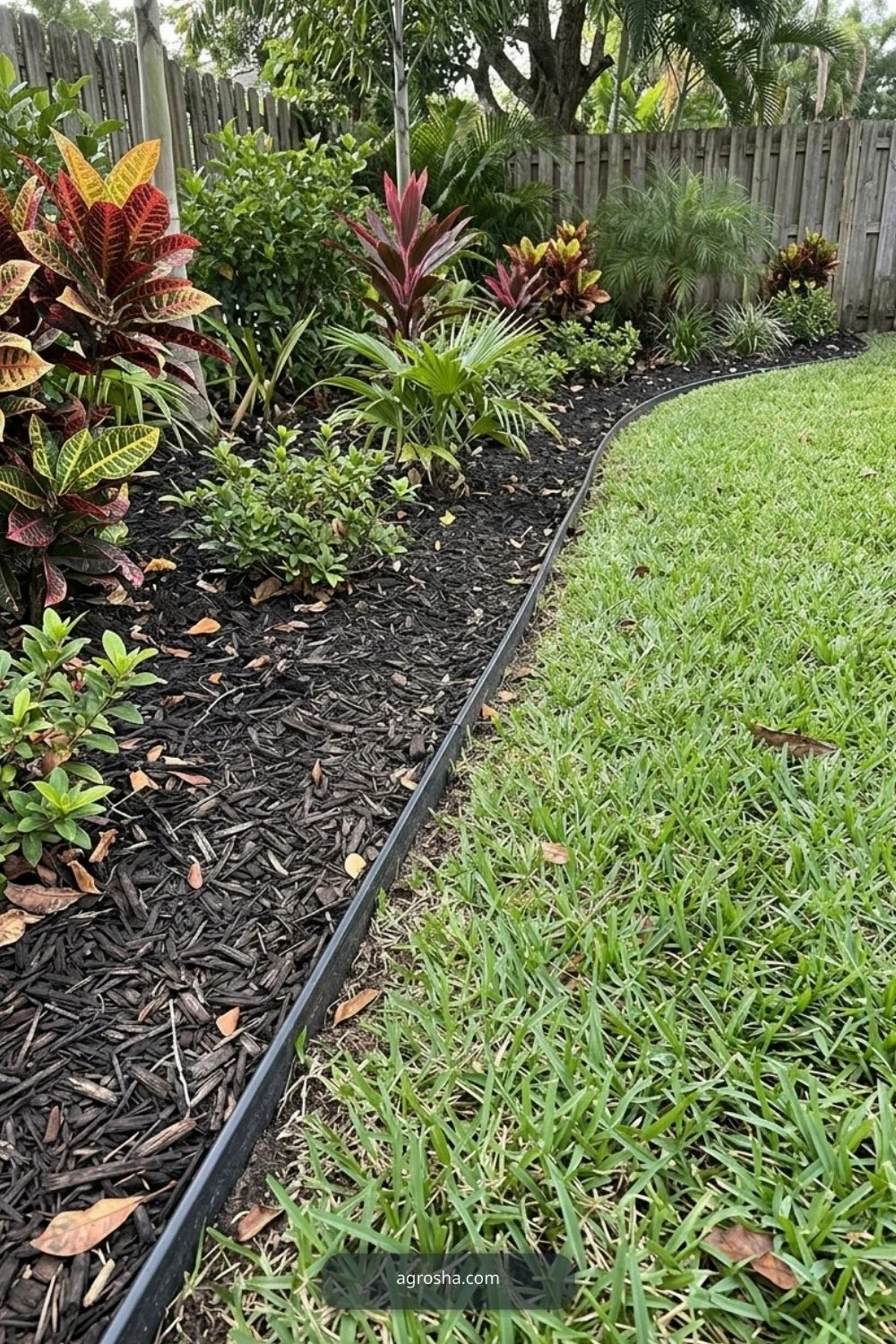
If mowing is the main concern, choose a flush paver or brick strip that the mower can ride on. Raised decorative borders usually create more trimming. Function matters more than the material trend.
30. Pick One Edge Material and Repeat It
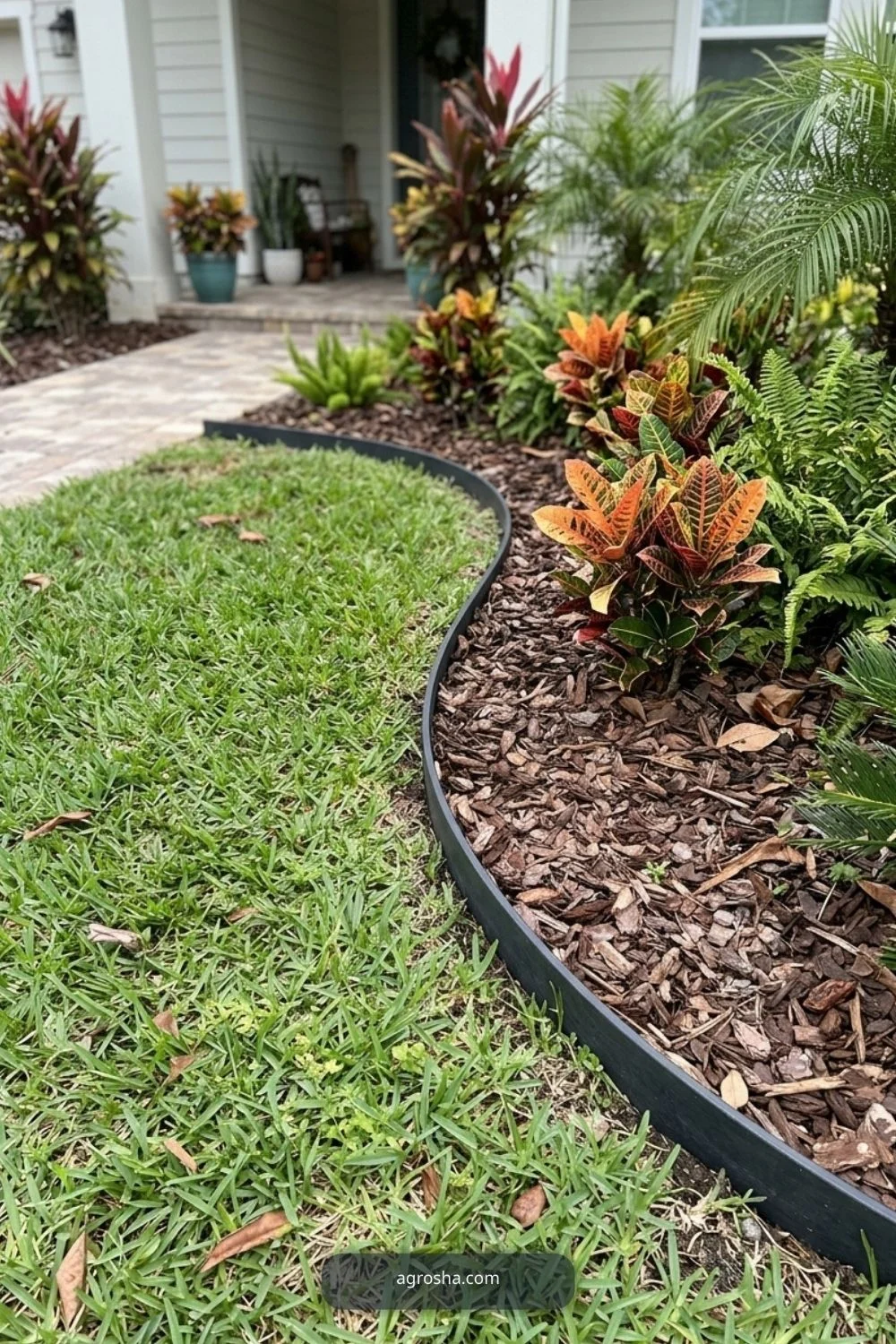
Using one main edging material through the front yard, side yard, and backyard creates a more coherent landscape. Change the bed shape or planting instead of changing materials every few feet. Repetition also makes repairs and future purchases easier.
Frequently Asked Questions
What garden edging lasts the longest?
Well-installed steel, concrete, brick, and stone can last many years. Longevity still depends on soil movement, corrosion exposure, roots, and whether the base was prepared correctly.
What edging is easiest to mow around?
A flush brick or paver mowing strip is one of the easiest because mower wheels can ride over it. Raised edges usually need more trimming along the lawn side.
Do flower beds need hard edging?
No. A clean spade-cut edge or trench can work well if you are willing to recut it periodically. Hard edging is more useful where mulch or gravel regularly escapes or where you want a permanent line.
How high should landscape edging stick up?
Only as high as needed to contain the material. Around paths and lawns, lower is usually safer and easier to maintain. Taller borders make sense only when they are intentionally retaining a small amount of soil or gravel.
Final Thoughts
Choose edging by function first: mowing, containment, drainage, or a small grade change. Then match the style and budget. A simple repeated edge installed at the right height will usually look better and take less work than a complicated border that fights the lawn, path, or bed.