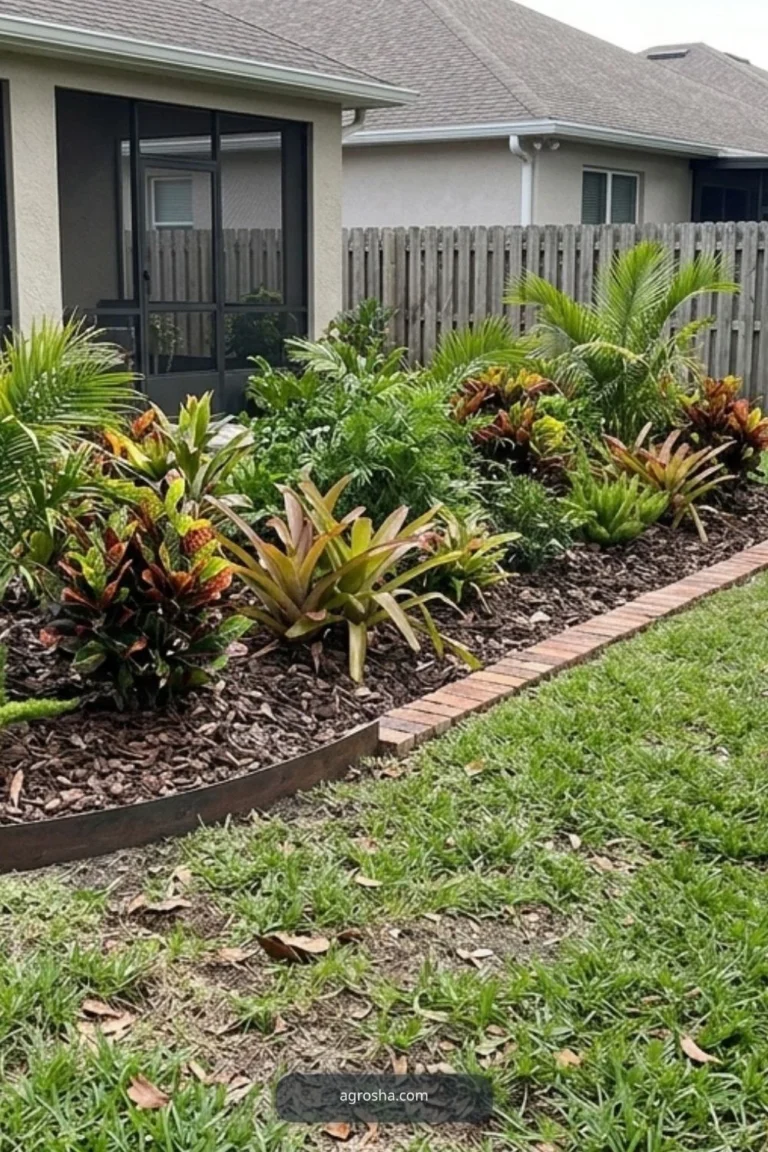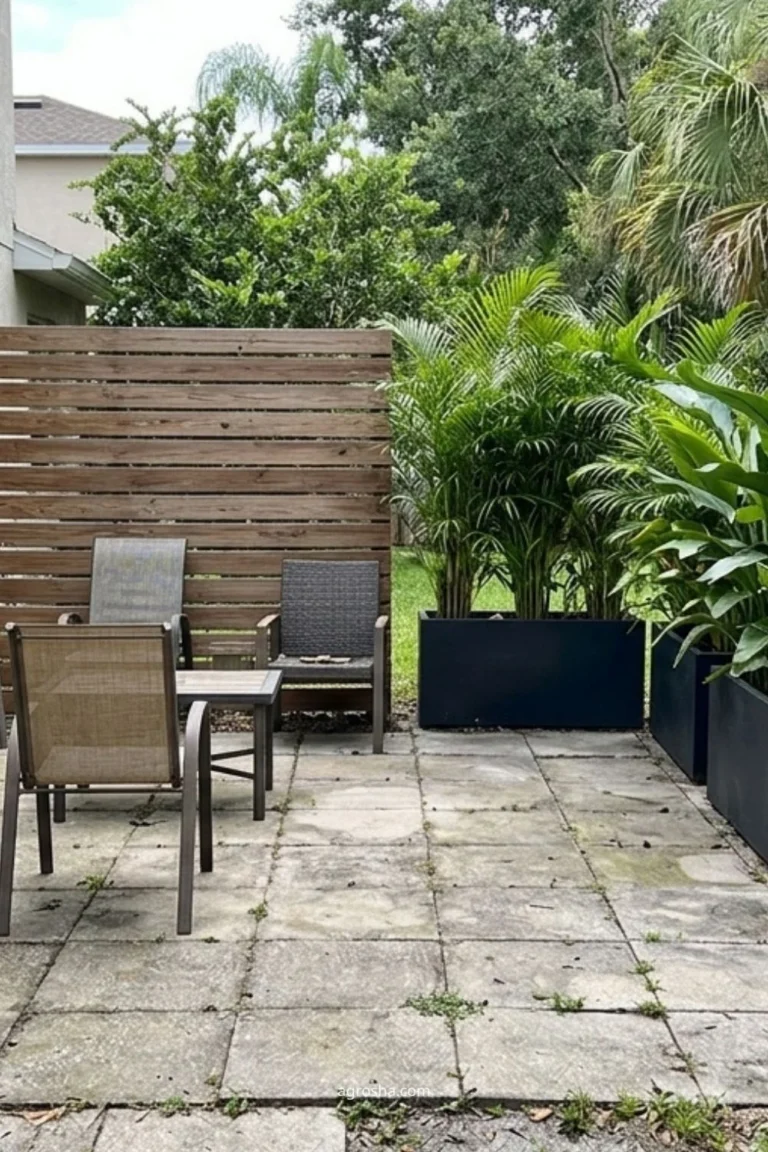
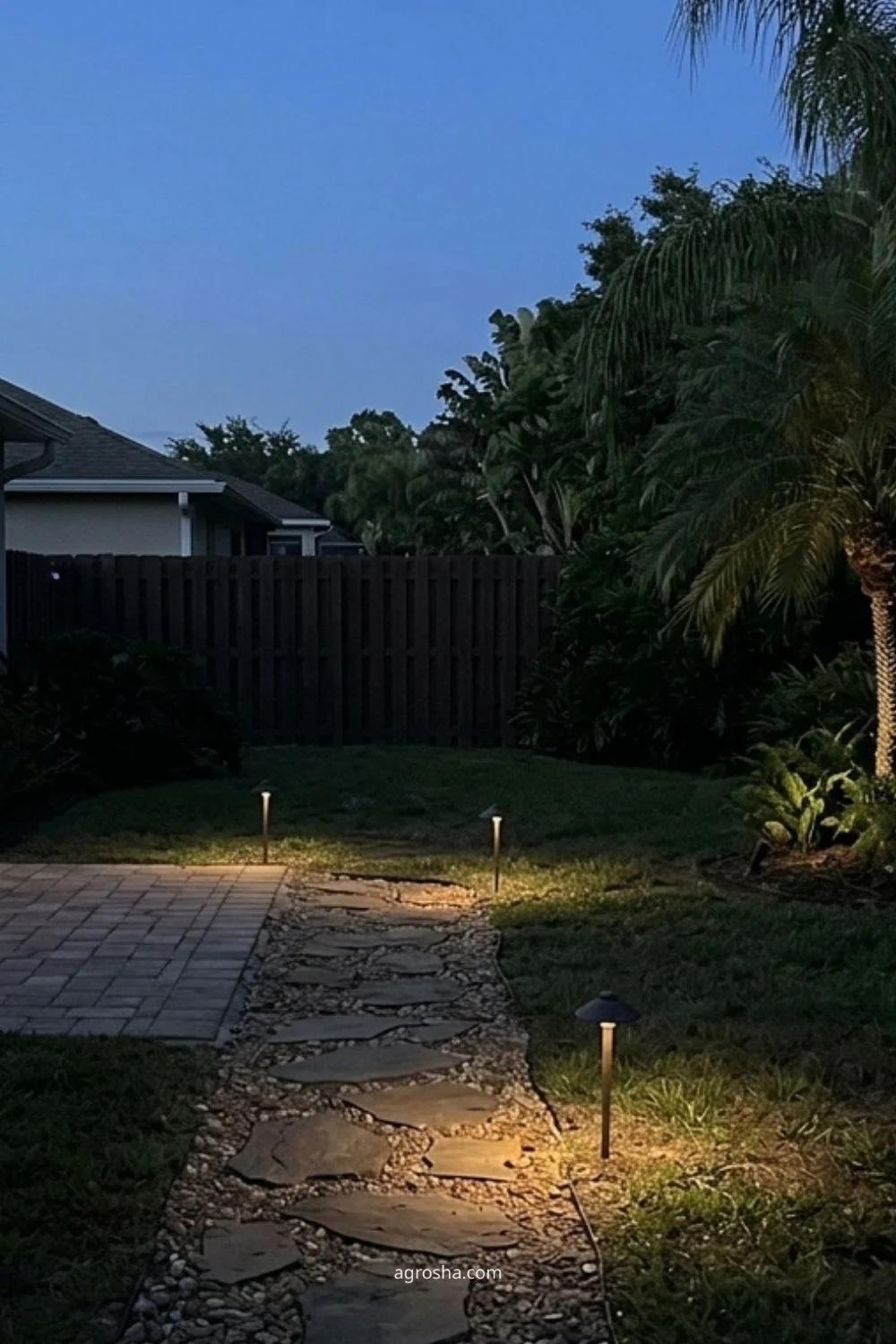
Garden lighting ideas should make a yard safer and easier to enjoy without turning it into a bright stage. In a Florida home landscape, rain, humidity, plant growth, insects, neighbors, and storm exposure all matter, so outdoor-rated equipment and controlled light direction are more important than adding more fixtures.
Start with paths, steps, gates, and seating areas. Then add only a few accents to trees, planting beds, screens, or walls. The best nighttime garden still has shadows and dark areas.
Florida’s humid evenings, frequent rain, fast plant growth, and coastal salt exposure in some areas can all affect outdoor fixtures. Keep connections weather-protected, trim foliage away from lights, and choose placement that stays serviceable after summer growth and storms.
30 Garden Lighting Ideas for Paths, Beds, and Small Patios
Light What People Need to See
1. Low Path Lights at Direction Changes
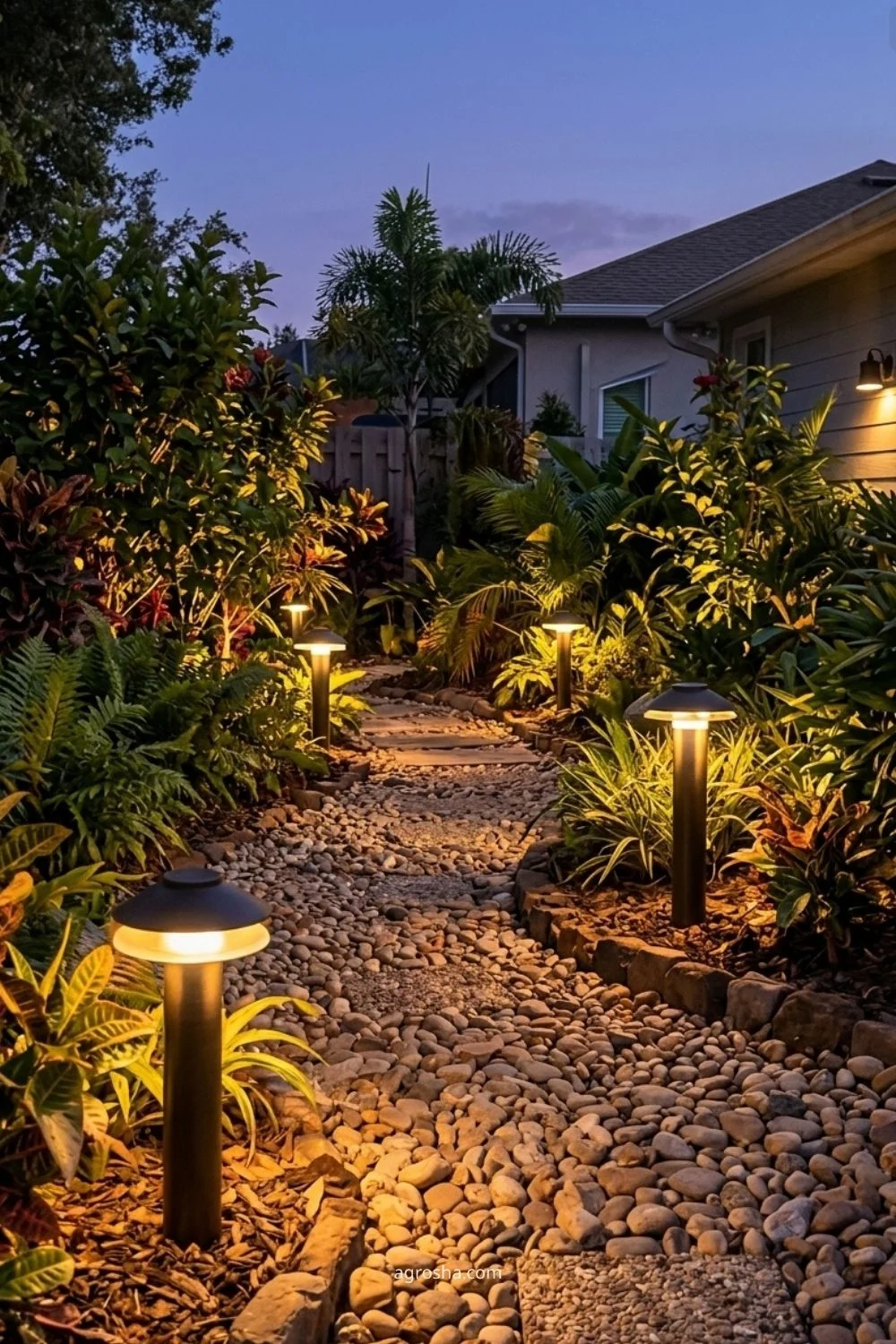
Place path lights where the route bends, narrows, or meets another walkway instead of spacing fixtures like runway markers. The goal is to reveal the walking surface and edge without shining into people’s eyes. Our garden pathway ideas can help identify the route first.
2. Step Lights on Outdoor Stairs

Steps need consistent light on the tread and edge. Recessed or side-mounted fixtures can work if they are rated for outdoor use and installed so they do not create glare. Use lighting to show the change in height, not to create decorative hotspots.
3. Gate and Entry Lighting
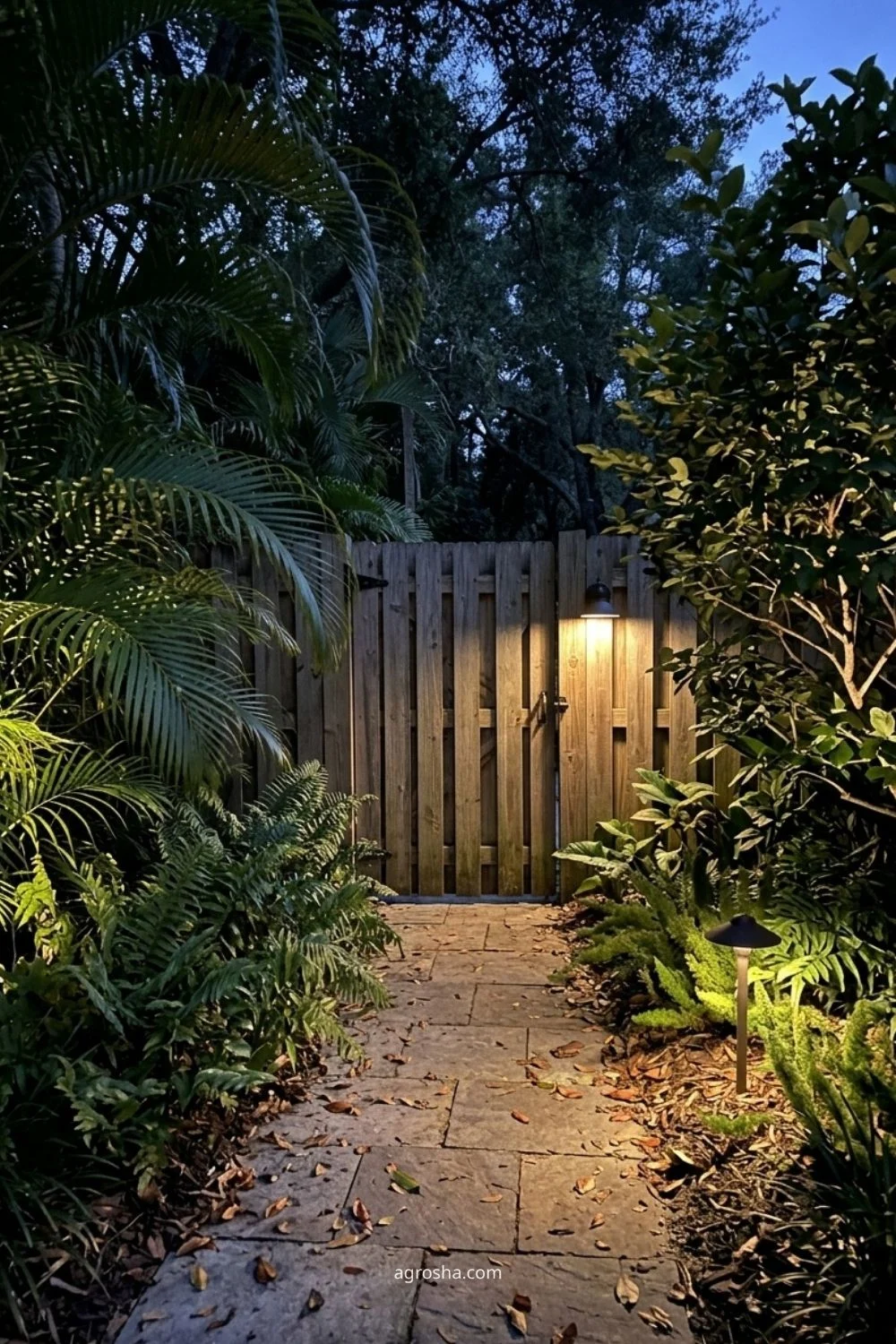
A small downlight or shielded fixture near a side gate can help with keys, latches, and safe entry. Keep the light directed downward and away from neighbors. Use weather-rated hardware and make sure plants do not grow over the fixture.
4. Patio Perimeter Lighting
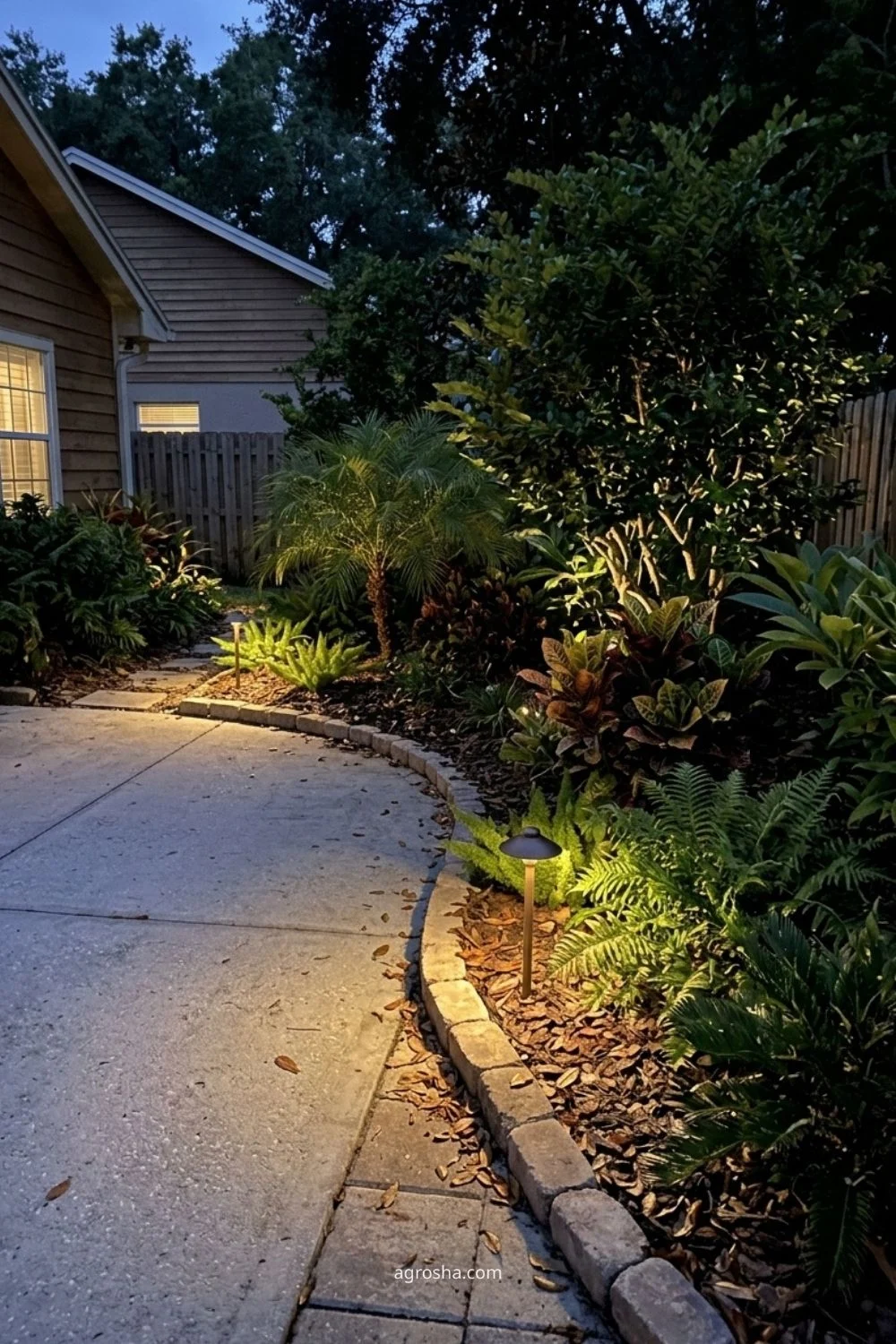
A few low fixtures around the outside of a patio can define the edge without making the seating area feel bright. Keep the center softer and let the perimeter lights provide orientation. This works well when the patio connects to darker garden zones.
5. Driveway-to-Walkway Transition Light

Where the driveway meets the front path, one well-placed fixture can make the route obvious. Avoid placing lights where tires, lawn equipment, or doors can hit them. For curb-appeal layout, compare our front yard garden ideas.
Garden Bed and Plant Lighting
Plant lighting should reveal form, not make every leaf equally bright. Choose one tree, shrub, grass group, or bed edge as a focal point and keep the beam controlled. As plants grow, adjust fixtures so leaves do not block the light or trap heat around the housing.
6. Uplight One Specimen Tree
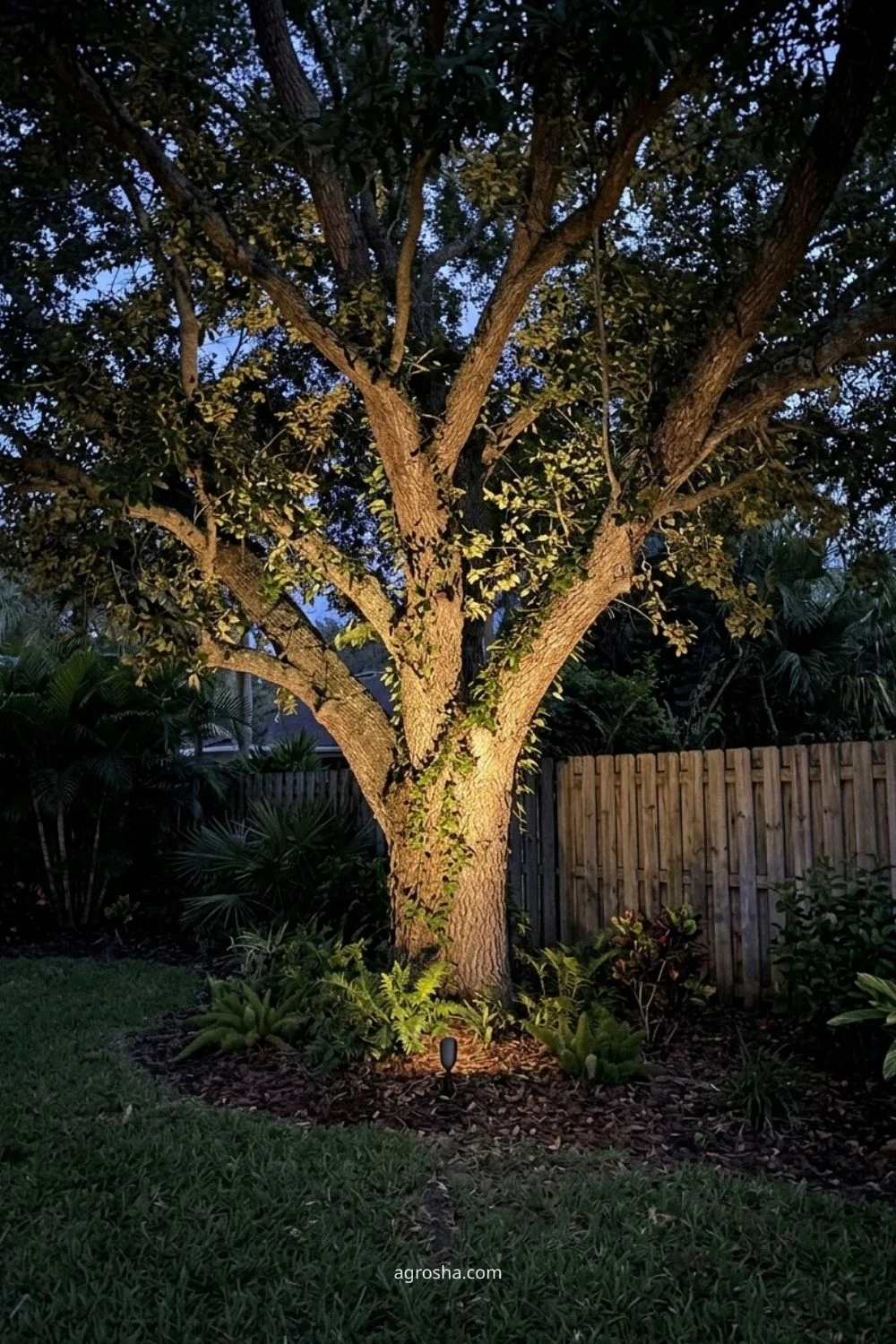
One subtle uplight can reveal trunk texture and canopy shape without turning the whole yard into a stage. Aim carefully so the beam stays within the tree and does not shine into windows or the sky. Keep fixtures clear of roots and lawn equipment.
7. Grazing Light Across a Textured Trunk

A narrow beam placed close to a palm or textured tree trunk can create depth with less brightness than a wide flood. Use it on one focal plant, not every tree. The effect should still feel natural from inside the house.
8. Soft Light Behind Ornamental Grasses
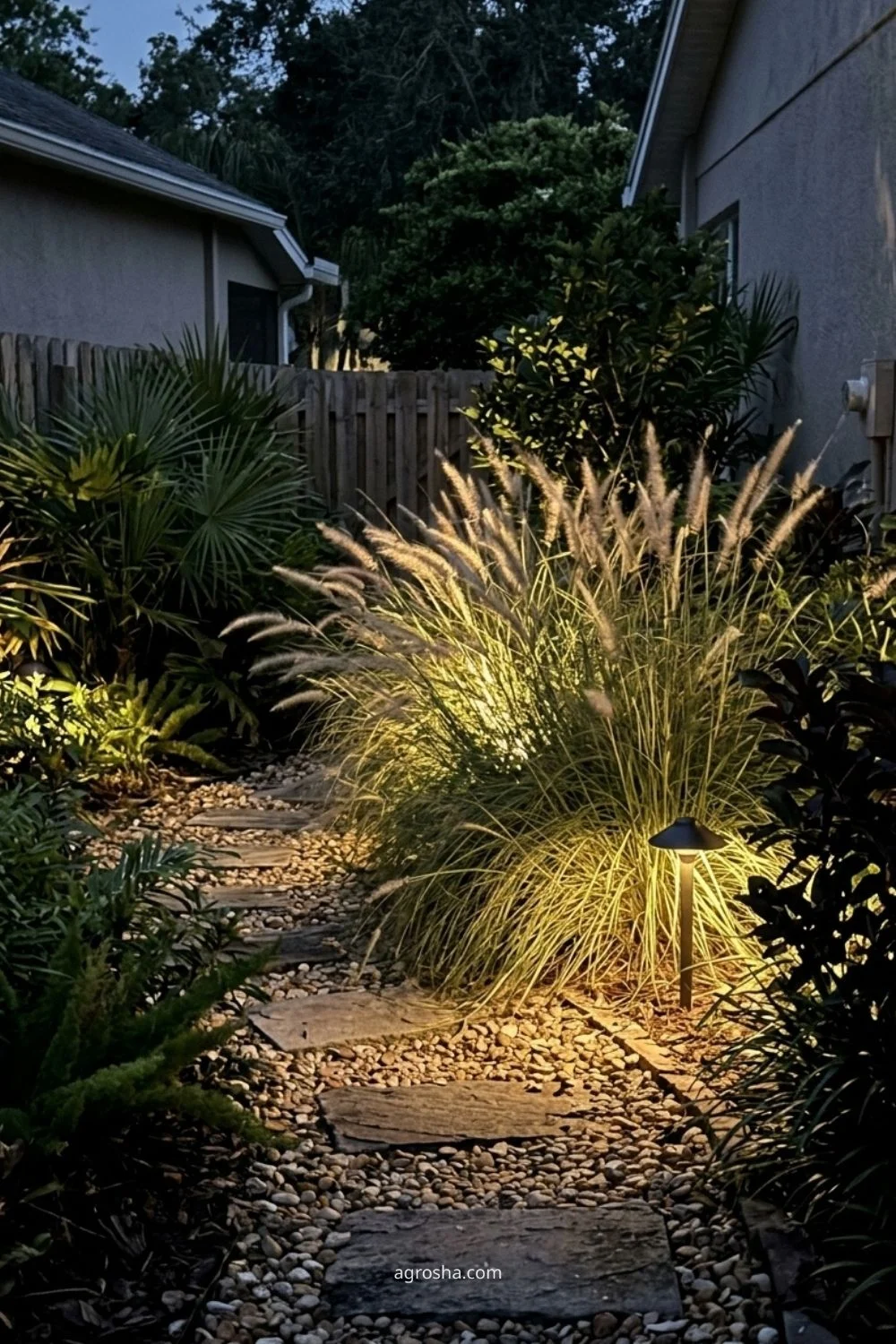
A small backlight can make seed heads and grass blades glow gently at night. Use low intensity and place the fixture where it is hidden during the day. Choose a location that does not silhouette the plant directly into a neighbor’s window.
9. Downlight Over a Mixed Planting Bed

A fixture mounted safely above a bed can create a moonlight-like pool across foliage. Use outdoor-rated installation and avoid excessive height or brightness. This works especially well in a shaded garden where uplights might feel too dramatic.
10. Accent Light on a Flowering Shrub
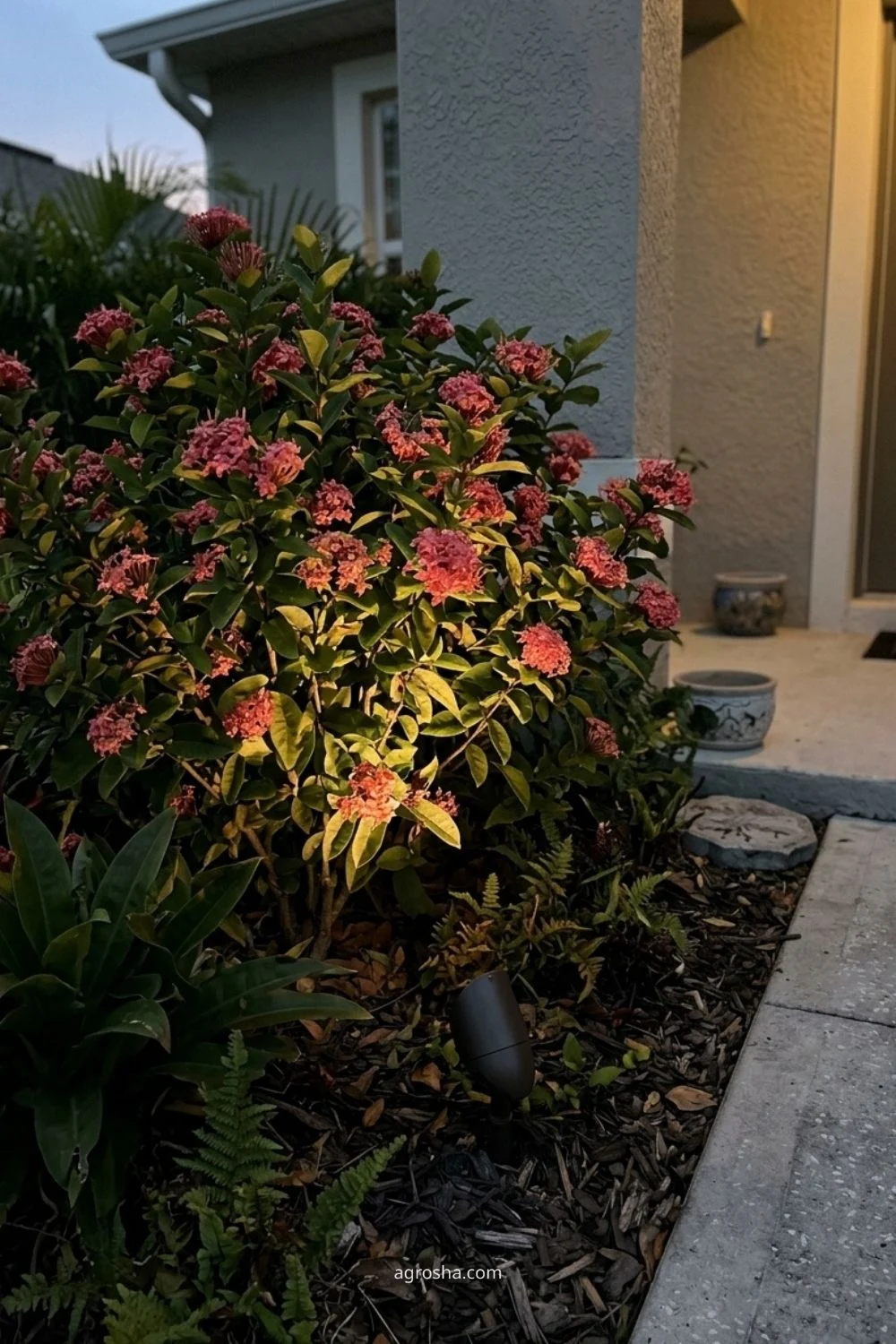
A flowering shrub near the patio can receive a soft, wide beam during its season, but the light should still look good when the plant is not blooming. Keep the fixture adjustable so growth does not trap or block it.
11. Low Light Along a Shade Garden Edge

Shaded beds can disappear after sunset. A few low, shielded fixtures can reveal the edge and foliage texture without lighting the whole canopy. Pair this with the layered planting in our shade garden ideas.
Patio and Outdoor Living Lighting
Patio lighting should make faces, food, and walking surfaces comfortable without creating glare. Use low-output layers instead of one bright flood. A small combination of downlight, concealed bench light, lantern, or modest string lighting usually feels more relaxed in a home setting.
12. Warm Under-Bench Lighting
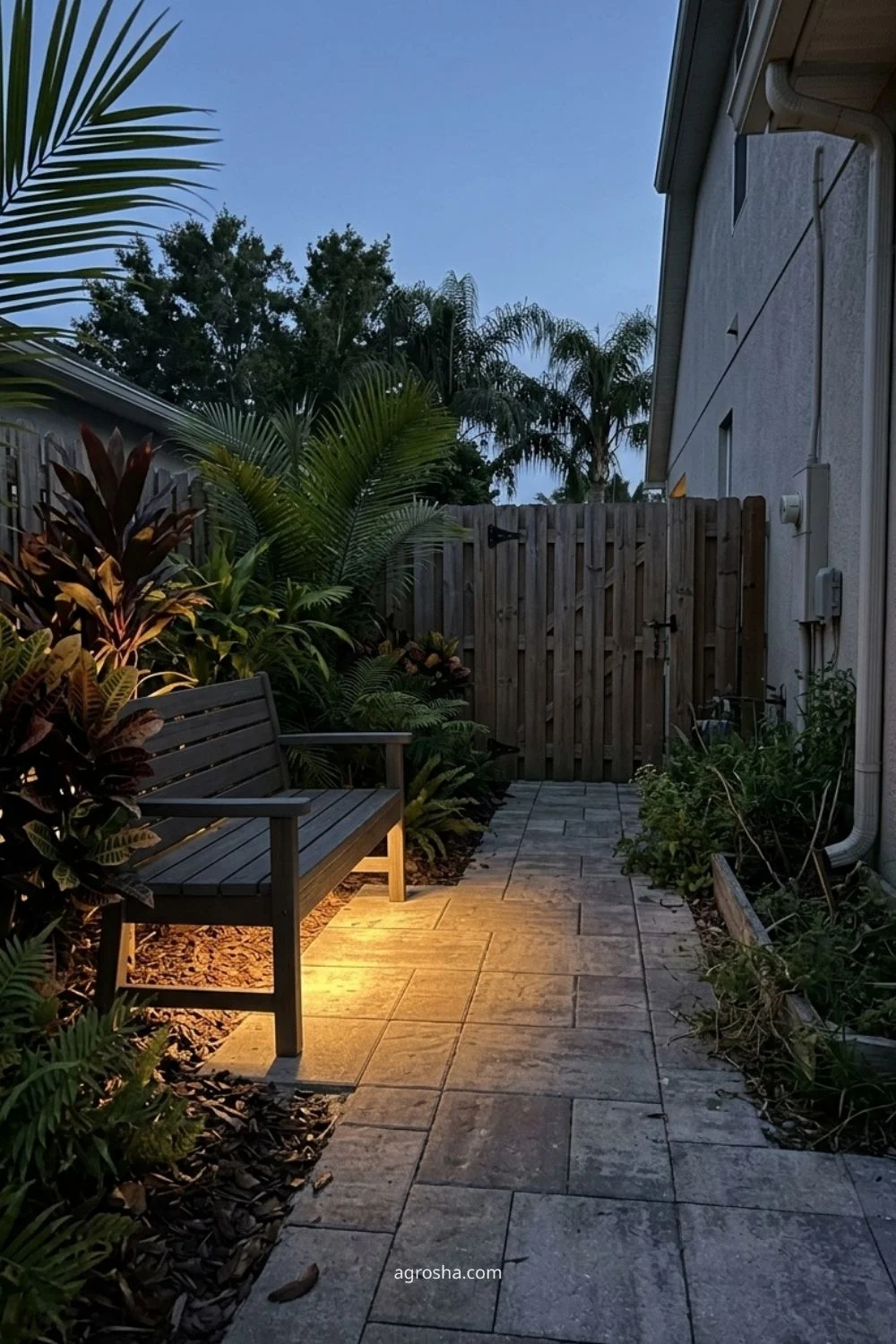
A concealed low-voltage strip under a built-in bench can add a soft glow and help people see the base of the seating. Keep electrical components rated for exterior exposure and positioned where cleaning water cannot collect around connections.
13. Pergola Downlights

Small shielded lights mounted under a pergola can illuminate a table or seating area without bright overhead glare. Use fewer fixtures at lower intensity rather than one harsh flood. Keep wiring protected and accessible for maintenance.
14. String Lights Used Sparingly
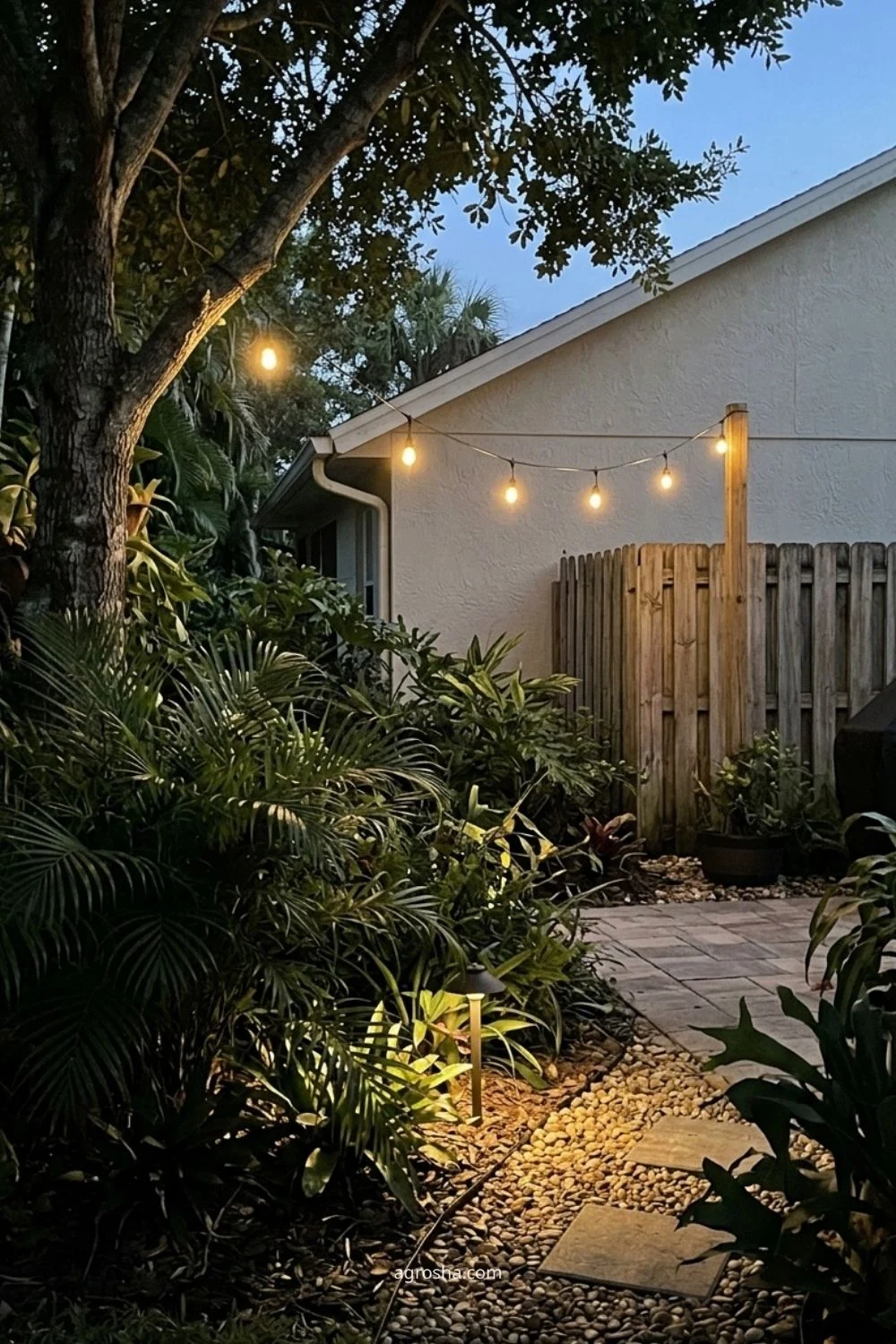
String lights can make a patio feel inviting, but too many strands quickly look commercial. Use one or two clean runs over a seating zone and keep the bulbs high enough to clear people. Secure them for wind and remove or inspect them after severe weather.
15. Portable Table Lanterns
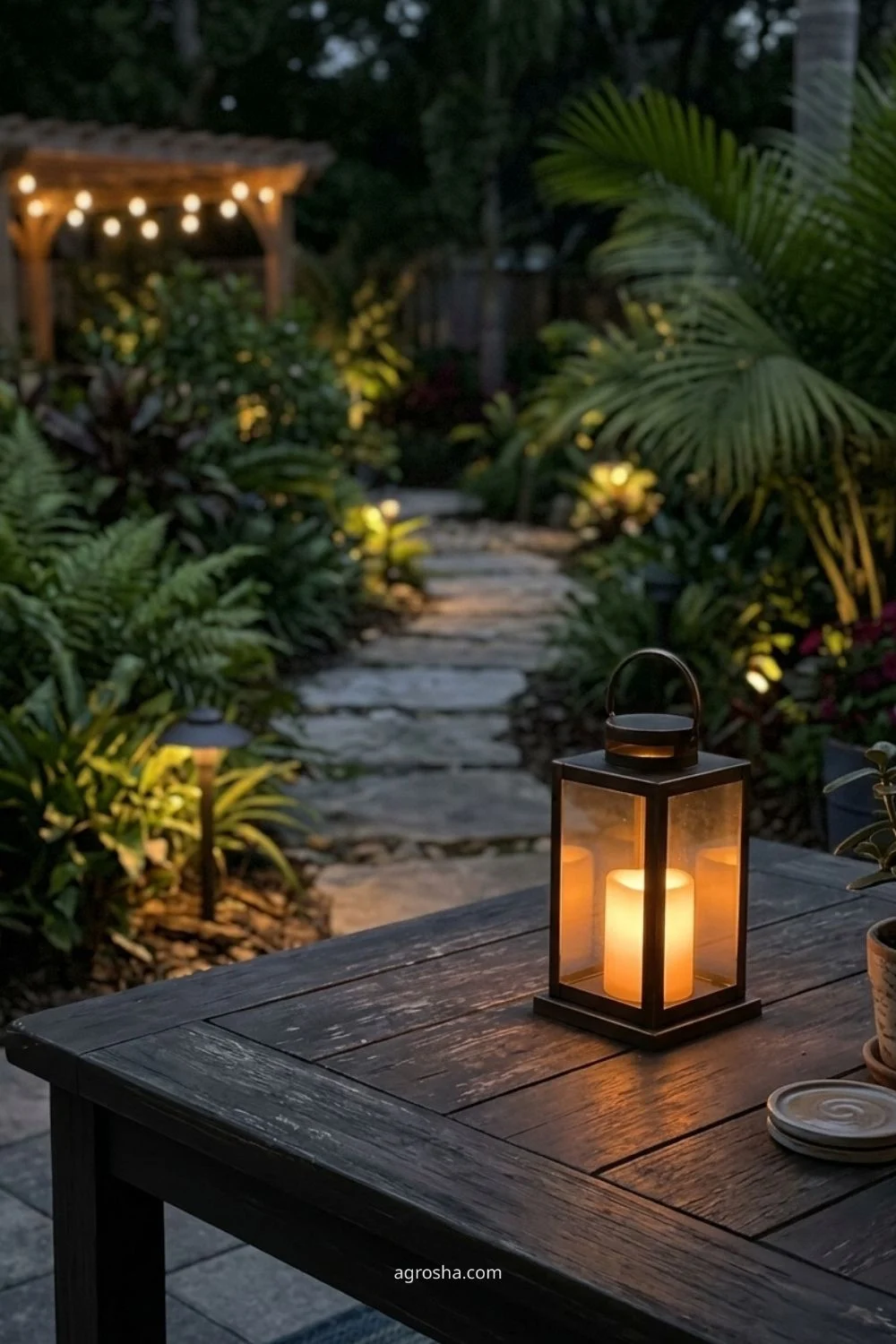
Rechargeable or battery lanterns can provide flexible light on a dining table without permanent wiring. Choose stable outdoor-rated units and keep cords off walking routes. This is one of the easiest options for renters or changing patio layouts.
16. Planter Accent Lighting
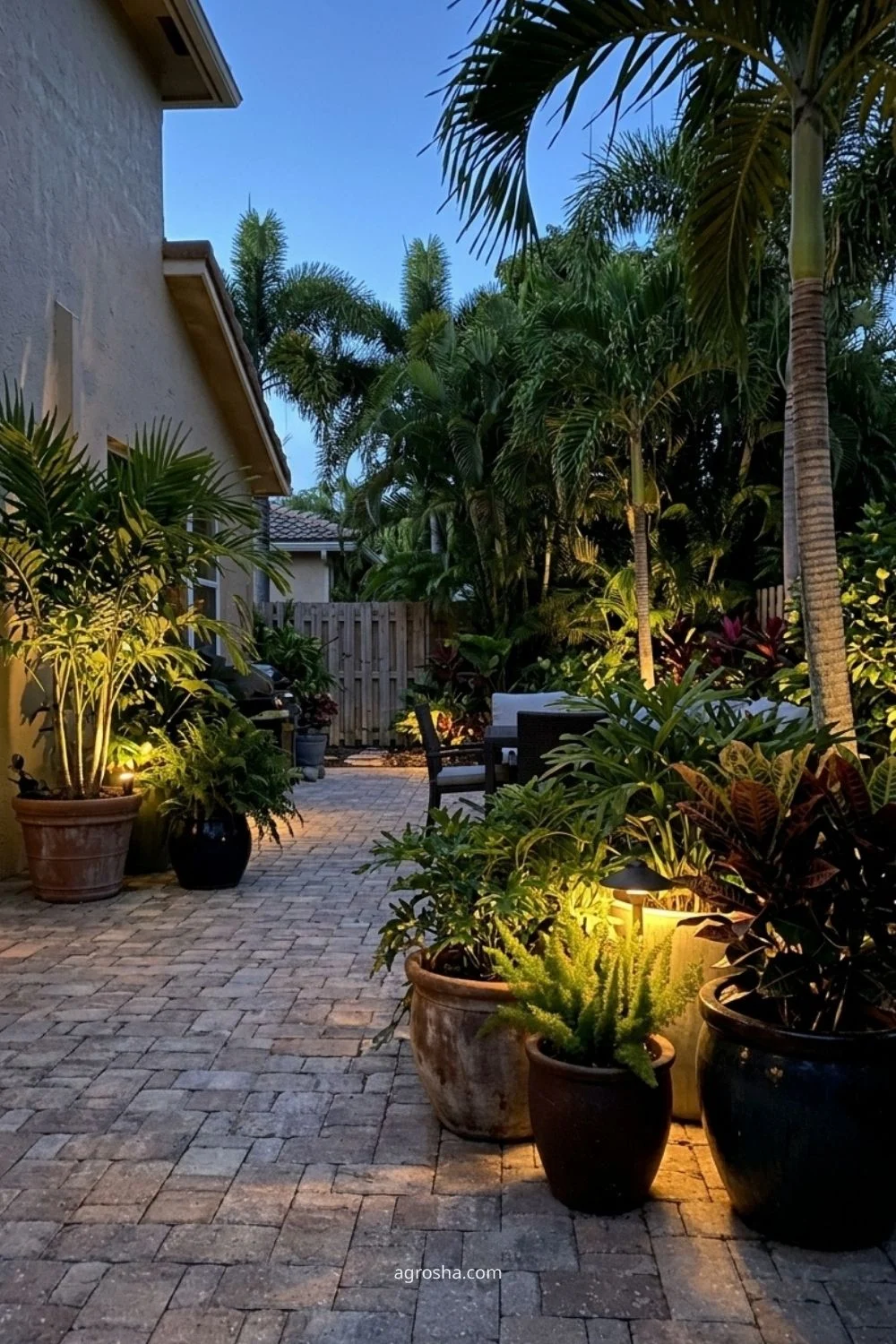
A small light tucked beside a large planter can highlight foliage and also mark the patio edge. Keep the fixture out of irrigation spray when possible and avoid shining directly upward into faces. The plant should remain the focus.
17. Privacy-Screen Backlighting
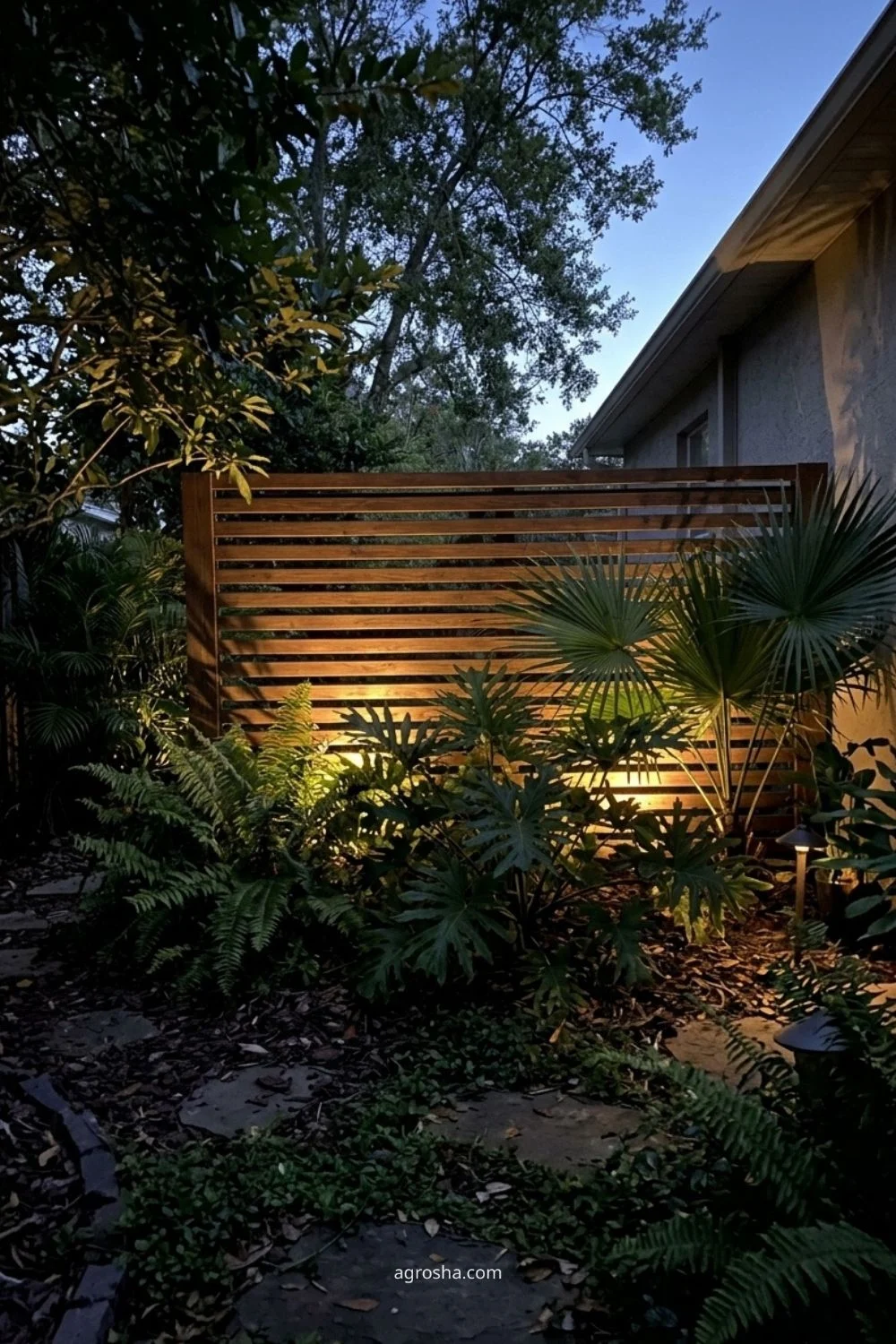
A slatted or patterned screen can look more dimensional when softly backlit. Use low intensity so the screen does not become a glowing billboard. For screening layouts, see our backyard privacy ideas.
Solar and Low-Voltage Ideas
Solar and low-voltage systems solve different problems. Solar markers are flexible but depend on sun and battery condition; low-voltage wiring is more dependable but needs proper installation. Use the technology that matches the safety importance of the location rather than choosing only by convenience.
18. Solar Marker Lights for a Low-Traffic Path
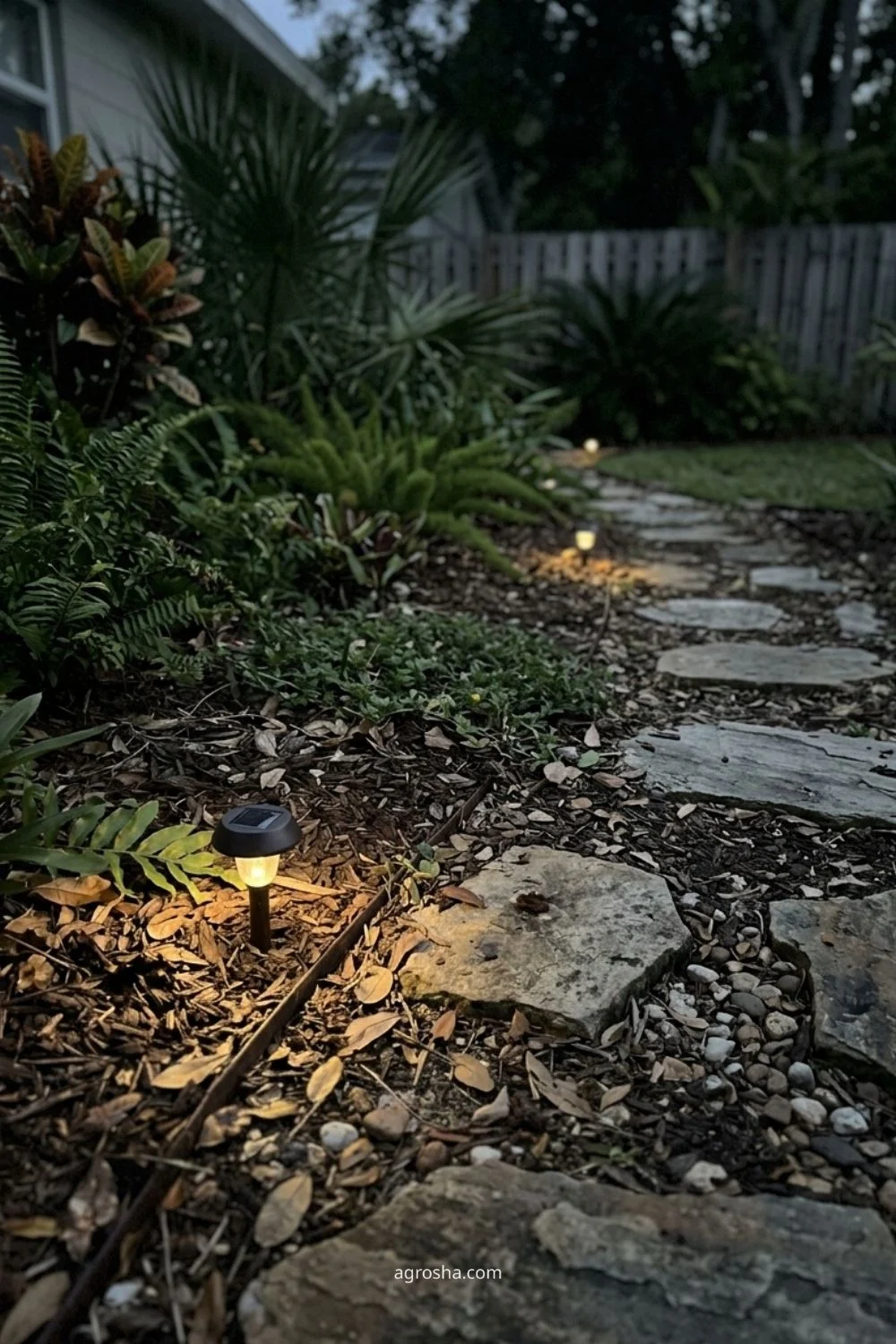
Solar lights can work for basic orientation on paths that do not need strong, dependable illumination. Place panels where they actually receive sun and expect output to vary with weather and shade. Use them as markers, not as the only safety lighting for critical steps.
19. Low-Voltage Bollards for a Wider Walk
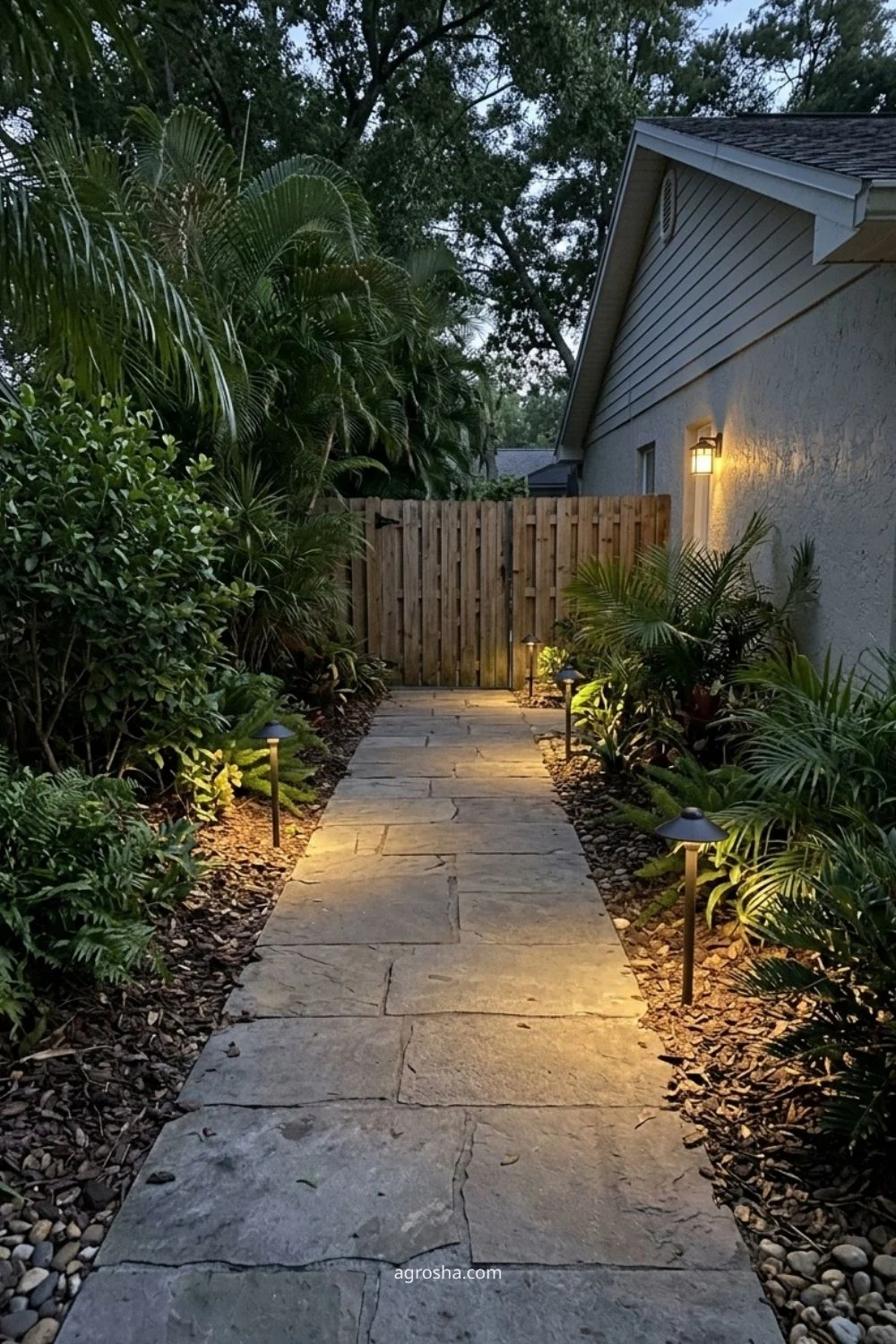
Short bollards can spread light across a broad walkway or open path. Choose shielded designs that direct light down instead of into eyes. Space them based on real coverage rather than a fixed decorative pattern.
20. Flush Paver Lights at a Landing
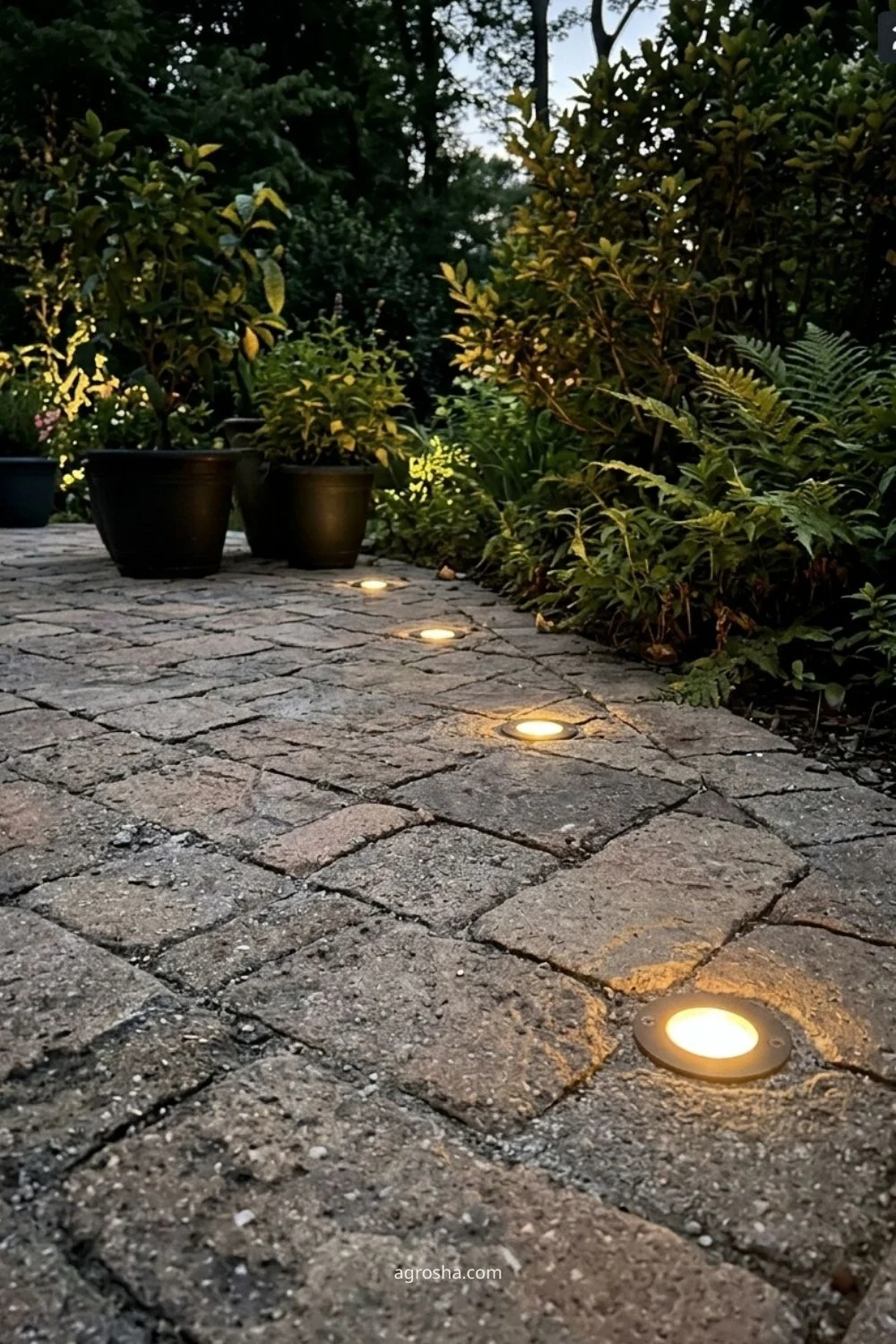
A few flush lights can mark a patio landing or path transition without adding posts. Installation must preserve drainage and keep the fixture level with the surface. Avoid using them where leaves or mulch constantly cover the lens.
21. Small Spotlights for Seasonal Flexibility

Adjustable low-voltage spots can move as shrubs grow or focal points change. Keep cable routes protected and avoid constantly aiming lights upward. A flexible system is useful in a landscape that is still maturing.
22. Timer or Smart-Controlled Landscape Lighting
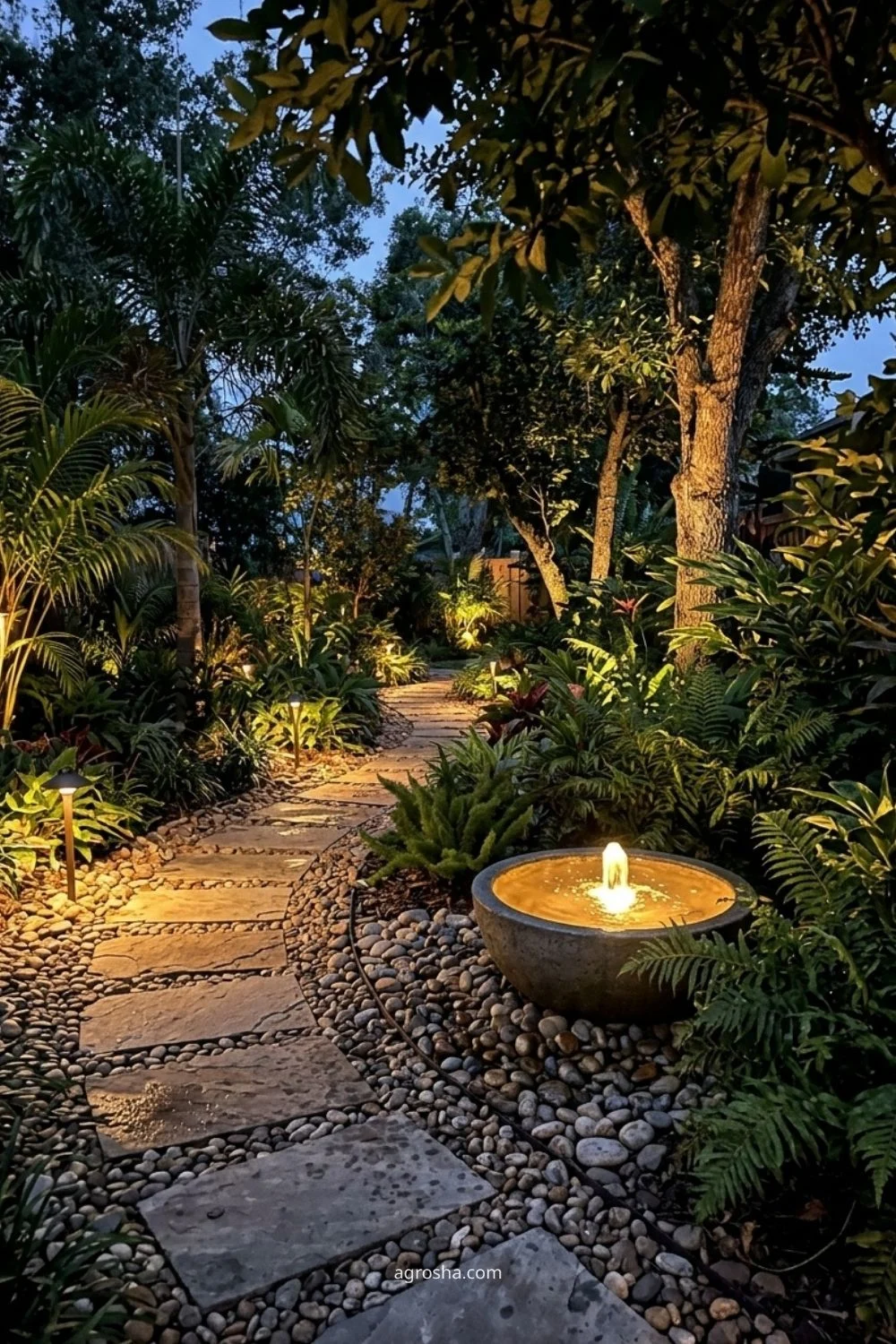
A timer can turn lights off after the patio is no longer in use, reducing wasted energy and late-night brightness. Keep the schedule simple and update it seasonally. Smart controls are useful only if the basic lighting layout already works.
Water, Walls, and Architectural Features
Walls, retaining edges, and water features can reflect light strongly, so they need less brightness than many homeowners expect. Place fixtures where they remain serviceable and away from drainage paths. One restrained accent often gives more depth than lighting the entire feature.
23. Soft Light on a Garden Wall
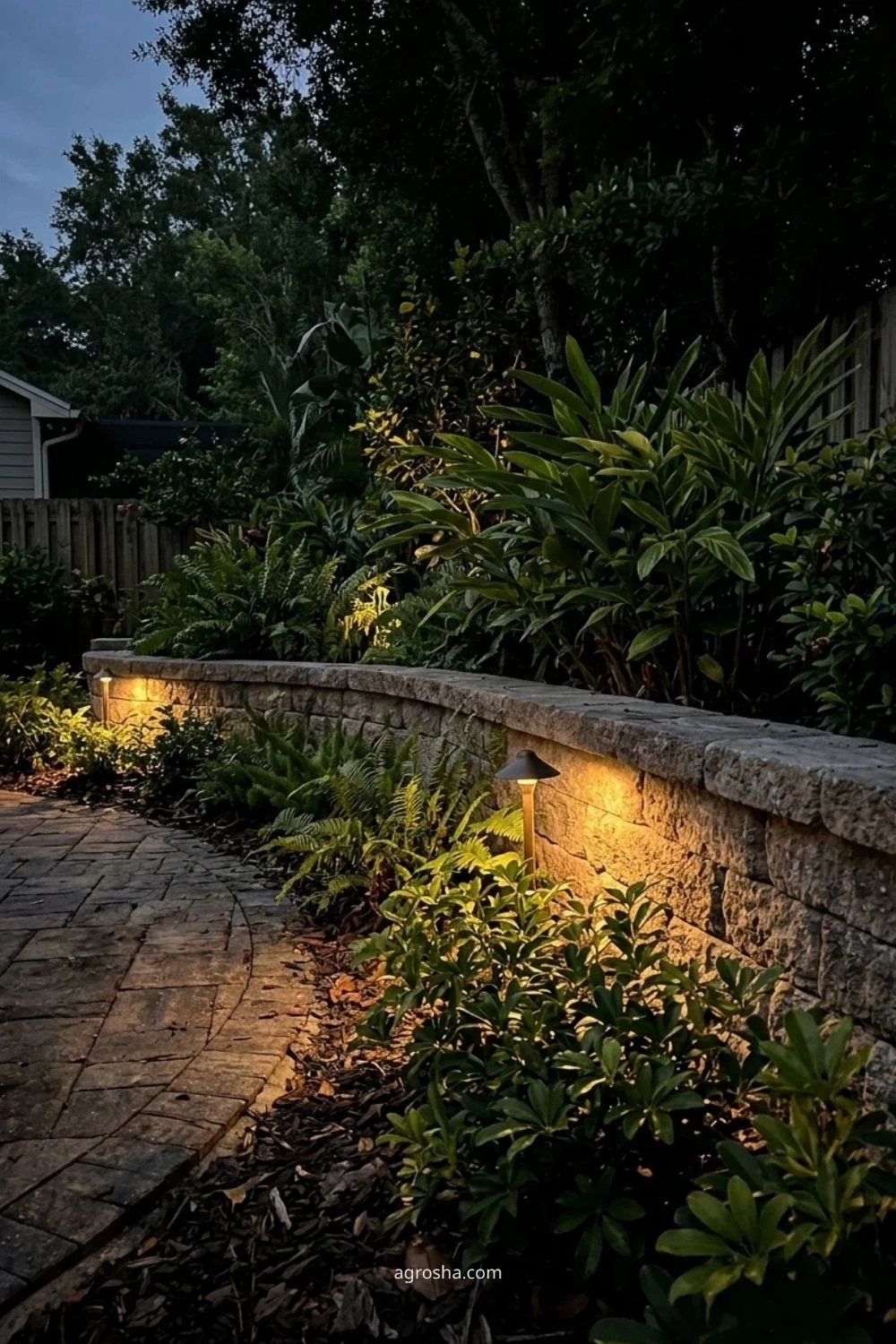
A wide wash across a textured wall can create ambient light without adding more fixtures into the planting beds. Keep the beam below windows and use a warm, low intensity. This works well behind a patio or courtyard edge.
24. Step-Down Light at a Retaining Wall
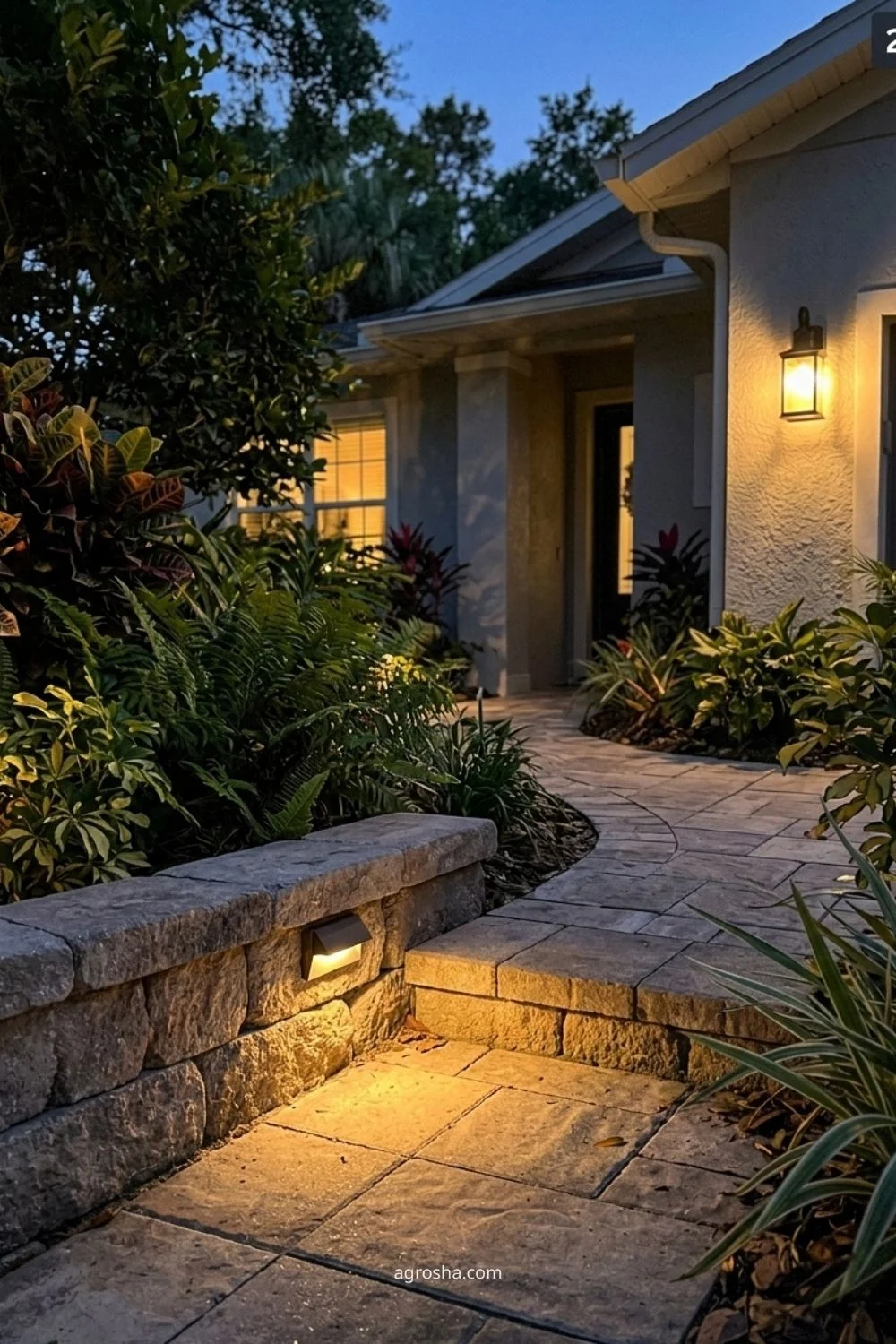
Where a retaining edge creates a change in level, a shielded light can help reveal the drop. Keep fixtures away from drainage outlets and maintenance joints. Significant walls should be lit for safety first, decoration second.
25. Water-Bowl Accent Light
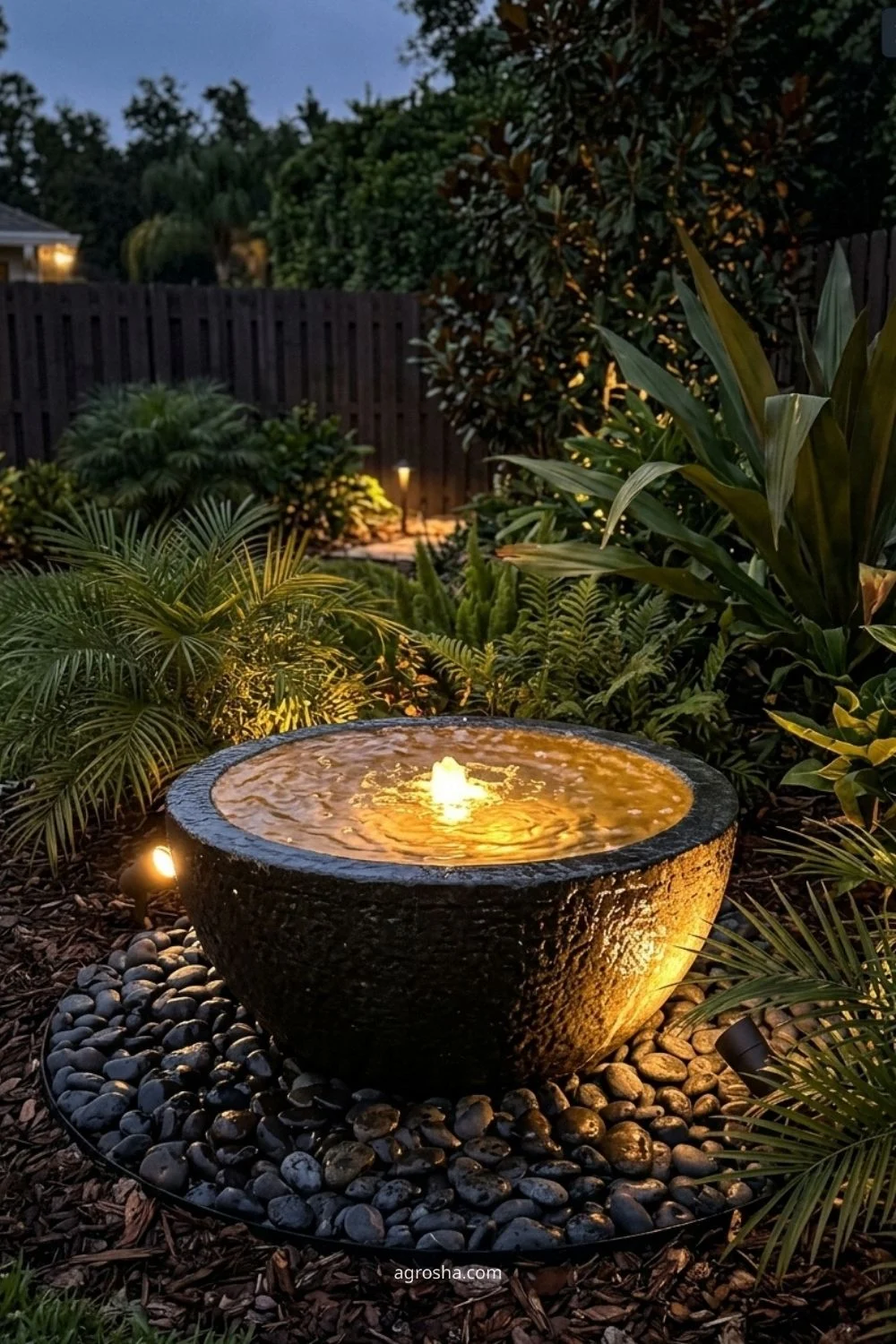
A small recirculating water feature can receive one soft side light to reveal movement. Use fixtures and electrical equipment specifically rated for the location and keep connections protected from splash. Avoid bright underwater effects in a modest home garden.
26. Dry-Creek Lighting at One Crossing

A dry creek does not need continuous illumination. Light the point where a path crosses it or one boulder grouping so the drainage feature is readable at night. Keep fixtures out of the main water flow.
27. House-Number Area With Downward Light

A small shielded fixture near the address or front entry can improve visibility without lighting the entire facade. The light should point down and stay controlled. In final Agrosha imagery, any house numbers remain unreadable to follow our no-text image rule.
Avoid Glare and Overlighting
Walk the yard from normal seated and standing positions after dark. If you see bare bulbs, bright hotspots, or beams entering windows, adjust the fixture before adding more lights. Good landscape lighting feels quiet because the source disappears and only the useful surface is visible.
28. Use Shielded Fixtures Near Seating

If you can see the bare bulb from a chair, the fixture is probably too bright or poorly aimed. Use hoods, louvers, or lower placement so the light reaches the path or plant instead of people’s eyes.
29. Leave Dark Areas Between Focal Points
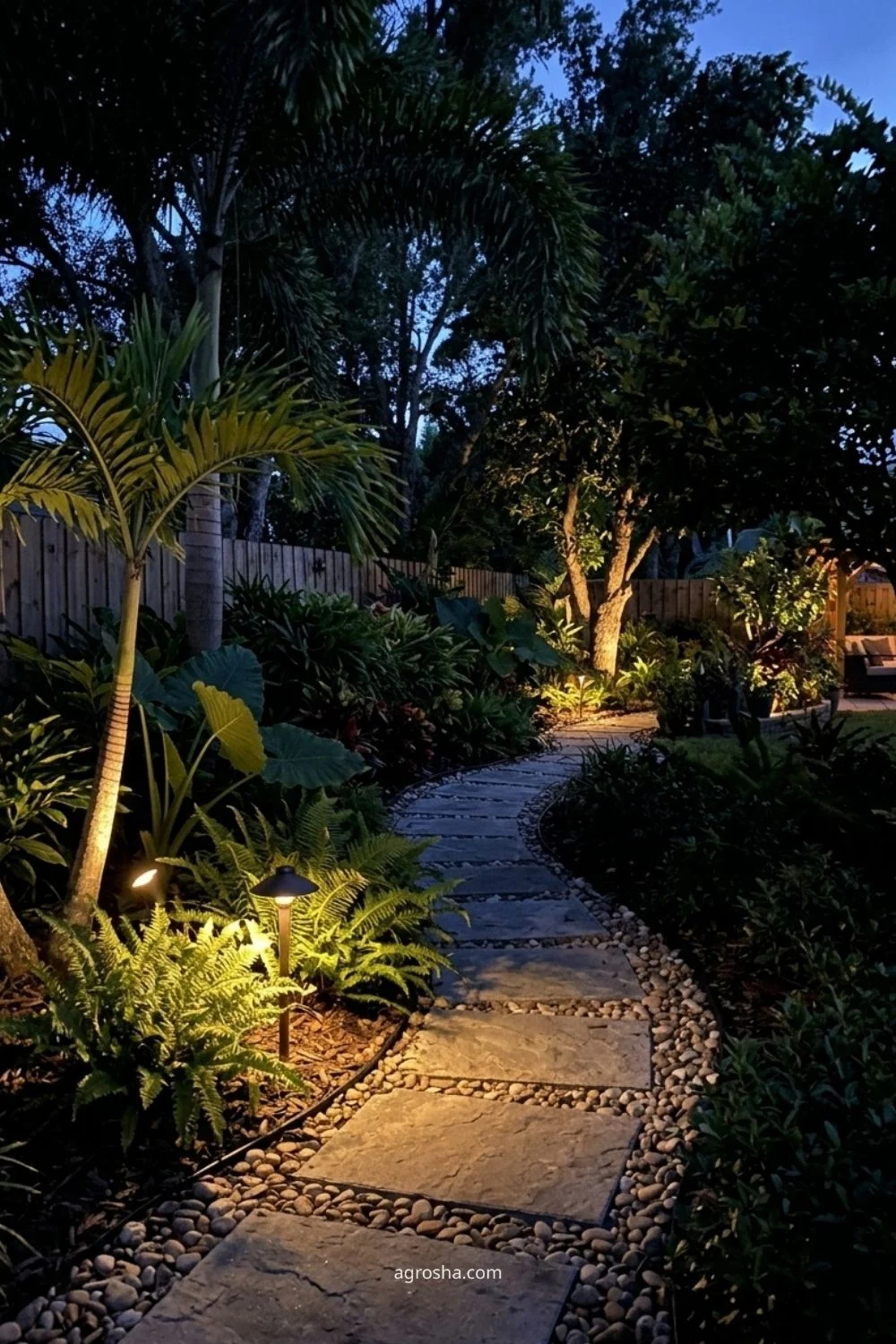
Good garden lighting needs contrast. If every tree, wall, path, and plant is lit, nothing feels special and the yard can look flat. Leave quiet dark zones and light only the places needed for safety, orientation, or one focal view.
30. Build a Simple Layered Lighting Plan
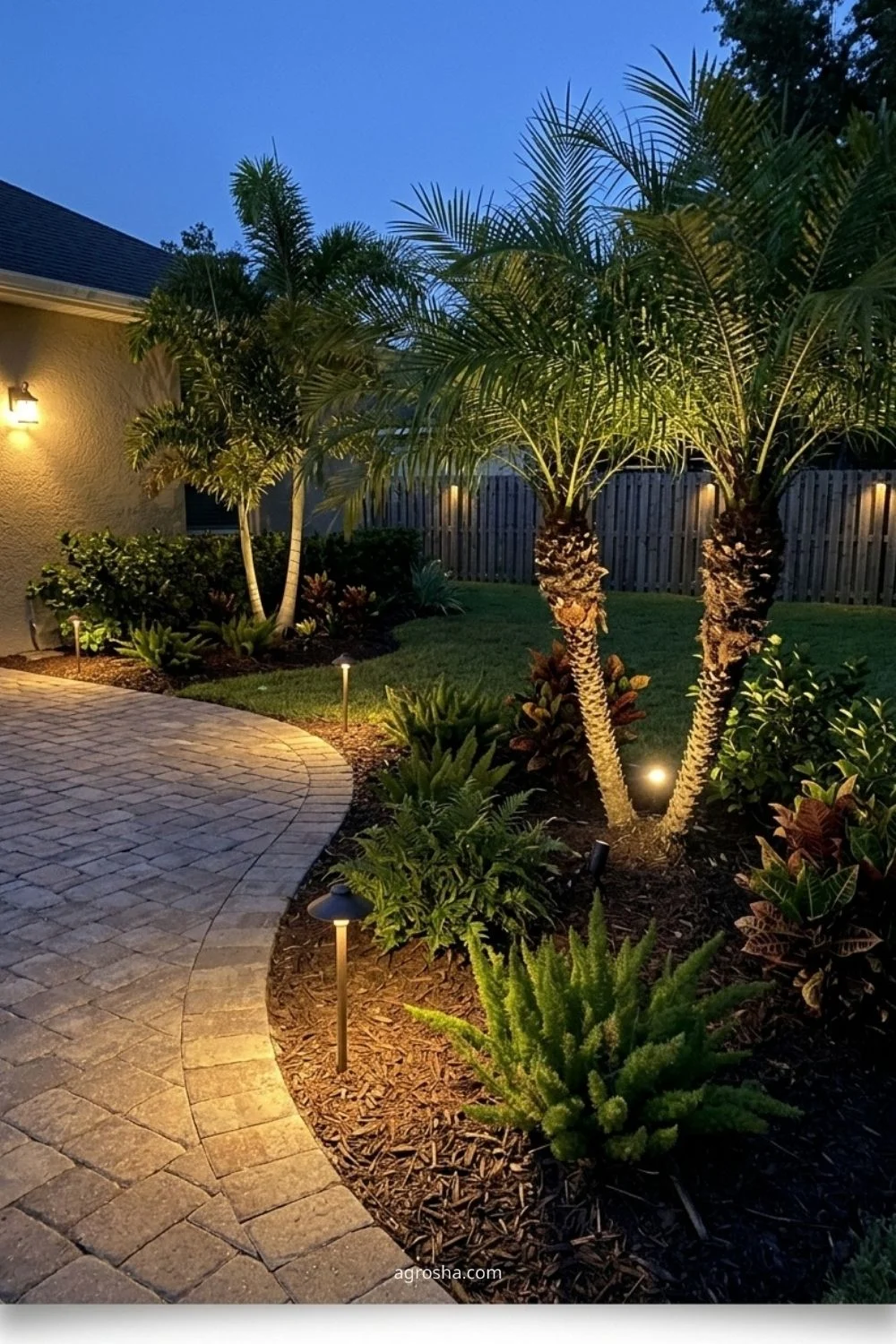
Use three layers: safe path or step light, soft ambient patio light, and a few plant or architectural accents. Keep color temperature consistent and controls simple. A small system that is easy to maintain usually looks better than a complicated collection of mismatched fixtures.
Frequently Asked Questions
What color temperature works best for garden lighting?
Warm white light usually feels comfortable around homes and plants. More important than the exact number is keeping fixtures consistent and avoiding harsh blue-white glare across the yard.
Are solar garden lights enough for steps?
Solar markers can help with orientation, but output varies with sun and battery condition. Critical steps and level changes should use dependable lighting appropriate for the safety need and local electrical requirements.
How many landscape lights do I need?
Start with the fewest fixtures that safely show paths, steps, and entries. Add focal accents only after walking the yard at night. Empty dark space is part of a good lighting plan.
Where should garden lights be aimed?
Aim light at the walking surface, plant, wall, or feature you want to see. Shield the source from normal eye level and keep beams out of windows, neighboring properties, and open sky as much as practical.
Final Thoughts
A small layered lighting plan is usually enough: dependable path and step lighting, soft patio light, then a few plant or wall accents. Keep fixtures shielded, use outdoor-rated equipment, and leave dark areas between focal points so the yard still feels like a garden after sunset.