Large outdoor planter ideas work best when the container fits the scale of the entryway or patio and the plant fits the actual sun, water, wind, and root space. A large planter can become a strong focal point, but it can also block a walkway, dry out, hold too much water, or become top-heavy if the proportions are wrong.
Start with the finished size of the plant and the space around it. Then choose a container that provides enough soil volume and drainage. For crop-specific sizing, our container size guide is useful; this article focuses on outdoor planter design for entries and patios.
30 Large Outdoor Planter Ideas
Match Planter Size to the Space
1. One Oversized Entry Planter
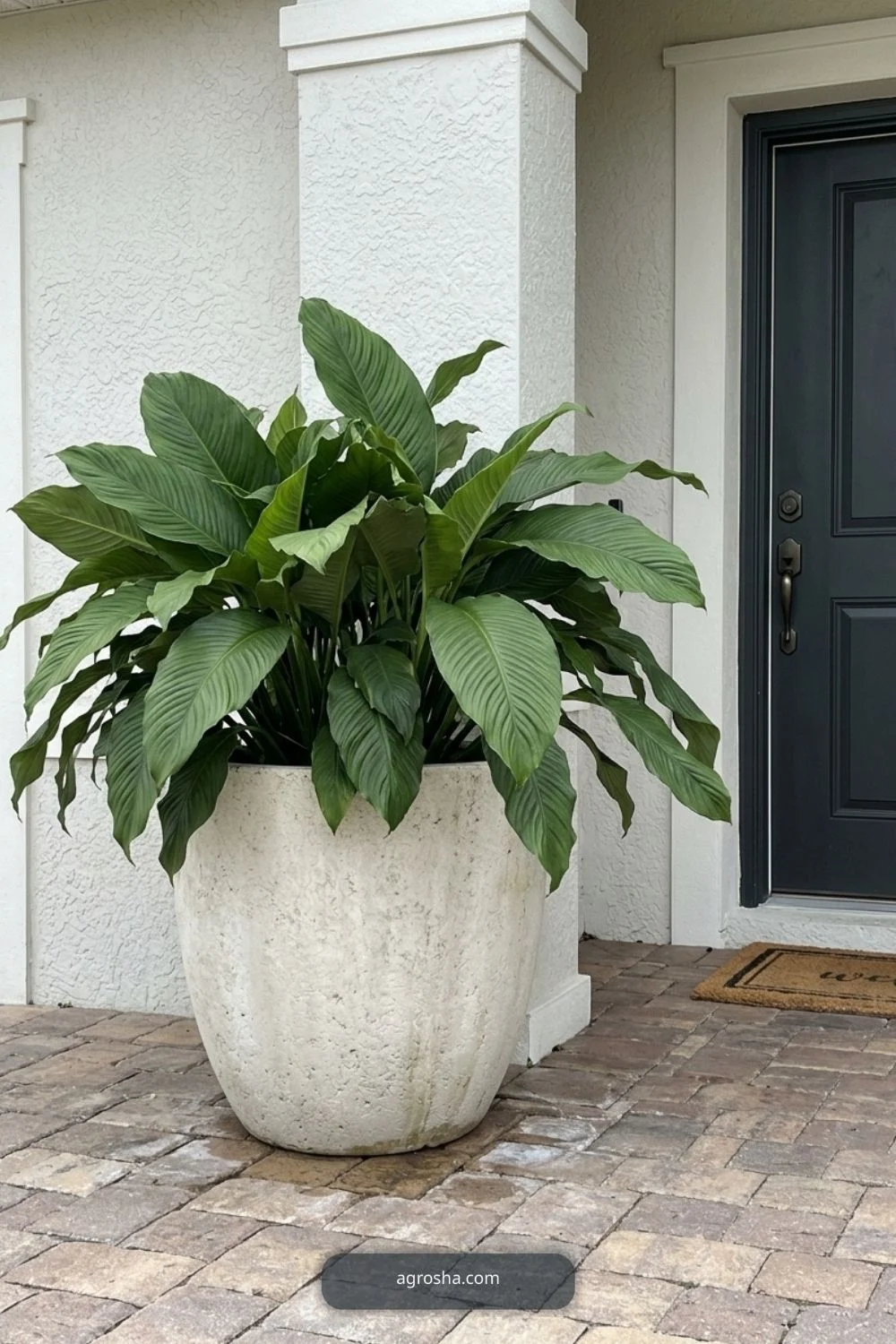
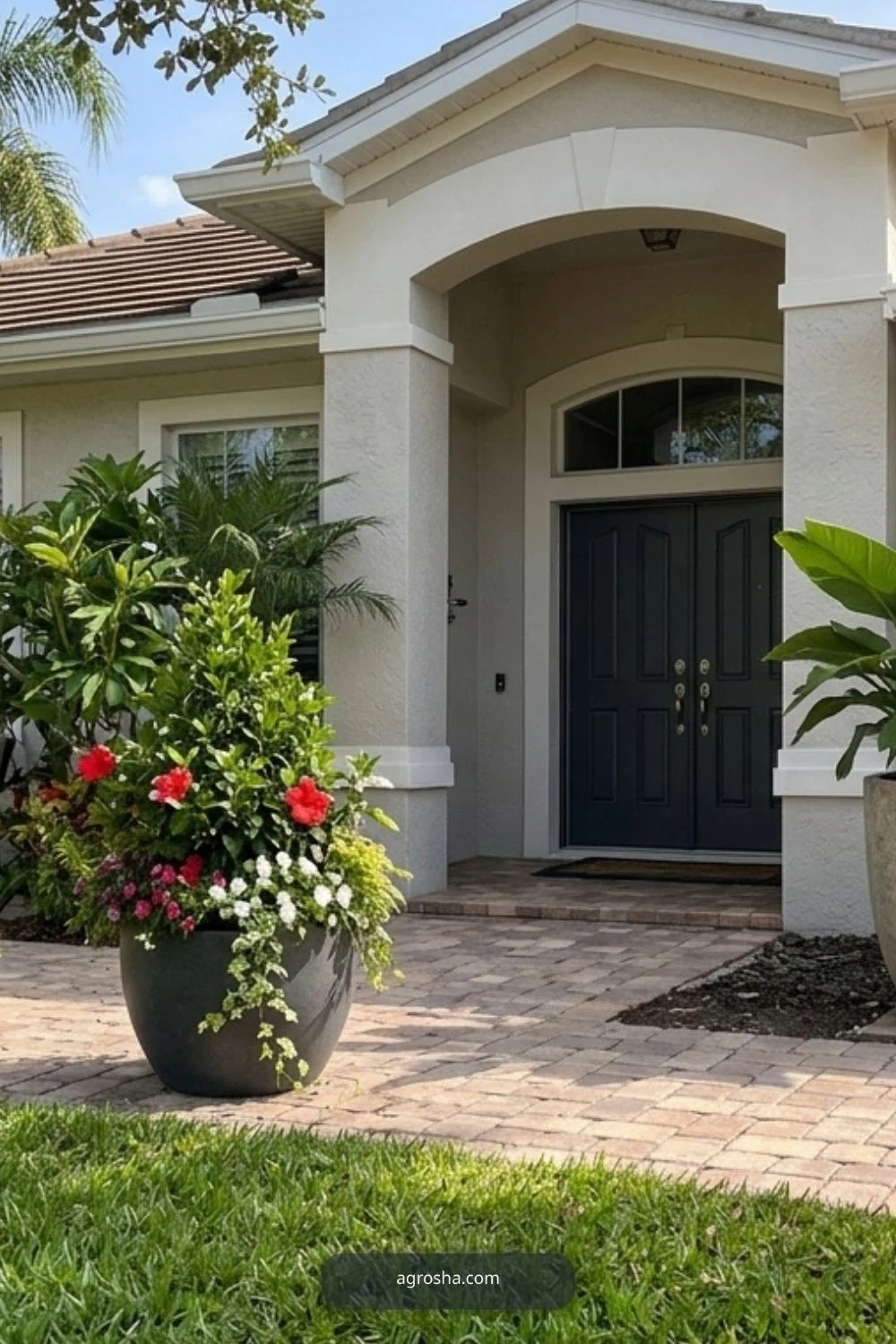
A single large planter beside the front door can look calmer than several small pots. Choose a container that fits the scale of the entry without narrowing the walkway. Use one upright plant plus a lower filler rather than building an overflowing arrangement that blocks the door.
2. Matching Planters on a Wide Entry
If the porch or entry is broad enough, a matched pair can frame the door and create symmetry. Keep both containers far enough from the threshold for comfortable traffic and use plants that receive similar light on each side.
3. Asymmetrical Pair for a Smaller Porch
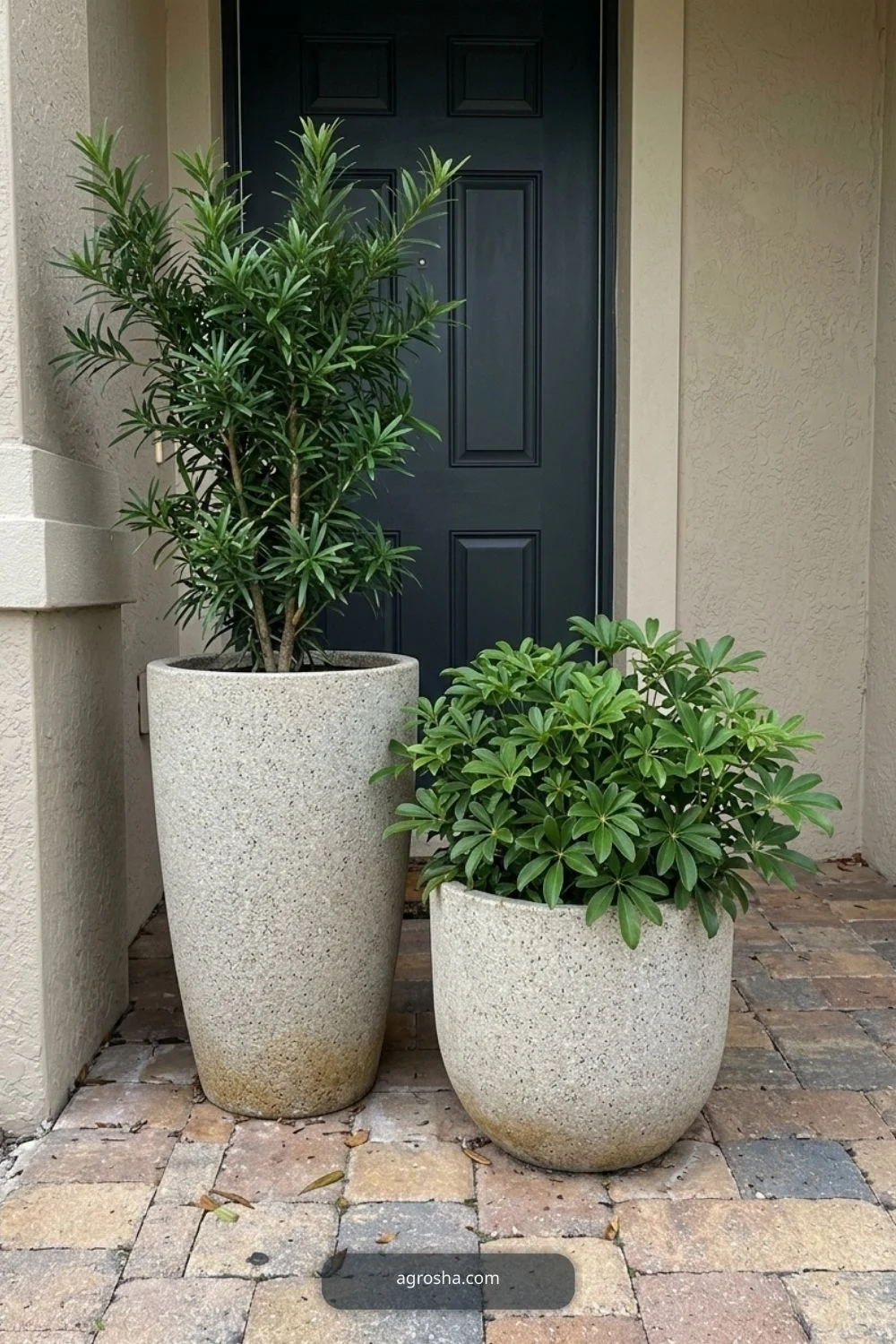
On a narrow entry, use one larger planter and one smaller companion instead of forcing equal pots into limited space. Repeat plant color or foliage texture so the pair still feels related. This keeps the entrance open while adding curb appeal.
4. Long Rectangular Planter Along a Wall
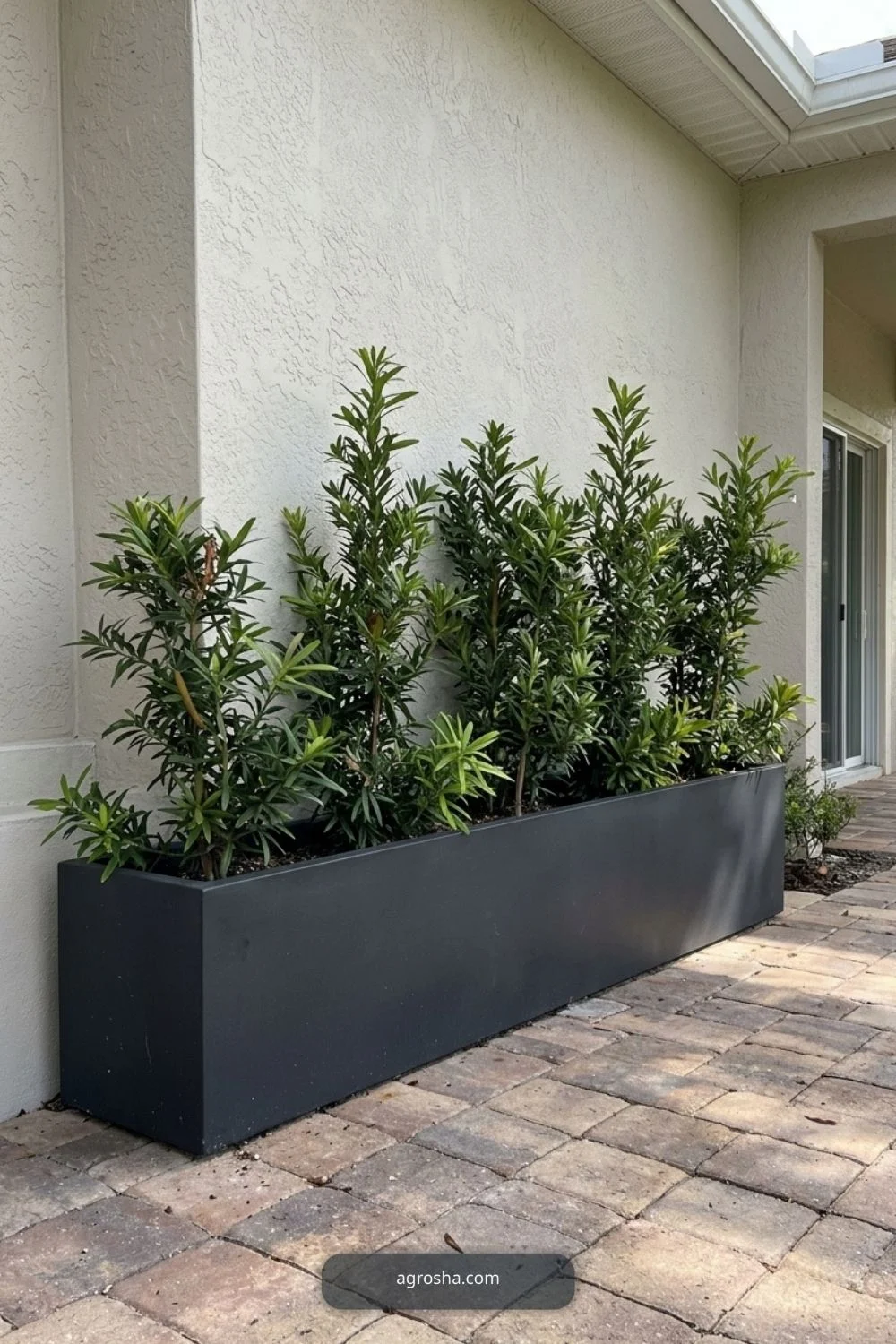
A long planter can soften a blank wall without filling the walking zone. Use a container deep enough for the chosen roots and keep it slightly away from siding so moisture and maintenance access remain manageable.
5. Low Wide Bowl on a Patio Corner
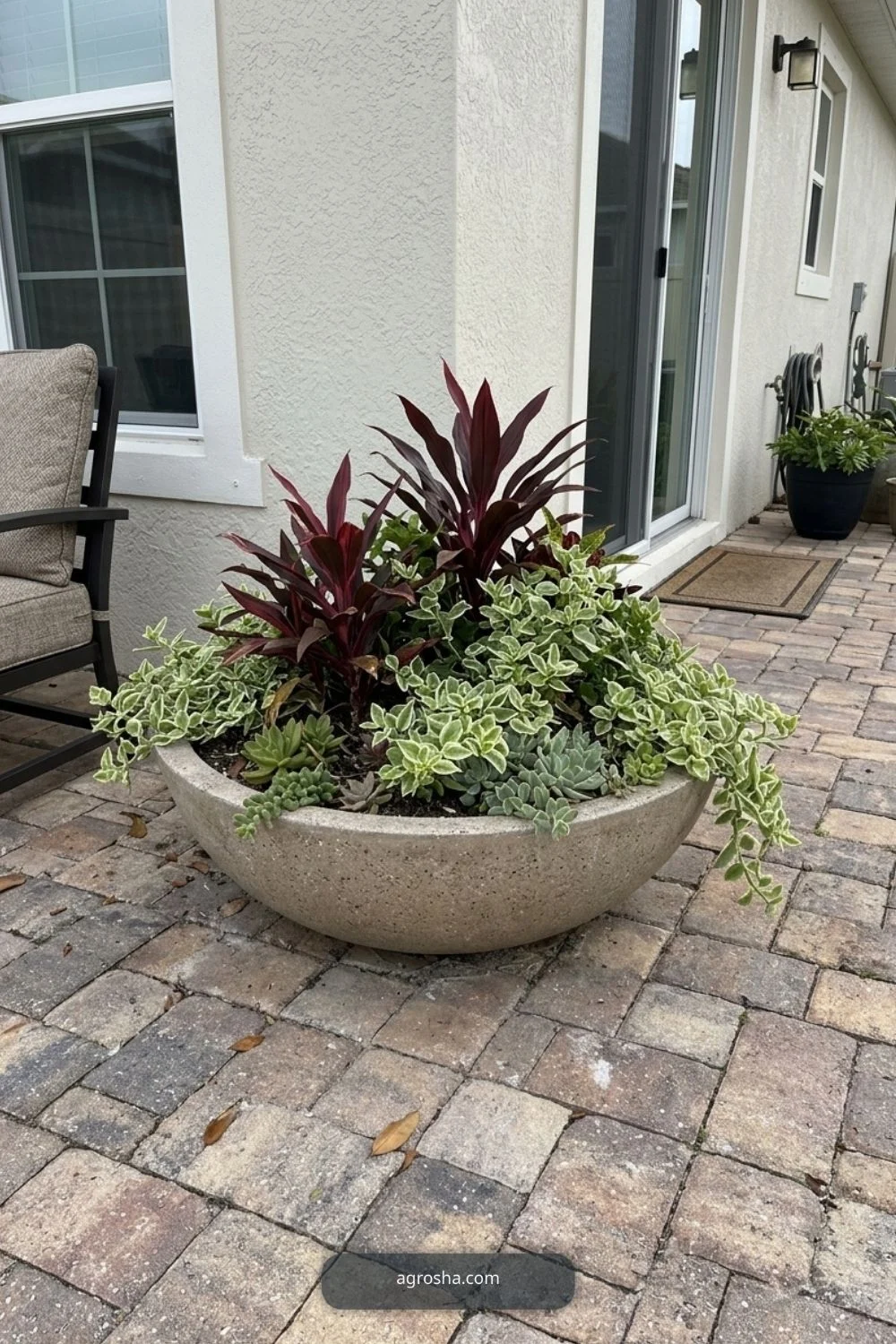
A broad, low planter works well where height would block a view. Use compact drought-tolerant or flowering plants and keep the bowl on pot feet so drainage can escape. The low form is especially useful near chairs and windows.
Entryway Planter Ideas
Entry planters are seen from close range and used beside doors, steps, and packages. Keep them stable, proportionate, and clear of door swing. A simple structural plant with a smaller seasonal layer usually feels more welcoming than a giant overflowing pot that narrows the entrance.
6. Evergreen Structure With Seasonal Color
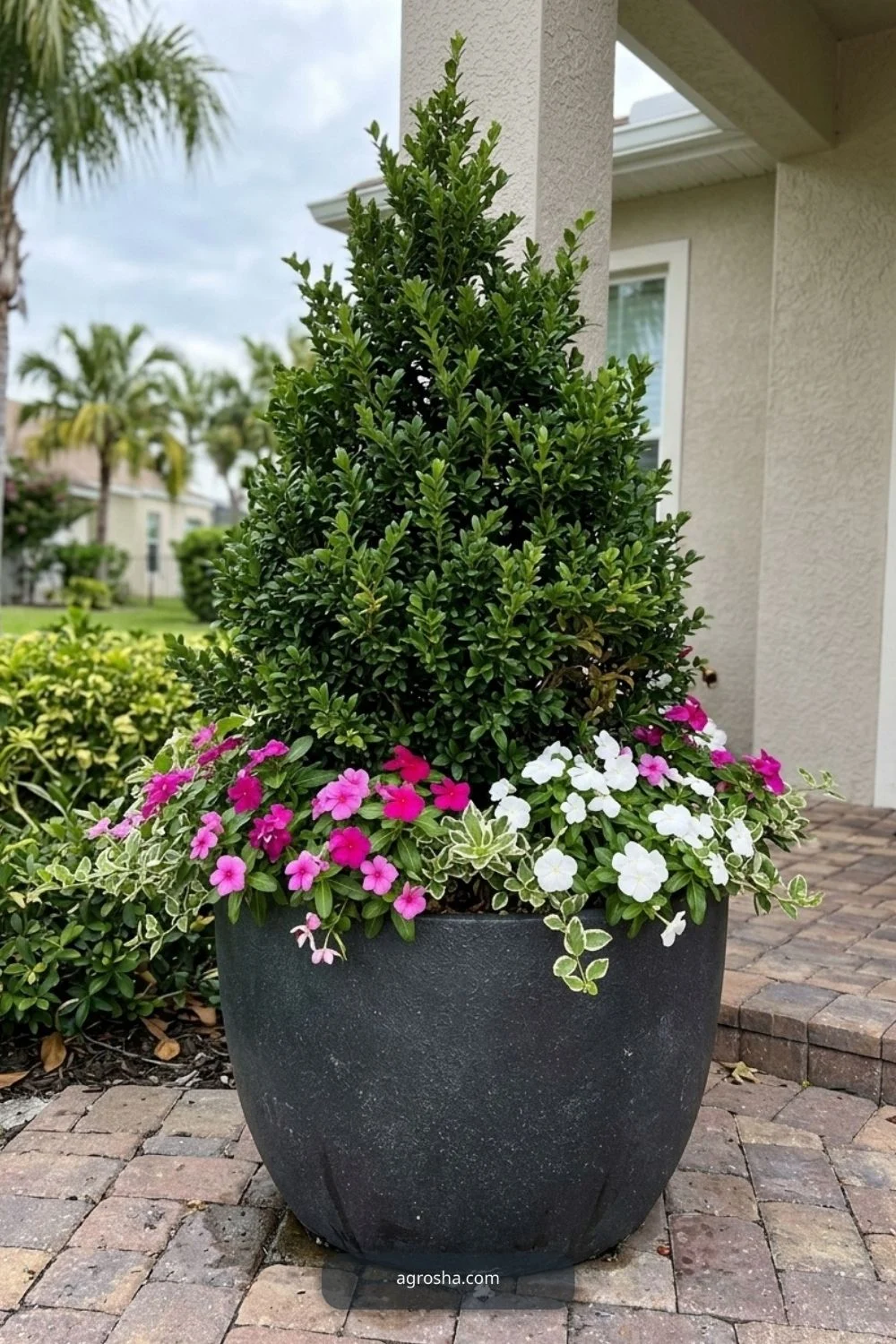
Build the arrangement around one compact evergreen or structural foliage plant, then add a smaller seasonal color layer. This lets you refresh the entry without replacing the whole container. For broader curb-appeal planning, see our front yard garden ideas.
7. Florida-Friendly Foliage Planter
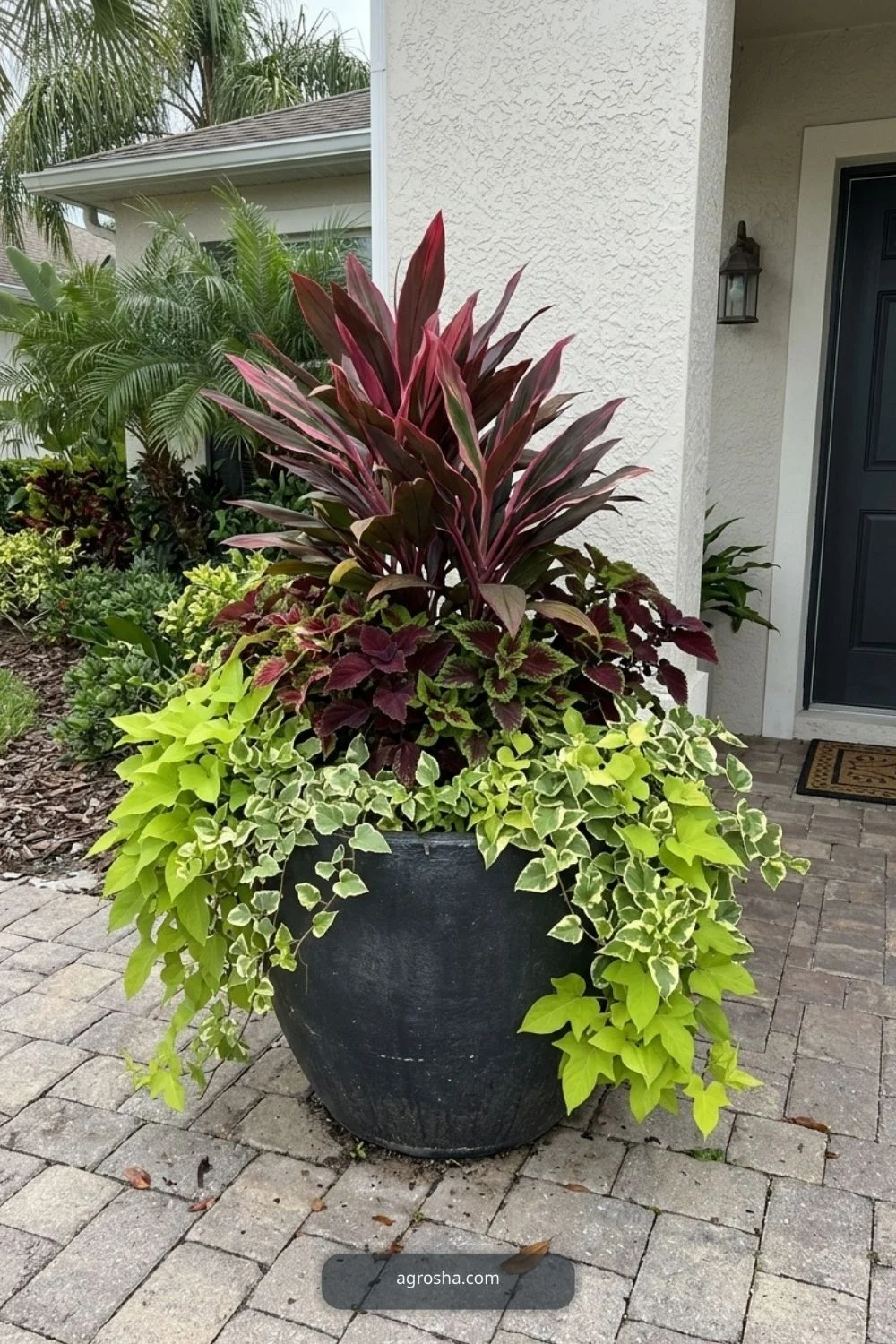
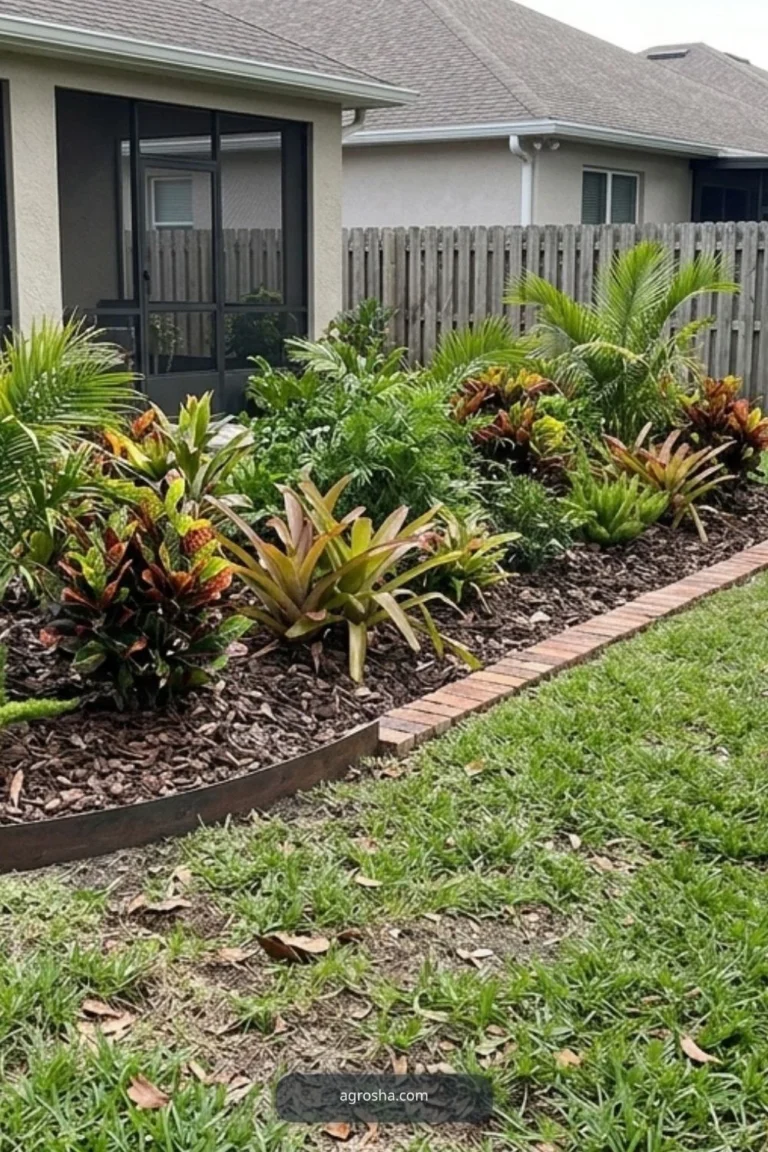
Use foliage textures that handle the entry’s real sun and heat instead of relying on flowers every month. Mix one upright form, one medium filler, and one trailing plant only if the container is large enough. Keep the palette simple and region-appropriate.
8. Shade Entry Planter

A covered porch often receives much less light than the front yard. Use shade-tolerant foliage and avoid sun-loving annuals that stretch or fail. Our shade garden ideas can help with low-light plant structure.
9. Sunny Entry Planter With Heat-Tolerant Plants

A west-facing doorway can become extremely hot. Choose plants for full sun and reflected heat, use enough soil volume, and check moisture more often. Light-colored containers may feel visually cooler against pale stucco or concrete.
10. Tall Narrow Planter Beside a Column

A tall planter can add height without using much floor space, but the plant and soil make it top-heavy. Use a stable base, especially in windy Florida entries, and keep the container away from door swing and steps.
Patio Planter Arrangements
Patio containers should support seating and circulation rather than compete with them. Group pots at the edges, repeat a material or color, and leave open floor around chairs. Large containers can create privacy and shade, but only if they stay stable and easy to water.
11. Three-Pot Corner Group
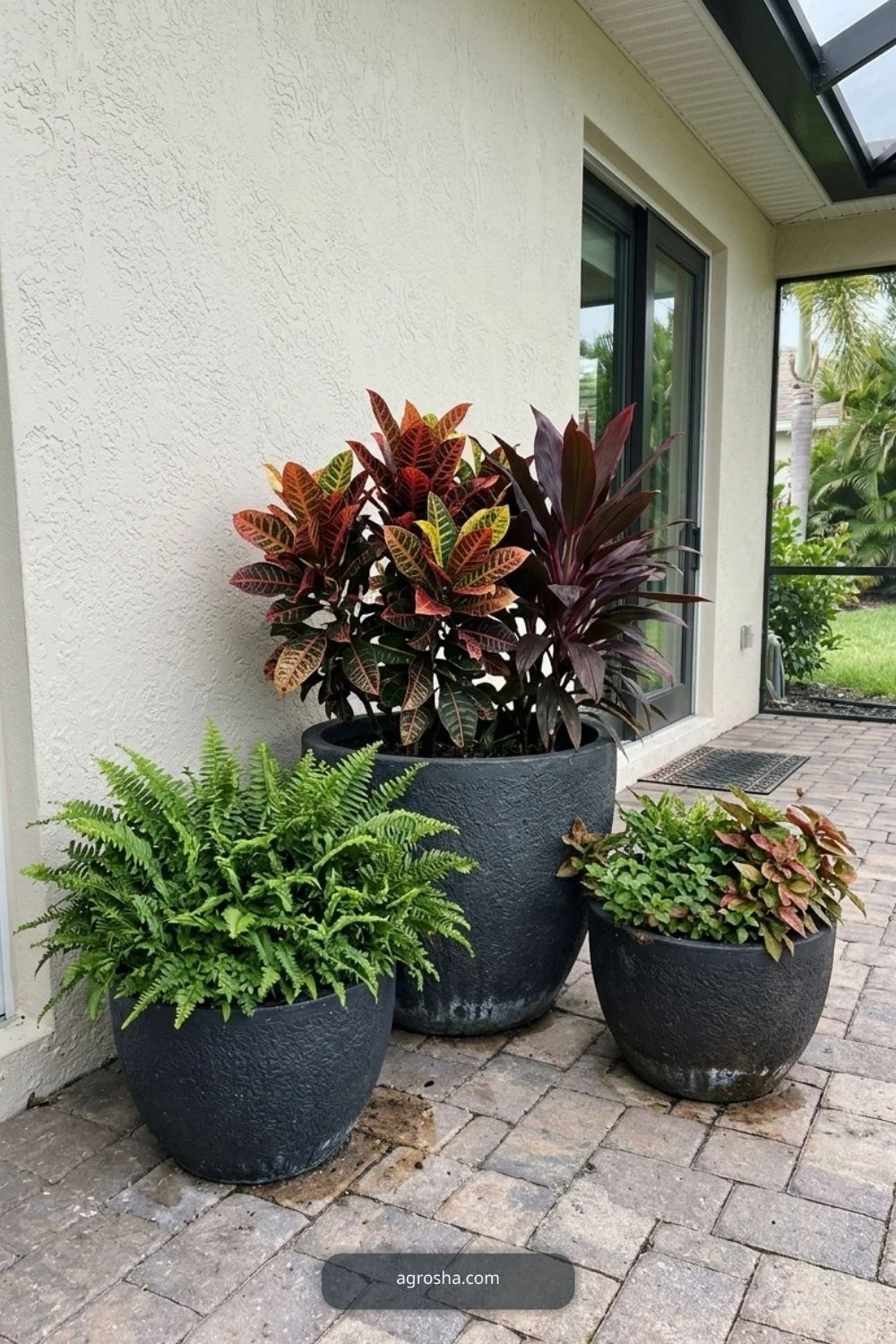
Group one tall, one medium, and one low planter in a patio corner. Repeat a pot material or color so the cluster feels intentional. Keep enough gap between pots for watering and airflow rather than packing them together.
12. Large Planter Behind a Bench
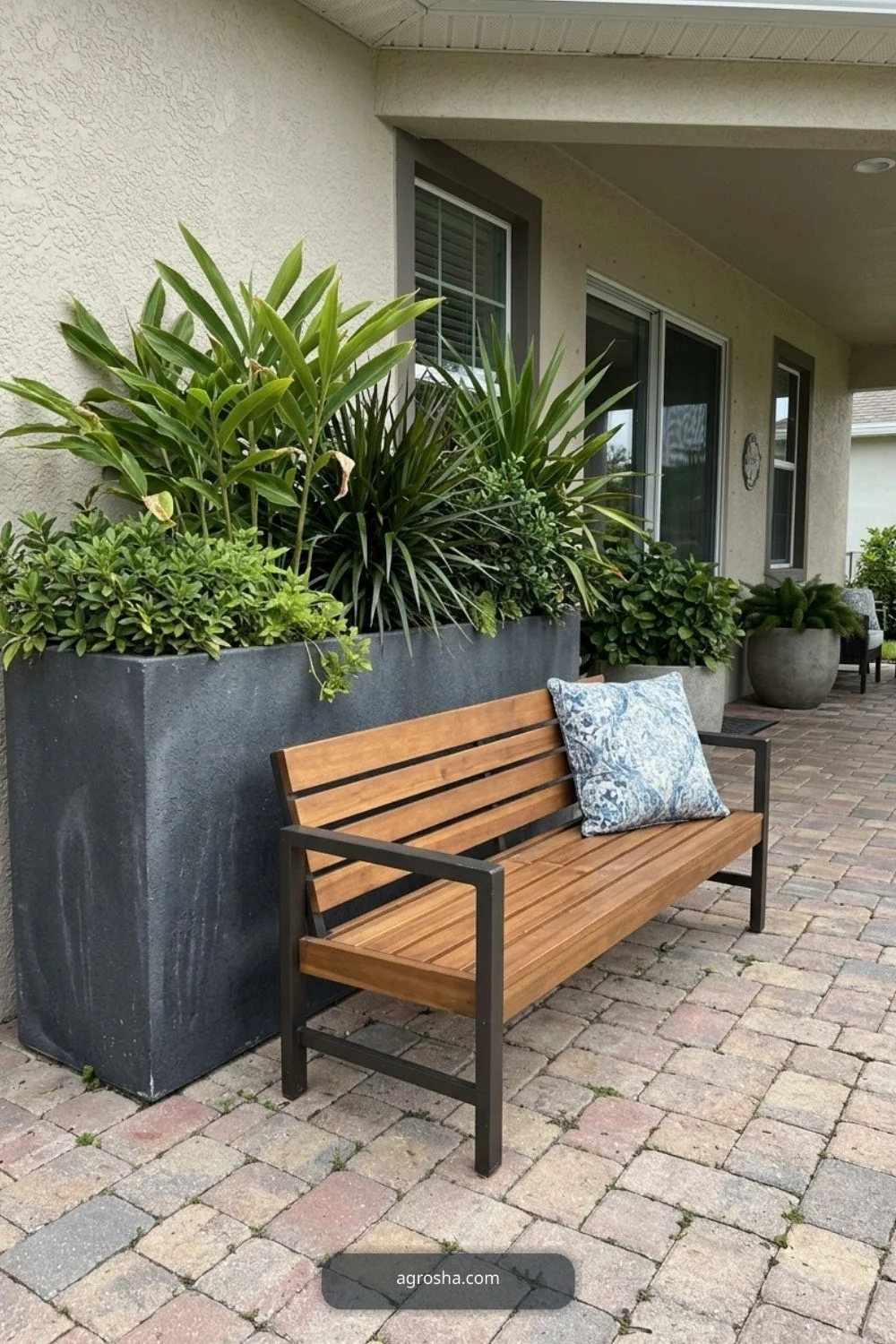
One big foliage planter at the end of a bench can soften seating without taking the center floor. Use a plant that will not constantly drop leaves or thorns onto the seat. Keep irrigation water from running under the bench.
13. Planter Pair Framing a Patio Opening

Use two large planters to mark the transition from patio to lawn or garden. They should guide movement, not pinch the opening. Choose plants that stay clear of shoulders and do not require frequent clipping to maintain passage.
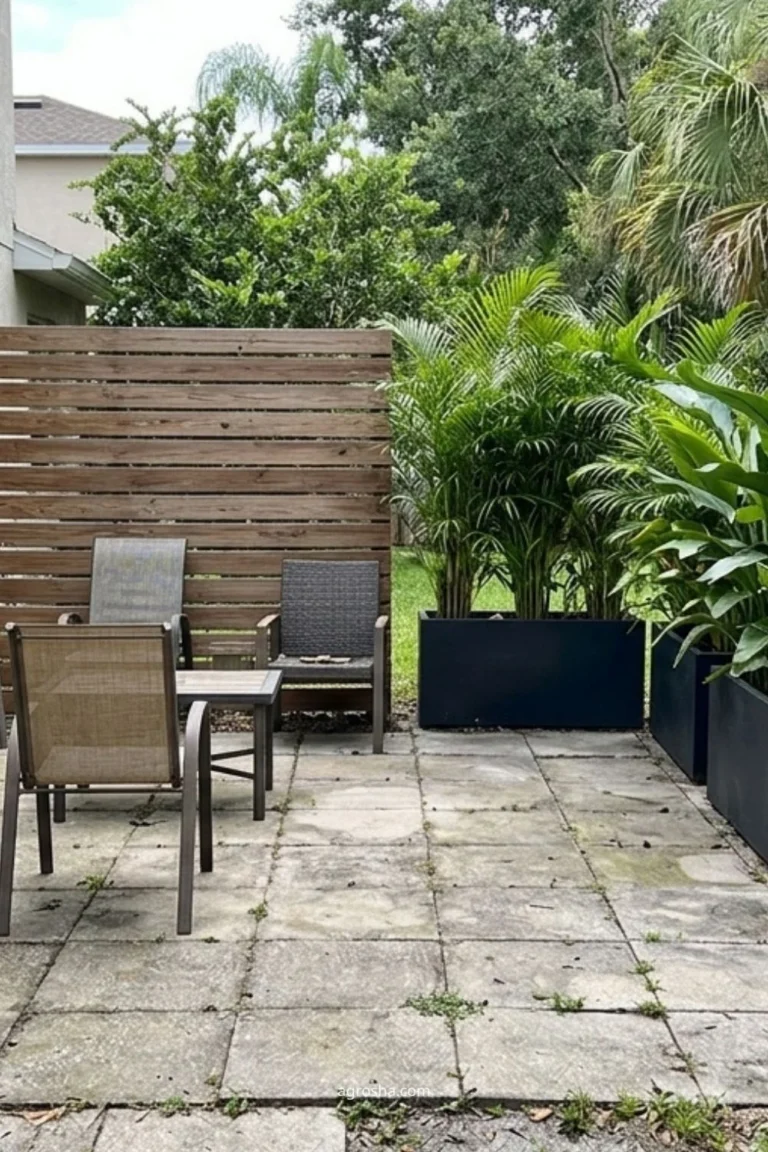
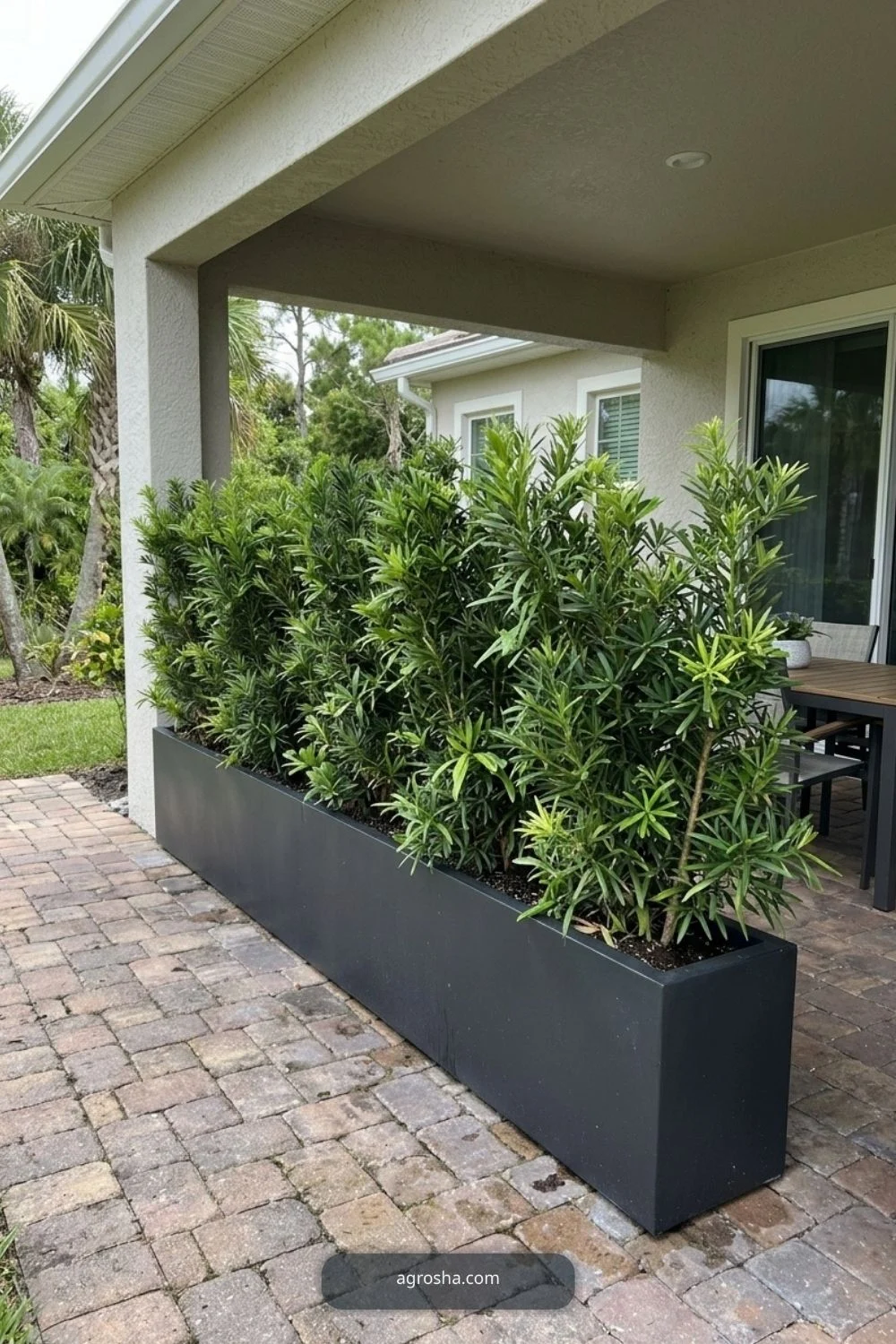
14. Long Planter as a Partial Privacy Screen
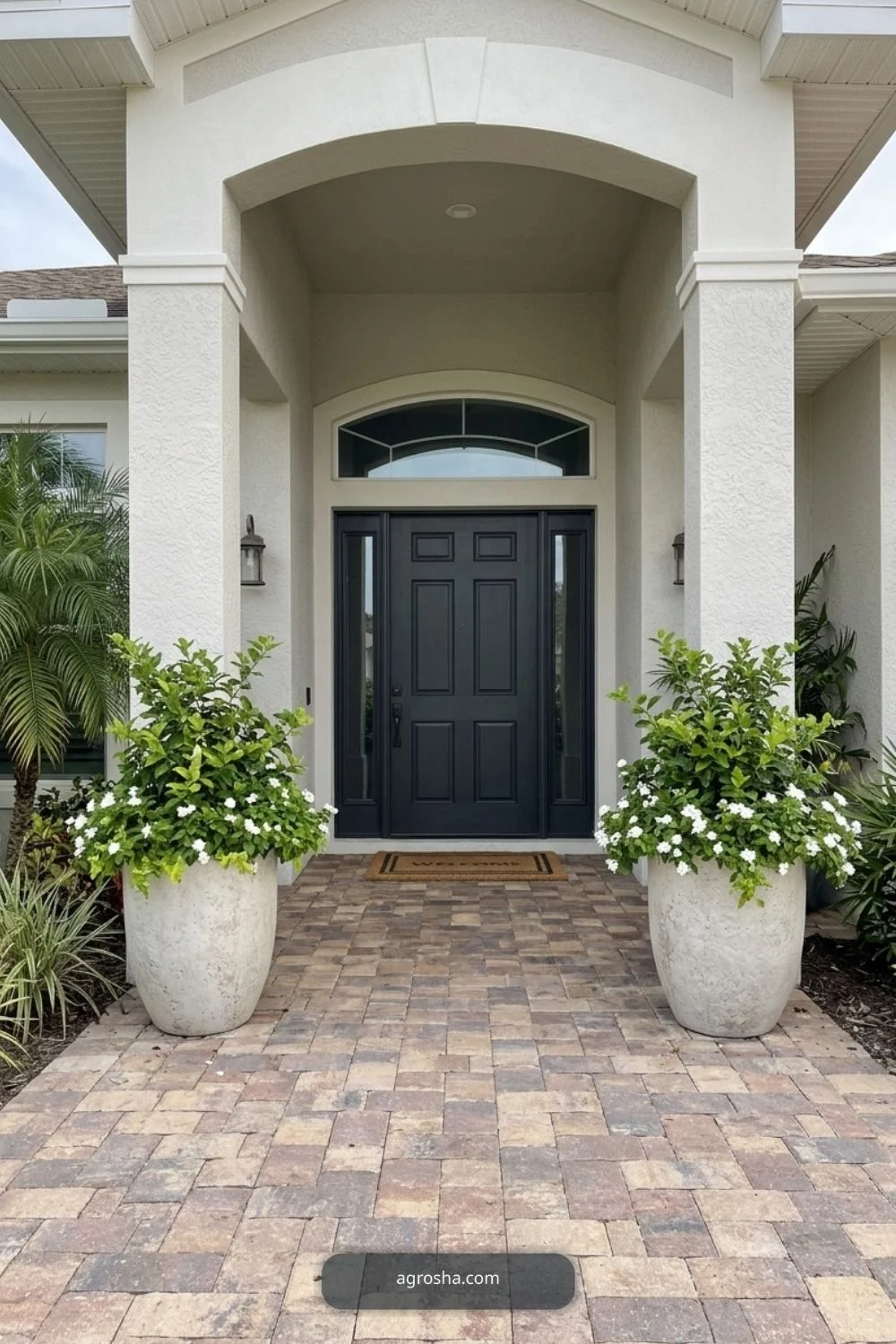
A long rectangular container with upright grasses or shrubs can block a low sightline. Make sure the planter volume and base are heavy enough for the plant height. For more screening options, see our backyard privacy ideas.
15. Large Herb Planter Near Outdoor Dining
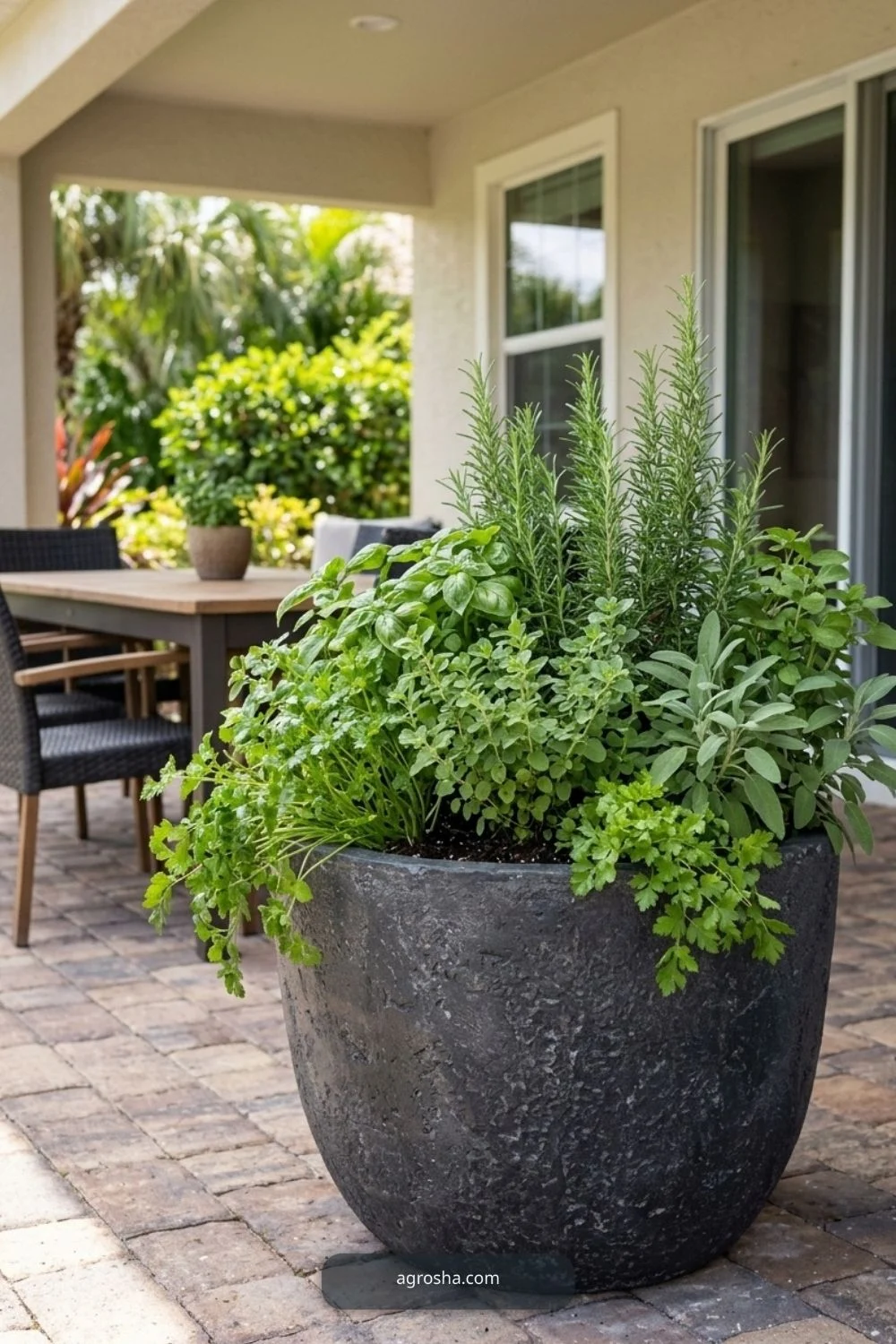
A broad planter near a dining area can hold rosemary, basil, parsley, or other kitchen herbs when light requirements match. Keep aggressive herbs separate and place the container where food prep and watering do not interfere with seating.
Plant Combinations and Focal Styles
A large pot gives you room for combinations, but more plants are not automatically better. Use one plant when the form is strong, or combine only a few plants with compatible light and water needs. The finished arrangement should remain readable even after several months of growth.
16. One Plant, One Pot
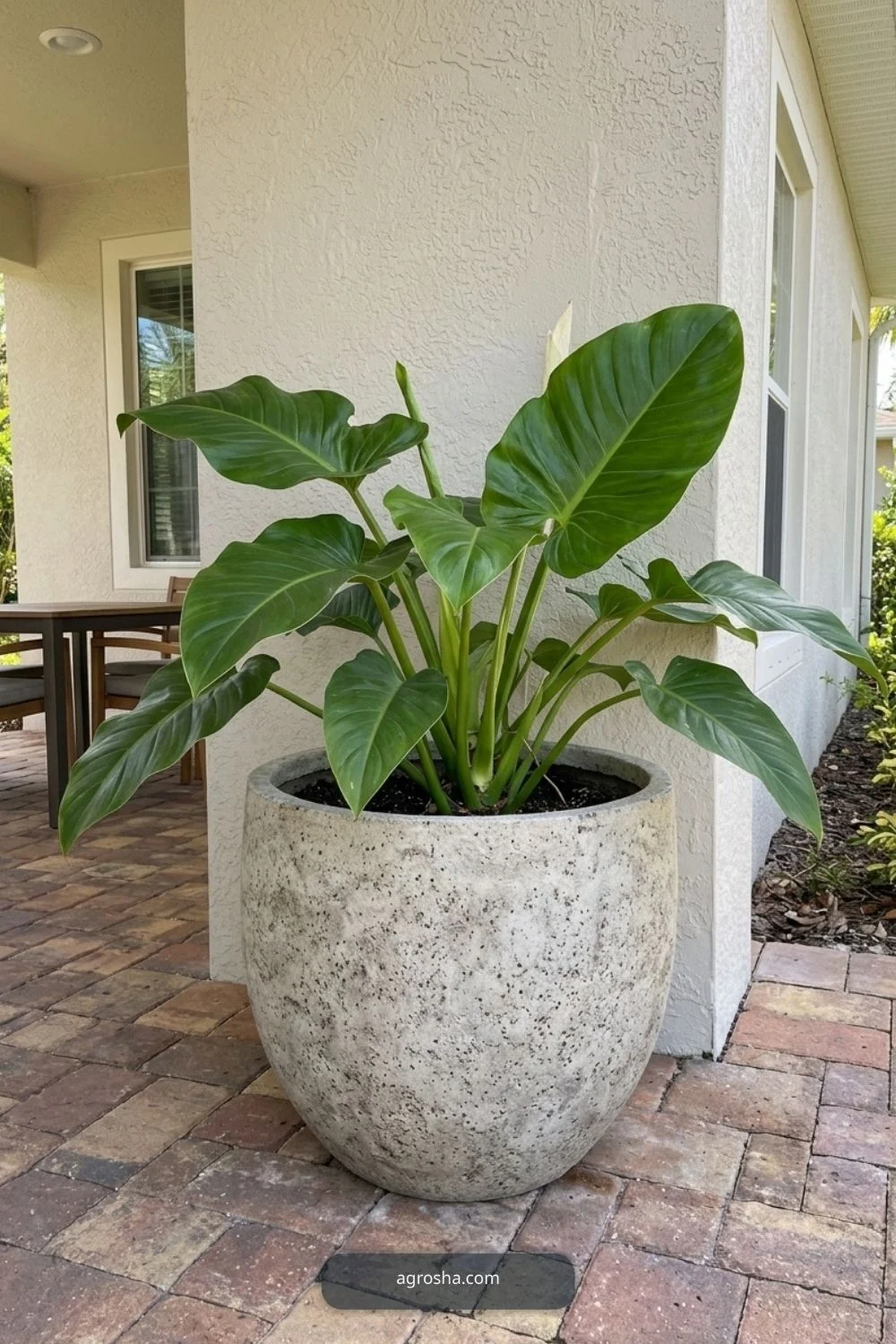
A large container does not need a mixed arrangement. One healthy shrub, palm-like accent, grass, or flowering plant can look stronger and require less pruning. This works well in modern or minimal patios.
17. Thriller-Filler-Spiller, Used Lightly
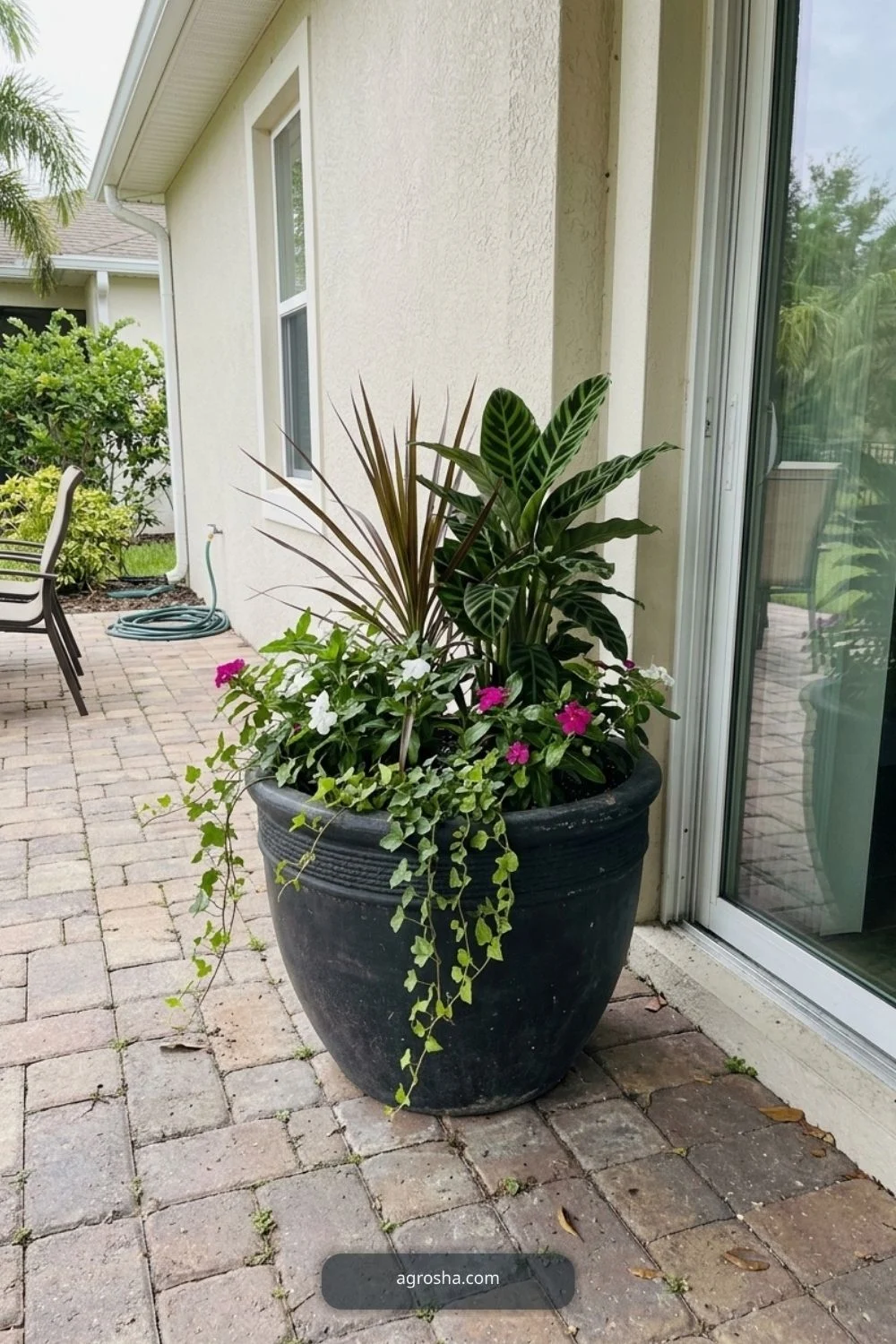
The classic tall-center, mid-level filler, and trailing-edge formula still works, but scale it to the pot. Use three compatible plant types rather than stuffing in many varieties. Florida humidity and rapid growth can make overfilled containers difficult to manage.
18. Foliage-Only Container
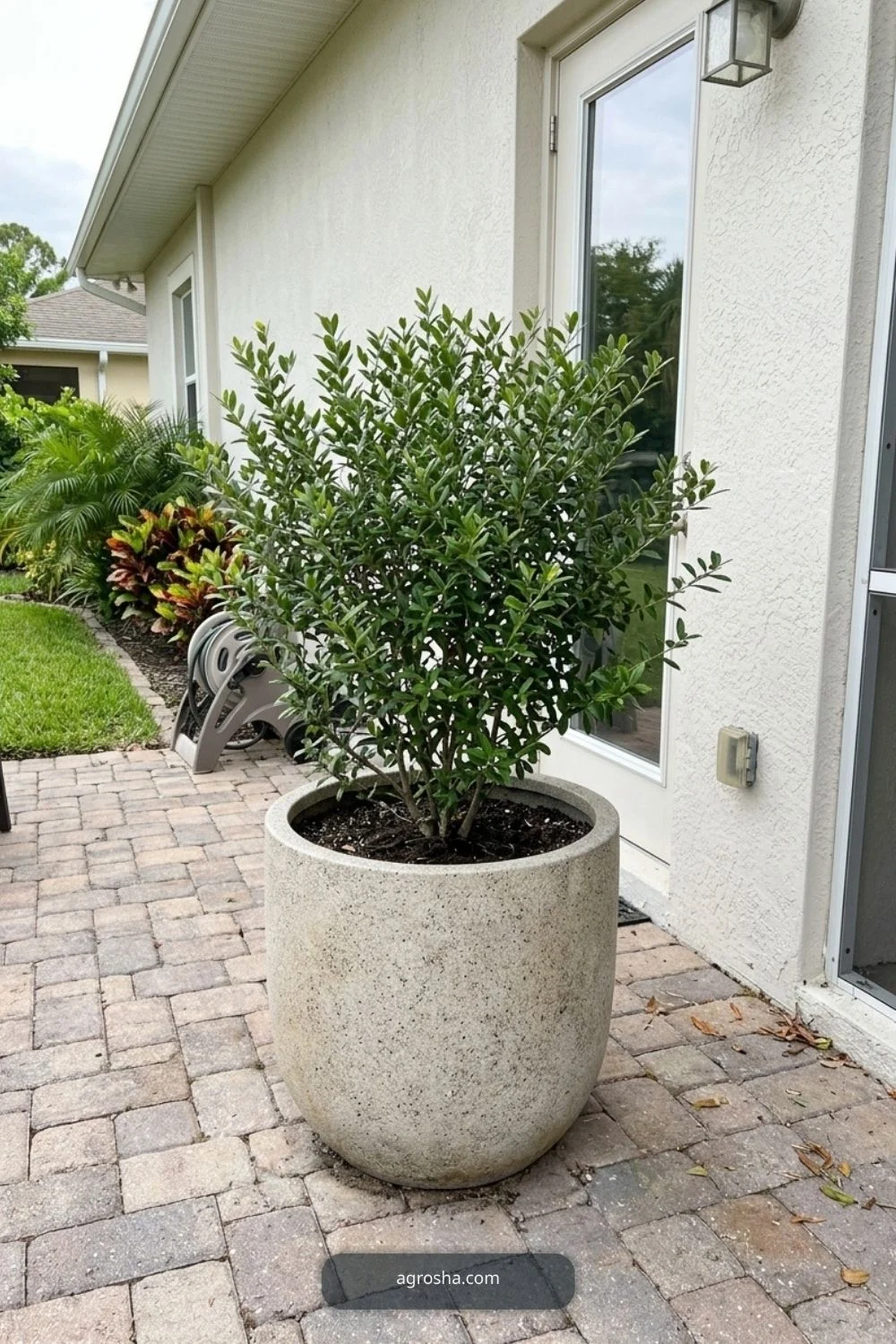
Combine leaf color and texture instead of flowers. This can stay attractive longer and reduces the need for seasonal replacement. Use one bold leaf form, one fine texture, and one low contrast plant.
19. Monochromatic Flower Planter
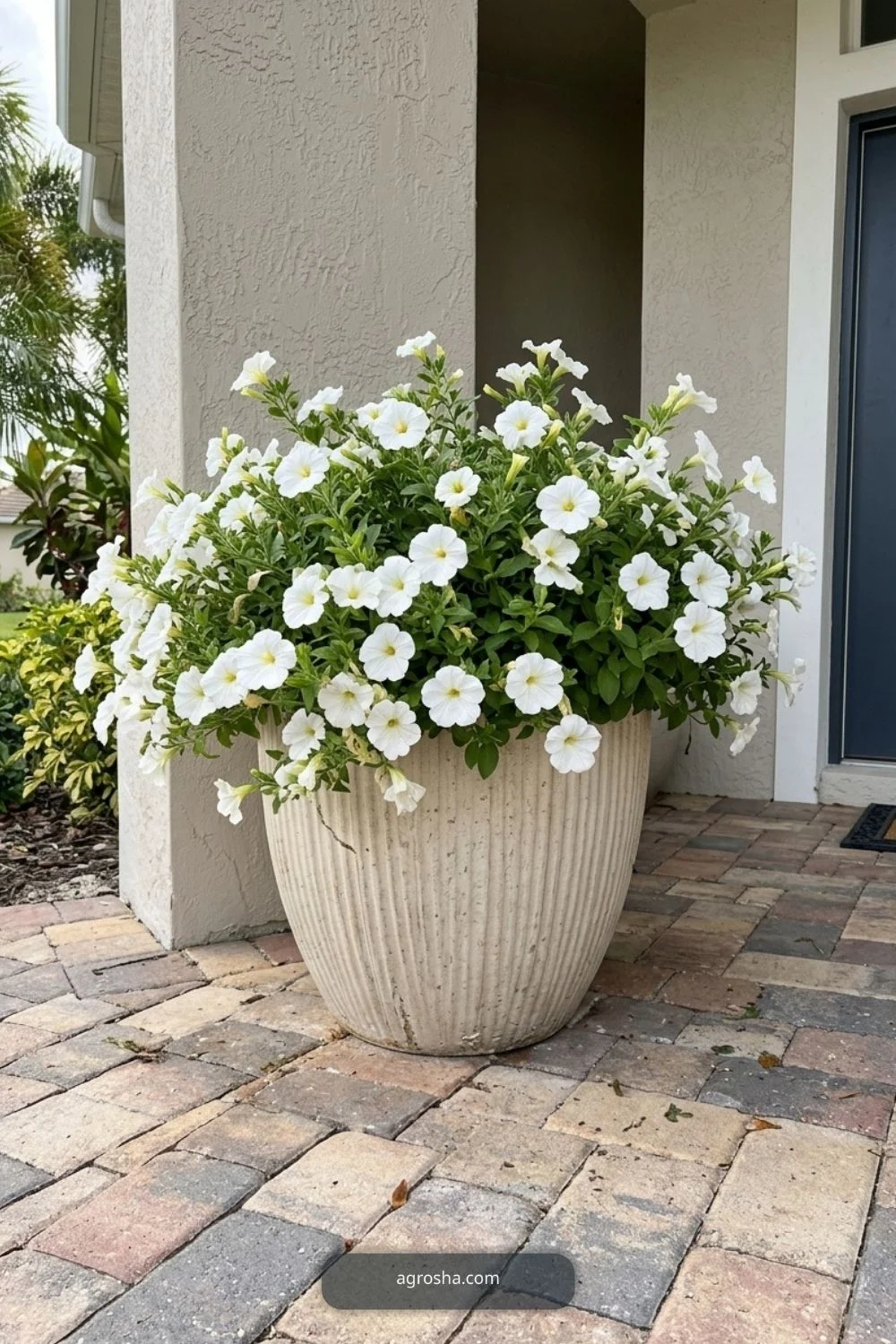
Use one flower color in two or three compatible plant types for a cleaner look. White, pink, orange, or purple can each work depending on the home. Keep bloom expectations seasonal and choose plants that fit the sun.
20. Pollinator-Friendly Large Planter

A large pot can hold a small mix of nectar plants and one host or foliage plant where appropriate. Keep pesticides away from the container and choose species suited to your Florida region. One butterfly or bee may visit, but the planter should still look good without constant flowers.
Sun, Water, and Container Performance
Container performance depends on soil volume, drainage, and exposure. A pot against a west wall may need very different watering from the same pot under a porch. Choose material and size for the site, then use pot feet, reservoirs, or heavier construction only when they solve a real problem.
21. Self-Watering Large Planter
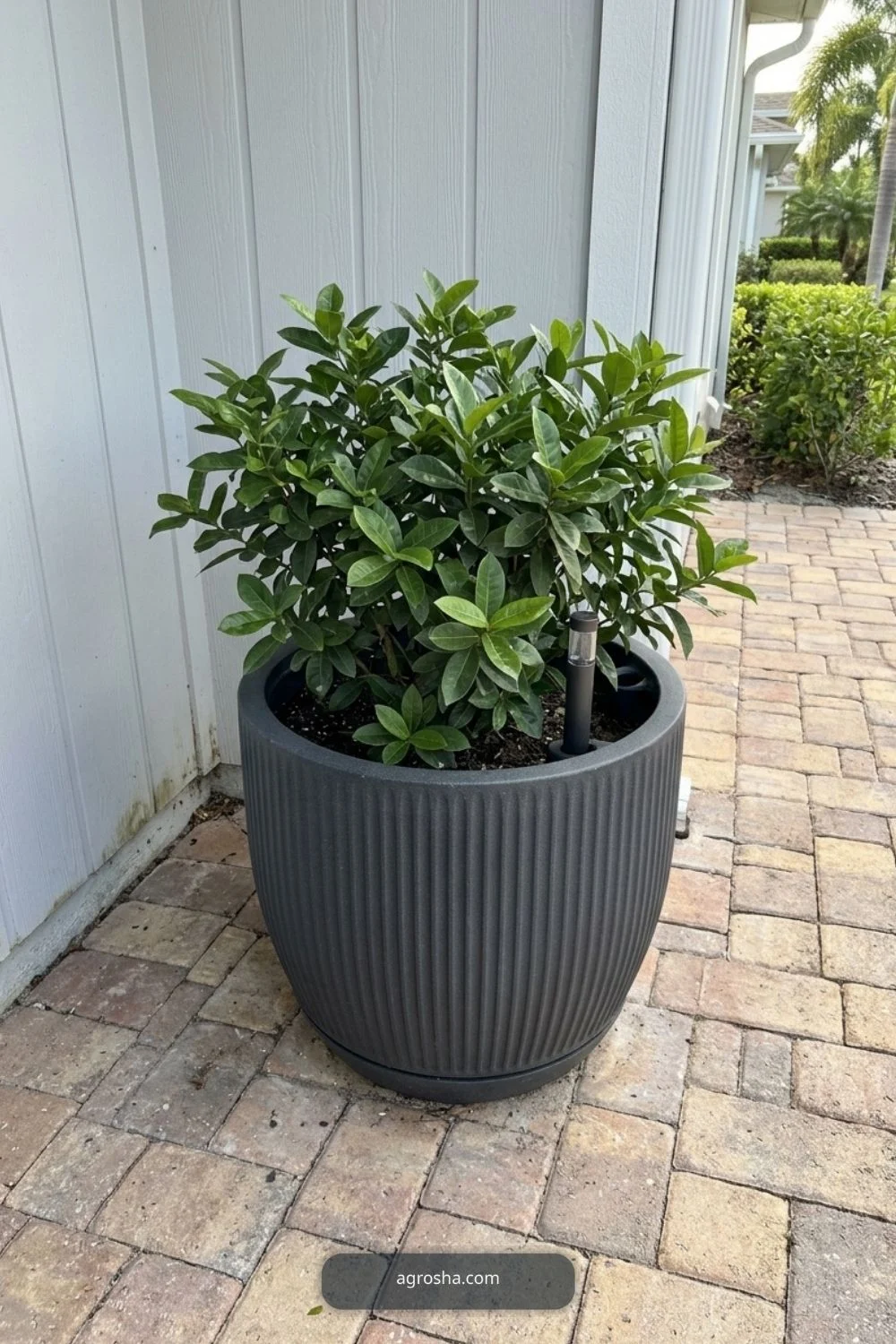
A reservoir planter can reduce watering frequency, especially near an entry where hoses are inconvenient. It still needs overflow during Florida rain and should not stay constantly saturated. Check the root zone rather than relying only on the water-level indicator.
22. Planter on Pot Feet for Better Drainage
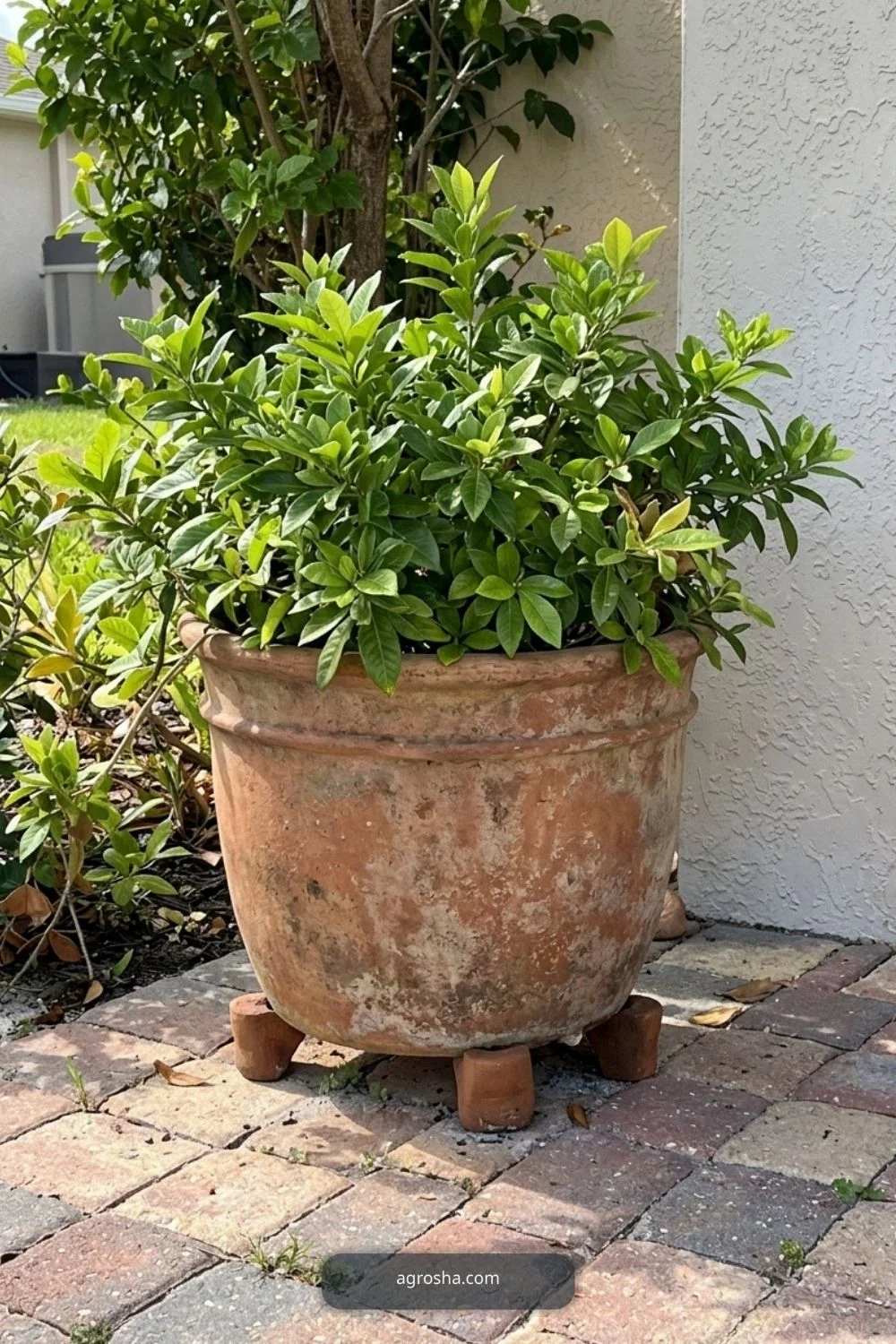
Small pot feet can lift a heavy container enough for water to escape and air to reach the base. They also reduce staining and make drainage holes easier to inspect. Use feet rated for the finished weight and keep the pot stable.
23. Lightweight Fiberglass-Style Planter
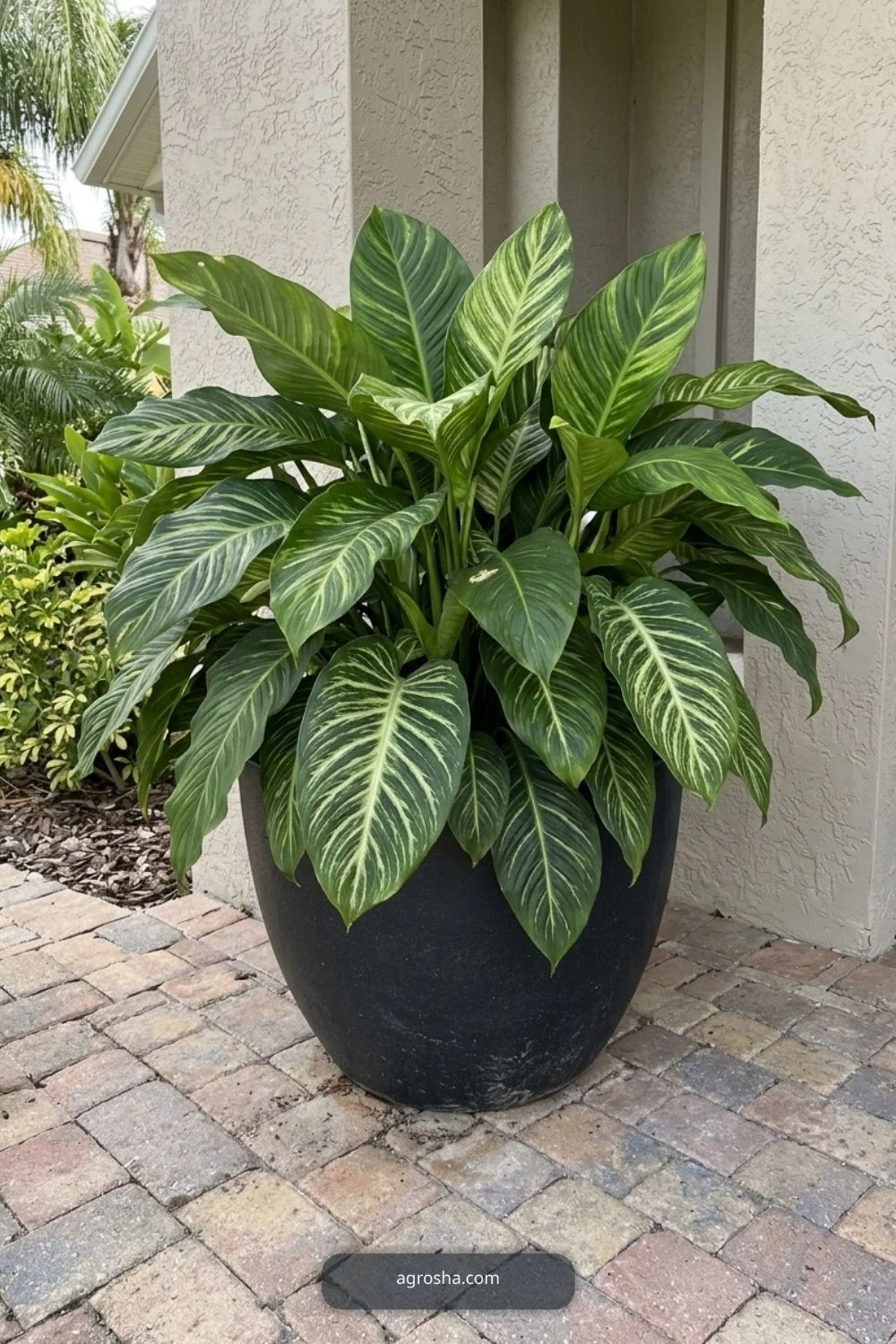
A large lightweight planter can be easier to position than concrete or ceramic. Use enough ballast and soil to keep it stable in wind and choose UV-resistant exterior material. Lightweight does not mean safe to move once fully planted.
24. Heavy Concrete-Style Planter

A heavy planter is stable and suits modern entries, but it is difficult to move and can trap heat in full sun. Decide the final location first and protect delicate paving from concentrated weight. Keep drainage open.
25. Glazed Ceramic Planter in a Sheltered Spot
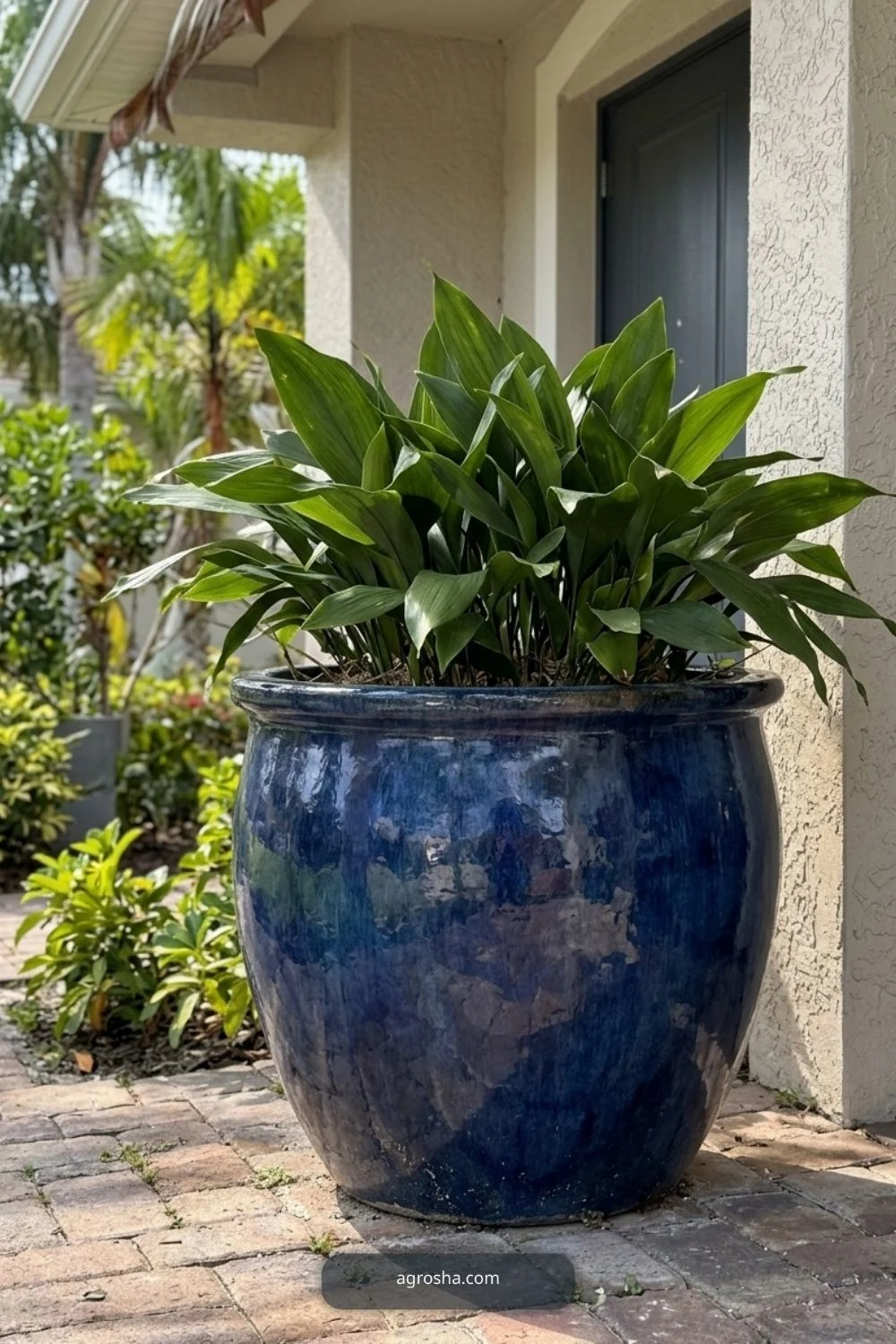
Glazed ceramic can add color and reflect light near a covered patio. Use it where impact risk is low and drainage can escape. Large ceramic pots are heavy and can crack if handled roughly, so treat them as semi-permanent.
Tall vs Wide Planters and Seasonal Refresh
Tall and wide containers create different visual effects and root conditions. Tall planters add height in narrow spots; wide bowls support layered low planting. For seasonal color, keep the permanent container and change a smaller portion of the planting instead of rebuilding the whole display.
26. Tall Planter With Compact Upright Grass
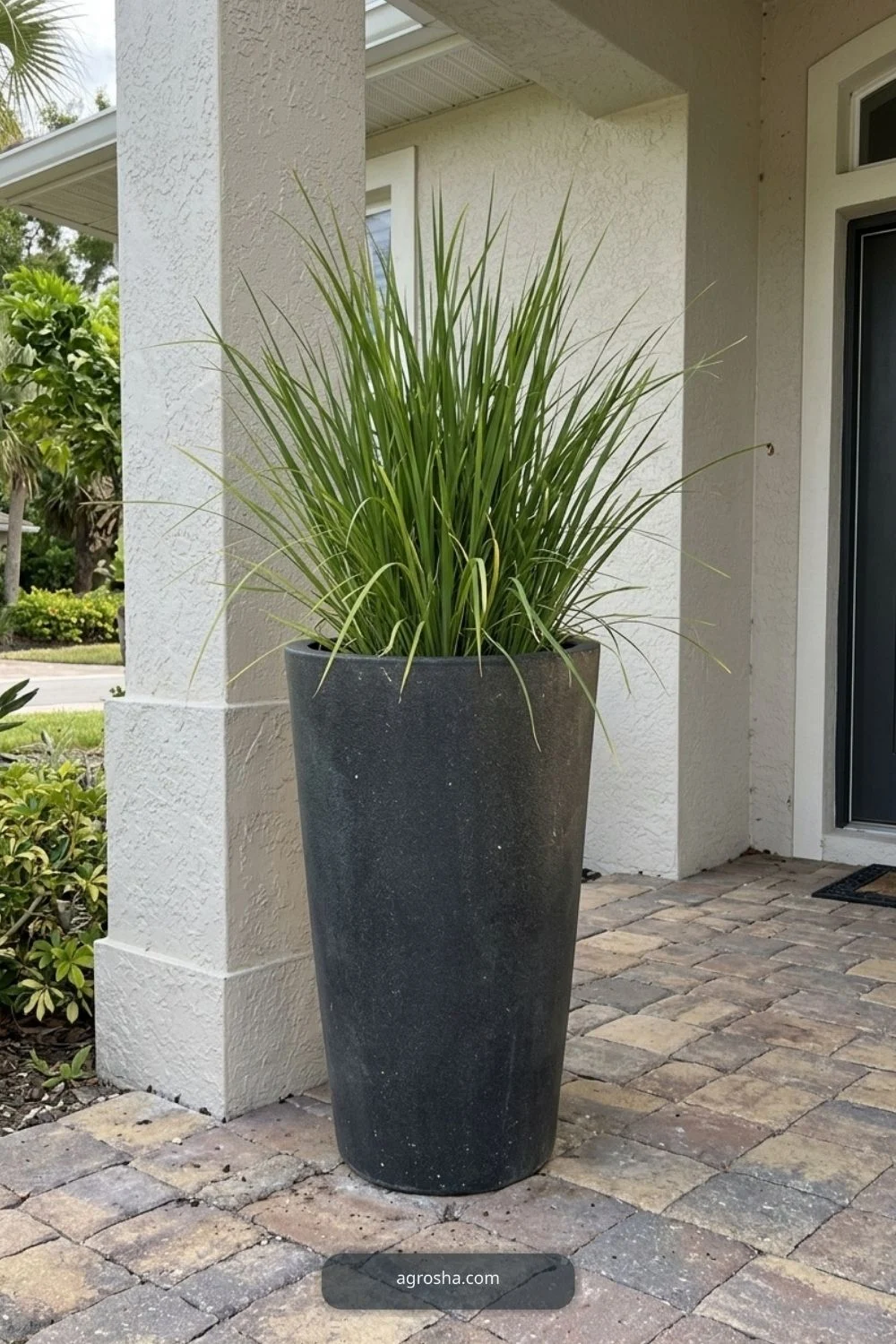
A narrow upright grass can add height to a tall container without creating a bulky canopy. Choose a clumping, noninvasive plant suited to the site. Cut back only as needed for the species instead of shaping it constantly.
27. Wide Planter With Layered Low Plants
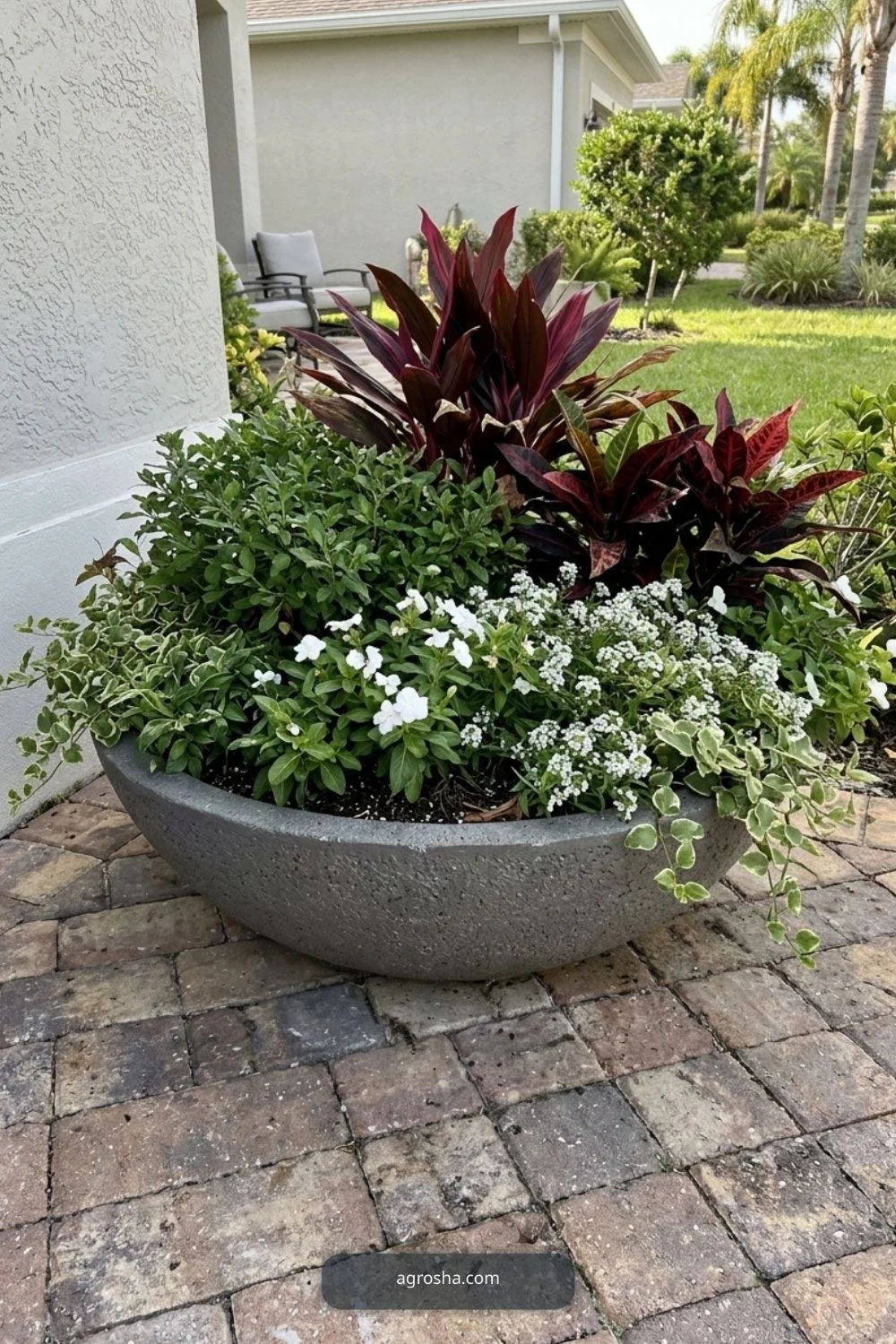
A wide bowl or trough is better for multiple low plants than a narrow tall pot. Use it for a layered edge on a patio or entry. Keep the soil depth appropriate for the chosen roots rather than filling a shallow bowl with deep-rooted shrubs.
28. Seasonal Color Insert Inside a Permanent Planter
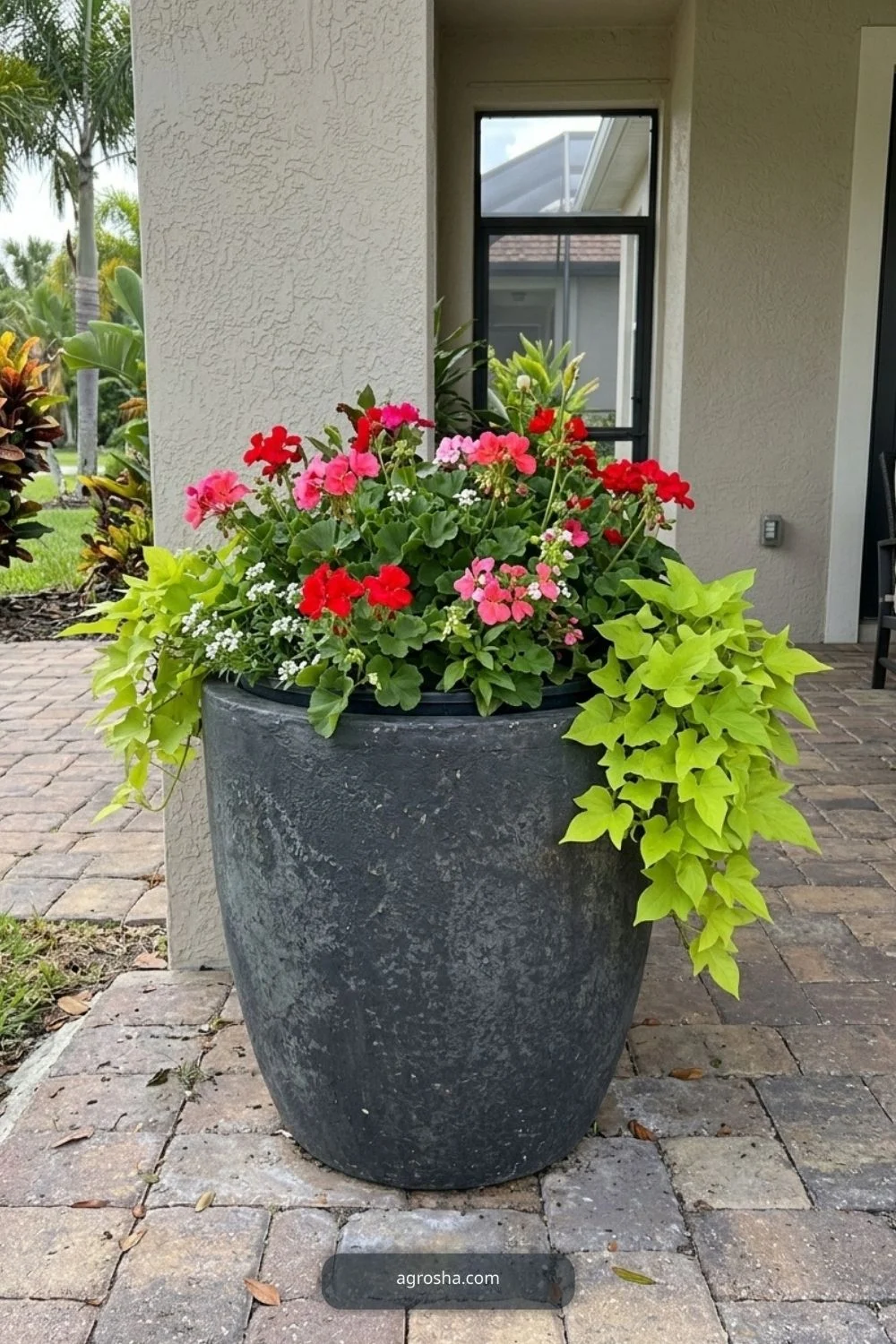
Keep the outer planter in place and change only a smaller inner nursery pot or liner when seasonal color fades. This reduces heavy lifting and soil disturbance. Hide the insert below the rim so the final arrangement still looks finished.
29. Storm-Ready Planter Placement
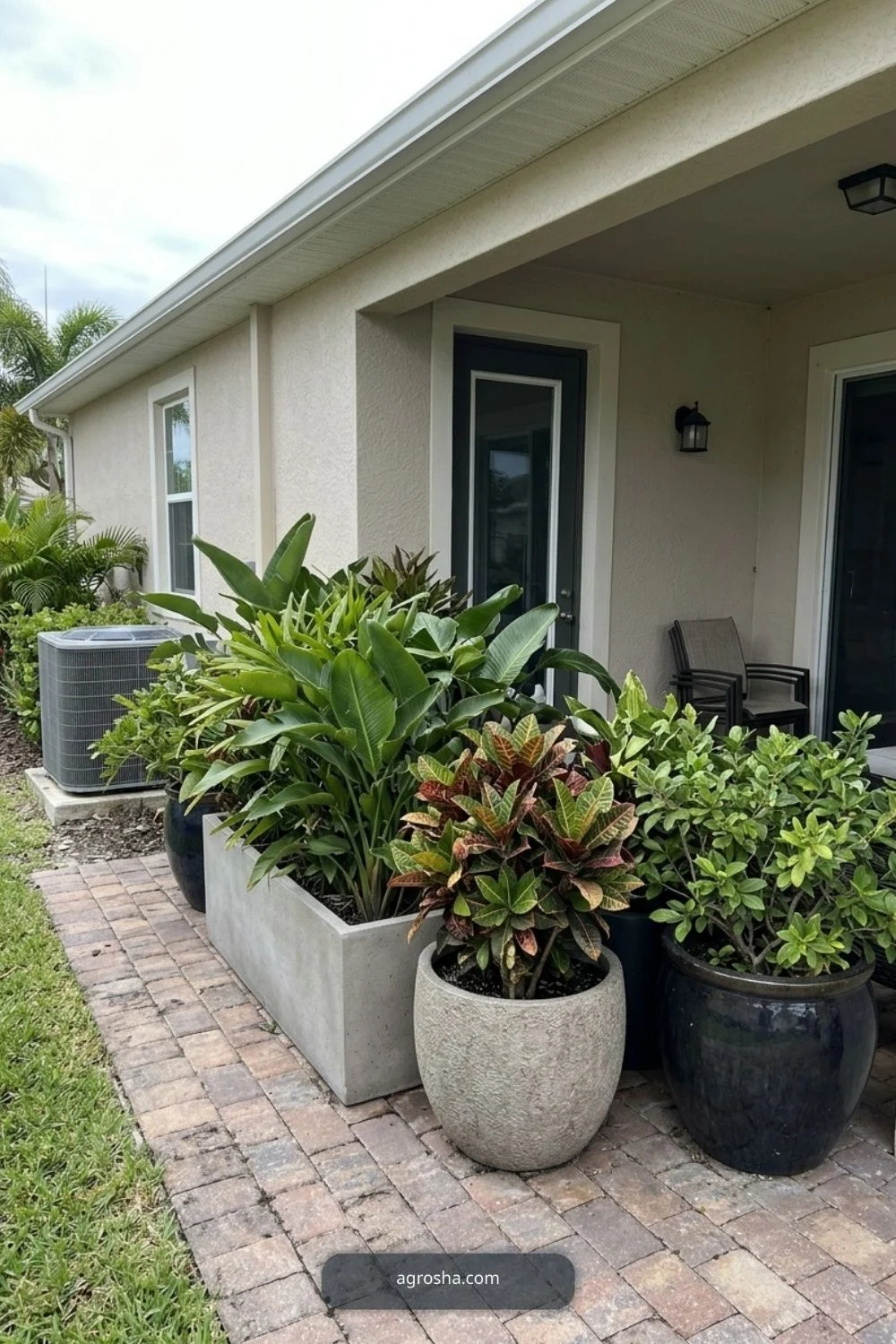
Before hurricane season, know which containers can be moved and which are too heavy. Keep tall, lightweight pots away from exposed edges and avoid loose decorative material that can blow. A stable, lower arrangement is often safer than a top-heavy display.
30. Repeat Two or Three Planter Styles Across the Property

Using the same pot family at the entry, patio, and back door creates visual continuity. Change the plants to match each light condition but repeat the container shape or finish. This makes the property feel planned without buying identical plants for every location.
Frequently Asked Questions
How big should an outdoor planter be?
Large enough for the mature root system and stable enough for the finished plant height. The container should also fit the walkway or patio without narrowing circulation.
Do large outdoor planters need drainage holes?
Yes. Excess water needs a reliable exit, especially during Florida rain. Keep holes open and elevate the container slightly if the base traps water on the patio.
What can I put in a large planter for low maintenance?
Use one site-matched structural plant or a simple combination of two or three compatible plants. Fewer varieties usually make watering and pruning easier than a densely mixed arrangement.
Should large planters match?
They do not have to be identical, but repeating one material, shape, or color creates a more cohesive look. Use plant differences to respond to sun and shade rather than forcing the same planting everywhere.
Final Thoughts
Large planters are most successful when they simplify the space. Use fewer containers, give plants enough soil and drainage, keep the walking route open, and repeat a consistent pot style across the property. A well-scaled planter should look good even when it is not packed with seasonal flowers.